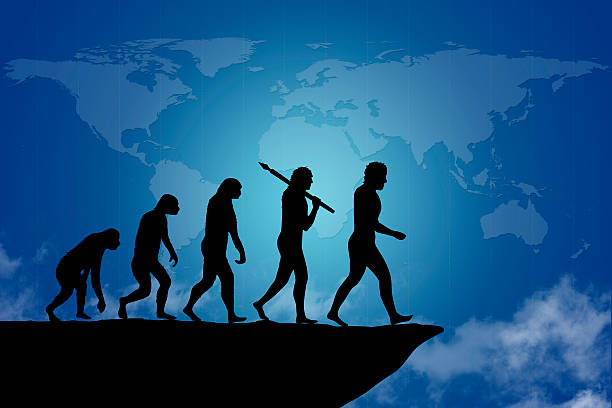
To ask where human evolution will go in the next thousand years is to stand at the edge of science and imagination, looking forward with both humility and hope. A thousand years ago, our ancestors lived in a world without electricity, antibiotics, telescopes, or a clear understanding of what a cell even was. They could not have imagined satellites circling Earth, machines that calculate faster than thought, or a global network that carries voices and ideas across continents in an instant. If the past thousand years reshaped humanity so profoundly, what might the next thousand bring?
Yet evolution does not move according to human schedules or dreams. It follows rules written in biology, physics, and chance. Human evolution in the coming millennium will not be a single, simple story. It will be shaped by genetics and culture, technology and environment, survival and choice. Most importantly, it will be shaped by ourselves. For the first time in Earth’s history, a species capable of understanding evolution has gained the power to influence its own future.
This is not a tale of certainty, but of possibility grounded in science. It is a story of how biology, culture, and technology may intertwine to redefine what it means to be human.
Understanding Evolution in the Modern Age
To imagine the future of human evolution, we must first understand how evolution works today. Evolution is not a march toward perfection. It is a process driven by variation, inheritance, and selection. Traits that help individuals survive and reproduce tend to become more common over generations. Traits that hinder survival or reproduction tend to fade.
In the distant past, environmental pressures such as climate, predators, disease, and food availability shaped our bodies and behaviors. Strong bones, efficient metabolisms, social cooperation, and cognitive flexibility were favored because they helped our ancestors survive harsh and unpredictable worlds.
In the modern era, many of those pressures have changed. Medicine allows individuals with genetic conditions to survive and reproduce. Agriculture and global trade buffer us from local famines. Technology shields us from cold, heat, and physical danger. As a result, natural selection has not stopped, but it has changed its character. It now operates alongside powerful cultural and technological forces.
Human evolution over the next thousand years will likely be less about survival against nature and more about adaptation within human-created environments.
The Slow Clock of Biological Change
From a purely biological perspective, a thousand years is a relatively short time. Human generation times are long, and significant anatomical changes typically require many thousands of generations. This means that dramatic transformations like growing wings, developing new limbs, or evolving entirely new senses are extremely unlikely through natural selection alone.
However, subtle biological changes can and do occur over shorter timescales. Small shifts in average height, metabolism, immune response, and even brain structure are possible, especially if environmental conditions consistently favor certain traits.
For example, continued exposure to dense urban environments could favor immune systems better adapted to crowded conditions. Changes in diet and lifestyle might influence metabolism, bone density, or cardiovascular traits. Increased lifespan could subtly alter how aging-related genes are expressed across generations.
These changes would not create a new species in a thousand years, but they could gently reshape the human biological profile.
The Genetic Landscape of the Future
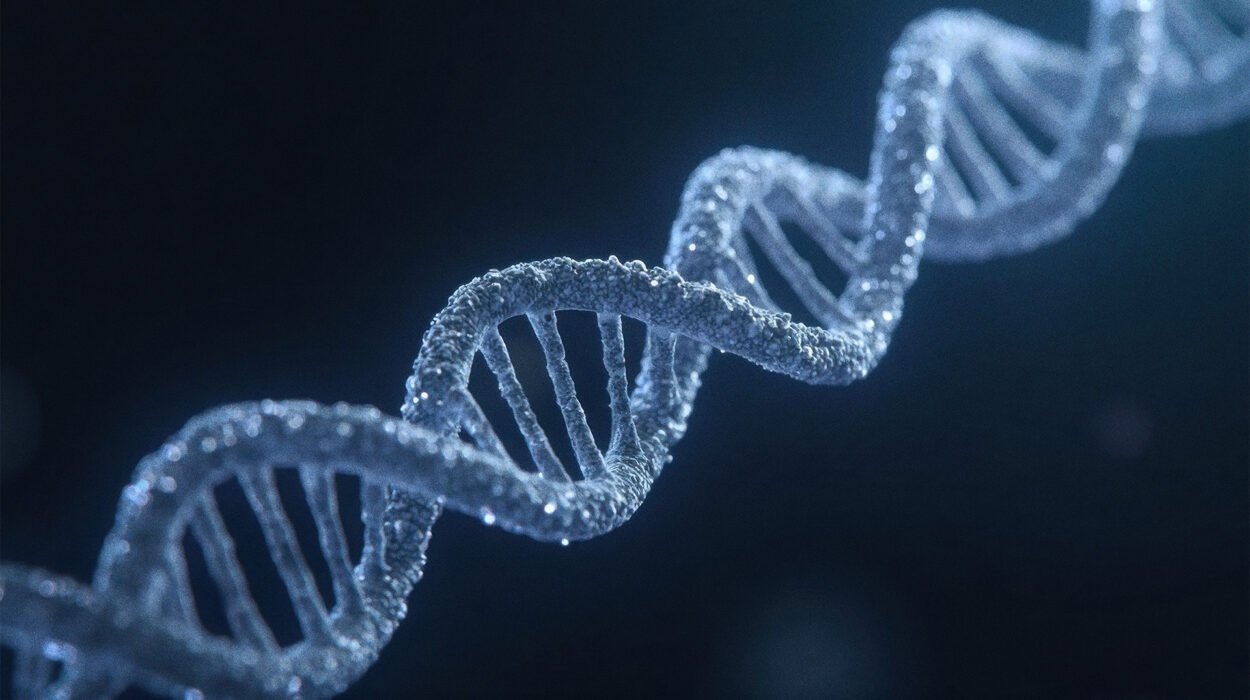
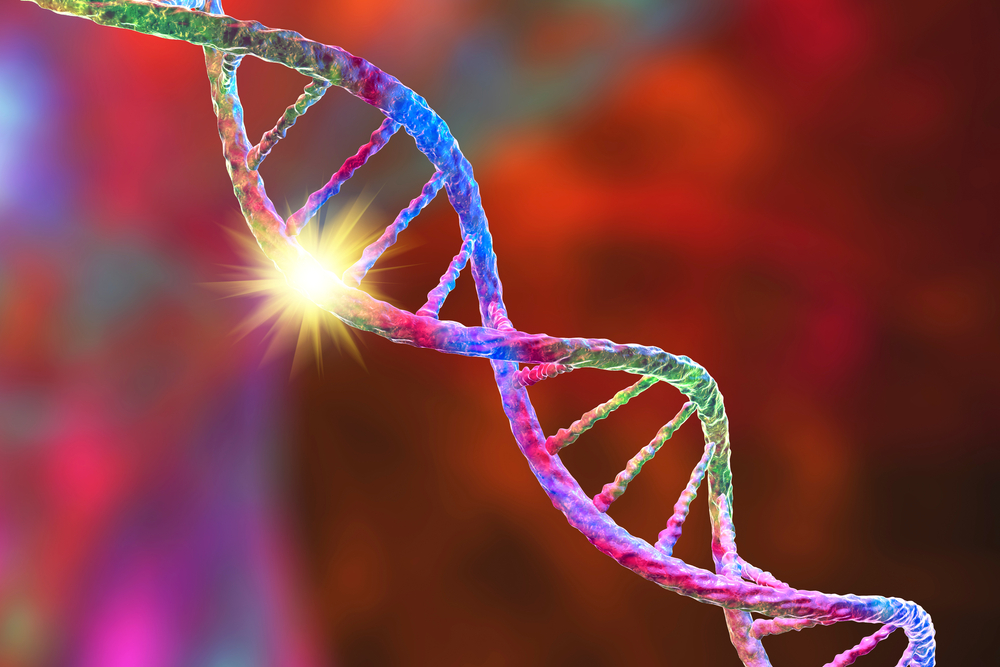
One of the most profound shifts in human evolution comes not from nature, but from technology. Advances in genetics have already allowed us to identify genes associated with disease risk, physical traits, and certain aspects of development. In the coming centuries, our ability to understand and potentially modify the human genome will almost certainly increase.
Gene-editing technologies raise the possibility that humans may one day reduce the prevalence of inherited diseases. If applied carefully and ethically, such interventions could alleviate immense suffering. Over many generations, this could lead to populations with lower genetic disease burdens and longer average health spans.
However, genetic modification also raises deep questions. If humans begin selecting traits not just for health but for appearance, intelligence, or physical performance, evolution could become partially intentional. This would mark a radical departure from the blind process that shaped all life before us.
Whether such changes become widespread will depend on ethics, governance, and cultural values as much as on scientific capability. Evolution in the next thousand years may be shaped not by what is possible, but by what societies decide is acceptable.
Brain, Mind, and Cognitive Evolution
The human brain is one of the most complex structures known in the universe. It is also one of the most energy-demanding. Over evolutionary history, brain expansion was favored because it enabled problem-solving, social cooperation, and creativity.
In the next thousand years, biological brain size is unlikely to increase dramatically through natural selection. There is little evidence that larger brains would provide enough reproductive advantage to outweigh their costs. However, cognitive evolution may take a different form.
Cultural evolution moves far faster than biological evolution. Education, language, and technology already extend our cognitive abilities far beyond what biology alone allows. Writing externalizes memory. Mathematics extends reasoning. Computers amplify calculation. Artificial intelligence increasingly assists with pattern recognition and decision-making.
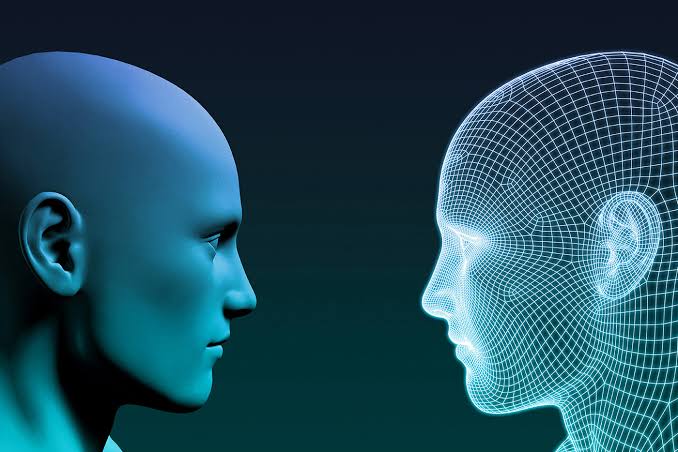
Rather than evolving larger or fundamentally different brains, humans may evolve new ways of integrating biological cognition with external tools. The boundary between mind and technology may blur, redefining intelligence itself.
Technology as an Evolutionary Force
Technology is not separate from evolution; it has become one of its driving forces. Tools change how we interact with our environment, which in turn alters selection pressures. Glasses allow individuals with poor eyesight to function and reproduce. Medical devices compensate for failing organs. Digital communication reshapes social structures and mating patterns.
Over a thousand years, technology could profoundly influence which traits matter most for success and reproduction. Physical strength may continue to decline in importance, while adaptability, learning ability, and emotional intelligence may become more valuable.
Technology may also create entirely new environments, such as space habitats, underwater cities, or artificial ecosystems. Humans living in such settings could experience different selective pressures, potentially leading to divergent evolutionary paths over very long timescales.
In this sense, humanity may not evolve as a single, unified population, but as multiple interconnected groups shaped by different technological niches.
The Body in a Technological World
As machines increasingly perform physical labor, the human body may change in subtle ways. Sedentary lifestyles already influence muscle mass, bone density, and posture. Over many generations, these trends could leave a biological imprint.
At the same time, technology may compensate for physical decline. Exoskeletons, prosthetics, and biomedical enhancements could allow bodies to perform tasks far beyond their natural limits. This raises the possibility that future humans may rely less on biological optimization and more on technological augmentation.
Rather than evolving stronger bodies, humans may evolve bodies optimized for interfacing with machines. Hands may become more dexterous for fine manipulation. Neural structures may adapt to faster information exchange. Sensory systems could shift in response to digital environments rich in visual and auditory stimuli.
The future human body may not be dramatically different in appearance, but it may function within a vastly expanded technological context.
Aging, Lifespan, and the Meaning of Time
One of the most emotionally charged aspects of human evolution is aging. For most of history, short lifespans shaped human behavior, culture, and reproduction. Today, average lifespans have increased dramatically, and further increases are plausible.
Scientific research continues to uncover the biological mechanisms of aging, including cellular damage, genetic regulation, and metabolic processes. While immortality remains a speculative concept, extending healthy lifespan by decades or more is within the realm of scientific plausibility.
If humans routinely live much longer, evolution may respond in unexpected ways. Longer lives could shift reproductive timing, career paths, and social structures. Knowledge and experience could accumulate within individuals rather than being passed rapidly between generations.
Over a thousand years, longer lifespans could subtly influence genetic selection, favoring traits associated with long-term health, cognitive resilience, and emotional stability.
Social Evolution and Human Nature
Evolution is not only about bodies and genes; it is also about behavior. Humans are profoundly social animals. Cooperation, empathy, and communication have been central to our survival.
In the future, social evolution may be as significant as biological evolution. Global connectivity already links billions of people in complex networks of information and influence. Cultural norms spread rapidly, shaping behavior on timescales far shorter than genetic change.
As societies become more interconnected, traits that support cooperation across cultural boundaries may be favored. Emotional intelligence, conflict resolution, and adaptability to diversity could become increasingly important.
At the same time, technology may challenge traditional social structures. Virtual interactions, artificial companions, and changing family patterns could reshape how humans form bonds, raise children, and define community.
These social shifts will feed back into evolutionary processes, influencing who partners with whom and which traits are passed on.
The Emotional Landscape of the Future Human
Evolution is often described in cold, mechanical terms, but it is deeply tied to emotion. Fear, love, curiosity, and joy are not accidental byproducts; they are evolved responses that guide behavior.
In a future shaped by technology, emotional evolution may take new forms. Reduced exposure to physical danger could alter fear responses. Constant connectivity might intensify or reshape social emotions like empathy and anxiety.
Mental health will likely play an increasingly central role in human evolution. Traits that support psychological resilience, emotional regulation, and meaning-making may become crucial for thriving in complex, information-rich environments.
Rather than evolving away from emotion, humans may evolve a deeper understanding of it, learning to manage and channel feelings in healthier ways.
Humanity Beyond Earth
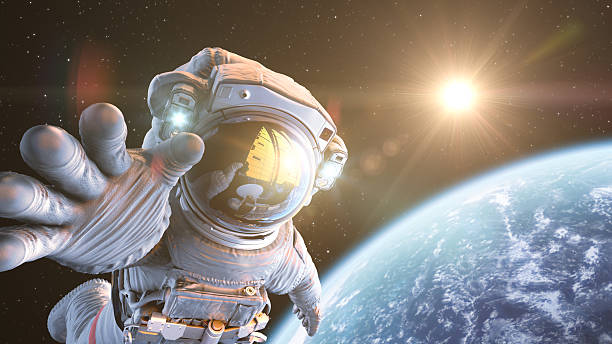
One of the most dramatic possibilities for future evolution lies beyond our planet. If humans establish permanent populations in space or on other worlds, evolution could take a new direction.
Different gravity levels, radiation exposure, and environmental conditions could exert unique selective pressures. Over many generations, humans in space habitats might develop differences in bone structure, muscle composition, or sensory processing.
However, over the next thousand years, such changes would likely remain subtle. Technology would play a dominant role in maintaining health and adapting environments to human biology rather than forcing biology to adapt to hostile conditions.
Still, the expansion beyond Earth could mark the beginning of humanity’s divergence into multiple evolutionary branches, each shaped by its own environment and technological support systems.
Ethics, Choice, and the Direction of Evolution
Perhaps the most unprecedented aspect of future human evolution is choice. For most of life’s history, evolution was blind. Species adapted or went extinct without understanding why. Humans are different. We can study evolution, anticipate outcomes, and intervene.
This power carries responsibility. Decisions about genetic modification, enhancement technologies, and environmental stewardship will shape the evolutionary future of our species. Choices made by societies, governments, and individuals will ripple across generations.
Ethical considerations will likely limit how far intentional evolution goes. Concerns about inequality, diversity, and unintended consequences may slow or shape the adoption of enhancement technologies. The future of human evolution will not be dictated by science alone, but by values.
In this sense, the evolution of humanity may become as much a moral journey as a biological one.
Continuity Amid Change
Despite all these possibilities, it is important to remember what is likely to remain the same. Humans a thousand years from now will still share the vast majority of their DNA with us. They will still feel hunger, curiosity, love, and grief. They will still tell stories, ask questions, and seek meaning.
Evolution rarely erases the past; it builds upon it. The core features that made humans successful—flexibility, sociality, creativity—are likely to persist. What will change is how those traits are expressed in a transformed world.
The future human may look familiar, but live in ways we can barely imagine.
A Thousand Years as a Moment in Deep Time
In the grand sweep of evolutionary history, a thousand years is a heartbeat. Dinosaurs ruled Earth for millions of years. Mammals evolved slowly over vast stretches of time. From this perspective, the next millennium will not radically redefine human biology.
Yet from a human perspective, a thousand years is immense. It is long enough for civilizations to rise and fall, for languages to be born and die, for technologies to reshape daily life beyond recognition.
Human evolution in the next thousand years will be less about dramatic physical transformation and more about integration. Biology, culture, and technology will weave together in increasingly complex ways, shaping not just what we are, but how we live and understand ourselves.
The Story Still Being Written
The future of humanity is not a destination waiting to be discovered; it is a path being created. Evolution will continue, quietly and persistently, influenced by forces both ancient and new. Some changes will be subtle, almost invisible. Others may feel revolutionary.
What makes this moment unique is awareness. For the first time, a species stands within evolution and looks ahead, asking where it might go. That awareness does not grant control, but it offers insight and responsibility.
In a thousand years, humans may look back on us as we look back on our ancestors: with curiosity, gratitude, and perhaps disbelief at how limited our world once was. They will inherit not only our genes, but our choices, our technologies, and our ideas.
The future of human evolution is not just about bodies changing over time. It is about a species learning, slowly and imperfectly, how to live with the power it has gained. It is a story of continuity and transformation, of limits and possibilities, and of a fragile, remarkable lineage reaching forward into an unknown tomorrow.