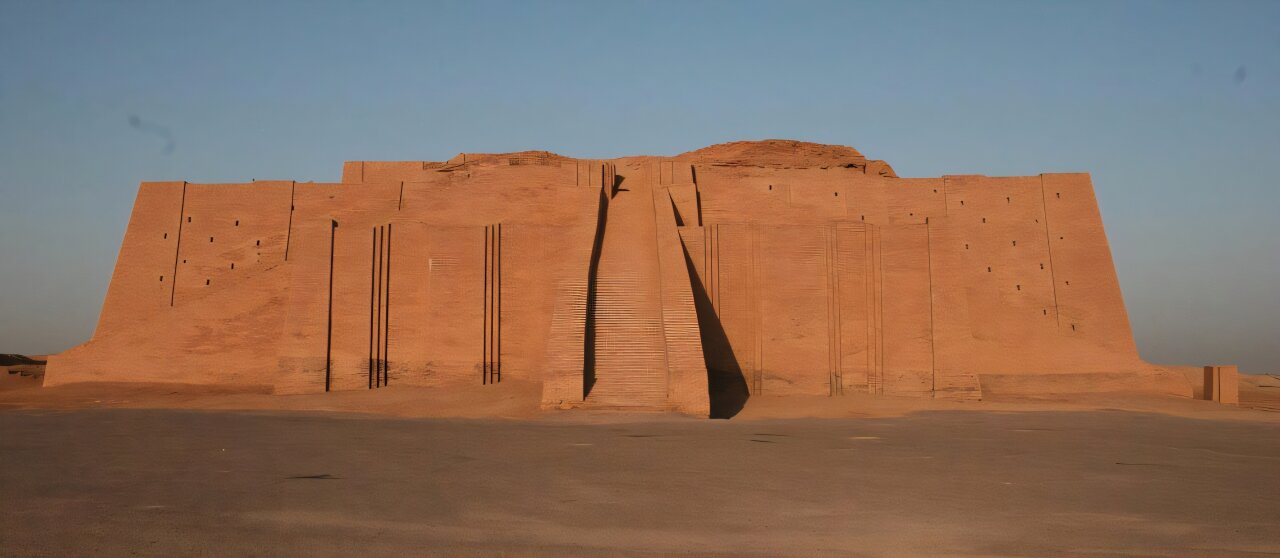
Imagine being sick in ancient Mesopotamia. Your ear aches, your balance wavers, or a strange pain settles deep inside your body. A healer examines you, murmurs a diagnosis, prepares a remedy—and then gives an unexpected instruction. Before the treatment can truly begin, you must go somewhere else first. You must visit a sanctuary.
This quiet detour into the sacred world is at the heart of a new study published in the journal Iraq, where researcher Dr. Troels Arbøll revisited ancient medical prescriptions carved into cuneiform tablets. His goal was not to uncover new cures, but to rethink something far more elusive: the role of sanctuaries in the healing process itself.
What he found suggests that medicine in ancient Mesopotamia was not only about substances and rituals performed by healers. Sometimes, healing required good fortune—and good fortune had an address.
The Tablets That Almost Said Nothing
The medical texts Dr. Arbøll studied come from the second and first millennia BC, a period rich in written knowledge but surprisingly quiet about temples. Most prescriptions describe symptoms, diagnoses, and treatments without ever mentioning sanctuaries or gods. Even the relationship between healers such as the asû and the āšipu or mašmaššu and religious institutions remains frustratingly unclear.
Out of all surviving medical scripts, only 12 prescriptions from six manuscripts include a direct instruction to seek out a sanctuary of a deity. That small number is striking. It suggests that visiting a sanctuary was not routine medical advice. It was something reserved for particular moments, particular bodies, and particular risks.
Those moments, it turns out, clustered around very specific ailments.
The Body Parts That Needed Divine Attention
Five of the six manuscripts focus on afflictions of the ear. The sixth concerns the spleen or pancreas, referred to in the texts as ṭulīmu. No other illnesses received the same sacred detour.
Why these organs? The tablets do not explain themselves. They simply instruct the patient to go—to leave the ordinary space of the home or clinic and step into a place shaped for divine presence.
Dr. Arbøll describes this pattern as one of the most puzzling elements of the study. If sanctuaries could help heal these ailments, why not others? Why not pain, fever, or injury? The silence of the texts makes the question linger.
Yet clues emerge when we look at how the ancient Mesopotamians understood the ear itself.
The Ear as a Gateway, Not Just an Organ
In Mesopotamian thought, the ear was not merely a body part. It was the organ of wisdom, attention, and obedience. To hear was to understand. To listen was to receive meaning—possibly even divine messages.
An illness of the ear, then, was not just physical. It threatened a person’s ability to engage with the world, with authority, and perhaps with the gods themselves. Ear infections were also unpredictable. They could worsen suddenly, bringing vertigo and forcing a patient into bed. Such escalation signaled danger, a slide into a more serious state.
The texts even acknowledge that ear afflictions could develop into severe conditions, including meningitis. Faced with this uncertainty, it may have felt necessary to seek divine favor before continuing treatment—to stabilize fate itself.
The spleen or pancreas, the ṭulīmu, remains more mysterious. Why this internal organ required a sanctuary visit when others did not is unclear. The answer may lie in symbolic meanings now lost, or in patterns of illness that the tablets assume but do not spell out.
Where the Gods Lived Close to Home
The sanctuaries named in the prescriptions belonged to major deities, including Sîn, Ninurta, Šamaš, Ištar, and Marduk. These were not distant, inaccessible temples alone. Some sanctuaries were likely personal shrines, possibly located within the patient’s own home.
Once there, the patient did not receive a medical procedure in the modern sense. Instead, they likely performed acts of devotion. According to Dr. Arbøll, the patient would probably recite prayers and carry out ritual actions, such as presenting offerings.
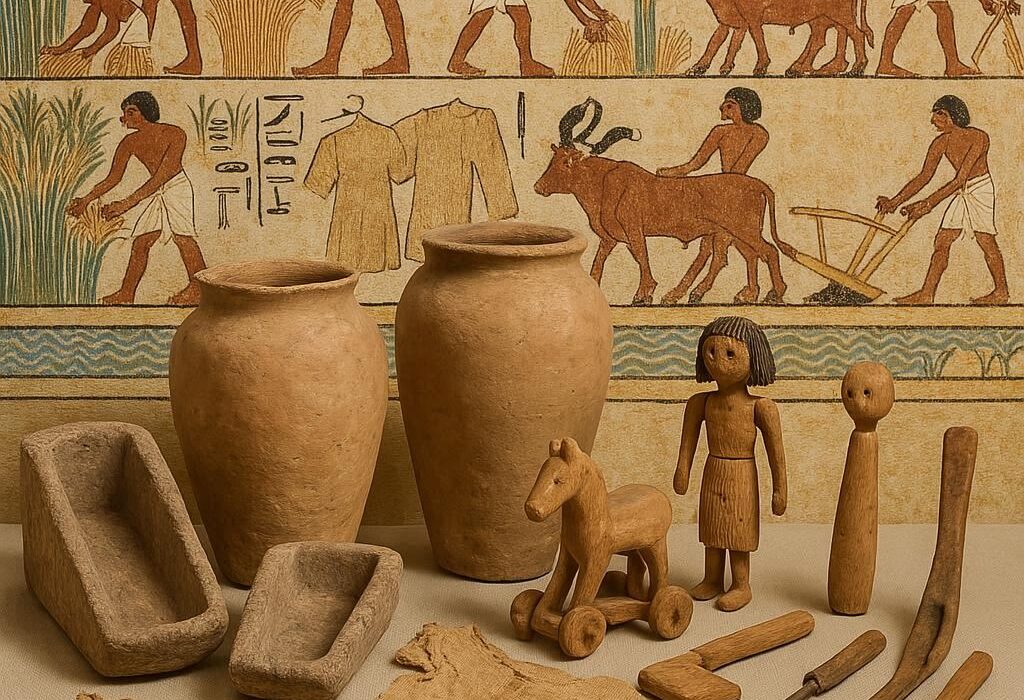
Evidence from the temple of the healing goddess Gula in the Babylonian city of Isin adds texture to this picture. Archaeological remains include votive figurines, objects that patients may have brought with them, shaped or chosen to represent their affliction. These figurines may have been left behind as acts of supplication, physical reminders of a plea for healing.
Healing, in this context, was a conversation—with the gods, with fate, and with the unseen forces shaping health.
The Strange Mathematics of Good Fortune
The prescriptions do not say that visiting a sanctuary cured the illness directly. Instead, they emphasize the need to acquire good fortune before the medical treatment could proceed.
Here, the texts become tantalizingly ambiguous. One line can be read as referring to “the 6th day” or to “six days.” Dr. Arbøll explains that both readings are technically possible. Was good fortune expected to arrive on a specific day? Or was it meant to last for a span of days while the treatment took effect?
He leans toward the second interpretation. Several prescriptions state that healing actions were repeated over multiple days. It would make sense, then, for good fortune to persist alongside the cure, sustaining it rather than striking once.
What remains unclear is how this timing was calculated. The count might have begun from the sanctuary visit. Or it could have started when symptoms first appeared. Another possibility is that it began after a healer formally diagnosed the illness.
Each option raises complications. Could patients reliably identify when symptoms began? Did diagnosis mark a clear moment? The diagnostic texts do mention illnesses lasting several days, which suggests that duration mattered—but not how it was measured in practice.
Medicine at the Edge of Certainty
What emerges from these fragments is a medical system deeply aware of its own limits. Healers could diagnose, prescribe, and perform rituals, but some conditions hovered too close to uncertainty. In those moments, medicine alone was not enough.
Seeking divine favor may have been a way to manage risk, to tip the balance before an illness spiraled into something worse. It was not a replacement for treatment, but a preparation for it.
Dr. Arbøll describes this unresolved tension as “the most vexing question” of the research. If sanctuaries helped soothe or stabilize certain illnesses, why were they not prescribed more often? The selective use suggests a nuanced understanding of illness, danger, and chance—one that modern readers are only beginning to glimpse.
Why This Ancient Story Still Matters
This research matters because it reshapes how we understand ancient medicine. It challenges the idea that healing was divided neatly into “scientific” and “religious” spheres. Instead, it shows a system where medicine, ritual, timing, and belief worked together to confront uncertainty.
By identifying the specific ailments that required a sanctuary visit, the study reveals that ancient healers made careful distinctions. They recognized which illnesses were stable and which could turn dangerous. They understood the psychological and symbolic weight of certain organs. And they acknowledged that healing sometimes depended on forces beyond direct control.
Dr. Arbøll’s ongoing project, “From Catastrophe to Culture: Understanding Epidemics in Ancient Mesopotamia,” will explore these ideas further, including whether communal prayer was used to address widespread disease. That future work promises to deepen our understanding of how entire communities faced illness together.
For now, these tablets remind us that long before modern hospitals and laboratories, people grappled with the same fears we do today. They sought meaning in sickness, reassurance in ritual, and hope in the belief that healing was not just a physical process—but a journey that sometimes had to pass through sacred ground first.
Study Details
Troels Pank Arbøll, PATIENTS SEEKING OUT SANCTUARIES OF DEITIES IN MEDICAL PRESCRIPTIONS, Iraq (2025). DOI: 10.1017/irq.2025.10028.