Deep inside the nucleus of a human cell, chromosomes sit like tightly packed libraries of genetic instructions. For most of us, the collection is balanced. But for people with Down syndrome (DS), there is an extra copy of chromosome 21, and with it come hundreds of genes running in triplicate—an overload that can shape development and affect the brain in profound ways.
Down syndrome is not rare. According to the Washington-based National Down Syndrome Society, about 1 in every 640 babies in the United States is born with the condition, making it the most common chromosomal condition. For decades, researchers have searched for ways to address the underlying genetic cause—not just individual symptoms.
Now, scientists may have opened a new door.
The Moment Scientists Stopped Thinking Small
Traditional gene therapy often focuses on changing one gene at a time. But Down syndrome is not caused by one faulty gene. It is caused by an entire extra chromosome, carrying many genes at once.
That challenge has always loomed like a wall: how do you “fix” an extra chromosome without tearing the cell apart?
Researchers at Beth Israel Deaconess Medical Center and Harvard Medical School decided to attempt something far more ambitious—not editing one gene, but silencing much of the extra chromosome’s activity in a single move. Their findings were published in Proceedings of the National Academy of Sciences.
It wasn’t a cure. It wasn’t a treatment ready for hospitals. But it was something science desperately needs before any of that becomes possible: a convincing proof that the idea can work.
Borrowing Nature’s Own Silencing Switch
The inspiration came from a natural process already happening in the human body.
In typical development, every biological female has two X chromosomes in most cells. Yet the body avoids doubling the genetic output from those two chromosomes by switching one off. The gene responsible for this silencing is called XIST.
The scientists wondered: what if the same quieting mechanism could be used somewhere else? What if XIST could be placed onto the extra chromosome 21, forcing it into silence the way the body silences an X chromosome?
That thought alone was bold. But the next step was even bolder.
CRISPR, Reimagined as a Genetic Delivery System
The team used a modified form of CRISPR/Cas9, a tool often described as molecular scissors because of its ability to cut and edit DNA. But instead of simply cutting, they used CRISPR in a more delicate role: as a precise delivery system.
They attempted to insert the XIST gene directly into the extra chromosome 21.
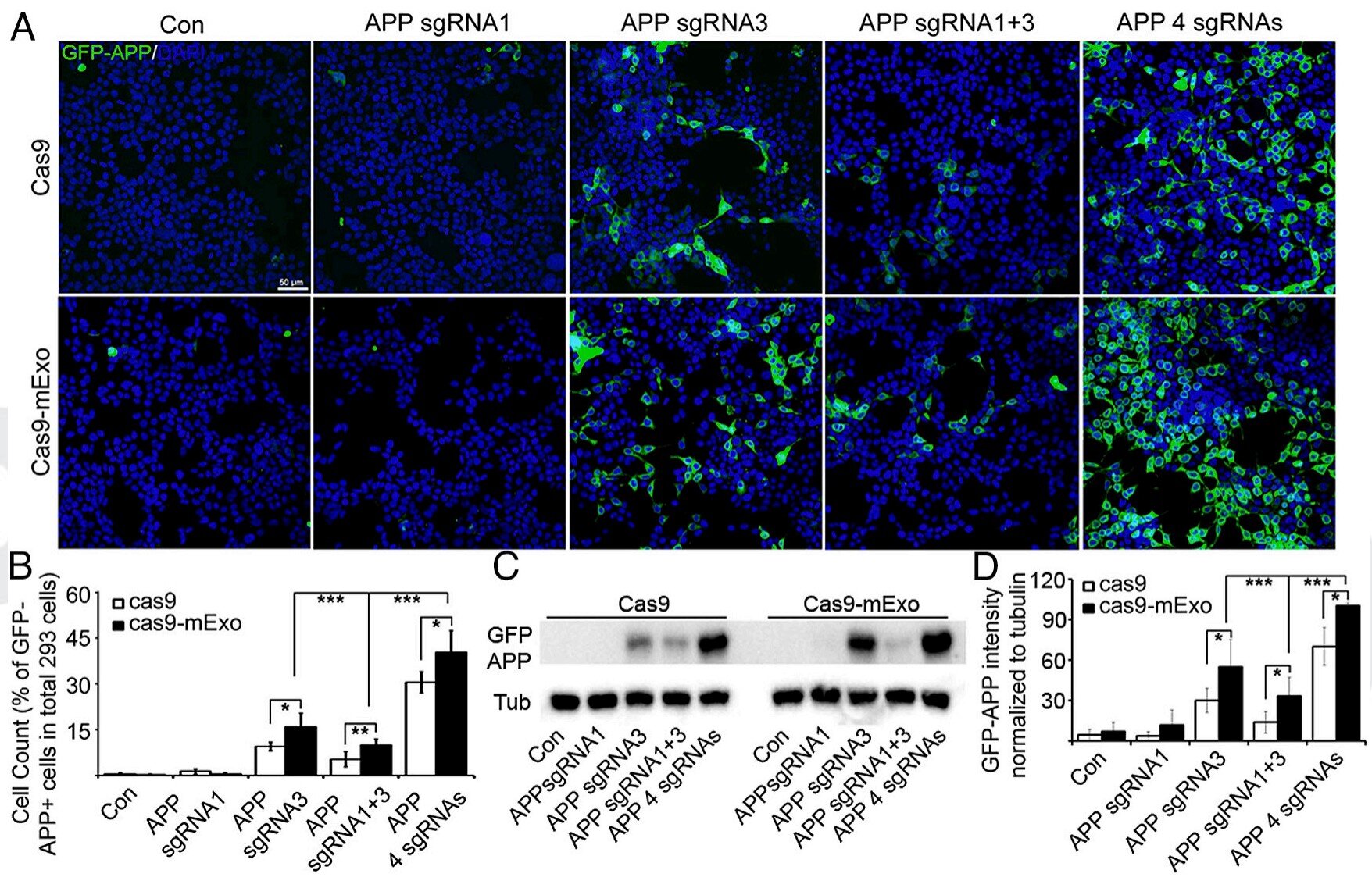
To test this, they worked in the lab with human stem cells containing an extra chromosome 21. Over several experiments, they found their modified CRISPR approach could successfully paste the long XIST gene into the right location.
Their results were striking. As they wrote, their method improved the integration efficiency to 20 to 40%, even though XIST is extremely large at 14 kb.
It was not perfect. But it was real.
A Breakthrough That Still Has Miles to Go
The scientists did not claim victory. Their approach did not silence the extra chromosome in most cells. Yet even partial success matters, because it suggests something that once seemed nearly impossible: that one specific chromosome copy can be targeted without widespread harm to others.
That is the heart of the breakthrough.
The researchers described it as a path forward, writing that the modified CRISPR method with XIST “paves a road” toward therapies for DS and other aneuploidies, conditions caused by abnormal numbers of chromosomes.
But before that road leads anywhere, the team acknowledges major work remains. Future studies must confirm the changes do not cause off-target effects. Researchers will also need animal models to test whether silencing the extra chromosome could improve physical and cognitive health.
Why This Research Matters
This work matters because it represents a shift in what gene therapy might be able to do. Instead of fighting genetic disorders one gene at a time, it hints at a future where scientists could control entire chromosomes—quieting harmful extra genetic material at its source.
For Down syndrome, a condition rooted in a full extra chromosome, that idea is not just innovative. It may be essential.
And even though this is only a beginning, beginnings are powerful. This one suggests that, someday, the extra chromosome behind Down syndrome might not need to be removed or destroyed—only gently silenced.
Study Details
Gewei Lian et al, A modified CRISPR/Cas9 approach in silencing the triplication in Down syndrome: A treatment path XISTs, Proceedings of the National Academy of Sciences (2026). DOI: 10.1073/pnas.2517953123