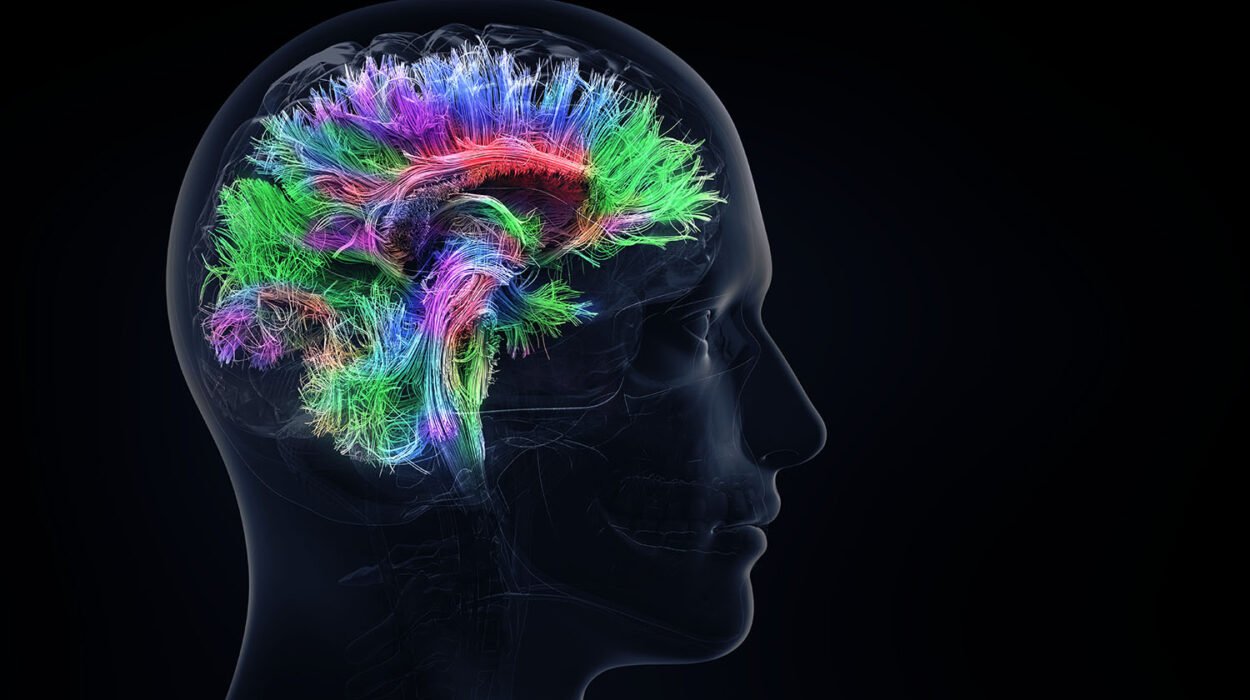
For much of scientific history, the human brain was imagined as a finished structure, largely complete by early adulthood and destined to decline thereafter. This view was comforting in its simplicity but profoundly mistaken. Over the past several decades, neuroscience has revealed a far more hopeful and dynamic reality. The adult brain is not a static organ but a living, changing system, capable of reorganizing itself, forming new connections, and, in specific regions, generating new neurons. This remarkable capacity is known as neuroplasticity.
Neuroplasticity refers to the brain’s ability to change its structure and function in response to experience, learning, environment, and injury. It operates at multiple levels, from molecular changes within individual neurons to large-scale reorganization of entire neural networks. Through neuroplastic processes, the brain adapts continuously, sculpted by how we think, move, feel, and interact with the world. This adaptability is not a rare or exceptional phenomenon; it is a fundamental property of nervous systems.
Closely linked to neuroplasticity is the concept of neurogenesis, the birth of new neurons. For much of the twentieth century, it was assumed that humans are born with all the neurons they will ever have. This belief was overturned by careful experimental work demonstrating that new neurons can be generated in the adult brain, particularly in the hippocampus, a region essential for learning, memory, and emotional regulation. Although the extent and functional significance of adult neurogenesis continue to be studied and debated, there is strong evidence that new neurons do arise and integrate into existing circuits under the right conditions.
Understanding how neuroplasticity and neurogenesis work is not merely an academic exercise. These processes shape how skills are acquired, how habits form, how recovery occurs after brain injury, and how mental health is maintained or lost. They also offer a powerful message: the brain is responsive to how we live. Certain behaviors and experiences can measurably influence brain structure and function, promoting resilience, learning, and cognitive vitality.
How New Brain Cells Are Born and Integrated
To appreciate how specific experiences can encourage the growth of new brain cells, it is essential to understand the biological foundations of neurogenesis. In the adult human brain, neurogenesis occurs primarily in a region of the hippocampus called the dentate gyrus. Within this area reside neural stem cells, capable of dividing and differentiating into neurons or supporting glial cells. When conditions are favorable, some of these stem cells commit to a neuronal fate, mature, and gradually integrate into existing neural circuits.
This process is tightly regulated. Many newborn neurons do not survive; they undergo programmed cell death unless they are recruited into functional networks. Survival depends on activity, stimulation, and chemical signals in the brain. Neurotransmitters, growth factors such as brain-derived neurotrophic factor, and hormones all influence whether new neurons persist and contribute meaningfully to cognition and emotion.
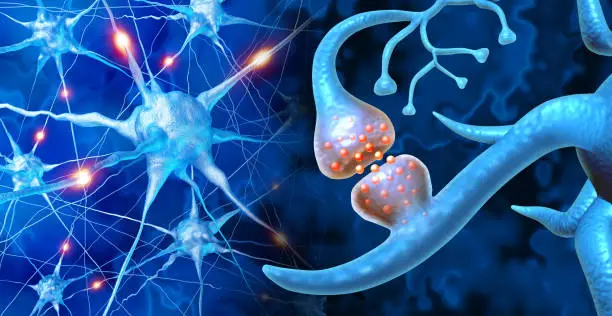
Neuroplasticity extends beyond the birth of new neurons. Synaptic plasticity, the strengthening or weakening of connections between existing neurons, plays a central role in learning and memory. Structural plasticity involves changes in the shape and number of dendrites and synapses, altering how information flows through neural circuits. Functional plasticity allows different brain regions to assume new roles when others are damaged or underused.
Importantly, neurogenesis and plasticity are not guaranteed processes that unfold automatically. They are sensitive to lifestyle, environment, and internal states. Chronic stress, inflammation, sleep deprivation, and social isolation can suppress neurogenesis and impair plasticity. Conversely, certain experiences have been shown to enhance these processes, creating a biological foundation for cognitive growth and emotional well-being.
Physical Exercise and the Active Brain
Among the most robustly supported influences on neuroplasticity and neurogenesis is physical exercise. Aerobic activity, in particular, has been repeatedly shown to stimulate the production of new neurons in the hippocampus and to enhance synaptic plasticity across the brain. This effect has been demonstrated in animal models and supported by human studies linking regular physical activity to improved memory, attention, and mood.
Exercise influences the brain through multiple biological pathways. One of the most important involves increased levels of brain-derived neurotrophic factor, often described as a growth-promoting molecule for neurons. This factor supports the survival of existing neurons, encourages the growth and differentiation of new neurons, and strengthens synaptic connections. Physical activity also improves cerebral blood flow, ensuring that brain tissue receives sufficient oxygen and nutrients to support metabolic demands.
The relationship between movement and the brain is deeply rooted in evolution. For much of human history, survival required sustained physical activity, from foraging and hunting to migration. The brain evolved in the context of movement, and modern neuroscience suggests that physical inactivity deprives it of a key source of stimulation. When the body moves, the brain is not merely controlling muscles; it is adapting, reorganizing, and renewing itself.
Beyond neurogenesis, exercise has profound effects on emotional regulation. By modulating neurotransmitter systems and stress hormones, physical activity reduces anxiety and depressive symptoms, conditions associated with reduced hippocampal volume and impaired plasticity. In this sense, exercise acts not only as a cognitive enhancer but as a protective factor against mental decline.
The scientific evidence supports a view of exercise as a form of brain nourishment. Regular movement creates a biochemical environment that favors neural growth and flexibility, demonstrating that the path to a healthier brain often begins with the body.
Learning, Novelty, and Cognitive Challenge
The brain is exquisitely sensitive to experience, particularly experiences that demand learning and adaptation. Exposure to novel environments, complex tasks, and sustained cognitive challenges has been shown to enhance neuroplasticity and support the survival of newly generated neurons. Learning does not merely use the brain; it reshapes it.
When an individual engages in learning, whether acquiring a new language, mastering a musical instrument, or grappling with unfamiliar concepts, specific neural circuits are repeatedly activated. This activity strengthens synaptic connections through mechanisms such as long-term potentiation, a cellular process widely regarded as a foundation of learning and memory. In the hippocampus, learning-related activity increases the likelihood that newborn neurons will be integrated into functional networks.
Animal studies have demonstrated that enriched environments, characterized by sensory, social, and cognitive stimulation, lead to increased neurogenesis and more complex dendritic structures. Human neuroimaging studies complement these findings, showing that learning-intensive activities are associated with changes in gray matter density and connectivity. These structural changes reflect the brain’s capacity to reorganize itself in response to demand.
Crucially, not all mental activity exerts the same influence on plasticity. Passive repetition of well-learned tasks has limited impact compared to activities that challenge existing skills and require effortful adaptation. The brain appears to grow most when it is pushed slightly beyond its comfort zone, forced to revise predictions and form new strategies.
This insight carries important implications for education and lifelong learning. Cognitive growth does not cease in adulthood; it remains possible whenever the brain is exposed to meaningful challenge. Neuroplasticity ensures that intellectual curiosity and mental effort continue to shape the brain across the lifespan, reinforcing the idea that learning is both a cause and a consequence of neural vitality.
Sleep and the Architecture of Brain Renewal
Sleep is often treated as a passive state, a temporary suspension of waking life. Neuroscience reveals a very different picture. Sleep is an active and essential process during which the brain reorganizes, consolidates memories, clears metabolic waste, and regulates neuroplasticity. Without sufficient sleep, the brain’s capacity to adapt and regenerate is significantly impaired.
During sleep, particularly during slow-wave and rapid eye movement phases, patterns of neural activity associated with recent learning are replayed. This replay strengthens synaptic connections, stabilizing memories and integrating new information with existing knowledge. Sleep thus acts as a critical bridge between experience and lasting neural change.
Research also suggests that sleep influences neurogenesis in the hippocampus. Chronic sleep deprivation has been associated with reduced proliferation of neural precursor cells and decreased survival of new neurons in animal models. Conversely, adequate and regular sleep supports the chemical environment necessary for neuronal growth, including the regulation of stress hormones that can otherwise suppress neurogenesis.
Sleep’s role in brain health extends beyond memory. It supports emotional regulation, attention, and decision-making, all functions linked to plastic neural networks. The accumulation of sleep debt disrupts these networks, leading to cognitive rigidity and emotional volatility. Over time, insufficient sleep may contribute to structural brain changes associated with impaired plasticity.
From a scientific perspective, sleep is not optional maintenance but a central pillar of brain renewal. It provides the conditions under which neuroplastic processes can unfold effectively, allowing the brain to refine itself in response to daily experience. Protecting sleep, therefore, is an investment in the brain’s capacity to grow and adapt.
Stress Regulation and the Chemistry of Growth
Stress is an unavoidable aspect of life, and short-term stress responses can be adaptive, mobilizing energy and attention. Chronic stress, however, exerts a very different influence on the brain. Prolonged elevation of stress hormones, particularly glucocorticoids, has been shown to impair neuroplasticity and suppress neurogenesis in the hippocampus.
The hippocampus is especially sensitive to stress because it contains a high density of receptors for stress hormones. When these hormones remain elevated over long periods, they can reduce the proliferation of neural stem cells, inhibit the survival of new neurons, and weaken synaptic connections. Structural imaging studies in humans have linked chronic stress and mood disorders to reduced hippocampal volume, highlighting the biological cost of sustained psychological strain.
Effective stress regulation can reverse or mitigate these effects. Practices that reduce physiological stress responses help restore a chemical environment conducive to neural growth. These effects are mediated through reductions in cortisol levels, improvements in inflammatory balance, and increased availability of growth-promoting factors.
Importantly, stress regulation is not merely about eliminating stress, which is neither possible nor desirable. It is about fostering resilience, the ability to recover efficiently from challenges. Neuroplasticity underlies resilience itself, allowing neural circuits involved in emotion and cognition to adapt rather than degrade under pressure.
Scientific evidence supports the idea that a brain protected from chronic stress is better able to grow, learn, and regenerate. By shaping internal chemistry, stress regulation creates space for neurogenesis and plastic reorganization to proceed.
Social Connection and the Social Brain
Humans are inherently social beings, and the brain reflects this evolutionary reality. Social interaction engages a wide network of brain regions involved in emotion, language, memory, and reward. Increasingly, neuroscience recognizes social connection as a powerful modulator of neuroplasticity and brain health.
Studies in social neuroscience and animal research demonstrate that social enrichment enhances neurogenesis and synaptic complexity, particularly in the hippocampus and prefrontal cortex. Conversely, social isolation and loneliness are associated with reduced neurogenesis, impaired plasticity, and increased vulnerability to stress-related disorders.
Social interaction stimulates the brain through emotional engagement, cognitive demand, and sensory input. Conversations require attention, memory, prediction, and interpretation of subtle cues, all of which activate plastic neural networks. Emotional bonds also influence neurochemical systems, including those involving oxytocin and dopamine, which interact with growth-related pathways in the brain.
The protective effects of social connection extend across the lifespan. In older adults, social engagement has been linked to preserved cognitive function and reduced risk of neurodegenerative decline. These associations suggest that the social environment is not merely a backdrop for brain function but an active ingredient in neural maintenance and growth.
From a neurobiological perspective, relationships are not optional luxuries. They are integral to the conditions under which the brain evolved and continues to function optimally. By fostering connection, the brain is continually stimulated to adapt, reinforcing circuits that support learning, empathy, and emotional balance.
Neuroplasticity Across the Lifespan
A common misconception is that neuroplasticity is limited to childhood, when the brain is rapidly developing. While it is true that plasticity is especially pronounced during early life, it does not disappear with age. Instead, it changes in form and expression, remaining a lifelong property of the nervous system.
In childhood, plasticity supports rapid learning and adaptation, allowing the brain to be shaped by language, culture, and experience. In adulthood, plasticity becomes more selective, often requiring sustained effort or motivation to drive change. Nevertheless, adult brains retain the capacity to reorganize, form new connections, and generate new neurons in response to appropriate stimuli.
Aging introduces additional challenges, including increased inflammation, reduced growth factor availability, and cumulative stress. These factors can dampen plasticity, but they do not eliminate it. Research indicates that lifestyle factors, including physical activity, cognitive engagement, sleep quality, stress management, and social connection, continue to influence brain structure and function well into later life.
This understanding reframes aging not as an inevitable descent into rigidity, but as a dynamic process shaped by interaction between biology and experience. Neuroplasticity offers a scientific basis for cognitive resilience, suggesting that the trajectory of brain aging is, at least in part, modifiable.
The Limits and Nuances of Growing New Brain Cells
While the idea of growing new brain cells is inspiring, scientific accuracy requires careful nuance. Adult neurogenesis is real, but it is not unlimited, nor does it occur uniformly across the brain. The majority of neurons are generated before birth, and many brain regions rely primarily on synaptic plasticity rather than new neuron formation for adaptation.
Furthermore, neurogenesis alone does not guarantee improved cognition or emotional health. New neurons must survive, integrate, and function appropriately within existing networks. This integration depends on meaningful activity and stimulation. A brain environment rich in growth signals but poor in functional demand may still fail to translate neurogenesis into practical benefit.
Ongoing scientific debate continues regarding the extent of adult neurogenesis in humans, particularly in older age. Some studies suggest a decline with aging, while others report persistence under certain conditions. These discrepancies reflect methodological challenges and underscore the complexity of studying the human brain.
What remains clear is that neuroplasticity, encompassing both synaptic change and neurogenesis, is a central feature of brain function. The emphasis, therefore, should not rest solely on producing new neurons, but on cultivating the conditions under which the brain as a whole can adapt effectively.
A Brain Shaped by How We Live
Neuroplasticity reveals a profound truth: the brain is shaped by experience. Every movement, thought, interaction, and period of rest leaves a biological trace, subtly altering neural circuits. Over time, these traces accumulate, influencing who we become and how we respond to the world.
The scientifically supported pathways that encourage neurogenesis and plasticity are not exotic interventions but fundamental aspects of human life. Movement, learning, sleep, emotional regulation, and social connection are woven into our biology. When these elements are nurtured, the brain responds by strengthening its capacity for growth and adaptation.
This perspective bridges neuroscience and lived experience. It suggests that caring for the brain is not a matter of isolated techniques, but of integrated living. The brain does not grow in isolation from the body, the mind, or society. It grows within them.
Neuroplasticity as Scientific Hope
In a scientific sense, neuroplasticity represents hope grounded in evidence. It does not promise limitless transformation or immunity from disease, but it demonstrates that change remains possible throughout life. The brain is neither fixed nor fragile in the simplistic sense; it is responsive, resilient, and continuously evolving.
This understanding reshapes how we think about learning, mental health, recovery from injury, and aging. It encourages a shift from fatalism to responsibility, not in a moral sense, but in a biological one. The choices and environments that shape daily life participate in shaping the brain itself.
Neuroplasticity does not deny the constraints of genetics or biology. Instead, it reveals the dynamic interplay between inherited structure and lived experience. Within this interplay lies the capacity for growth, adaptation, and renewal.
To understand neuroplasticity is to recognize that the brain is a story still being written. With each experience, it revises itself, creating new pathways, refining old ones, and, under the right conditions, giving birth to new cells that carry experience forward. In this ongoing process, science finds not only explanation, but meaning.