Archaeologists have found evidence that Indigenous communities in the Texas Panhandle repeatedly drove bison over a cliff to hunt them, returning to the same location for at least 3,000 years. The discovery challenges long-held assumptions that this large-scale, coordinated hunting technique was largely confined to the northern Great Plains.
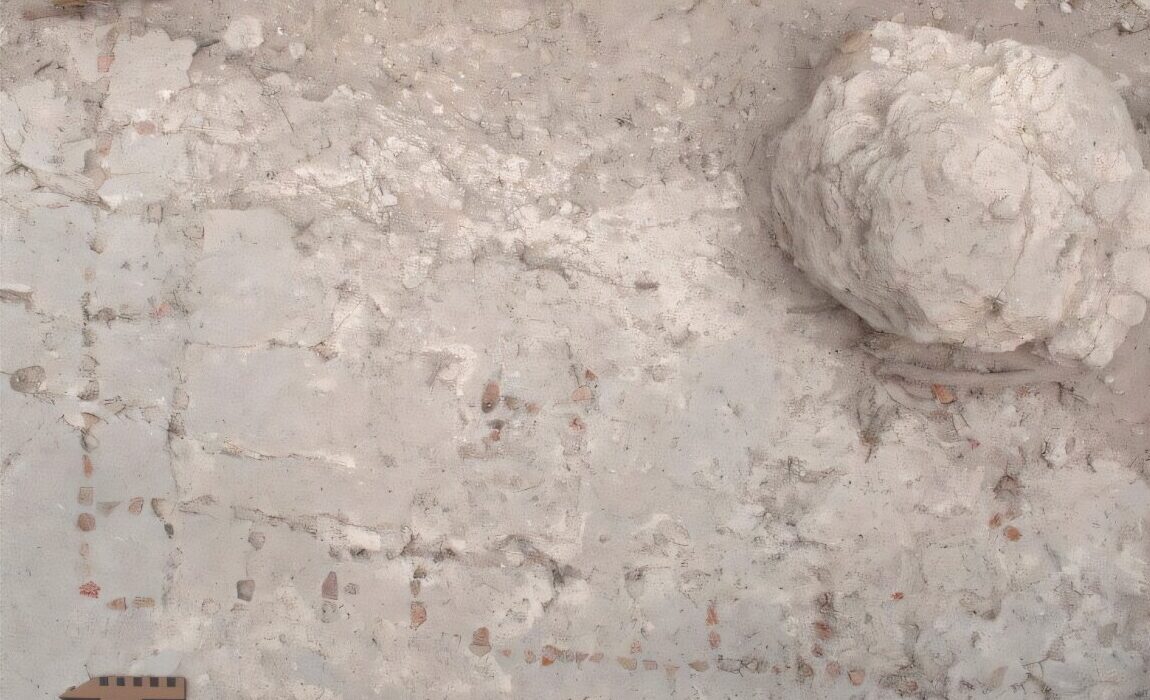
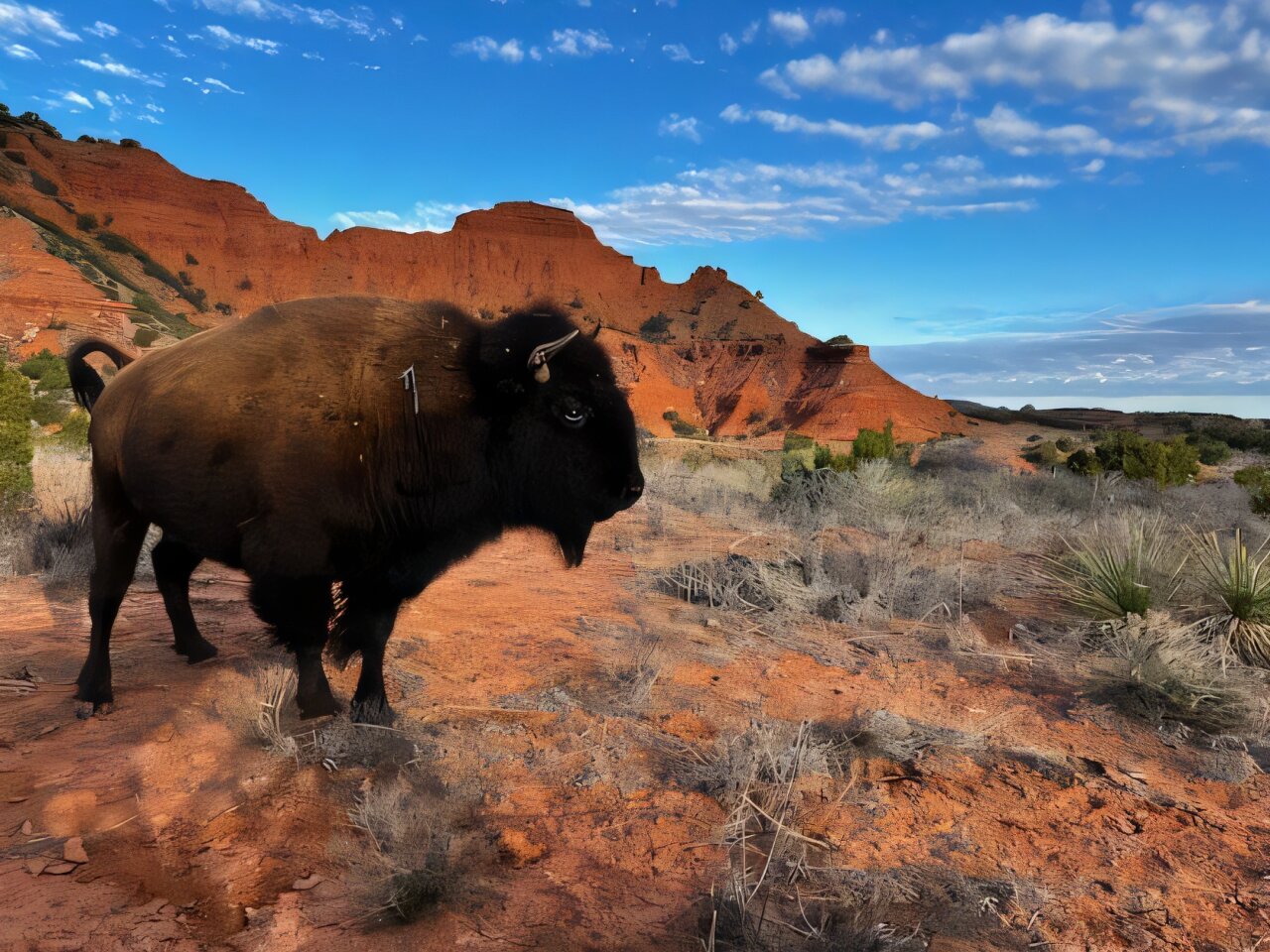
The evidence comes from the Nighthawk site in Caprock Canyons State Park, where researchers identified remains from at least seven separate bison-hunting events. The findings establish the site as only the second scientifically verified bison jump in Texas and suggest that Indigenous communities in the Southern Plains developed hunting practices that archaeologists have not fully recognized.
Bison jumping was far more involved than simply chasing animals toward a cliff. Hunters had to coordinate the movement of large herds, guide them toward a suitable location and direct them over the edge. Animals that survived the fall or were left incapacitated could then be killed and processed for their meat, hides and other useful materials.
Such operations required cooperation among substantial groups of people, making them an important part of community life as well as a means of obtaining food.
“Bison jumping is exciting because it’s a community activity,” Costa said. “Large-scale bison harvests (like jumps) are exciting because they require a large group of people working together to be successful.”
August “Gus” Costa, an adjunct lecturer of anthropology at Rice University, led the research.
Seven hunting events across three millennia
The Nighthawk site initially appeared to contain evidence of just two hunting events. Archaeologists based that early assessment on the stone spear and arrow points found there.
But radiocarbon dating of bison bones revealed a much longer history. Researchers identified evidence of at least seven distinct hunting events spread across approximately 3,000 years.
That extended timeline suggests successive generations returned to the same hunting ground even as their societies and surroundings changed.
Over those millennia, Indigenous communities experienced major technological and cultural shifts, including the transition from stone-tipped spears to bows and arrows and the introduction of pottery. The surrounding landscape also changed considerably.
Erosion gradually reshaped the site, moving the cliff’s jump-off point by approximately the length of a football field. Despite that transformation, hunters continued using the location.
“Returning to the same place over and over again over 3,000 years shows that people had a significant connection to the Nighthawk hunting facility,” Costa said.
The repeated use of the site raises questions about how knowledge of the hunting ground was passed between generations and how hunters adjusted their methods as the landscape evolved. The research establishes the long history of hunting there, although it does not explain precisely how those adaptations happened.
A different kind of bison jump
Nighthawk also presents an unusual challenge to researchers trying to understand how ancient hunters controlled large herds.
At many northern Great Plains bison-jump sites, the terrain may have helped conceal the cliff edge from approaching animals. Nighthawk, however, sits on a projecting cliff, meaning bison likely could see the drop ahead.
How hunters persuaded the animals to keep moving toward the edge remains uncertain.
“We don’t know exactly how they managed herding the bison, but the setting is different from the typical northern Plains jump,” Costa said.
Researchers believe these hunts involved specialized teams performing different tasks. Some people likely located herds and guided them toward grazing areas near the cliffs. Others may have waited in hiding before emerging to direct the animals toward the drop.
Additional groups would have dealt with injured bison and processed the animals after the hunt.
Costa also suggests that these large-scale gatherings may have served purposes beyond food production. They could have brought different communities together for ceremonies, trade and celebrations, while helping strengthen social relationships.
The archaeological evidence supports the scale and repeated nature of the hunting activity, but the precise social and ceremonial roles of individual hunts remain uncertain.
Why Southern Plains hunting sites may have been overlooked
For decades, the limited number of documented bison jumps in the Southern Plains contributed to doubts about whether Indigenous communities in the region practiced this form of hunting.
Before Nighthawk, Bonfire Shelter, identified more than 60 years ago, was the only scientifically verified bison jump in Texas.
Costa and his colleagues have since identified eight additional potential bison-jump sites in and around Caprock Canyons. These locations have not all been scientifically confirmed, but they suggest that cliff-based hunting may have been more widespread than the archaeological record previously indicated.
One reason for the shortage of documented sites may be where archaeologists have traditionally looked for evidence of ancient human activity.
Steep slopes beneath cliffs are unlikely places for people to establish camps, so archaeological investigations have often focused elsewhere. Researchers searching for evidence of daily life typically examine locations where people lived and left behind tools and other artifacts.
That approach may have overlooked hunting grounds situated directly below cliffs. Erosion and difficulties accessing privately owned land have also made it harder to investigate potential sites.
“The jump was hidden in plain sight,” Costa said.
The discovery highlights how the locations archaeologists choose to investigate can influence what they understand about ancient societies. A lack of documented evidence does not necessarily mean a particular technology or practice was absent.
Investigating the history of Southern Plains bison hunting
With fieldwork at Nighthawk complete, Costa and his colleagues are looking for additional bison-jump sites across the Southern Plains.
They are also studying ancient bison DNA and the chemical composition of bones and teeth. These analyses could help researchers understand where ancient herds traveled, the environmental conditions in which they lived and how they may be related to bison currently living in Caprock Canyons State Park.
For Costa, the findings also address a longstanding imbalance in how Indigenous hunting traditions have been understood and documented.
“For a long time when it comes to Indigenous bison hunting culture, the Southern Plains hasn’t received much respect, at least when compared to the north,” Costa said.
He argues that the archaeological record can give an incomplete account of what ancient communities knew and were capable of accomplishing. When evidence does not survive or has not yet been discovered, researchers risk mistaking gaps in the record for limitations in the people themselves.
“It’s about respect,” Costa said. “Bison jumping is a complicated community effort, and getting that incorporated into the story of Southern Plains people is important.”
The research was published in the journal American Antiquity.