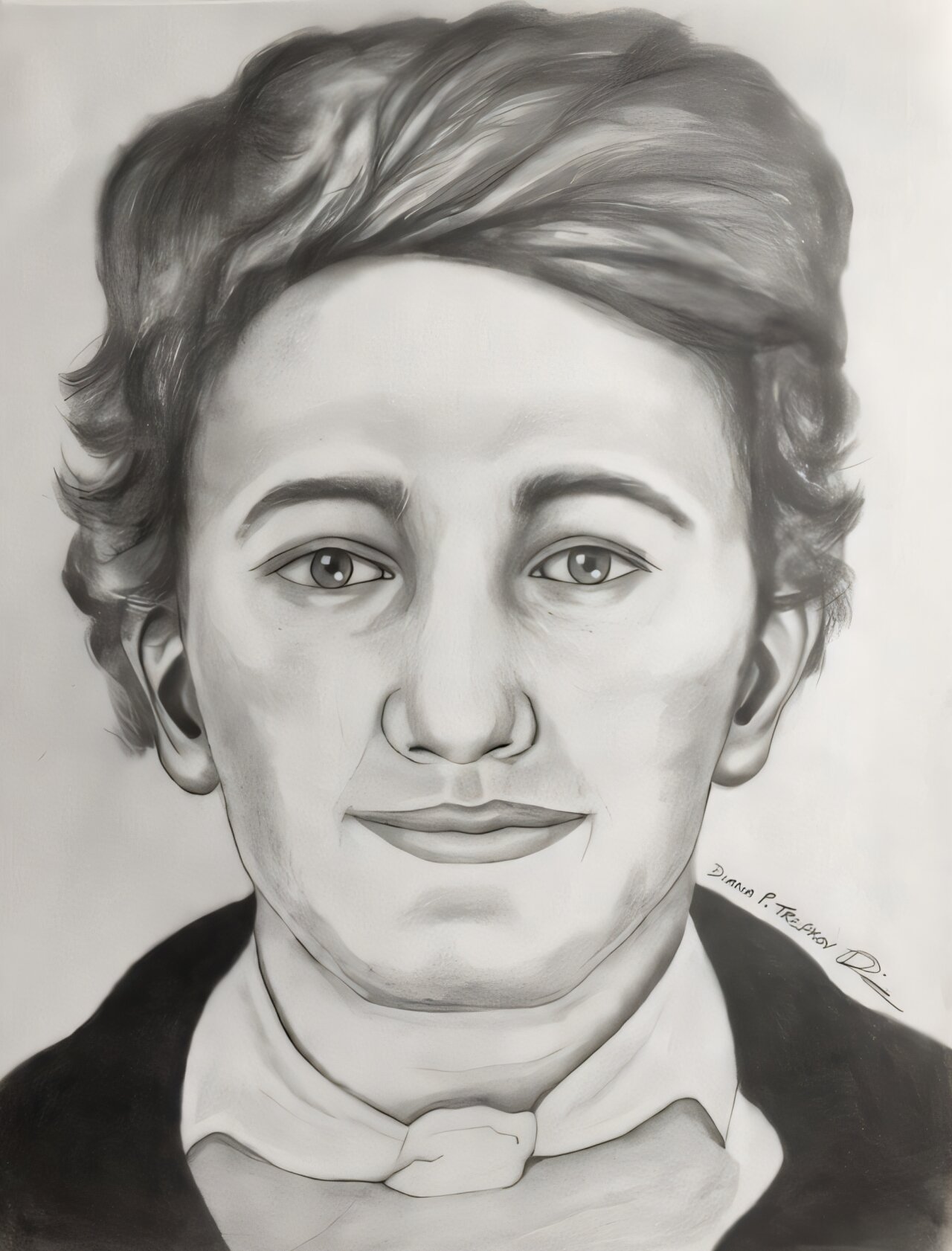
Researchers at the University of Waterloo have identified four additional sailors from Sir John Franklin’s ill-fated 1845 Arctic expedition by matching DNA from skeletal remains to living descendants. The results bring the total number of confirmed identifications from the expedition to six, including one sailor whose identity had been debated for more than a century.
The Franklin expedition has been studied, argued over, and searched for since the 1800s—but new DNA evidence is now answering questions that historical records and recovered artifacts could not settle.
A Final Escape Attempt That Ended in Death
In April 1848, the situation for Franklin’s crew had become desperate. After the ships Erebus and Terror were trapped in Arctic ice for nearly two years, 105 surviving crew members made a last attempt to save themselves.
They set out on foot across the ice, hauling boats on sleds as they moved along the west coast of King William Island, Nunavut. It was an extraordinary effort, but it ended in tragedy. Every one of the 105 died during the escape attempt.
Since the mid-19th century, human remains connected to the expedition have been discovered on King William Island and the nearby Adelaide Peninsula. But despite decades of recovery work, identifying specific individuals has remained extremely difficult—until now.
DNA Confirms Four More Names From the Lost Expedition
Anthropologists from the Faculty of Arts at the University of Waterloo led the new work, using DNA extracted from skeletal remains and comparing it to DNA donated by living descendants.
The research confirmed the identities of four Franklin expedition members:
William Orren, Able Seaman
David Young, Boy 1st Class
John Bridgens, Subordinate Officers’ Steward
Harry Peglar, Captain of the Foretop on HMS Terror
With these new identifications, the number of Franklin expedition sailors definitively identified through DNA evidence has now reached six.
According to the researchers, the discoveries provide a clearer picture of what happened during the expedition’s final phase and confirm that these men survived the first years of the mission before dying during the escape.
Three Sailors From Erebus Found at Erebus Bay
Dr. Douglas Stenton, Adjunct Assistant Professor of anthropology at Waterloo, explained that three of the newly identified sailors were crew members of HMS Erebus, and their remains were all recovered from the same location.
“Three of the sailors we have identified are from HMS Erebus, and they all died at Erebus Bay,” Stenton said.
That geographic detail matters because it anchors the men’s final moments to a known site along the escape route. It also strengthens the evidence that they were part of the group that attempted to walk out after the ships were abandoned.
One Sailor From Terror Found Far Away
The fourth identification stood out sharply from the others.
“The fourth, the only sailor from the HMS Terror to be definitively identified by DNA analysis, was found 130 kilometers away,” Stenton said.
That sailor was Harry Peglar, Captain of the Foretop on HMS Terror.
His identification does more than add another name to the list—it resolves one of the Franklin expedition’s most persistent mysteries.
The Peglar Papers Mystery Finally Resolved
Peglar’s identity has been debated since 1859, when a body was discovered carrying his personal documents. The confusion came from one striking detail: the clothing worn by the body did not match Peglar’s rank.
For more than a century, that mismatch raised doubts about whether the remains were truly his, or whether someone else had taken his papers.
Now, DNA evidence has provided a definitive answer.
“It was interesting to conclusively identify this sailor because the body was found with almost the only written documents from the expedition ever found,” said Dr. Robert Park, Professor of anthropology at Waterloo and co-researcher with Stenton.
Those documents, often called the “Peglar Papers,” included Peglar’s seaman’s certificate, along with poetry and apparent descriptions of expedition events. Their survival has made them one of the most significant written sources ever recovered from the Franklin expedition.
With Peglar’s identification confirmed, the papers can now be linked with confidence to the person who carried them—closing a 166-year-old historical question.
Earlier DNA Matches Revealed More Grim Details
The four new identifications follow earlier breakthroughs by the same research team.
In 2021, researchers used DNA from a descendant to identify John Gregory, an Engineer aboard HMS Erebus.
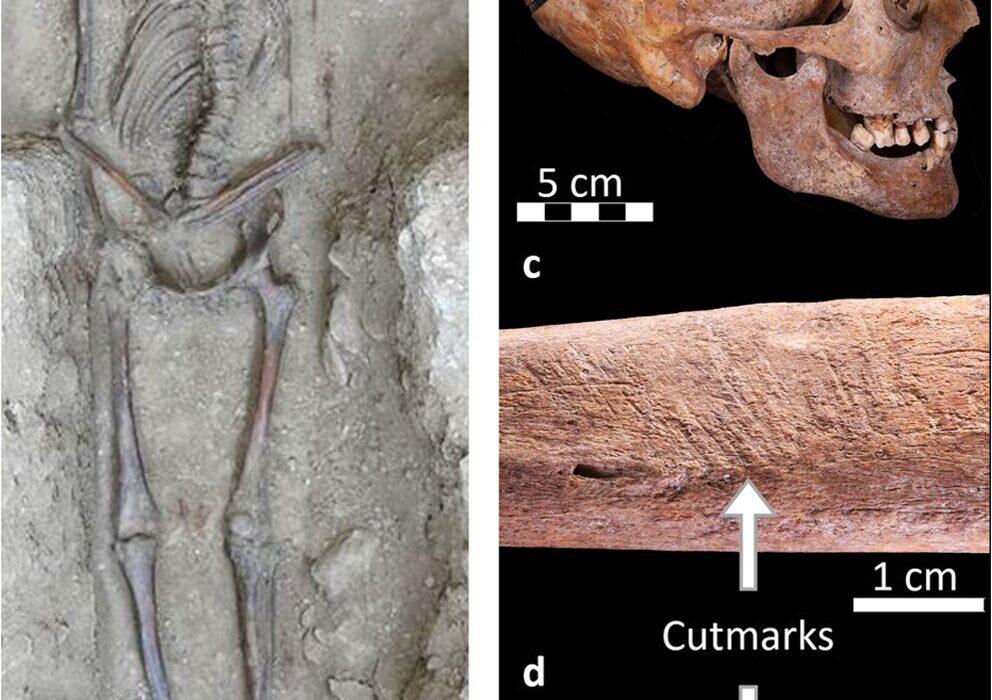
In 2024, another DNA match confirmed the identity of James Fitzjames, Captain of Erebus. Fitzjames’ remains showed evidence of cannibalism, a finding that added a disturbing layer to the expedition’s final collapse.
However, the remains of the four newly identified sailors show no evidence of cannibalism, according to the researchers.
Together, these identifications show how DNA science is gradually transforming the Franklin expedition from a historical tragedy into a more traceable human story—one name and one set of remains at a time.
Living Descendants Help Connect the Past to the Present
The research did not rely on historical guesswork alone. It depended on DNA donated by living descendants who could prove a direct lineage connection.
For the families involved, the results can provide long-missing closure.
“For the living descendants, these findings provide previously unavailable details regarding the circumstances and locations of their relatives’ deaths, as well as the identities of some of the shipmates who died with them,” Stenton said.
One particularly striking connection emerged during the research: Rich Preston, a BBC News journalist, was identified as a descendant of John Bridgens.
“I was so intrigued when Dr. Stenton first contacted me telling me about his work and asking if I’d be willing to provide a DNA sample,” Preston said.
“It was such a huge surprise to hear from the team that my DNA was a match with one of the sailors on the doomed Franklin expedition.”
Preston, who previously worked on a BBC genealogy show, said the discovery made the Franklin expedition feel personal in a way he never expected.
How Researchers Made the DNA Matches
To confirm the identities, study co-author Stephen Fratpietro of Lakehead University extracted DNA from archaeological remains and compared it with both mitochondrial DNA and Y-chromosome DNA from descendants.
In all four cases, the genetic comparison produced a match with a genetic distance of zero, meaning the DNA evidence strongly supports a shared common ancestor.
The team emphasized that identifying eligible descendants requires genealogical documentation showing an unbroken maternal or paternal line.
They are encouraging other descendants of Franklin expedition members to contact them, since each new DNA sample could help solve more unknown identities.
Where the Findings Were Published
The results appear in two scientific papers.
One paper, titled “DNA identifications of three 1845 Franklin expedition sailors from HMS Erebus,” was published in the Journal of Archaeological Science: Reports.
The second paper, titled “Some very hard ground to heave’: DNA identification of Harry Peglar, Captain of the Foretop, HMS Terror,” will appear in Polar Record.
Why This Matters
The Franklin expedition has long been treated as a legendary historical disaster, but legends often blur the truth. These DNA identifications replace uncertainty with evidence—pinpointing who died, where they died, and confirming that these men survived deep into the expedition before perishing during the final escape attempt.
Just as importantly, the work shows how modern genetic methods can restore identity to remains that have been anonymous for generations. For descendants, it turns a distant historical tragedy into a documented family story. For researchers, it adds real detail to the final movements of the expedition, building a clearer picture of what happened in the Arctic as survival collapsed.
In a mystery that has lasted nearly two centuries, DNA is now doing what journals, artifacts, and speculation could not: giving lost sailors their names back.