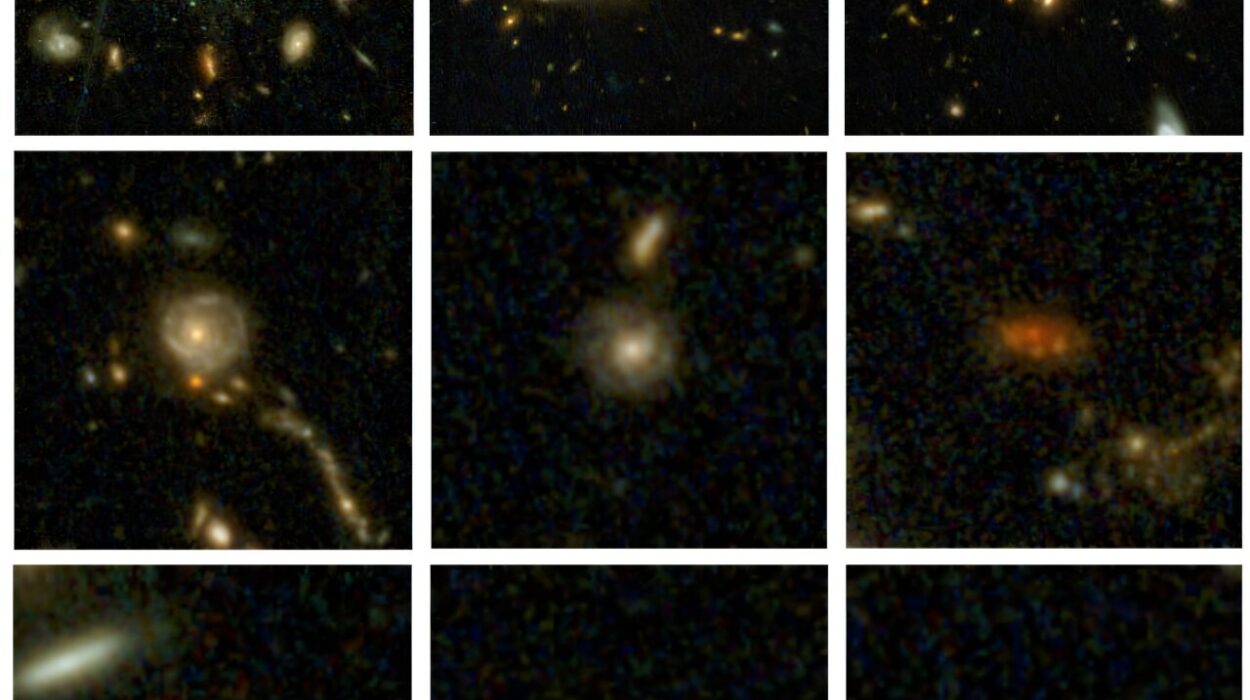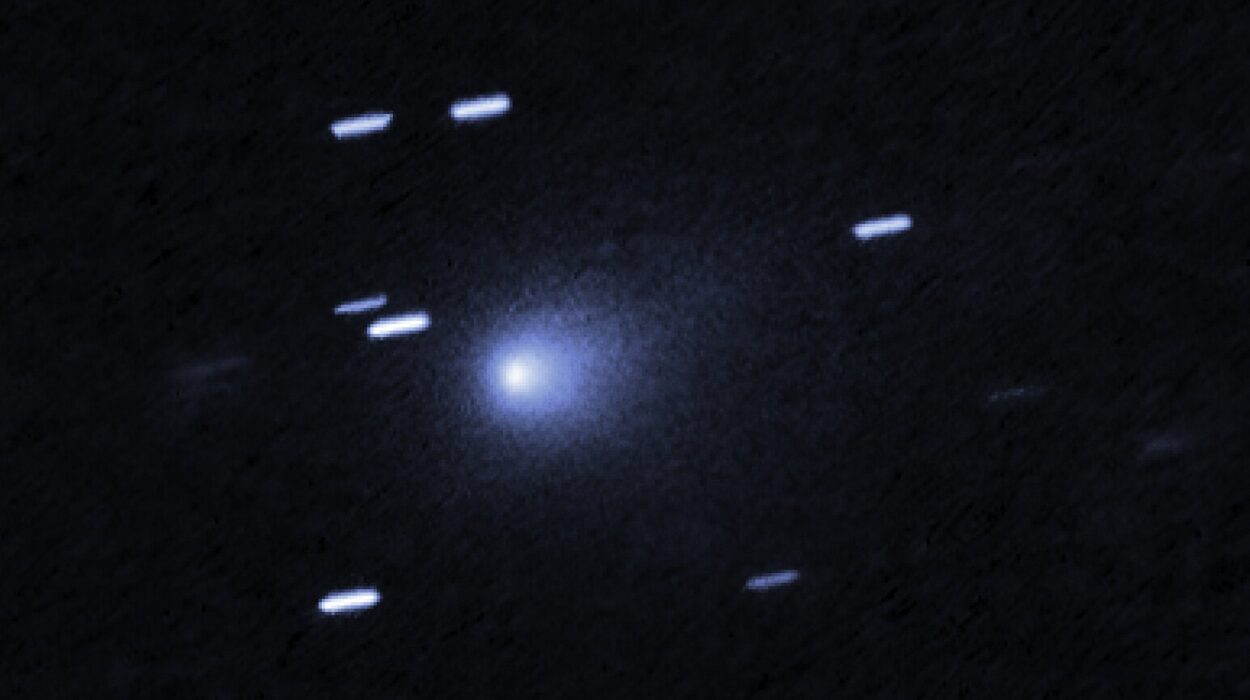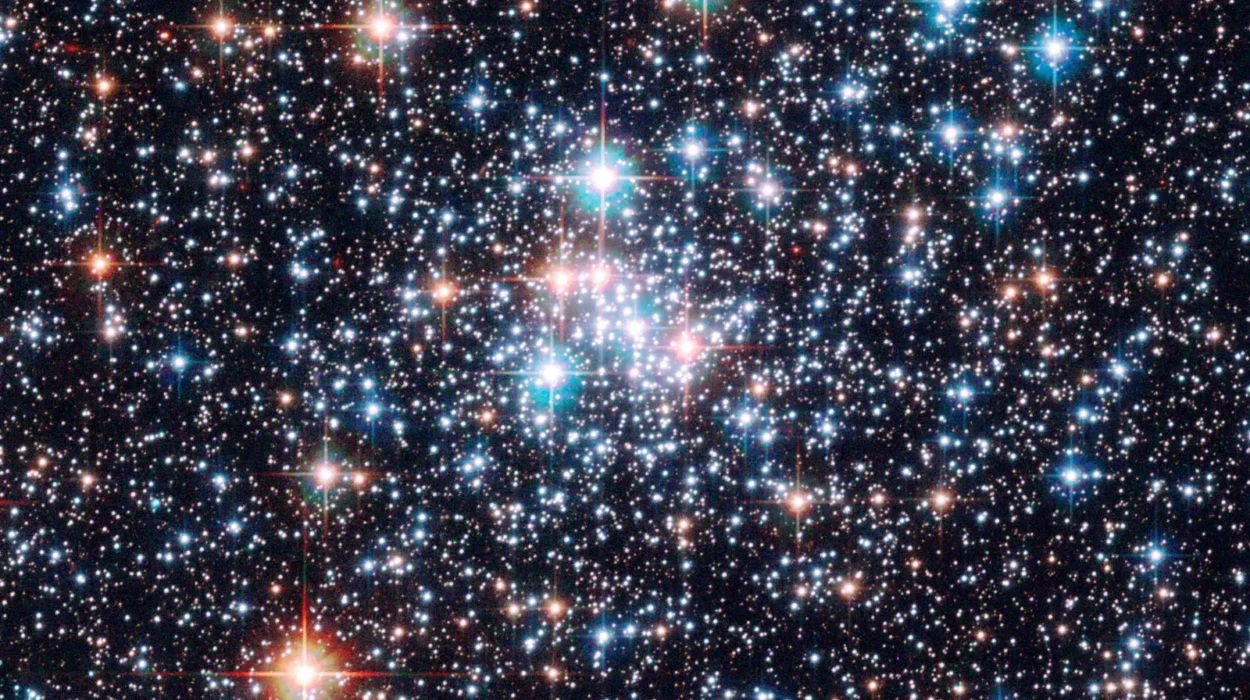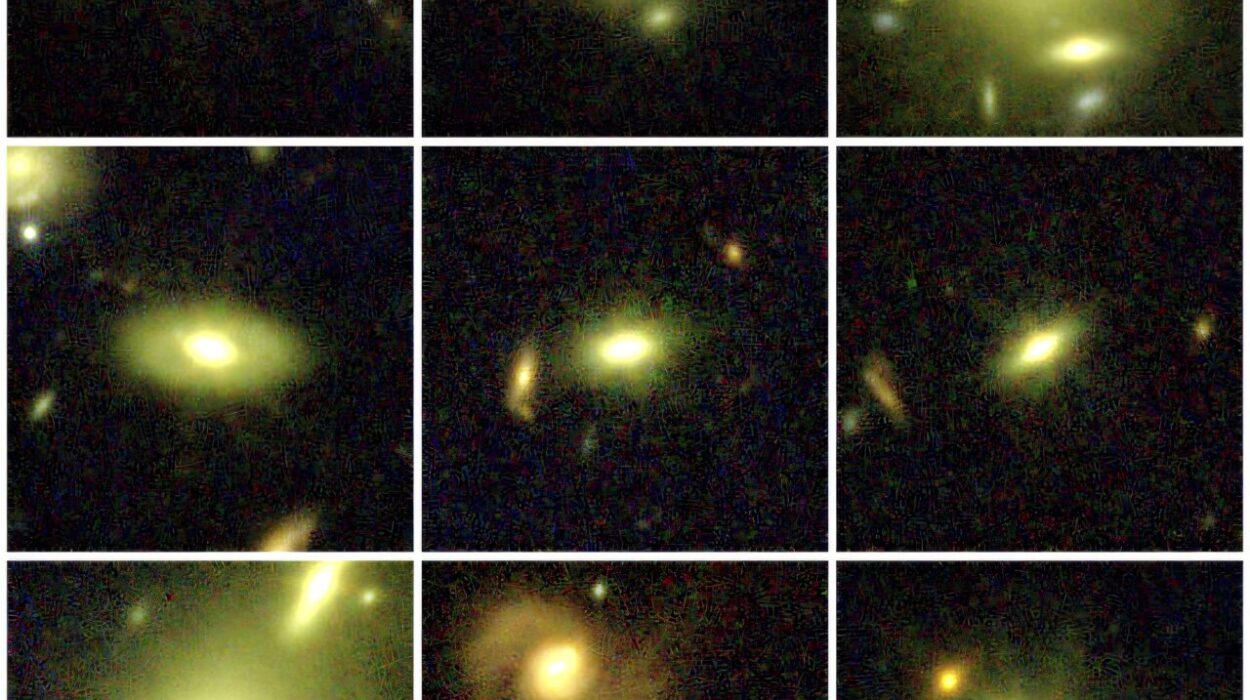
The universe began not with a bang of light and color, but as a hot, murky soup of energetic particles. In those first few hundred million years, there were no galaxies, no planets, and no life—only a vast, expanding cloud of material that gradually cooled into neutral hydrogen gas. As gravity began to pull the densest patches of this gas together, the very first stars were born. These primordial giants were unique; they were forged from nothing but pure hydrogen and helium, burning with a fierce intensity before dying in spectacular explosions. Today, a team of astronomers and students has found the closest thing we have to a survivor from that ancient, vanished era.
A Ghost from the Dawn of Time
Deep within the data of the Sloan Digital Sky Survey-V (SDSS-V), a tiny needle was hiding in a gargantuan stellar haystack. Alexander Ji, an astronomer from the University of Chicago, and Juna Kollmeier, who leads the SDSS project, were hunting for the “pristine” stars of the second generation. While the very first stars lived fast and died young, they left behind a trail of detritus—the first “metals” or heavy elements ever created in the cosmos. From this cosmic dust, a second generation of stars formed, acting as a permanent record of the universe’s infancy.
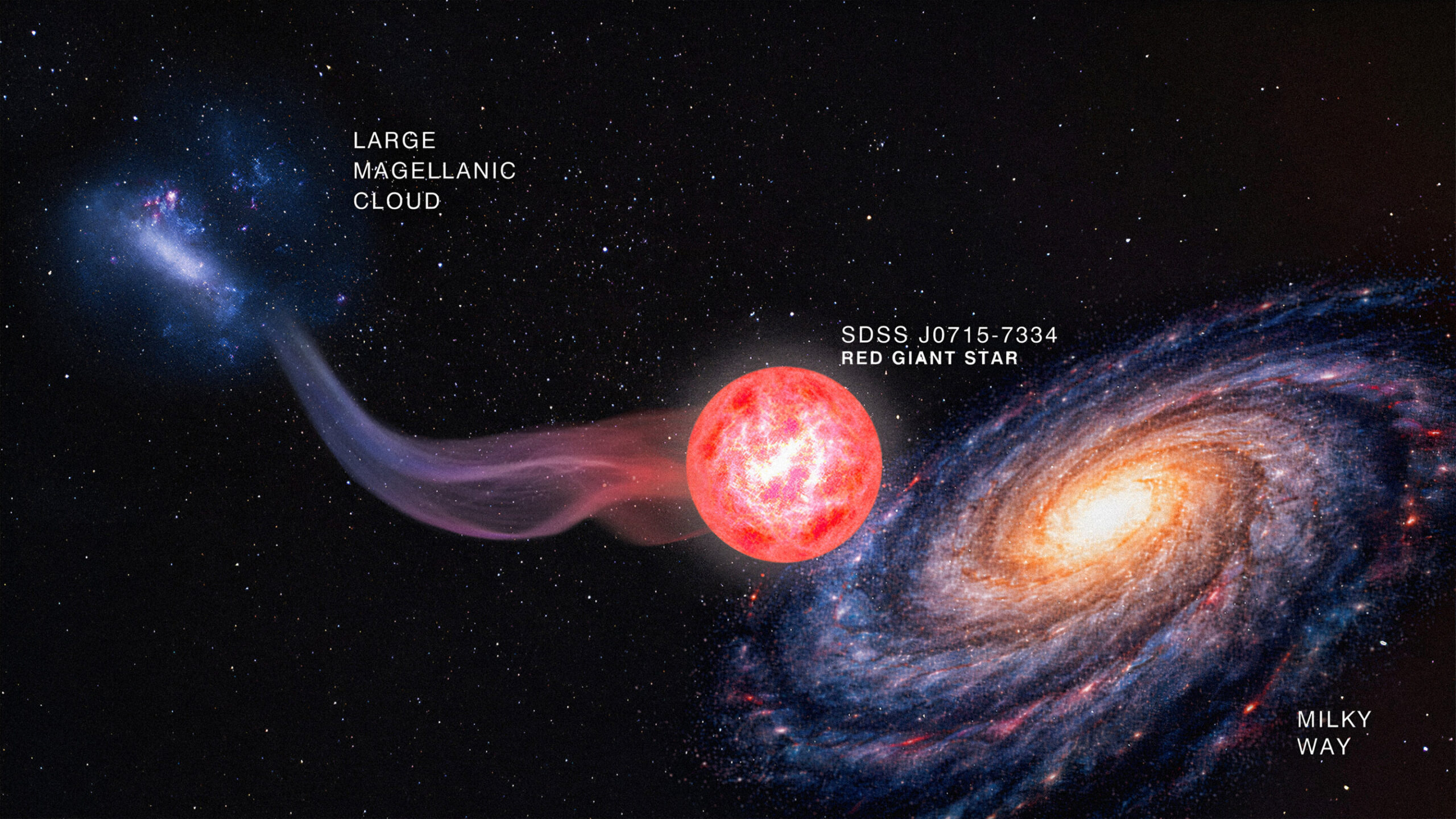
Among these candidates, one object stood out: SDSS J0715-7334. This star is a literal window into the dawn of the cosmos, a celestial fossil that has survived for billions of years. To confirm its identity, Ji did something unusual: he brought a group of undergraduate students to the Las Campanas Observatory in Chile for their spring break. It was there, amidst the rugged beauty of the Atacama Desert, that the team prepared to look back in time using some of the most powerful mirrors on Earth.
The Magic of the Wee Hours
The discovery wasn’t a sudden flash of light, but a patient unfolding of data. The team first relied on the du Pont telescope, which maps the Milky Way as part of the SDSS-V’s massive effort to take millions of optical and infrared spectra. This survey provided the statistical power to find rare objects that shouldn’t, by all accounts, be easy to see. But to truly understand SDSS J0715-7334, they needed the high-resolution capabilities of the Magellan telescopes.
On their very first night of observing, in the quiet, focused hours of the early morning, the magic happened. As the Magellan Clay telescope gathered light from the distant star, the resulting spectra—the chemical fingerprint of a star—revealed a shocking lack of heavy elements. While our own Sun is rich with metals forged through generations of stellar evolution, this star was nearly empty. It was confirmed as the new gold standard of stellar purity, a relic that had remained largely untouched by the chemical enrichment that defines the modern universe.
Mapping a Wanderer’s Journey
As the students dug deeper into the data, the true scale of their find became clear. By combining their Chilean observations with data from the European Space Agency’s Gaia mission, they were able to trace the star’s history. SDSS J0715-7334 currently sits about 80,000 light-years from Earth, but it wasn’t born here. It is a cosmic traveler, a wanderer born in a different part of the sky that was eventually pulled into the gravity of our Milky Way galaxy.
The chemistry of the star was even more startling than its journey. High-resolution analysis showed that it contains less than 0.005% of the metal content found in our Sun. It shattered previous records, appearing twice as metal-poor as the former titleholder. Most significantly, it is 40 times more metal-poor than the most iron-poor star previously known. Its levels of carbon and iron are so low that it serves as a nearly perfect sample of what the universe looked like just a few billion years after the Big Bang.
Why These Ancient Sentinels Matter
This discovery is far more than a record-breaking statistic; it is a fundamental test of our understanding of how the universe began to glow. Because we cannot yet observe individual stars at the literal dawn of star formation, we must look in our own cosmic backyard for these rare survivors. They are the only way to test theories about how the first stars exploded and how the very first galaxies began to assemble.
By finding a star with such extreme stellar purity, scientists can observe how star formation has changed over eons. The existence of SDSS J0715-7334 tells us about the specific “stellar forges” and supernovae explosions that seeded the early cosmos with the building blocks of everything we see today. For the students involved, the project transformed a standard curriculum into a curriculum of discovery, proving that the most profound secrets of the universe are still out there, waiting for a curious mind and a powerful telescope to find them.
Study Details
Alexander P. Ji et al, A nearly pristine star from the Large Magellanic Cloud, Nature Astronomy (2026). DOI: 10.1038/s41550-026-02816-7