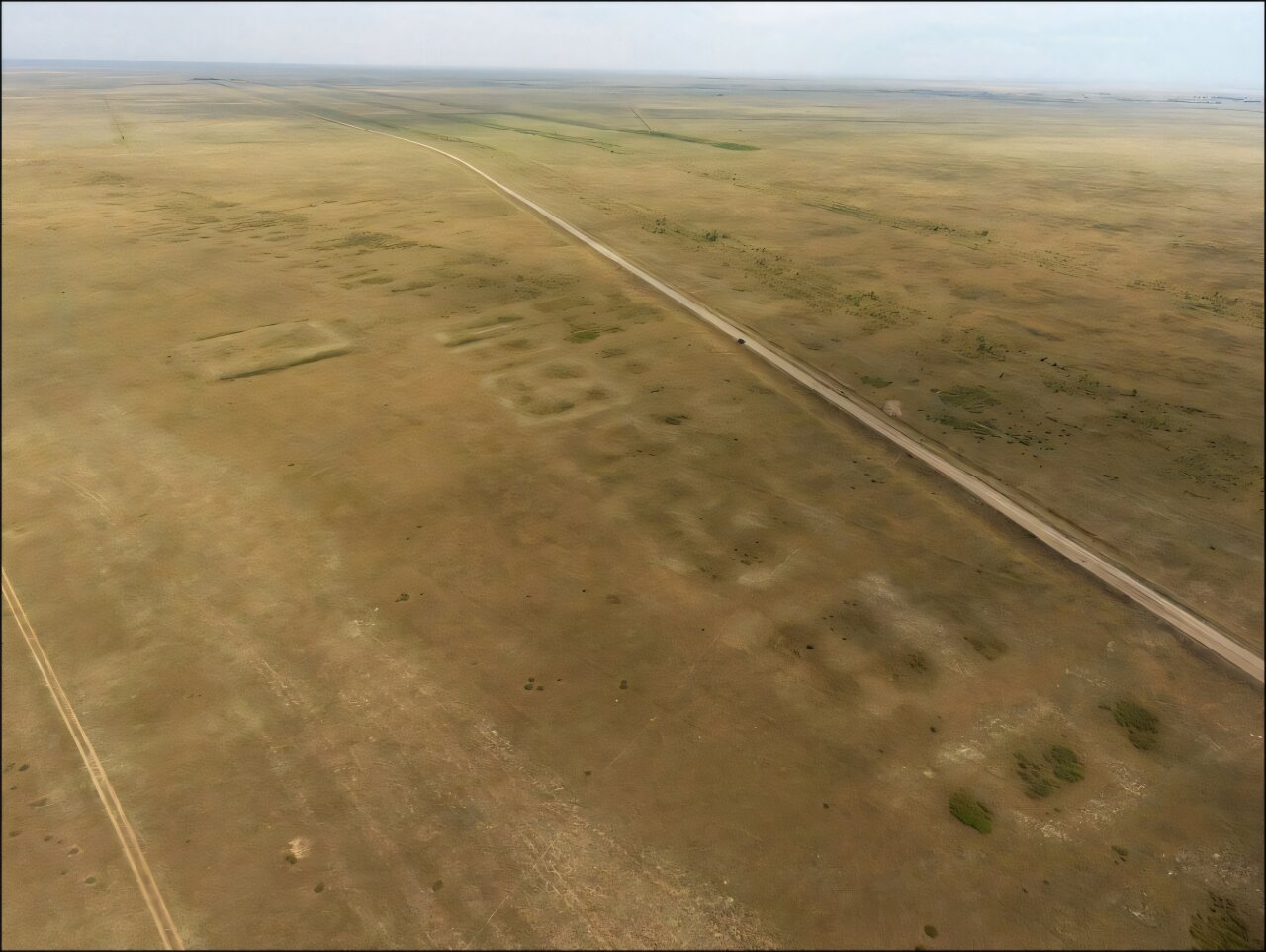
The Kazakh steppe is a place where horizons stretch so far they seem to tremble in the heat, where wind moves freely across open grasslands that many once assumed could never anchor a true city. Yet beneath this vast quiet, an international team of archaeologists has uncovered something that upends that assumption entirely. In northeastern Kazakhstan, perched high above the Irtysh River, the remains of a Bronze Age settlement have emerged from the earth—a place so large, so deliberately built, and so unexpectedly sophisticated that it is rewriting our understanding of life in prehistoric Eurasia.
This place is known as Semiyarka. Its ancient footprint spans 140 hectares, making it one of the largest and most remarkable steppe discoveries in decades. Nicknamed the “City of Seven Ravines” for its dramatic position above a network of valleys, Semiyarka thrived around 1600 BC, right in the heart of the Eurasian grasslands. What began as scattered clues has grown into a full portrait of an early city, carefully planned and thriving long before anyone imagined such settlements existed here.
Where the Steppe Became Something More
When archaeologists first surveyed the hilltop, they expected to find traces of the small, mobile camps typically associated with steppe communities. Instead, they found evidence of a settlement that looked far more intentional. Rectilinear earthworks outlined the city with geometric precision. Within those boundaries, enclosed household compounds suggested permanent life, rooted in place rather than moving with herds. At its center stood a monumental building that may have served as a ritual space or a place of governance, hinting at organized social structures usually associated with more traditional urban centers.
The discovery contradicted long-held assumptions. Steppe societies had always been imagined as mobile and dispersed, shaped by movement rather than permanence. But Semiyarka stood firm, proving that these communities were capable of constructing settlements as ambitious and intentional as their contemporaries in other parts of the ancient world.
“The scale and structure of Semiyarka are unlike anything else we’ve seen in the steppe zone,” says Professor Dan Lawrence. “The rectilinear compounds and the potentially monumental building show that Bronze Age communities here were developing sophisticated, planned settlements similar to those of their contemporaries in more traditionally ‘urban’ parts of the ancient world.”
Semiyarka was not a temporary experiment. It was a city built with purpose.
Forging Metal at the Edge of the Irtysh
If the architecture surprised the researchers, the industrial zone astonished them. Excavations and geophysical surveys uncovered something unprecedented for this region: a dedicated area for producing copper and tin bronze on a scale that had never been documented in the steppe.
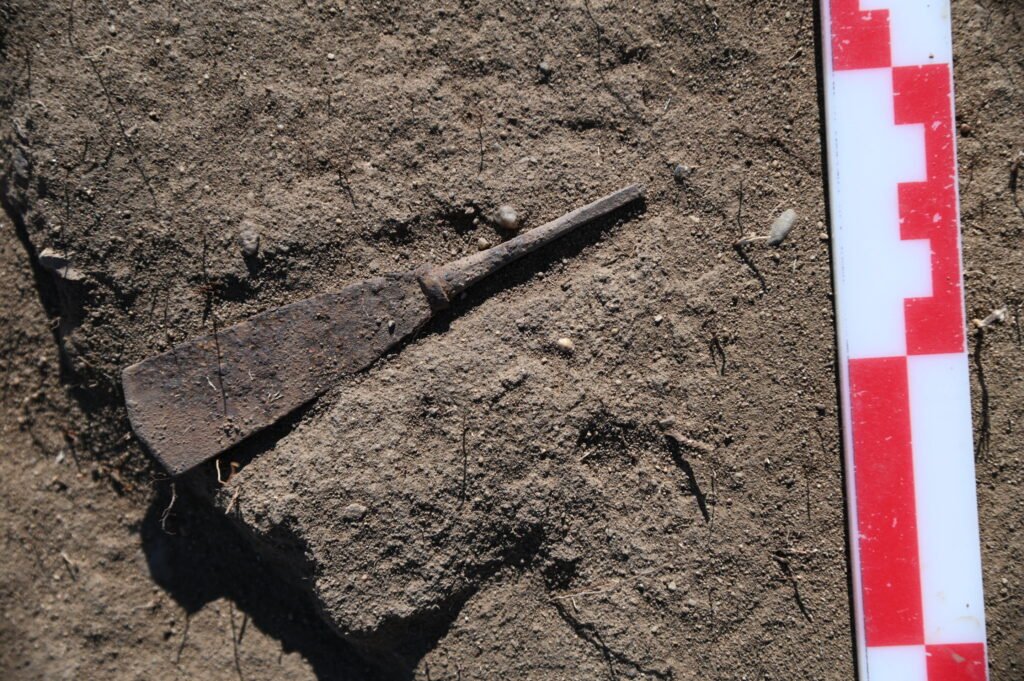
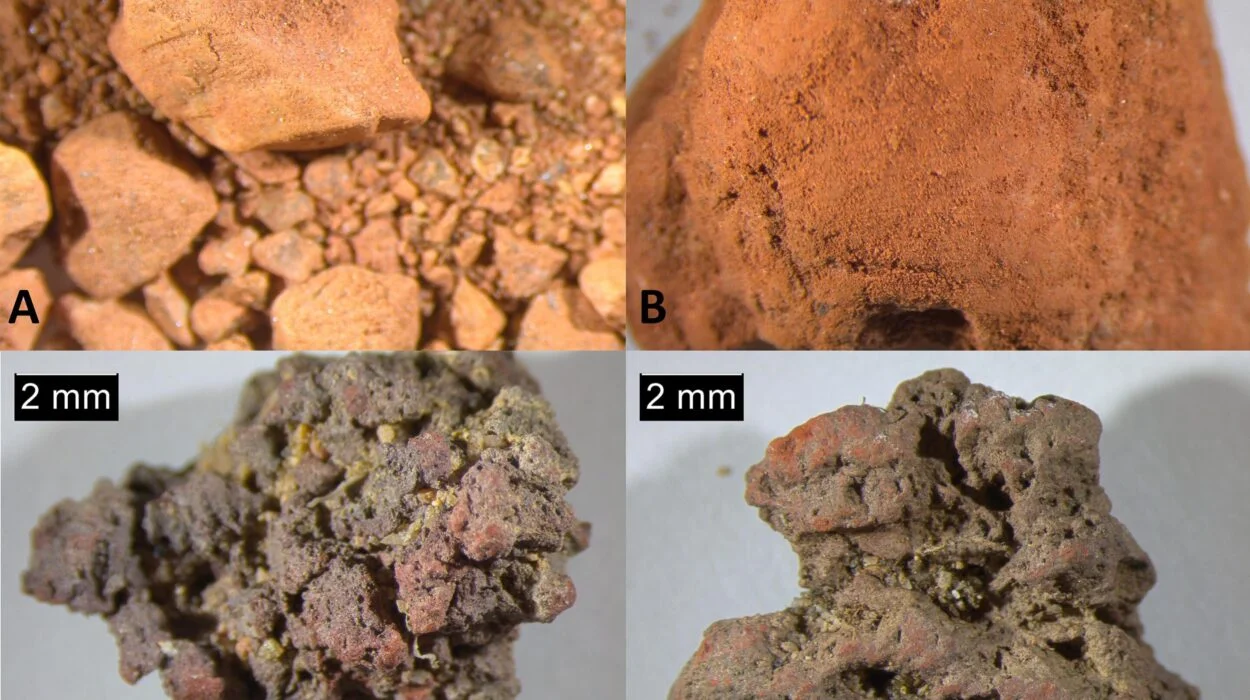
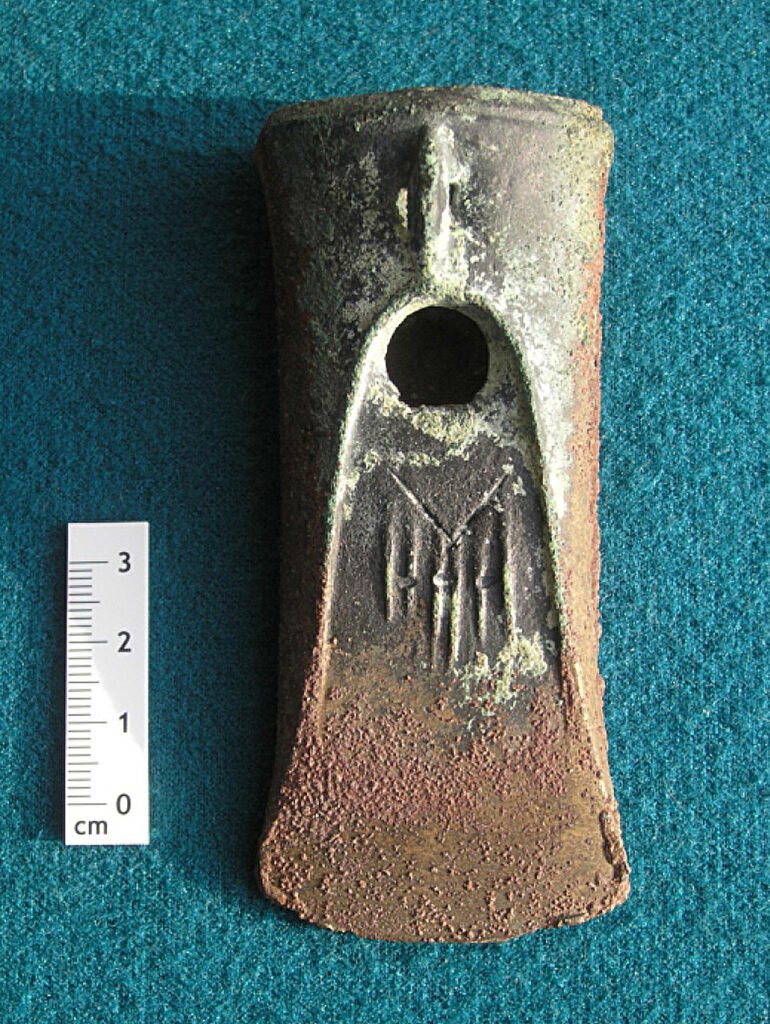
Scattered across the site were crucibles, slag, and tin bronze artifacts—material proof that Bronze Age metallurgists here were doing far more than tinkering in small workshops. They were running complex production systems capable of supporting both local needs and broader networks.
This discovery answers a long-standing archaeological riddle. For years, scholars had searched for evidence of large-scale tin bronze production across Eurasia—evidence that had remained elusive. At Semiyarka, it finally appeared.
“Semiyarka transforms our understanding of steppe societies,” says Dr. Miljana Radivojević. “It demonstrates that mobile communities were capable of building and sustaining permanent, well-organized settlements centered on large-scale metallurgical production—including the elusive manufacture of tin bronze, a cornerstone of Eurasia’s Bronze Age economy that has long remained absent from the archaeological record.”
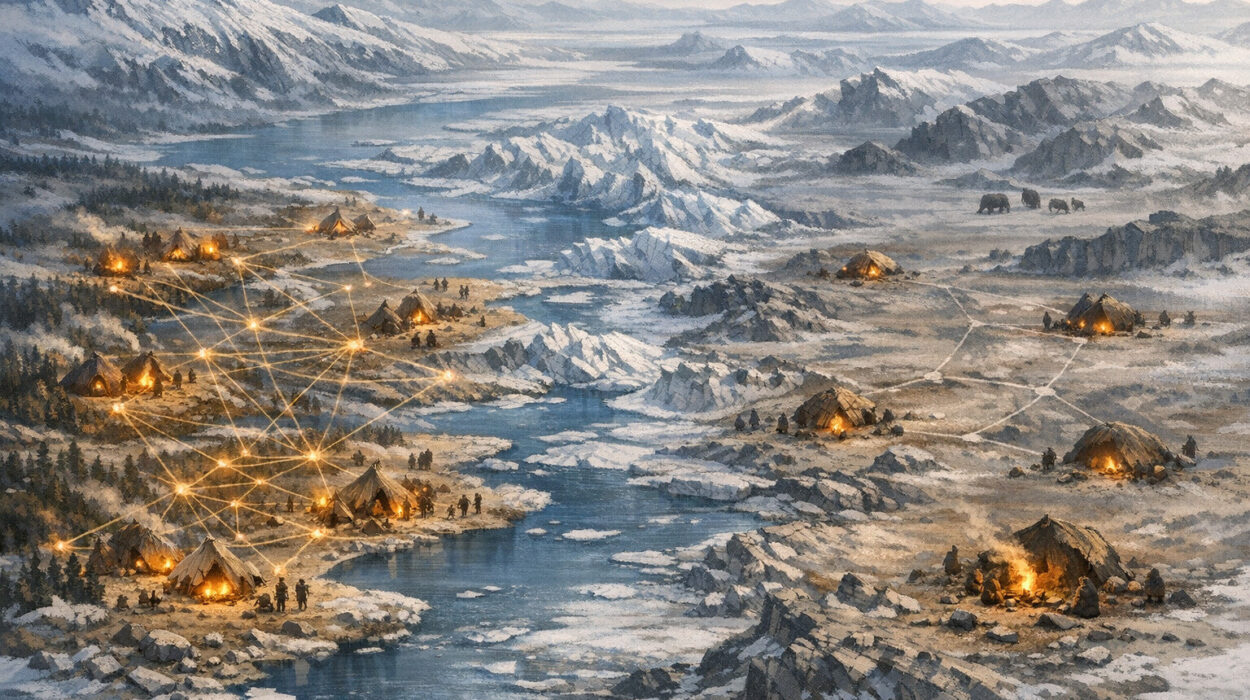
The city’s strategic perch above the Irtysh River valley was no accident. Its elevated promontory controlled movement along the river, positioning Semiyarka as both a production hub and a center of exchange. Its proximity to major copper and tin deposits in the Altai Mountains suggests the city may have been a crucial node in the metal networks linking Central Asia with the rest of Bronze Age Eurasia.
A Collaboration Years in the Making
The excavation of Semiyarka is not the work of a single institution, but a carefully woven collaboration among archaeologists from UCL, Durham University, and Toraighyrov University in Kazakhstan. Led by Dr. Viktor Merz and Dr. Ilya Merz of the Joint Research Center for Archaeological Studies, alongside Dr. Radivojević and Professor Lawrence, the team combined cutting-edge scientific methods to reconstruct both the technological and social worlds of this ancient settlement.
For Dr. Merz, the discovery feels like the culmination of a long journey. “I have been surveying Semiyarka for many years, but this collaboration has truly elevated our understanding of the site. Working with colleagues from UCL and Durham has brought new methods and perspectives, and I look forward to what the next phase of excavation will reveal now that we can draw on their specialist expertise in archaeometallurgy and landscape archaeology.”
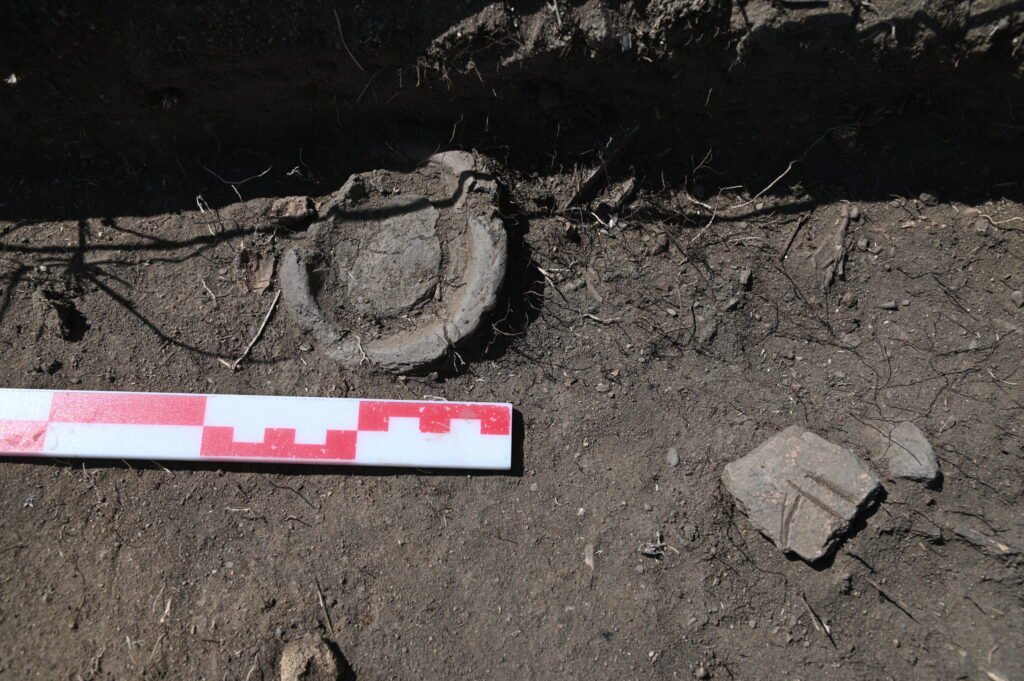
What once seemed like a mysterious cluster of earthworks has evolved into a vivid picture of planned urban life on the steppe, enriched by perspectives from multiple fields and countries.
Why This Discovery Matters
Semiyarka stands as a quiet but powerful reminder that the ancient world was far more diverse and inventive than the traditional narratives allow. For decades, historians imagined the Eurasian steppe as a place of movement, not settlement; of pastoralism, not urban planning; of small workshops, not industrial-scale metallurgy. But the city above the Irtysh valley challenges every one of those assumptions.
Here, Bronze Age communities forged metal at impressive scale, built permanent homes, organized large compounds, and constructed monumental structures. They did so not in the sheltered cradles of river valleys or fertile plains, but on the open grasslands—proving that innovation thrives wherever people dare to reshape their environment.
Semiyarka expands the map of where ancient urbanism could flourish. It deepens our understanding of how Bronze Age economies operated. And it adds a new chapter to the human story, showing that even in the windswept steppe, people once built a city that rose proudly above the ravines and looked out across a world they were actively shaping.
The grasslands of Central Asia were not empty. They held a city, and within that city lived a society whose ingenuity rivaled any civilization of its age.
More information: A major city of the Kazakh Steppe? Investigating Semiyarka’s Bronze Age legacy, Antiquity (2025). doi.org/10.15184/aqy.2025.10244