Genomes from 54 Iberian newborns have revealed that northeastern Iberian communities maintained a remarkably stable genetic identity for roughly six centuries, despite extensive contact with Mediterranean cultures. The study found no evidence of a major migration behind the rise of Iberian culture, with significant new genetic influences appearing only after the arrival of the Romans.
A long-standing question about the origins of Iberian culture has now received one of its clearest genetic answers. While archaeological discoveries have shown that Iron Age Iberian communities interacted with Phoenicians, Greeks, Carthaginians, and other Mediterranean peoples, their DNA tells a different story—one of continuity rather than large-scale population replacement.
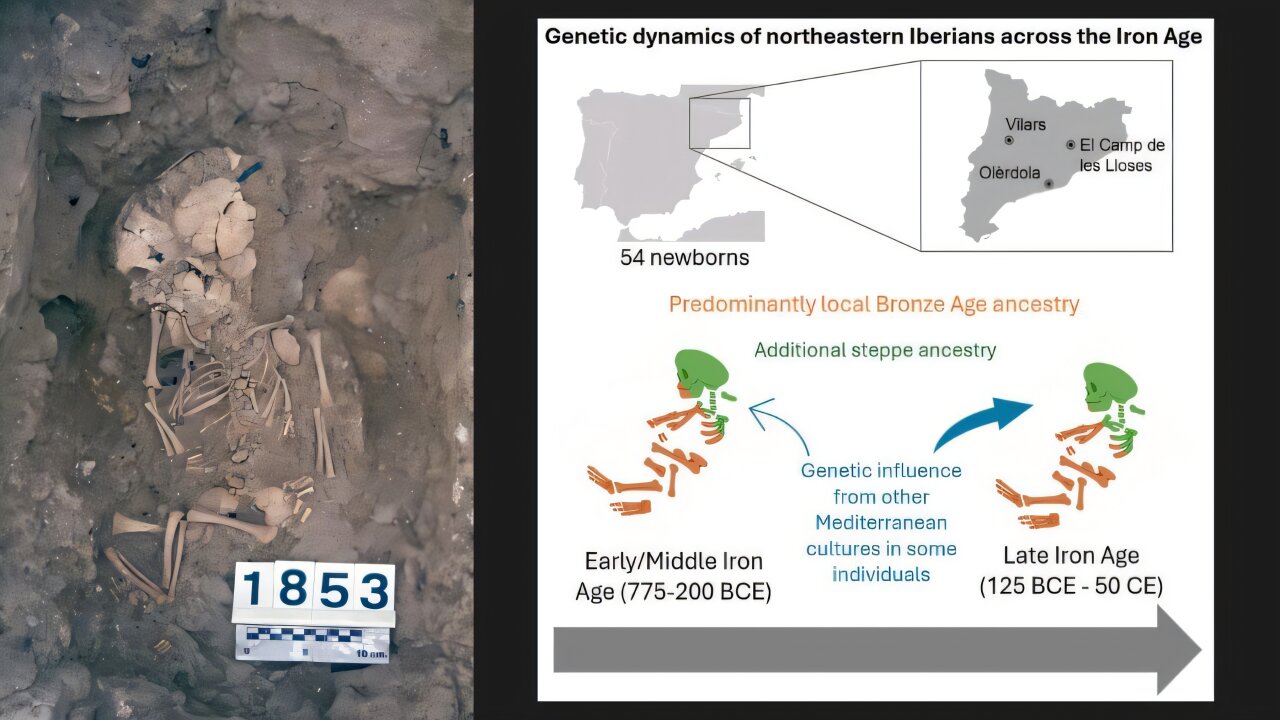
Researchers led by the Universitat Autònoma de Barcelona (UAB) analyzed the genomes of 54 newborns buried at three archaeological sites in northeastern Iberia. Their findings, published in iScience, provide the most detailed genetic reconstruction to date of Iberian populations living between 2,700 and 2,100 years ago, spanning the Early Iron Age through the beginning of Roman influence.
Ancient Genomes Offer a Rare Window Into Iberian Society
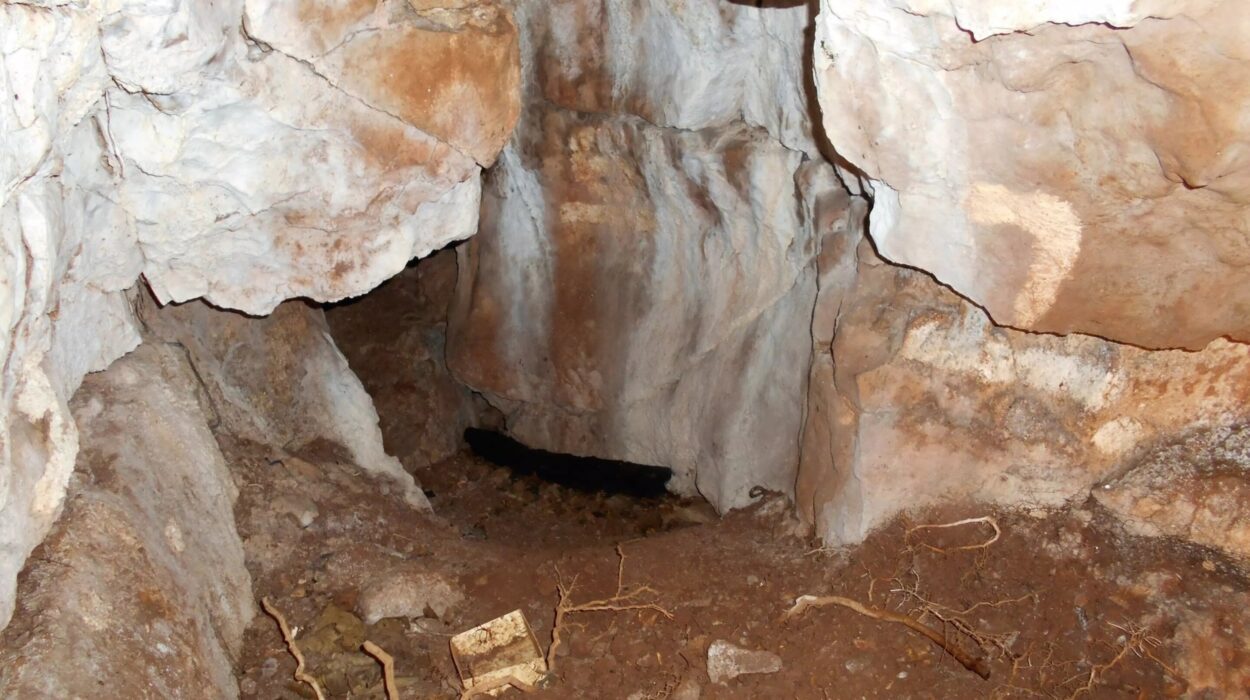
Studying Iberian populations is particularly challenging because cremation was the dominant funerary practice, leaving relatively few human remains available for genetic analysis.
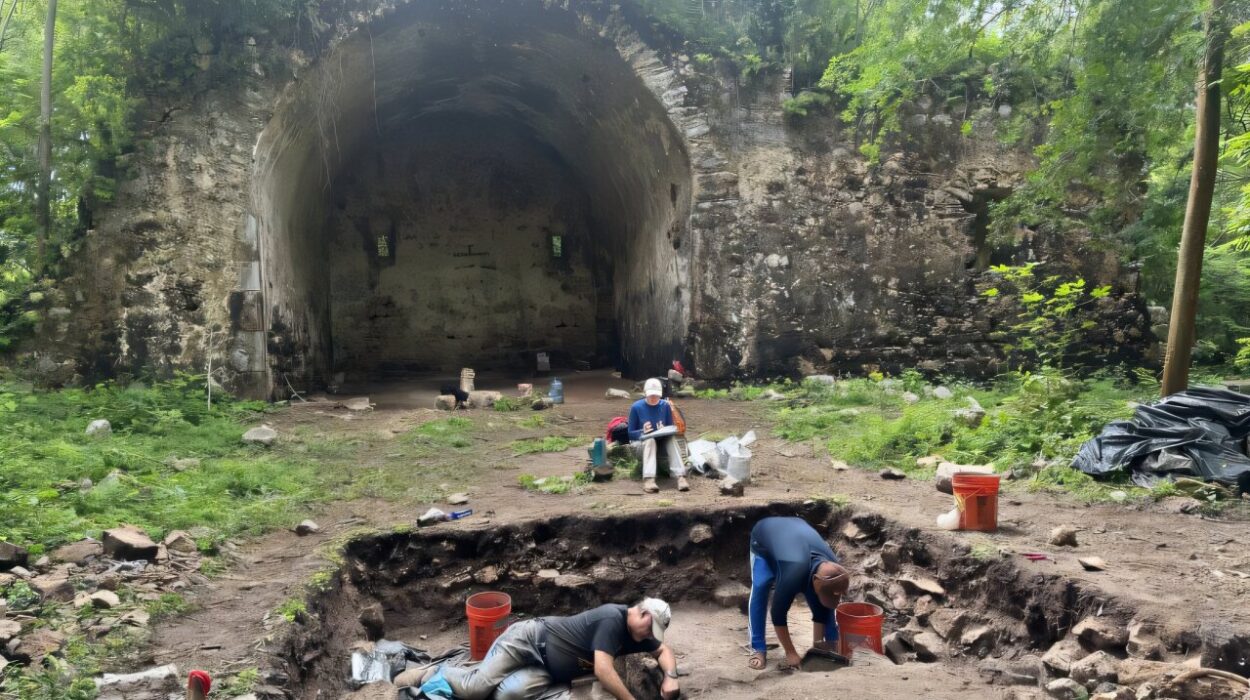
The research team focused on newborns buried within houses and productive areas at three settlements: Els Vilars, Sant Miquel d’Olèrdola, and El Camp de les Lloses. Together, these sites allowed scientists to examine genetic changes from the transition between the Bronze and Iron Ages through the early Roman period.
Among the 54 individuals analyzed, researchers recovered extensive genomic information from many of the remains. In 22 newborns, they identified more than 20,000 genetic variants (SNPs) across the genome, while mitochondrial DNA was recovered from additional individuals.
This unusually rich dataset enabled the team to investigate ancestry, population dynamics, and genetic continuity across several centuries.
Iberian Culture Did Not Begin With a Massive Migration
One of the study’s most significant conclusions is that Iberian culture did not emerge because of a large incoming population replacing local communities.
Instead, the results show strong genetic continuity from earlier inhabitants of the Iberian Peninsula. The individuals examined carried the same major ancestral components already present among prehistoric populations of the region: Western Hunter-Gatherer (WHG), Anatolian Neolithic, and Steppe (Yamnaya Bronze Age) ancestry.
The findings support the idea that the development of Iberian culture was primarily a local process. Although archaeological evidence points to major social and political transformations during the Iron Age, those changes were not accompanied by equally dramatic genetic shifts.
The research suggests that increasingly complex and hierarchical social structures emerged while the underlying population remained largely the same.
Mediterranean Contacts Left Only Gradual Genetic Traces
Researchers initially expected stronger evidence of outside genetic influence because archaeological excavations have uncovered numerous objects linked to Mediterranean civilizations.
Instead, they found that external influences appeared only gradually.
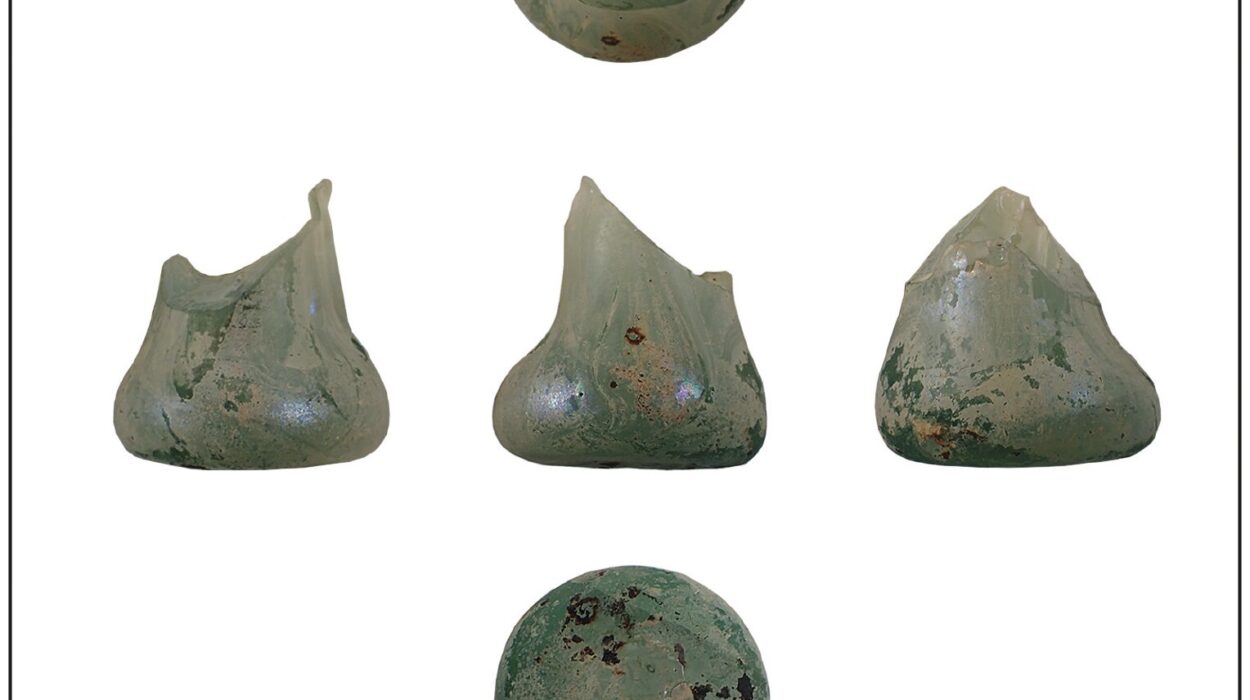
Some individuals from Els Vilars and Olèrdola showed indications of ancestry connected to the eastern Mediterranean and/or North Africa. These isolated cases mirror archaeological discoveries at the sites, including amphorae and artifacts associated with Phoenician, Greek, Punic, and Italic cultures.
The results reveal that cultural exchange and human movement did occur, but not on a scale large enough to fundamentally reshape the genetic identity of Iberian communities during most of the Iron Age.
According to the researchers, the population changed far less than expected based on the archaeological evidence alone.
Clues of Additional Steppe Influence
The study also detected signs that Iron Age Iberians may have carried a somewhat higher proportion of Yamnaya-related ancestry than Bronze Age populations.
Researchers caution that this pattern remains uncertain. It could reflect the currently limited number of available Bronze Age samples from northeastern Iberia, making comparisons difficult. Another possibility is that it represents additional migrations originating from eastern Europe.
Further analysis of more Bronze Age individuals will be needed to determine which explanation is correct.
Roman Expansion Marked a Turning Point
The clearest genetic shift appeared during the Roman era.
Evidence from El Camp de les Lloses indicates a gradual transformation that paralleled broader social and political changes associated with Roman influence. During this period, Mediterranean and North African ancestry became more common within local populations.
Some of these influences may have arrived directly through Roman connections, while others could have been linked to Punic populations in southern Iberia or communities from the Balearic Islands.
Even so, the researchers found that the resulting Ibero-Roman population retained a strong genetic connection to earlier local Iberian groups. Rather than replacing the existing population, these new influences added diversity to a population with deep regional roots.
Maternal and Paternal Lineages Reveal Population Dynamics
The study also examined mitochondrial DNA, which is inherited through the maternal line.
Researchers found no major differences between the various Iberian groups studied. However, subtle distinctions in maternal lineages suggest that communities maintained some degree of local identity and autonomy while remaining connected through broader networks of interaction.
Most maternal lineages were already present in the Iberian Peninsula before the Bronze Age, reinforcing the idea of long-term continuity. At the same time, a few previously undetected lineages hint at occasional female mobility and movement between regions.
Analysis of Y chromosomes, inherited through the paternal line, confirmed the lasting impact of Steppe-related ancestry that spread across the Iberian Peninsula during the Bronze Age. Yet some older Neolithic paternal lineages survived, demonstrating that ancient genetic traditions persisted alongside later influences.
The researchers also investigated family relationships among the buried infants. No kinship links were identified among individuals from Els Vilars. At Olèrdola, two infants buried together were shown not to be twins or close relatives. At Les Lloses, scientists identified one pair of sisters and two individuals who shared a second-degree relationship.
Why This Matters
This study provides one of the clearest examples of how cultural change does not always require large-scale population replacement. The rise of Iberian culture, despite its strong connections to Mediterranean civilizations, was largely driven by local communities that maintained their genetic identity for centuries.
By combining ancient DNA with archaeological evidence, the research shows how human history often unfolds through gradual interactions rather than sudden demographic upheavals. It also demonstrates the value of rare infant remains in reconstructing populations that are otherwise difficult to study because cremation erased much of the biological record.
Most importantly, the findings reveal that the people who built Iron Age Iberian society remained deeply rooted in their ancestral past, even as trade, contact, and eventually Roman expansion introduced new genetic and cultural influences that reshaped the region over time.
Study Details
Daniel R. Cuesta-Aguirre et al, The genetic landscape of northeastern Iberian communities from the early to late Iron Age, iScience (2026). DOI: 10.1016/j.isci.2026.116186