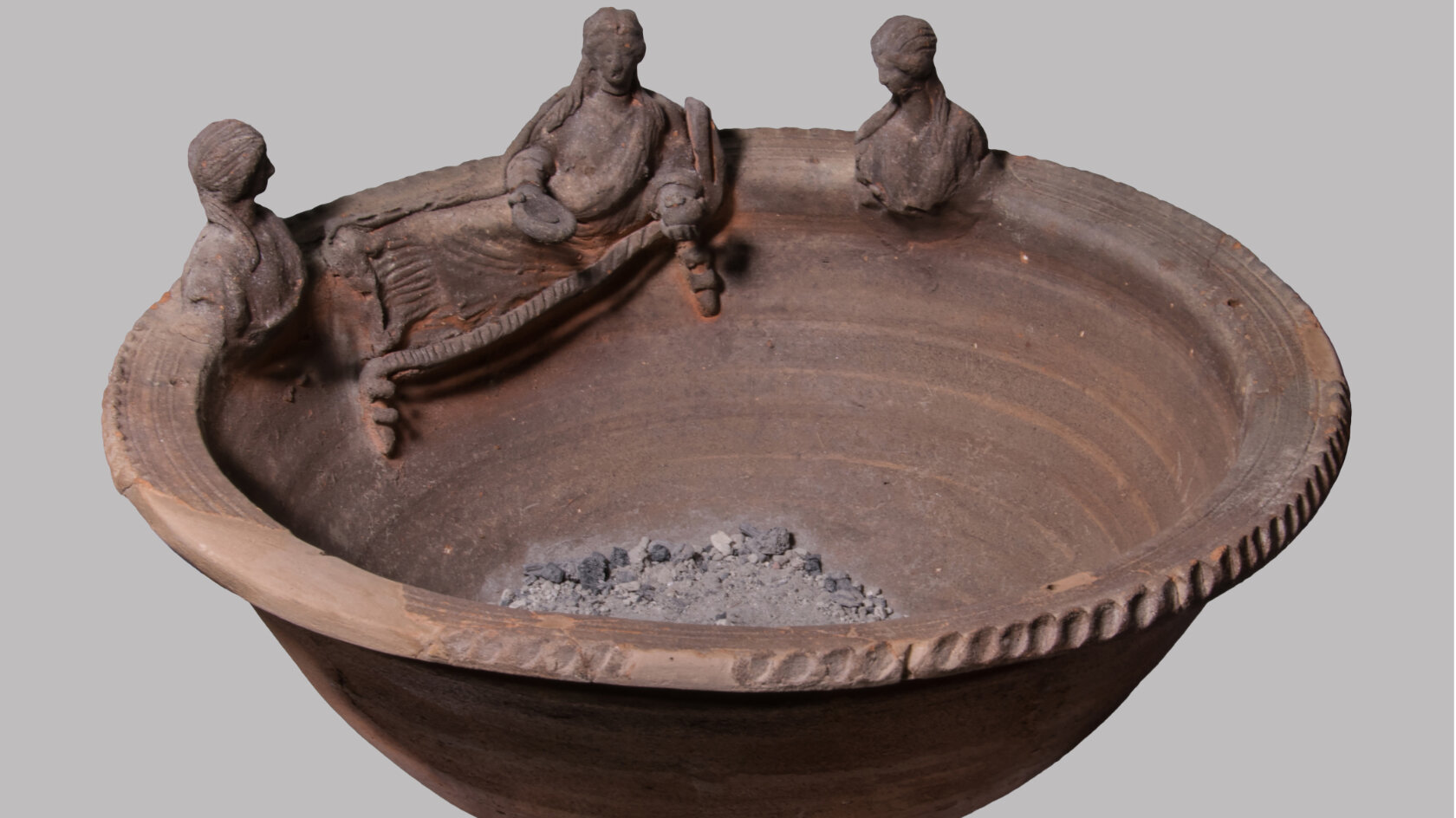
The year was 79 AD, and the air in the bustling streets of Pompeii was thick with the sounds of a thriving Roman city. In the quiet corners of private homes, families gathered around small household altars to perform their daily rituals, offering sacrifices to the gods in exchange for protection and prosperity. They lit small fires in incense burners, watching as thin plumes of smoke carried their prayers toward the heavens. Little did these worshippers know that their city sat in the shadow of a ticking time bomb, or that the very ash they produced in their ritual vessels would one day tell a global story to scientists nearly two millennia later.
When Mount Vesuvius finally erupted, it unleashed a cataclysmic force that buried Pompeii and its neighboring villas under a massive shroud of volcanic ash. For the inhabitants, it was an unimaginable tragedy. However, for the field of archaeology, the disaster created a unique time capsule. The volcanic debris acted as a preservative, sealing away the mundane details of Roman life—from wooden furniture and food to the delicate residues left behind on ritual vessels. Recently, an international team of researchers from the University of Zurich, LMU, and other partners turned their attention to the contents of these ancient burners, seeking to decode the scents that once filled the Roman air.
The Ghostly Scents Trapped in Stone
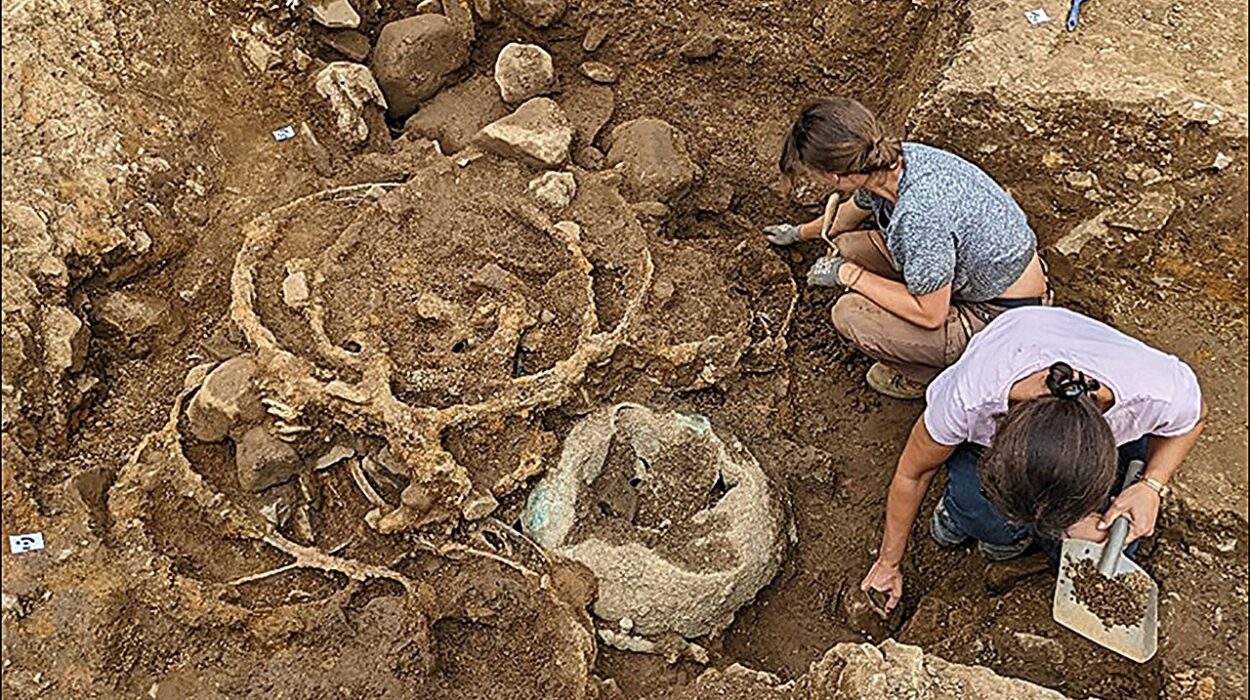
For centuries, historians have relied on Roman imagery and ancient texts to understand how people practiced their religion. We knew they burned offerings, but the physical evidence of what exactly was consumed by the flames often remained elusive. To bridge this gap, the research team selected two incense burners—one from the heart of Pompeii and another from a nearby villa—and subjected the ash residues inside them to a suite of state-of-the-art laboratory techniques. This wasn’t just a simple visual inspection; it was a deep dive into the molecular history of the city.
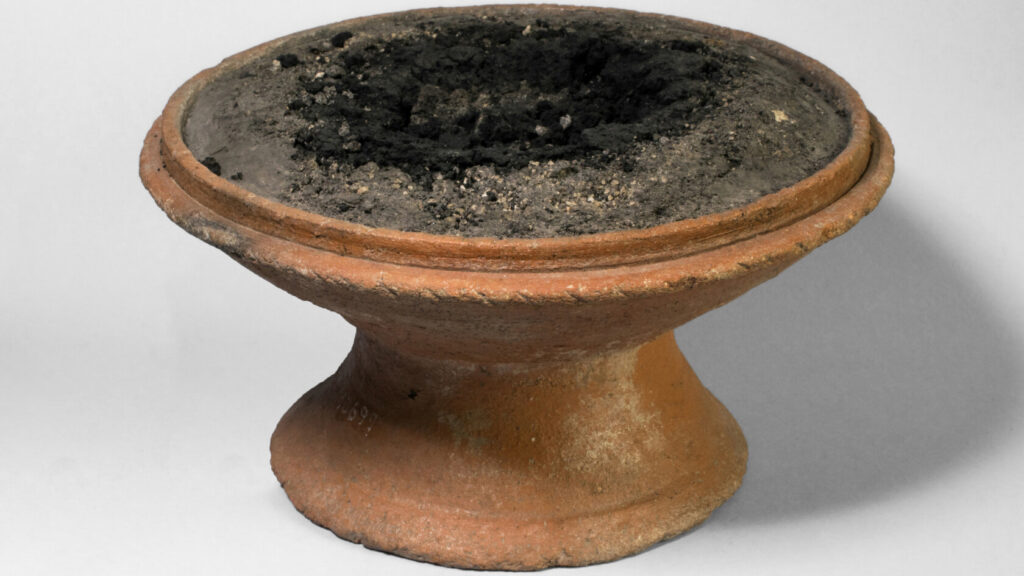
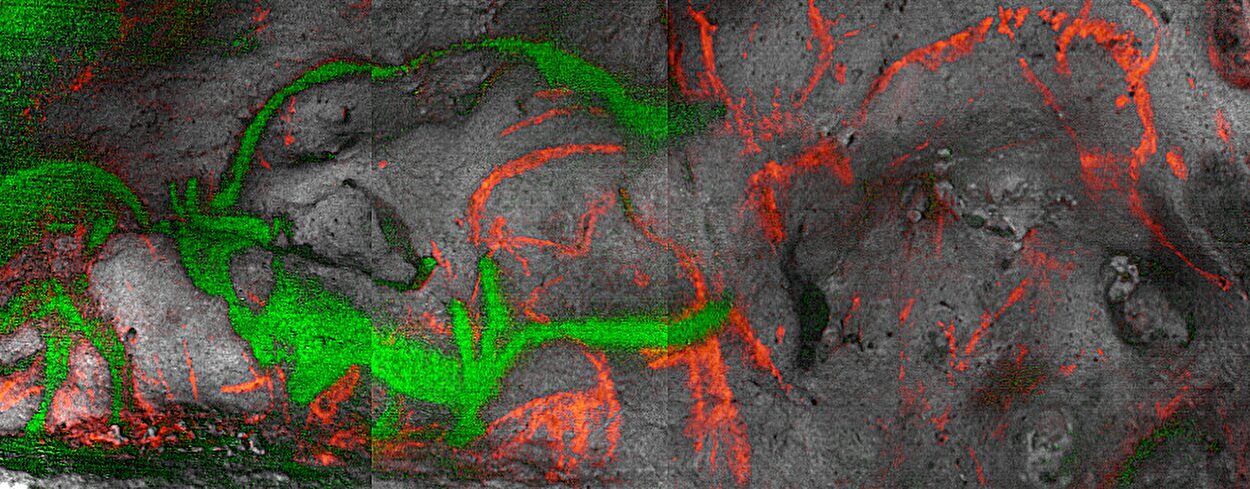
Through biomolecular investigations, the scientists were able to “resurrect” the scents of the past. Led by Johannes Eber, the study aimed to pinpoint the specific fragrances used in domestic cult practices. The findings were immediate and striking. The researchers didn’t just find the charred remains of common Mediterranean flora; instead, they discovered a complex cocktail of ingredients that painted a far more sophisticated picture of Roman life than previously imagined. By combining chemical analysis with microscopic investigation, the team made the daily religious life of Pompeians feel suddenly tangible, turning cold stone vessels into windows into the ancient soul.
A Fragrant Bridge to Distant Lands
The most startling revelation came from the origin of the materials found within the vessels. While it was expected that the Romans would use regional plants—herbs and flowers plucked from the fertile Italian hillsides—the analysis revealed something far more “exotic.” In one of the burners, the researchers identified traces of imported resins that had no business being in Italy naturally. These exotic tree resins likely originated from the tropical regions of Africa or Asia.
This discovery acts as a chemical fingerprint for a massive, ancient logistics machine. It suggests that even the modest household altars in Pompeii were connected to a global trade network that spanned continents. To have these aromatic substances available for daily domestic use meant that ships were crossing the seas and caravans were traversing deserts to bring the scents of the East and the South to the Roman market. Pompeii was not merely a provincial town near a volcano; it was a vital node in a web of commerce that moved luxury goods across thousands of miles. The smoke rising from a Pompeian living room carried the essence of trees that grew thousands of miles away in tropical jungles.
The Sacred Blend of Vine and Flame
Beyond the woody scents of far-off forests, the researchers also found evidence of more familiar, yet equally significant, ritual components. Maxime Rageot, who conducted the molecular analyses, found traces of a grape product in one of the burners. This discovery provides a vital physical link to the historical record. Ancient texts and Roman mosaics often depict the use of wine in religious sacrifices, but finding the actual chemical signature of a grape-derived substance inside a ritual vessel confirms these descriptions with scientific certainty.
The presence of these grape products alongside exotic resins shows how the Romans blended the local with the global. They took the fruit of their own vineyards and combined it with the rare treasures of the Silk Road and African trade paths to create a sensory experience they believed was worthy of the gods. This interdisciplinary approach—blending archaeology with biochemistry—allows us to see the nuances of “everyday” religion. It wasn’t just about the act of prayer; it was about the specific, high-quality ingredients that defined the Roman relationship with the divine.
Why the Smoke of the Past Matters Today
This research is about much more than just identifying old smells; it is about redefining our understanding of the ancient world’s reach. According to Gabriel Zuchtriegel, the director of the Pompeii Archaeological Park, our knowledge of the Roman world would be significantly poorer without the data provided by this site. However, that data is only accessible through the lens of contemporary archaeological practices and interdisciplinary collaboration.
This study proves that the world has been “global” for much longer than we often realize. The fact that a family in 79 AD could purchase and burn aromatic substances from another continent tells us that the Roman economy was incredibly integrated and far-reaching. It challenges the idea of ancient cities as isolated pockets of culture, showing instead that they were breathing, trading, and consuming products from the edges of the known world.
Furthermore, the work highlights the importance of preserving organic finds—the plant residues, foods, and wooden objects that were once overlooked in favor of gold statues or grand architecture. These “invisible” traces are what make the past truly human. By analyzing the ash of a household altar, we aren’t just looking at debris; we are looking at the remnants of a person’s last prayer, fueled by a trade network that connected the tropical forests of Asia to the volcanic soil of Italy. It reminds us that even in the face of a looming catastrophe like Vesuvius, the people of the ancient world were part of a vast, interconnected human story that we are only just beginning to fully decode.
Study Details
Johannes Eber et al, Ashes from Pompeii: incense burners, residue analyses and domestic cult practices, Antiquity (2026). DOI: 10.15184/aqy.2026.10320