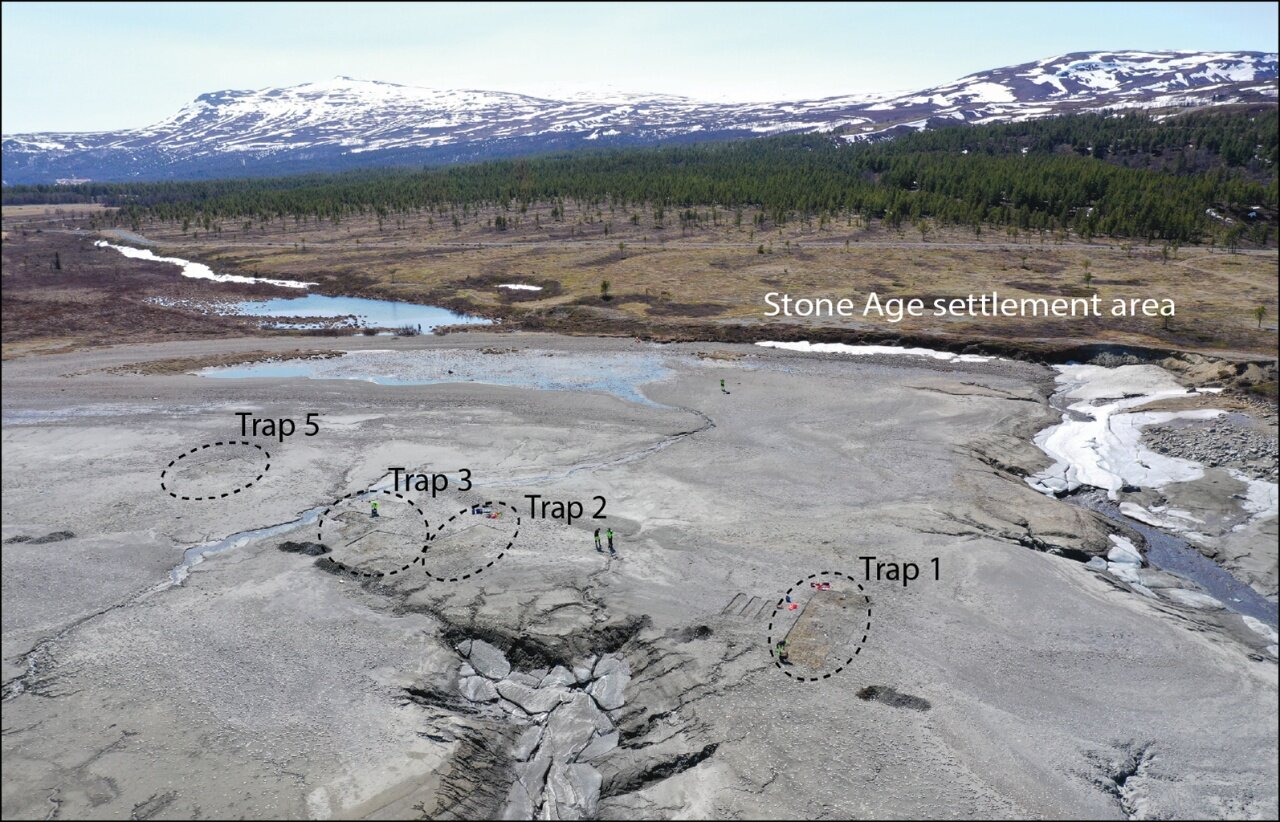
Ancient wooden fish traps discovered in southern Norway show that hunter-fisher-gatherers were intentionally moving brown trout into previously fishless mountain lakes by around 5000 B.C. The finding suggests people were actively managing ecosystems and securing food supplies thousands of years before farming reached the region.
For generations, archaeologists have known that many fish living in Norway’s mountain waterways were not there naturally. The mystery was not whether people introduced them, but when that practice began. Newly dated wooden fish traps recovered from a high-altitude lake now provide the clearest evidence yet that this environmental engineering was already underway about 7,000 years ago, long before agriculture became part of life in Scandinavia.
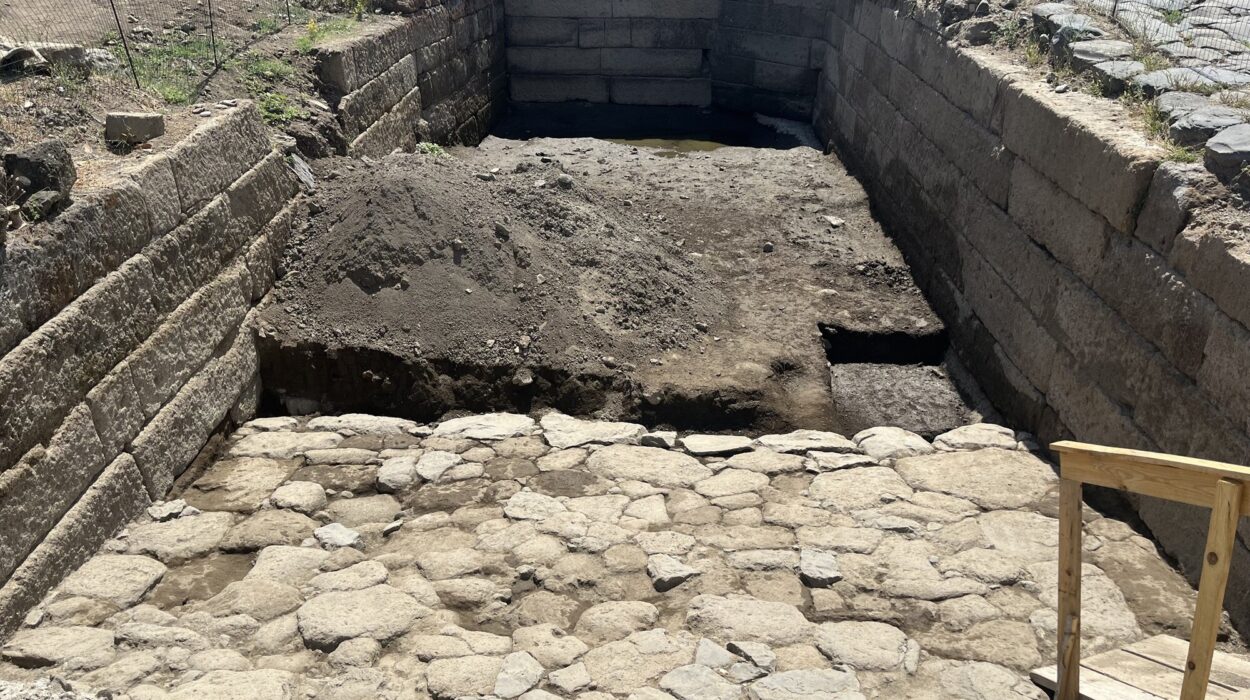
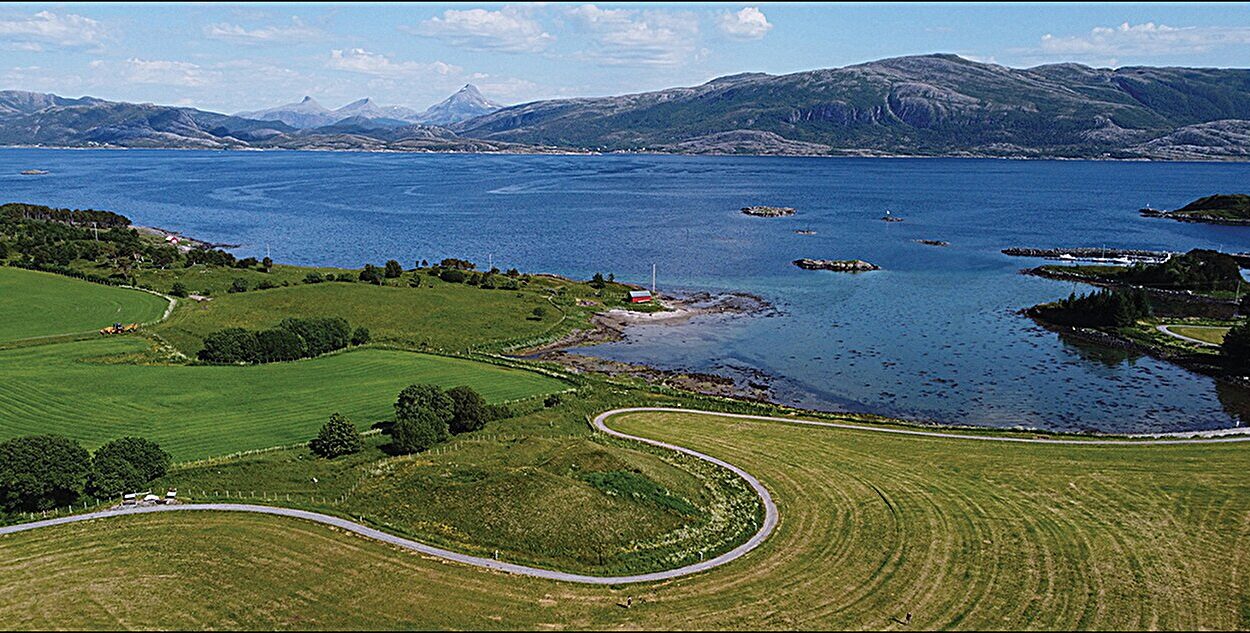
The discovery comes from Lake Tesse in the mountains of southern Norway, where remarkably preserved wooden fishing structures offered researchers an opportunity to place this long-standing question on a firm timeline. Radiocarbon dating showed the traps were being used from 5000 B.C. onward, indicating that people had already established productive fisheries in waters that had originally contained no fish.
Ancient barriers created an unusual challenge
After glaciers retreated around 8000 B.C., people gradually expanded into the mountains of inland southern Norway. But while humans could travel into these landscapes, freshwater fish faced a different obstacle. Natural barriers, including waterfalls, prevented fish from reaching many upland lakes and rivers on their own.
That meant these isolated waters would have remained fishless unless humans intervened.
The newly dated traps suggest that intervention happened much earlier than previously demonstrated. According to the researchers, hunter-fisher-gatherers transported brown trout (Salmo trutta) from their natural habitats into upstream lakes where they could later be harvested.
Lead author Axel Mjærum of the University of Oslo explained the significance of resolving this long-standing uncertainty.
“For more than 100 years, it has been known that the fish inhabiting watercourses in the Norwegian mountains are descended from specimens translocated by humans. However, until now, it has remained unclear when people first began transporting fish upstream into lakes and rivers that originally lacked natural fish.”
Wooden traps helped establish the timeline
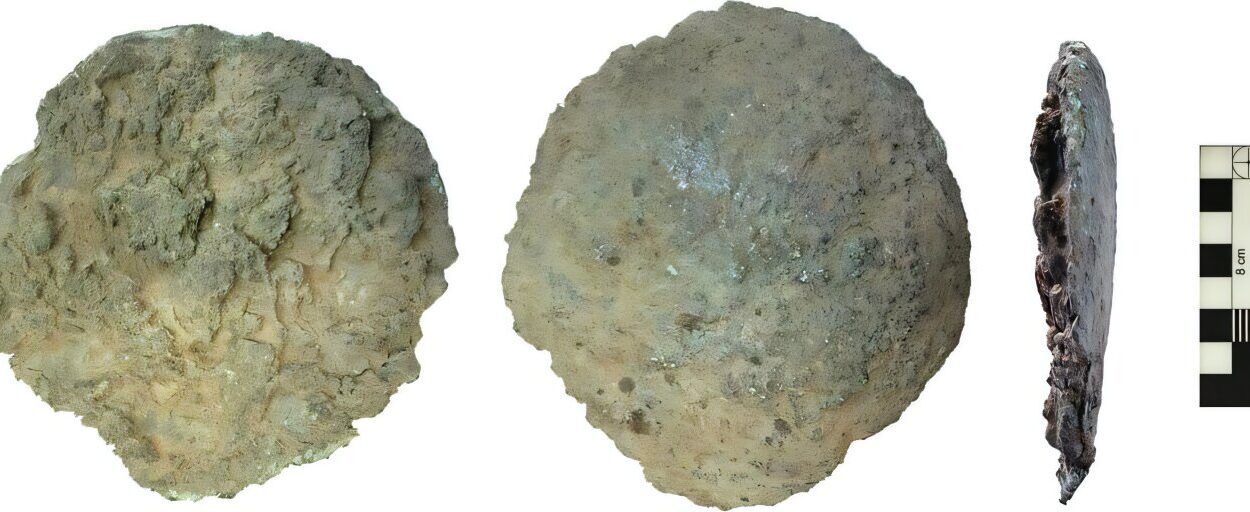
The preserved fishing structures at Lake Tesse proved crucial because they could be directly dated. Rather than relying only on indirect evidence, researchers analyzed the age of the wooden traps themselves.
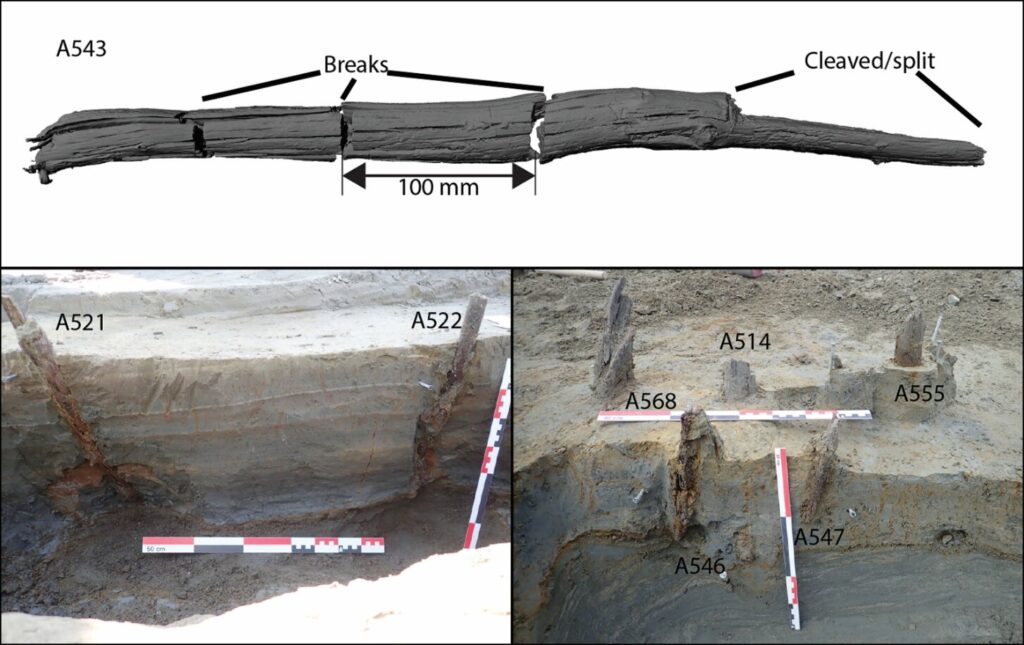
The radiocarbon results showed they were already in use from 5000 B.C., placing organized fishing activities firmly within the Scandinavian Mesolithic—a period that preceded the adoption of farming.
“This implies that fish—and more specifically brown trout (Salmo trutta)—were translocated by hunter-fisher-gatherers during the Scandinavian Mesolithic,” Mjærum said.
The discovery links the presence of introduced fish with the people who built and used the traps, providing evidence that these communities were not merely exploiting natural resources but actively shaping them.
Managing nature before agriculture
The findings challenge the idea that deliberate environmental management emerged only after farming societies developed.
The people responsible for introducing trout into these lakes lived before agriculture had become established in Scandinavia. Rather than cultivating crops or raising livestock, they relied on hunting, fishing, and gathering for survival.
Yet the research indicates they were still modifying their surroundings in ways designed to improve long-term food security.
Brown trout would have been an attractive species for this purpose. The fish can grow to a considerable size, provide substantial calories, and are relatively easy to catch, making them well suited for establishing productive fisheries in newly stocked lakes.
The researchers argue that these actions represent an intentional effort to control food resources. They suggest this can even be viewed as an early form of food production, demonstrating that pre-farming societies possessed the knowledge and capability to reshape ecosystems for practical benefit.
An environmental legacy that continues today
The consequences of these ancient decisions extended far beyond the Mesolithic period.
According to the study, the introduced trout populations persisted through the Neolithic, meaning that the ecological changes initiated thousands of years ago continued long after farming eventually spread into the region.
That legacy remains visible today. Modern anglers fishing at Lake Tesse are still catching brown trout descended from the fish first transported into these mountain waters thousands of years in the past.
The continuity highlights how a single human intervention can influence an ecosystem across millennia, leaving biological and cultural effects that endure long after the original communities disappeared.
Evidence of humanity’s long history of ecosystem engineering
The discovery adds to growing evidence that humans were transforming landscapes well before the rise of agricultural civilizations. Instead of viewing Mesolithic hunter-fisher-gatherers as passive users of natural environments, the research portrays them as people capable of making deliberate ecological changes that supported their livelihoods.
Mjærum said the findings demonstrate the broader significance of the ancient fish introductions.
“Hunter-fisher-gatherers’ release of brown trout into previously fishless lakes in the Norwegian mountains around 5000 B.C. is a very clear example of humans’ general capacity to reshape entire ecosystems, even before the introduction of farming.”
The study suggests that the roots of human environmental management stretch much deeper into prehistory than farming alone. By transporting fish into isolated mountain lakes and constructing traps to harvest them, Mesolithic communities created sustainable food resources while permanently altering the ecosystems they inhabited.
The findings were published in Antiquity.