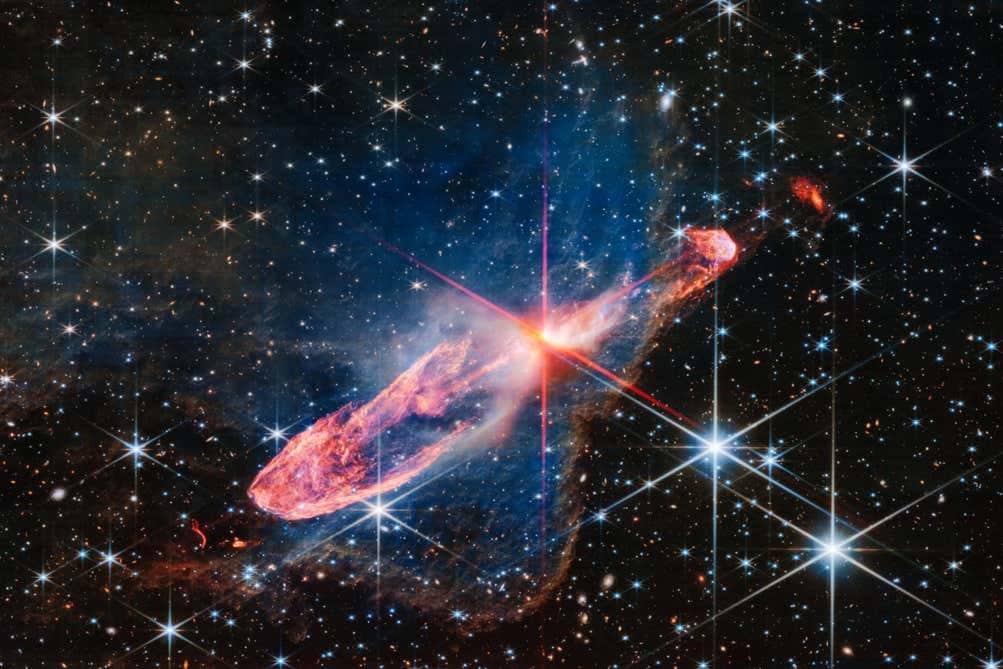
The universe is unimaginably vast.
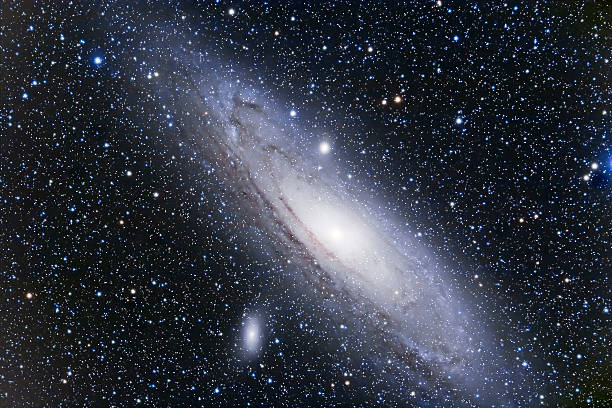
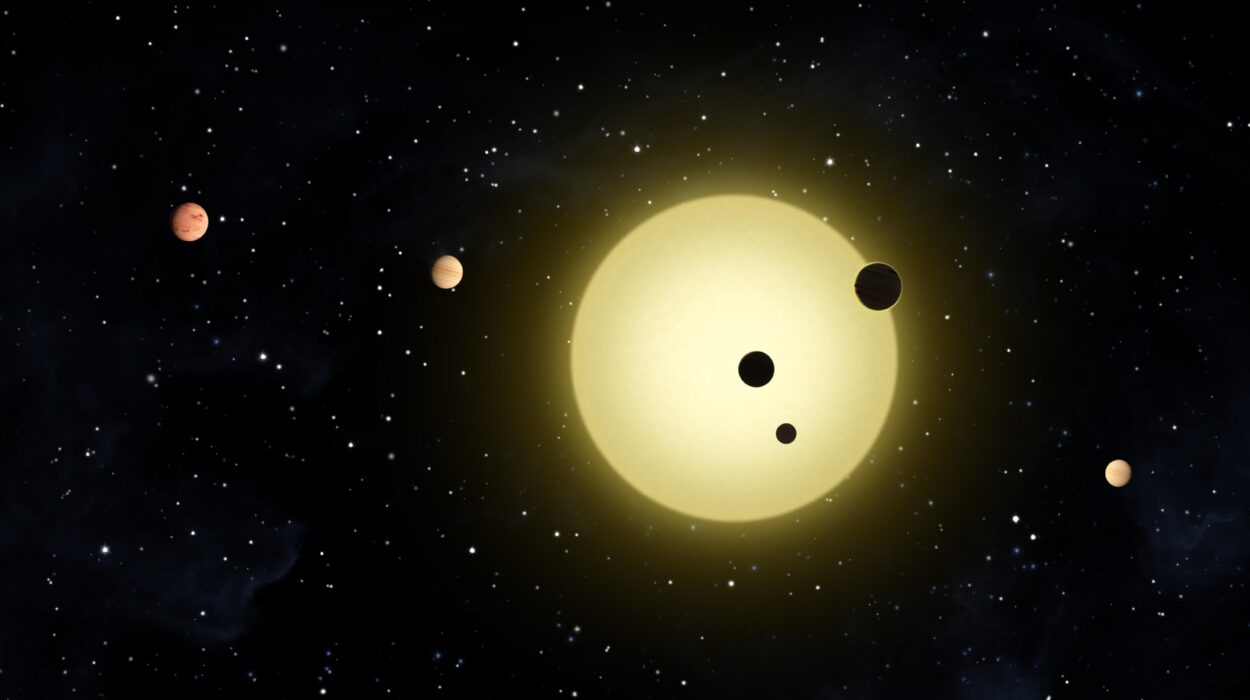
Our galaxy alone contains hundreds of billions of stars. Many of those stars possess planetary systems. Over the past few decades, astronomers have discovered thousands of exoplanets—worlds orbiting distant suns—revealing that planets are not rare curiosities but a common feature of the cosmos.
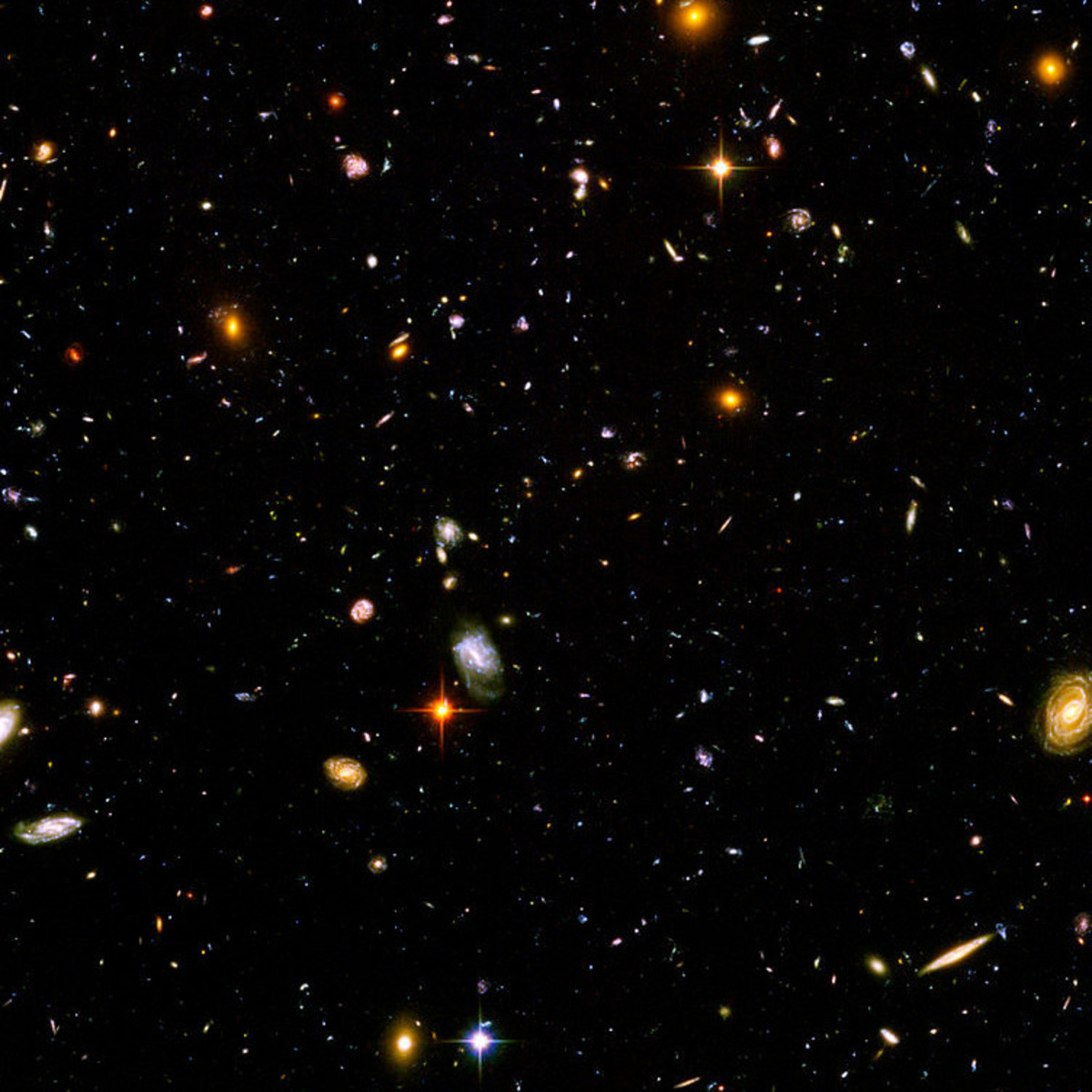
Across the observable universe, there are likely trillions of galaxies. Multiply that by hundreds of billions of stars per galaxy, and the number of potential habitats for life becomes almost incomprehensible.
And yet, the sky is silent.
No alien spacecraft roam our Solar System. No radio signals clearly reveal extraterrestrial civilizations. No galactic empires have left visible traces of engineering across the stars.
This profound contradiction between expectation and observation is known as the Fermi Paradox.
If intelligent life should be common, why do we see no evidence of it?
One of the most influential ideas proposed to explain this mystery is the concept of the Great Filter. The Great Filter suggests that somewhere along the path from lifeless matter to advanced, spacefaring civilizations, there exists an extremely difficult step—an obstacle so formidable that almost all life fails to pass it.
This step could occur early in the development of life, or late in the development of civilizations. If the filter lies ahead of us, humanity may face existential dangers that nearly every other civilization fails to survive.
But there is another, more hopeful possibility.
Perhaps the hardest steps are already behind us.
Perhaps the journey from simple chemistry to conscious intelligence is so improbably complex that very few planets ever make it this far. If that is true, humanity may already have passed the most dangerous bottlenecks in cosmic evolution.
Here are ten scientifically grounded reasons why the Great Filter might lie in humanity’s past rather than its future.
1. The Origin of Life May Be Extremely Rare
Life on Earth began surprisingly early in our planet’s history. Geological evidence suggests that microbial life existed at least 3.5 billion years ago, possibly even earlier.
At first glance, this seems to imply that life forms easily wherever conditions allow.
But the origin of life—called abiogenesis—remains one of the deepest mysteries in science. We do not yet know precisely how nonliving chemistry transitioned into self-replicating biological systems.
For life to begin, several unlikely steps may have been required. Organic molecules had to form from simpler compounds. These molecules needed to assemble into complex polymers such as RNA or similar informational molecules. Then a system capable of self-replication and evolution had to emerge.
The challenge is enormous. Cells today are extraordinarily complex machines containing molecular motors, regulatory networks, and genetic systems. Even the simplest bacteria represent the product of billions of years of evolution.
The earliest step—going from chemistry to biology—may require a rare combination of environmental conditions. Perhaps hydrothermal vents, tidal pools, or mineral surfaces provided crucial catalytic environments. Perhaps certain energy gradients were necessary. Perhaps specific molecules had to form in just the right sequence.
It is possible that most habitable planets never experience this transition at all.
If abiogenesis is extraordinarily rare, then the Great Filter could lie right at the beginning of life itself—and Earth may simply be one of the few worlds where that improbable spark occurred.
2. The Jump from Simple Cells to Complex Cells Was Incredibly Unlikely
For nearly two billion years, life on Earth consisted exclusively of simple single-celled organisms known as prokaryotes—bacteria and archaea.
These organisms are remarkably successful. They dominate Earth’s biomass and can survive in environments ranging from boiling hot springs to frozen Antarctic lakes.
But something extraordinary happened roughly two billion years ago: the emergence of eukaryotic cells.
Eukaryotic cells are far more complex than prokaryotes. They contain nuclei, mitochondria, and specialized internal structures called organelles. These features enable greater energy production and genetic regulation, making complex multicellular life possible.
Scientists believe this transformation occurred when one cell engulfed another in a symbiotic relationship. The engulfed bacterium eventually became the mitochondrion—the energy-producing powerhouse of the cell.
This event, known as endosymbiosis, may have happened only once in Earth’s entire history.
If that is true, the evolution of complex cells might represent a massive evolutionary bottleneck. Without eukaryotic cells, there would be no animals, plants, or fungi. Complex ecosystems would never arise.
If this step is extremely improbable, most life-bearing planets might remain forever dominated by microbes.
In that case, humanity may already have passed one of the most difficult filters in the universe.
3. Multicellular Life Took Billions of Years to Appear
Even after the emergence of complex cells, life remained microscopic for a very long time.
Multicellular organisms—those composed of many specialized cells—did not appear until around 600 million years ago. That means complex cells existed for more than a billion years before evolving into larger organisms.
Why did this transition take so long?
Multicellularity requires cooperation between cells. Individual cells must sacrifice their independence for the benefit of the larger organism. This demands sophisticated genetic regulation and communication systems.
Cells must coordinate growth, division, and specialization. Some cells become muscles, others nerves, others structural tissue. The organism must maintain internal balance while interacting with its environment.
Evolutionary biologists suspect that multicellularity may have evolved independently several times. But complex multicellular life capable of building large bodies and nervous systems remains rare even on Earth.
If the emergence of large organisms requires very specific conditions—such as sufficient oxygen levels in the atmosphere—then most planets might never progress beyond microbial ecosystems.
If so, humanity has already passed another profound evolutionary hurdle.
4. Intelligence May Be an Evolutionary Fluke
Life on Earth has existed for over 3.5 billion years. Yet technological intelligence appeared only once.
Many species possess impressive cognitive abilities. Dolphins communicate in sophisticated ways. Octopuses demonstrate problem-solving skills. Certain birds use tools and display remarkable memory.
But none of these species developed advanced technology.
Human intelligence may be the product of a highly specific evolutionary pathway involving environmental pressures, social complexity, and anatomical adaptations such as dexterous hands and large brains.
Even among mammals, intelligence comparable to humans is extremely rare.
If intelligence requires a precise combination of evolutionary circumstances—stable climates, ecological competition, cooperative social structures, and particular anatomical traits—it might emerge on only a tiny fraction of inhabited planets.
In other words, evolution does not inevitably lead to intelligent beings capable of building telescopes and spacecraft.
If intelligence is extraordinarily rare, humanity may represent a very unusual outcome in the history of life.
5. Stable Planetary Environments May Be Uncommon
Earth’s long-term stability has played a crucial role in the development of complex life.
Our planet benefits from several protective features: a strong magnetic field that shields the atmosphere from solar wind, plate tectonics that recycle carbon and regulate climate, and a large moon that stabilizes Earth’s axial tilt.
Without these factors, Earth’s climate might have fluctuated wildly.
Mars likely lost its magnetic field billions of years ago, allowing the solar wind to strip away much of its atmosphere. Venus underwent a runaway greenhouse effect, becoming a scorching world with surface temperatures hot enough to melt lead.
Earth, by contrast, has maintained relatively stable conditions for billions of years, allowing life to evolve gradually.
This delicate balance may be rare. Many planets may experience catastrophic climate shifts, asteroid bombardment, or atmospheric loss before complex ecosystems have time to develop.
If long-term planetary stability is uncommon, the evolution of advanced life might be far more difficult than we assume.
6. The Development of Technology Requires Unique Conditions
Even if intelligent life evolves, technological civilization may not automatically follow.
Humans developed technology partly because of specific environmental and anatomical advantages. Our upright posture freed our hands for tool use. Our opposable thumbs allow precise manipulation. Our large brains support language and abstract reasoning.
Equally important are environmental factors.
Human civilizations developed metallurgy because Earth’s crust contains accessible metal ores. We discovered fossil fuels because ancient forests became buried and compressed over geological time. We harnessed fire because our atmosphere contains abundant oxygen.
Other intelligent species might lack these opportunities.
A highly intelligent aquatic species, for example, might struggle to develop fire or metallurgy underwater. A planet without concentrated mineral deposits might never experience an industrial revolution.
Technology may require not just intelligence but a particular set of environmental resources.
If those conditions are rare, many intelligent species may remain permanently pre-industrial.
7. Catastrophic Extinctions May Usually Reset Evolution
Earth’s history includes several mass extinction events. One of the most famous occurred about 66 million years ago, when an asteroid impact triggered the Cretaceous–Paleogene extinction event that wiped out the dinosaurs.
Ironically, this catastrophe may have cleared the ecological stage for mammals—and eventually humans—to dominate.
But if extinction events occur too frequently, complex life may never get the chance to evolve intelligence.
Large asteroid impacts, supervolcano eruptions, nearby supernova explosions, and gamma-ray bursts could repeatedly reset planetary ecosystems.
If most habitable planets experience catastrophic disruptions before intelligence can arise, then technological civilizations would be exceedingly rare.
Earth may simply have enjoyed an unusually fortunate sequence of events.
8. The Emergence of Language and Culture May Be Rare
Human civilization is built not only on intelligence but also on language and cumulative culture.
Language allows complex ideas to be transmitted across generations. Cultural knowledge accumulates over time, enabling societies to build on previous discoveries rather than starting from scratch.
This process—sometimes called cumulative cultural evolution—is what allowed humanity to progress from stone tools to computers and spacecraft.
But language itself may require specific neurological and anatomical adaptations. Humans possess specialized brain regions for speech and language processing. Our vocal anatomy allows a wide range of sounds.
Without these capabilities, intelligent species might struggle to communicate complex ideas.
If cumulative culture is rare in the universe, then technological progress may be extraordinarily difficult to sustain.
9. Planetary Habitability Windows May Be Short
Planets do not remain habitable forever.
Stars gradually grow brighter as they age. Over billions of years, increasing solar radiation can alter planetary climates. Eventually, oceans may evaporate and atmospheres may escape into space.
Earth’s habitable window is limited.
Life emerged early in Earth’s history, but complex organisms appeared relatively late. If the habitable period of most planets is shorter than Earth’s, there may not be enough time for intelligence to evolve before conditions become hostile.
In that case, many planets may host life temporarily but never long enough for civilizations to arise.
Humanity may have emerged during a narrow but fortunate window in Earth’s long evolution.
10. The Chain of Improbable Events May Be Extremely Long
When scientists examine Earth’s history, they see not a single miracle but a long chain of unlikely events.
Life had to originate. Complex cells had to evolve. Multicellular organisms had to emerge. Intelligence had to develop. Environmental stability had to persist for billions of years.
Each step may be individually rare.
Multiply many low-probability events together, and the result becomes extraordinarily improbable.
This idea suggests that the Great Filter may not be one single obstacle but a series of evolutionary bottlenecks. Passing all of them may be so unlikely that very few planets succeed.
Humanity may represent the culmination of billions of years of fortunate accidents.
If that is true, we are not merely another species in a crowded galaxy.
We may be among the first.
A Quiet Universe
The silence of the cosmos can be unsettling.
When we gaze into the night sky, we are looking across enormous distances and ancient time. Thousands of stars shine in the darkness, each potentially hosting its own worlds.
And yet we hear nothing.
If the Great Filter lies ahead, humanity may face dangers that extinguish civilizations before they spread among the stars. But if the filter lies behind us—hidden in the improbable steps that led from chemistry to consciousness—then the universe may simply be a difficult place for intelligence to arise.
Either possibility carries profound implications.
If we are rare, our responsibility is immense. The fragile spark of intelligence that emerged on this small planet may represent something precious in the cosmic story.
The universe may contain countless stars.
But the number of minds capable of understanding them might be very small.
And that possibility makes our existence all the more extraordinary.