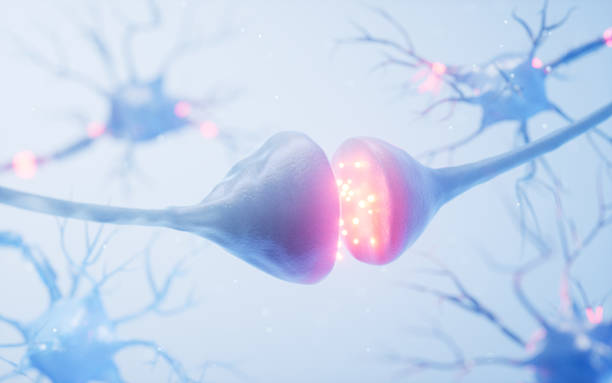
Dopamine is often called the “feel-good” chemical of the brain, but it’s far more than just a molecule of pleasure. It is the messenger of motivation, reward, and focus. When you feel driven to complete a goal, energized after exercise, or joyful after listening to your favorite song, dopamine is working behind the scenes. It is one of the brain’s most essential neurotransmitters, influencing mood, learning, movement, sleep, and even the regulation of hormones.
But here’s the catch: dopamine can be both a gift and a challenge. Too little dopamine is linked with fatigue, lack of motivation, sadness, and even conditions like depression and Parkinson’s disease. On the other hand, chasing artificial dopamine spikes—through unhealthy habits such as junk food, social media overuse, or addictive substances—can trap the brain in a cycle of craving and dissatisfaction.
The good news is that science has uncovered many natural, sustainable ways to support healthy dopamine levels. By nurturing your body and mind with the right habits, you can unlock a more balanced, energized, and motivated self. In this article, we’ll explore the 10 best scientifically backed ways to naturally boost dopamine.
1. Eat Dopamine-Boosting Foods
Dopamine is made from an amino acid called tyrosine, which the body obtains from food. Tyrosine is converted into L-DOPA, which then becomes dopamine. This means that what you eat plays a direct role in how much dopamine your brain can produce.
Foods rich in tyrosine include:
- Lean proteins such as chicken, turkey, and beef
- Fish like salmon and tuna
- Eggs
- Dairy products like milk, yogurt, and cheese
- Plant sources like soy, beans, lentils, nuts, and seeds
Additionally, foods rich in antioxidants—such as fruits and vegetables—help protect the brain’s dopamine-producing neurons from damage caused by free radicals. Bananas, particularly ripe ones, are also known to contain small amounts of dopamine itself, though it doesn’t cross the blood-brain barrier; instead, it helps by reducing oxidative stress.
Scientific studies confirm that diets high in protein and antioxidants can improve dopamine signaling and overall brain health. Unlike processed sugar, which causes dopamine spikes and crashes, these whole foods support stable dopamine levels and long-term well-being.
2. Exercise Regularly
Exercise is one of the most powerful natural boosters of dopamine. When you move your body—whether through running, swimming, dancing, or yoga—your brain releases dopamine along with other feel-good chemicals like endorphins and serotonin.
Scientific research shows that consistent aerobic exercise increases dopamine receptor availability in the brain, meaning your brain becomes more responsive to dopamine. This is particularly helpful for people experiencing dopamine-related disorders such as depression or ADHD.
Exercise also enhances blood flow to the brain, improves neuroplasticity (the brain’s ability to adapt and grow), and stimulates the release of brain-derived neurotrophic factor (BDNF), a protein that protects dopamine neurons.
Even a short daily walk can lift mood and sharpen focus. But for maximum dopamine benefits, combining cardiovascular exercise with strength training or high-intensity interval training (HIIT) is highly effective.
3. Get Enough Quality Sleep
Sleep is the reset button for your brain. Dopamine follows a daily rhythm: it rises in the morning to make you alert and falls at night to prepare you for rest. But when you don’t get enough sleep, this cycle is disrupted.
Studies show that sleep deprivation reduces the number of dopamine receptors in the brain, leading to fatigue, irritability, poor concentration, and lack of motivation. Over time, chronic sleep loss can severely impair dopamine function.
To protect your dopamine system, aim for 7–9 hours of quality sleep per night. Good sleep hygiene practices include:
- Going to bed and waking up at consistent times
- Reducing blue light exposure before bedtime
- Creating a dark, cool, and quiet sleeping environment
- Avoiding caffeine late in the day
When your sleep is restored, so is your dopamine balance—leaving you energized and motivated to tackle the day.
4. Practice Meditation and Mindfulness
Meditation is more than just relaxation—it can literally rewire your brain’s chemistry. Scientific studies show that mindfulness meditation increases dopamine release in the brain, particularly in regions associated with focus and attention.
Dopamine is tied to motivation and reward, and meditation strengthens your ability to regulate these systems. This is why people who meditate regularly often report feeling calmer, more motivated, and less reactive to stress.
Mindfulness practices like deep breathing, body scans, or guided meditation also reduce cortisol, the stress hormone that can interfere with dopamine function. By calming the nervous system, meditation allows dopamine pathways to function more smoothly.
Even just 10–15 minutes of daily meditation can create measurable improvements in dopamine-related brain activity.
5. Listen to Music You Love
Have you ever noticed how listening to your favorite song instantly lifts your mood? That’s dopamine at work. Research using brain imaging has shown that music stimulates dopamine release in the striatum, the brain’s reward center.
Interestingly, dopamine spikes occur not only when you listen to music but also when you anticipate your favorite parts of a song. This suggests that music engages the same motivational pathways as food, sex, and exercise.
For maximum effect, listen to music that gives you chills or deeply resonates with you emotionally. Creating playlists for work, exercise, or relaxation can help align dopamine release with your daily activities. Unlike addictive behaviors that drain dopamine, music is a safe and healthy way to engage the brain’s reward system.
6. Spend Time in Sunlight
Sunlight is a natural dopamine booster, and its effects go beyond vitamin D. Exposure to sunlight increases dopamine receptors in the brain, particularly in the areas linked to mood and motivation.
This is why many people experience low mood or seasonal affective disorder (SAD) during the darker winter months. Without sufficient light, dopamine activity decreases, leading to feelings of sluggishness or sadness.
Spending at least 30 minutes in natural sunlight per day—preferably in the morning—can help regulate dopamine. If sunlight is limited, light therapy lamps are a scientifically supported alternative.
Outdoor activities like hiking, gardening, or simply sitting outside not only boost dopamine but also reduce stress and promote overall mental health.
7. Reduce Stress and Practice Gratitude
Chronic stress is one of the biggest enemies of dopamine. High levels of cortisol (the stress hormone) interfere with dopamine release and receptor sensitivity, leaving you feeling drained and unmotivated.
Managing stress is therefore crucial for healthy dopamine function. Techniques such as journaling, deep breathing, progressive muscle relaxation, and yoga have been shown to reduce stress and improve dopamine balance.
Gratitude practices are another powerful way to enhance dopamine. When you reflect on positive experiences or things you’re thankful for, your brain rewards you with dopamine. Neuroscience studies show that practicing gratitude rewires neural pathways, making it easier to experience joy and motivation in daily life.
A simple practice like writing down three things you’re grateful for each day can gradually train your brain to release more dopamine in response to positive thoughts.
8. Take Cold Showers or Cold Exposure
It may sound uncomfortable, but cold exposure has surprising effects on dopamine. Research shows that immersion in cold water significantly increases dopamine levels, with effects lasting hours after exposure.
This happens because cold exposure activates the sympathetic nervous system, releasing dopamine and norepinephrine. These chemicals create a powerful sense of alertness, energy, and mental clarity.
Cold showers, ice baths, or even splashing your face with cold water can stimulate dopamine release naturally. Many people who practice cold exposure report feeling more motivated and resilient in both body and mind.
While it may take some courage to start, the dopamine boost from cold exposure is one of the most effective and natural methods discovered by science.
9. Pursue Meaningful Goals and Rewards
Dopamine is often called the “motivation molecule” because it drives us to seek rewards. But not all rewards are equal. Short-term dopamine hits from scrolling social media or eating junk food may feel good in the moment, but they leave you drained and wanting more.
Science shows that pursuing long-term, meaningful goals provides a healthier and more sustainable dopamine release. The process of working toward a goal activates dopamine pathways, not just the final reward. This means setting achievable milestones and celebrating progress keeps dopamine flowing.
For example, learning a new skill, building a habit, or working on a creative project gives your brain regular bursts of dopamine, reinforcing motivation over time. Unlike instant gratification, these types of goals build resilience, confidence, and long-lasting fulfillment.
10. Connect with Others and Build Relationships
Humans are social beings, and dopamine plays a key role in social bonding. Positive social interactions—whether laughing with friends, hugging a loved one, or even petting a dog—trigger dopamine release.
Studies show that oxytocin (the “love hormone”) works hand in hand with dopamine to strengthen bonds, trust, and empathy. This is why relationships are so powerful for our well-being. Loneliness, on the other hand, is associated with lower dopamine activity and increased risk of depression.
Investing time in relationships, volunteering, or simply engaging in meaningful conversations can boost dopamine naturally. Even small acts of kindness or shared experiences can activate the brain’s reward system, making social connection one of the most rewarding dopamine boosters of all.
Conclusion
Dopamine is the lifeblood of motivation, joy, and focus. Yet, in our modern world, many of us fall into traps of artificial dopamine—endless scrolling, junk food, or addictive habits—that leave us depleted. Science, however, shows us that there are natural, sustainable ways to nurture dopamine in healthy ways.
By eating dopamine-rich foods, exercising regularly, sleeping well, meditating, enjoying music, soaking up sunlight, reducing stress, embracing cold exposure, pursuing meaningful goals, and connecting with others, you can create a lifestyle that supports vibrant dopamine function.
The best part? These habits not only boost dopamine—they also improve your physical health, mental clarity, and emotional resilience. When practiced consistently, they help you build a life of energy, motivation, and genuine happiness.
The universe has wired us with a remarkable chemical that fuels our drive and joy. When we learn to boost dopamine naturally, we are not just chasing pleasure—we are cultivating a more fulfilling and purpose-driven life.