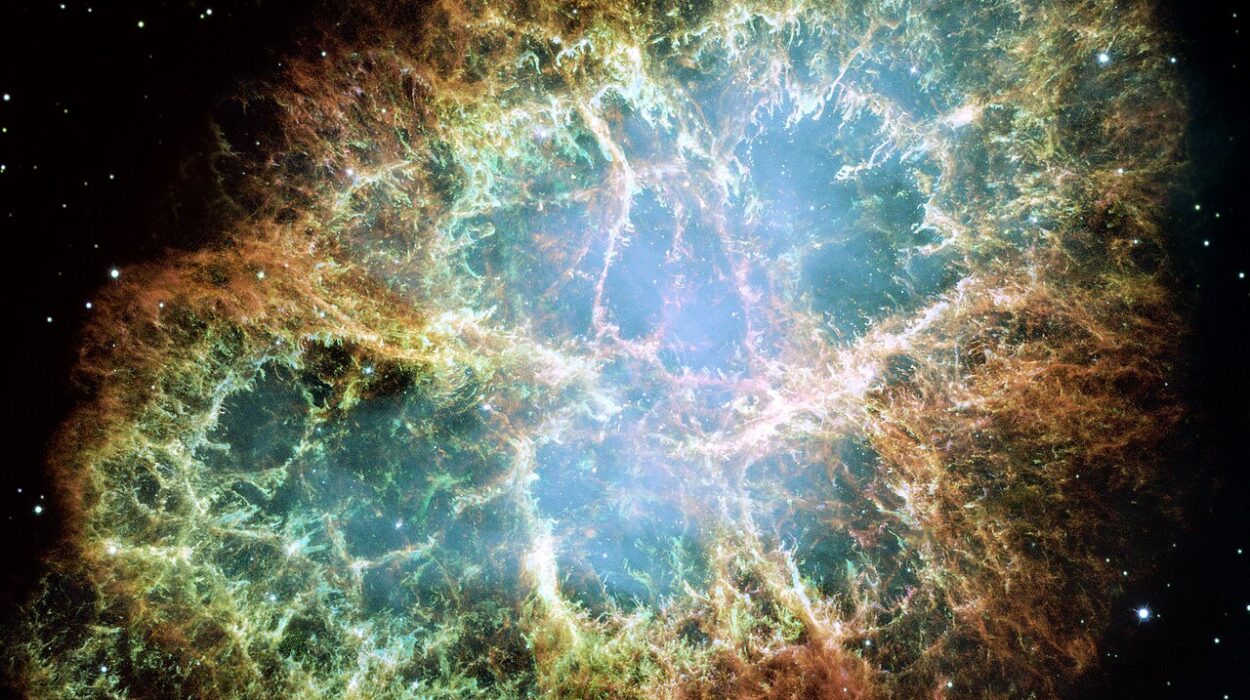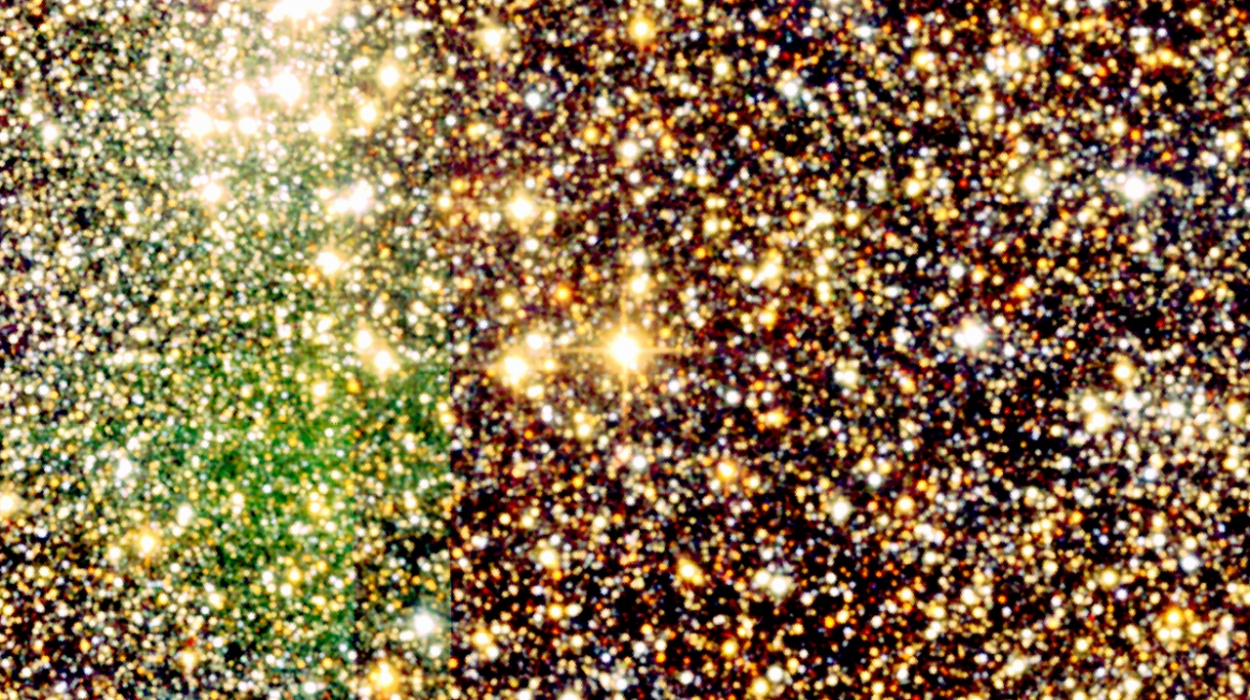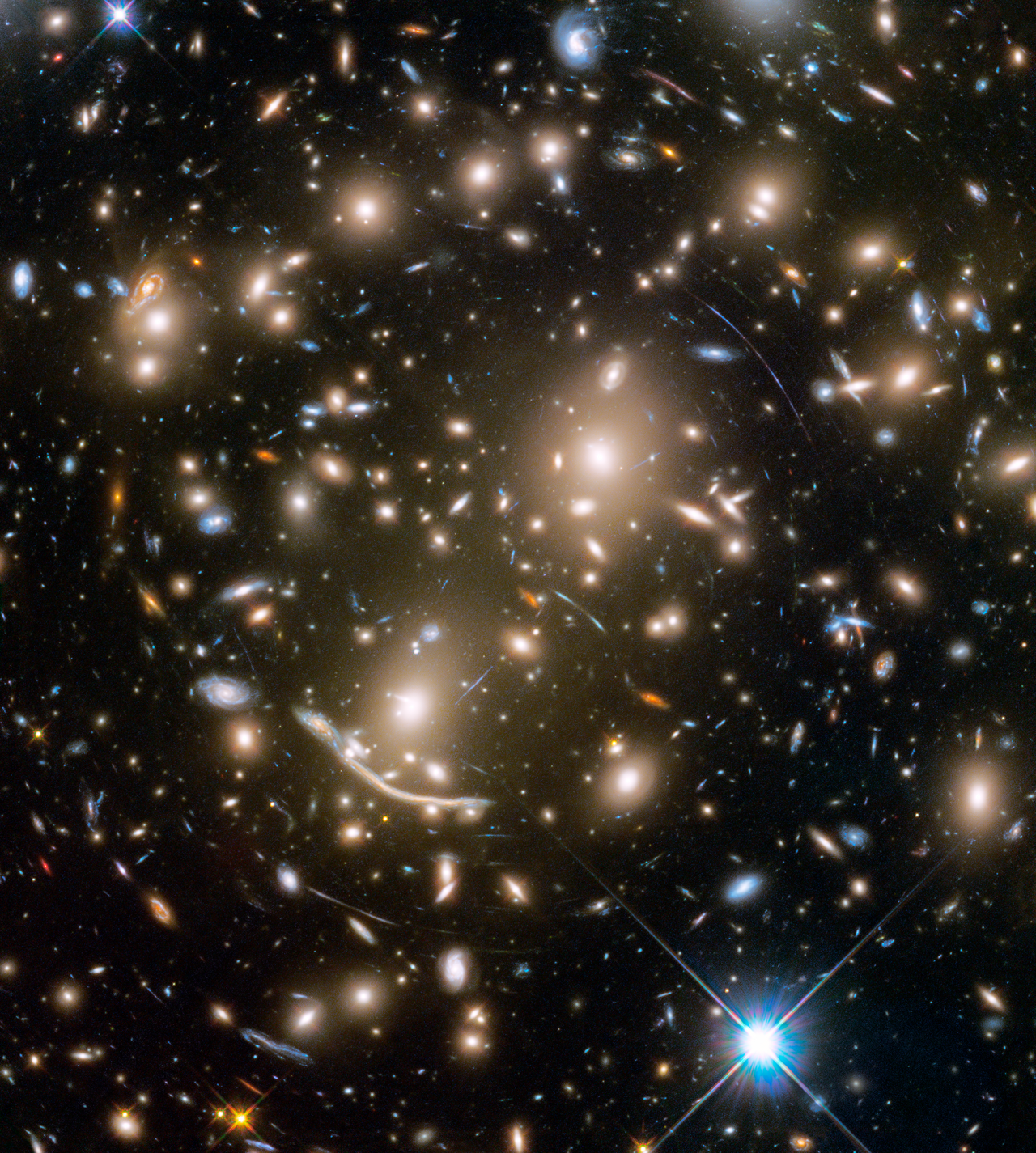
On a clear night beneath a dark sky, the stars above can seem timeless. The faint band of the Milky Way stretches across the heavens much as it has for countless generations. To human eyes, the universe appears calm, permanent, and unchanging.
Yet this impression is an illusion.
The cosmos is constantly evolving. Stars are born and die. Black holes grow. Clouds of gas collapse into brilliant stellar nurseries. Entire galaxies collide, merge, and transform. Over immense spans of time, structures that appear eternal undergo dramatic changes.
Galaxies, the giant cities of stars that fill the universe, are not fixed objects frozen in time. They have histories, life cycles, and futures. A galaxy seen today may look completely different billions of years from now. Its shape may change. Its stellar population may age. Its star-forming regions may fade. It may absorb smaller galaxies or merge with larger neighbors.
The study of these long-term transformations is known as galactic evolution.
Galactic evolution seeks to answer one of astronomy’s most fascinating questions: How do galaxies change over billions of years?
The answer reveals a universe far more dynamic and dramatic than most people imagine. It is a story of growth, destruction, renewal, and transformation on scales almost beyond comprehension.
Understanding What a Galaxy Is
Before exploring galactic evolution, it is important to understand what galaxies are.
A galaxy is a vast gravitationally bound collection of stars, gas, dust, dark matter, planets, black holes, and other cosmic material. Galaxies come in many sizes and shapes.
Some contain only a few million stars. Others contain trillions.
Our home galaxy, the Milky Way, contains hundreds of billions of stars spread across a structure more than 100,000 light-years wide.
Galaxies are among the fundamental building blocks of the universe. Nearly every star visible in the night sky belongs to a galaxy, and beyond our own galaxy lie hundreds of billions more.
These enormous systems may seem permanent, but they are constantly changing through a variety of physical processes.
Galactic evolution is the study of those changes.
The Universe Was Not Always Filled with Galaxies
One of the most remarkable discoveries in modern astronomy is that galaxies had a beginning.
Shortly after the Big Bang, the universe looked nothing like it does today.
There were no galaxies.
There were no stars.
There were no planets.
The early universe consisted primarily of hot particles, radiation, and expanding space.
As the universe expanded and cooled, matter gradually began to collect under the influence of gravity. Tiny variations in density became increasingly important.
Regions containing slightly more matter than average exerted a stronger gravitational pull.
Over millions and billions of years, these dense regions attracted more material.
Eventually, the first galactic structures began to emerge.
Galactic evolution therefore begins with the birth of galaxies themselves.
The Role of Dark Matter
To understand how galaxies form and evolve, astronomers must first consider dark matter.
Dark matter remains one of the greatest mysteries in science.
Unlike ordinary matter, dark matter does not emit, absorb, or reflect light. It is invisible to telescopes.
Yet its gravitational influence is enormous.
Evidence suggests that dark matter makes up most of the matter in the universe.
Shortly after the Big Bang, dark matter began clumping together under gravity.
These clumps formed enormous structures known as dark matter halos.
Ordinary matter, primarily hydrogen and helium gas, fell into these halos.
As gas accumulated, galaxies began taking shape.
In many ways, dark matter provided the invisible scaffolding upon which galaxies were built.
Without it, galactic evolution might have unfolded very differently.
The Birth of the First Galaxies
The first galaxies were very different from the large, majestic systems we see today.
They were generally smaller, less organized, and more chaotic.
The early universe was crowded with gas and matter. Interactions between young galaxies occurred frequently.
Stars formed rapidly within dense clouds of hydrogen gas.
These first generations of stars played a crucial role in shaping galactic evolution.
Many were far more massive than the Sun.
Because massive stars consume their fuel quickly, they lived short lives before exploding as supernovae.
These explosions enriched galaxies with heavier elements such as carbon, oxygen, silicon, and iron.
Over time, these elements became the building blocks of future stars, planets, and eventually life itself.
The earliest galaxies were not merely collections of stars. They were cosmic factories transforming the chemical makeup of the universe.
Gravity: The Architect of Galactic Evolution
Gravity is the primary force driving galactic evolution.
Every major stage of a galaxy’s life involves gravity in some way.
Gravity pulls gas together to form stars.
Gravity holds galaxies together.
Gravity causes galaxies to interact and merge.
Gravity shapes the large-scale structure of the universe.
Without gravity, matter would remain scattered throughout space.
Stars would not form.
Galaxies would not exist.
Throughout billions of years, gravity continuously influences the growth and transformation of galactic systems.
In many ways, galactic evolution is the story of gravity operating on the grandest scales imaginable.
Star Formation and Galactic Growth
One of the most important processes in galactic evolution is star formation.
Young galaxies often contain vast reservoirs of cold hydrogen gas.
Under the influence of gravity, regions within these clouds collapse inward.
As they become denser, temperatures rise.
Eventually, nuclear fusion ignites, and a new star is born.
When star formation occurs across an entire galaxy, it can dramatically alter the galaxy’s appearance.
Young stars are typically hot, bright, and blue.
Galaxies rich in newly formed stars often shine with a bluish color.
These galaxies appear active and vibrant.
In contrast, galaxies where star formation has largely ceased tend to contain older, cooler stars.
These systems often appear yellowish or reddish.
The rate at which stars form is one of the most important factors determining a galaxy’s evolution.
The Life Cycle of Stars and Their Influence on Galaxies
Galactic evolution is deeply connected to stellar evolution.
Stars are not permanent.
They are born, live for millions or billions of years, and eventually die.
As stars age, they influence their host galaxies in several ways.
Young massive stars emit powerful radiation and stellar winds that shape surrounding gas clouds.
When massive stars explode as supernovae, they inject enormous amounts of energy into their environments.
These explosions distribute heavy elements throughout the galaxy.
Future generations of stars form from this enriched material.
As a result, galaxies gradually become chemically more complex over time.
The carbon in living organisms, the oxygen we breathe, and the iron in our blood were all forged within ancient stars.
Galactic evolution and stellar evolution are inseparable parts of the same cosmic story.
Why Galaxies Have Different Shapes
One of the most visible outcomes of galactic evolution is the wide variety of galaxy shapes.
Some galaxies are spirals.
Others are elliptical.
Still others are irregular.
These shapes are not random.
They reflect a galaxy’s history.
Spiral galaxies typically contain rotating disks rich in gas and active star formation.
Elliptical galaxies often contain older stars and relatively little gas.
Irregular galaxies frequently show signs of past interactions or ongoing disturbances.
The shape of a galaxy can reveal clues about billions of years of evolution.
Astronomers often describe galactic appearance as a kind of fossil record.
By studying a galaxy’s structure, scientists can reconstruct aspects of its past.
Galactic Collisions: Cosmic Encounters
One of the most dramatic drivers of galactic evolution is collision.
Although galaxies are separated by enormous distances, collisions are surprisingly common on cosmic timescales.
Galaxies move through space under the influence of gravity.
Over billions of years, some inevitably approach one another.
When galaxies collide, the results can be spectacular.
Contrary to what many imagine, stars rarely crash directly into each other.
The distances between stars are simply too large.
Instead, gravity reshapes the galaxies involved.
Spiral arms may stretch outward.
Gas clouds may compress.
Star formation may accelerate dramatically.
The galaxies may eventually merge into a completely new system.
These interactions play a central role in galactic evolution.
Galaxy Mergers and Transformation
Some collisions lead to mergers.
A merger occurs when two galaxies combine into a single larger galaxy.
This process can take hundreds of millions or even billions of years.
During a merger, gravitational forces pull stars and gas into new arrangements.
The original structures often disappear.
Two spiral galaxies may merge to create a giant elliptical galaxy.
Gas clouds collide and trigger intense bursts of star formation.
Central black holes may move toward one another and eventually merge.
These events profoundly alter a galaxy’s future.
Many of the largest galaxies in the universe were built through repeated mergers over cosmic history.
In a sense, galaxies grow by consuming and absorbing other galaxies.
The Growth of Supermassive Black Holes
At the centers of most large galaxies reside supermassive black holes.
These objects contain millions or even billions of times the mass of the Sun.
The relationship between galaxies and their central black holes is one of the most intriguing areas of modern astronomy.
As galaxies evolve, their black holes often grow as well.
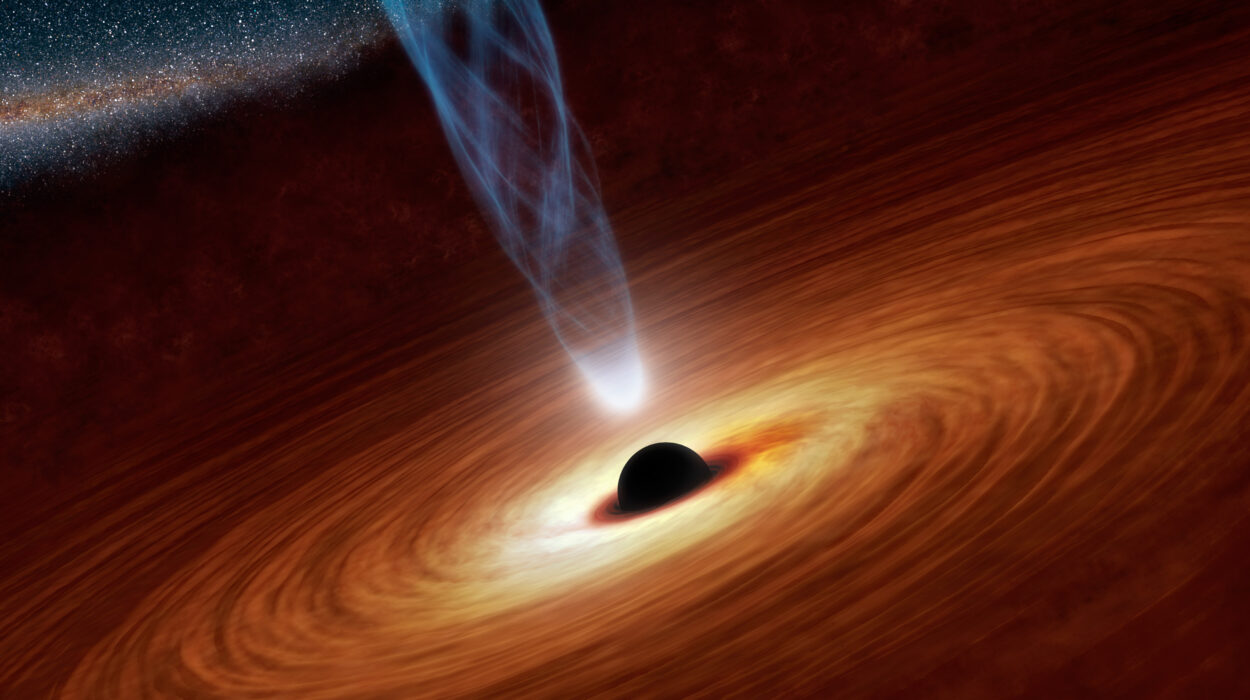
Gas falling toward the black hole can form an extremely hot accretion disk.
This process releases enormous amounts of energy.
In some cases, the central region becomes an active galactic nucleus.
The energy produced can influence the entire galaxy.
Powerful outflows may heat surrounding gas and reduce future star formation.
Thus, black holes are not merely passive occupants of galaxies.
They actively participate in galactic evolution.
Starburst Galaxies
Sometimes galaxies experience periods of extraordinarily intense star formation.
These episodes are known as starbursts.
During a starburst, stars form at rates many times greater than normal.
Galaxy collisions often trigger these events.
When gas clouds collide and compress, they create ideal conditions for stellar birth.
A starburst galaxy may produce thousands of new stars in a relatively short period.
Such episodes dramatically affect galactic evolution.
They consume large amounts of gas.
They produce powerful stellar winds.
They generate numerous supernova explosions.
Although starbursts are temporary, their effects can shape a galaxy for billions of years.
The Importance of Gas
Gas is the fuel that powers star formation.
A galaxy rich in cold hydrogen gas can continue producing stars for long periods.
A galaxy that loses its gas faces a different future.
Without fresh material, star formation gradually declines.
Existing stars continue aging, but few new stars replace them.
Over time, the galaxy becomes dominated by older stellar populations.
Astronomers often describe gas as the lifeblood of a galaxy.
The amount, distribution, and movement of gas strongly influence galactic evolution.
Understanding how galaxies gain and lose gas remains a major focus of research.
Galactic Cannibalism
The phrase “galactic cannibalism” may sound dramatic, but it accurately describes a common cosmic process.
Large galaxies frequently absorb smaller companions.
As a dwarf galaxy approaches a larger galaxy, tidal forces begin pulling it apart.
Its stars may spread into long streams.
Eventually, much of the smaller galaxy becomes incorporated into the larger system.
The Milky Way itself has grown partly through this process.
Astronomers have discovered evidence that our galaxy has absorbed numerous smaller galaxies throughout its history.
Galactic cannibalism contributes significantly to galactic growth and evolution.
The Evolution of Spiral Galaxies
Spiral galaxies are among the most visually striking structures in the universe.
Their graceful arms contain abundant gas, dust, and young stars.
Over time, however, spiral galaxies evolve.
Star formation gradually consumes available gas.
Interactions with neighboring galaxies may distort spiral patterns.
Mergers can completely transform their structure.
The future of a spiral galaxy depends largely on its environment.
Some may retain their spiral appearance for billions of years.
Others may eventually become elliptical galaxies following major mergers.
Spiral galaxies are not permanent forms.
They are stages within larger evolutionary journeys.
The Evolution of Elliptical Galaxies
Elliptical galaxies often represent a later stage of galactic evolution.
These systems generally contain older stars and relatively little gas.
Because they lack significant star-forming material, new stars form only rarely.
Elliptical galaxies tend to appear smooth and reddish.
Many are believed to have formed through mergers involving spiral galaxies.
After repeated collisions, organized structures disappear.
The resulting galaxy becomes dominated by random stellar motions rather than orderly rotation.
Elliptical galaxies may continue evolving through additional mergers, but their overall appearance often changes more slowly than younger systems.
Irregular Galaxies and Cosmic Youth
Irregular galaxies play a unique role in galactic evolution.
These systems lack the clear structures seen in spirals and ellipticals.
Many irregular galaxies are relatively small and rich in gas.
Their active star formation makes them valuable laboratories for studying galactic growth.
In the distant universe, astronomers observe many young galaxies that appear irregular.
This suggests that irregular structures were more common during earlier cosmic epochs.
Some irregular galaxies may eventually evolve into more organized forms.
Others remain chaotic due to ongoing interactions.
Their diversity highlights the complexity of galactic evolution.
Chemical Evolution Within Galaxies
Galaxies do not evolve only in appearance.
Their chemical composition changes as well.
The earliest galaxies consisted mainly of hydrogen and helium.
Heavier elements were rare.
As stars formed and died, they created new elements through nuclear fusion.
Supernova explosions distributed these materials throughout galaxies.
Future generations of stars incorporated the enriched matter.
Over billions of years, galaxies became increasingly rich in heavy elements.
This chemical evolution has profound consequences.
Planets require heavy elements.
Life depends on elements such as carbon, oxygen, nitrogen, and phosphorus.
The evolution of galaxies therefore helped create the conditions necessary for life to emerge.
Looking Back Through Time
One of astronomy’s greatest advantages is its ability to observe the past.
Light travels at a finite speed.
When we observe distant galaxies, we see them as they existed long ago.
A galaxy one billion light-years away appears as it was one billion years in the past.
A galaxy ten billion light-years away reveals conditions from ten billion years ago.
Powerful telescopes allow astronomers to study galactic evolution directly by observing galaxies at different stages of cosmic history.
This ability is like having access to a vast historical archive stretching across billions of years.
Every distant galaxy provides a glimpse into the universe’s past.
The Future of the Milky Way
Galactic evolution is not merely something that happened long ago.
It continues today.
The Milky Way remains an active galaxy.
Stars continue forming within its spiral arms.
It continues interacting with nearby dwarf galaxies.
Its central black hole continues influencing the galactic environment.
One of the most significant future events involves the neighboring Andromeda Galaxy.
The Milky Way and Andromeda are moving toward each other.
In roughly four to five billion years, they are expected to begin merging.
The collision will transform both galaxies.
Their shapes will change dramatically.
New bursts of star formation may occur.
Eventually, they will likely form a single larger galaxy.
This future merger demonstrates that galactic evolution remains an ongoing process.
The Role of Environment
Not all galaxies evolve in the same way.
Their surroundings matter greatly.
Galaxies located in dense clusters experience frequent interactions.
Those in more isolated regions may evolve more quietly.
Cluster environments can strip gas from galaxies.
Repeated encounters may alter structures and suppress star formation.
Isolated galaxies often retain gas longer and continue producing stars for extended periods.
Environment acts as a powerful influence on galactic destiny.
Two galaxies born under similar conditions may follow very different evolutionary paths depending on where they reside.
The Ultimate Fate of Galaxies
What happens to galaxies over the longest timescales?
Current evidence suggests many galaxies will eventually exhaust much of their star-forming gas.
As star formation declines, galaxies become increasingly dominated by aging stars.
The brightest, hottest stars die first.
Remaining stars become older and dimmer.
Over trillions of years, galaxies may evolve into quieter and less active systems.
Yet even then, gravitational interactions and mergers will continue shaping cosmic structures.
Galactic evolution never truly stops.
It simply unfolds at different rates and in different forms.
Why Galactic Evolution Matters
Understanding galactic evolution helps answer some of humanity’s most profound questions.
How did galaxies form?
Why do they look different?
How did the elements necessary for life arise?
What is the future of the Milky Way?
How has the universe changed since the Big Bang?
Galactic evolution connects these questions into a single narrative.
It reveals that galaxies are not static collections of stars.
They are dynamic systems shaped by gravity, star formation, chemical enrichment, black holes, collisions, and cosmic time.
Every galaxy visible through a telescope carries a unique history written across billions of years.
Conclusion
Galactic evolution is the story of how galaxies form, grow, interact, and transform over cosmic time. Beginning with tiny fluctuations in the early universe, galaxies emerged within vast halos of dark matter and gradually developed into the diverse structures we observe today. Through star formation, supernova explosions, gas flows, black hole activity, collisions, and mergers, galaxies continuously change their appearance and composition.
The spiral galaxies, elliptical giants, and irregular systems scattered across the cosmos are not permanent creations. They are snapshots of ongoing journeys that span billions of years. Every galaxy possesses a past shaped by countless events and a future still unfolding.
By studying galactic evolution, astronomers are not simply examining distant objects in space. They are uncovering the history of the universe itself. They are learning how stars, planets, and the elements of life came to exist. They are discovering how the Milky Way became our cosmic home and how it will continue changing long after humanity is gone.
In the end, galactic evolution reminds us that the universe is not a static masterpiece hanging in space. It is a living, evolving cosmos where change is constant, creation never truly ends, and every galaxy is part of an extraordinary story still being written across the vastness of time.