Look at your hand for a moment.
Stretch your fingers. Move them slowly. Feel the skin, muscles, and bones working together in perfect coordination. It feels natural, effortless, and ordinary. Yet hidden beneath the surface is one of the most extraordinary realities in all of science.
Your hand is made of trillions of tiny living units called cells.
Every heartbeat, every thought, every breath, every smile, and every step depends on these microscopic structures. They are so small that millions of them could fit inside a single drop of water, yet they collectively build every living thing on Earth.
A towering redwood tree, a soaring eagle, a blue whale, a blooming rose, and a human being all share something remarkable: they are made of cells.
Cells are the fundamental units of life. They are life’s smallest living building blocks, capable of performing the essential functions that keep organisms alive. Without cells, there would be no plants, no animals, no forests, no oceans filled with life, and no human civilization.
For centuries, people had no idea cells existed. They lived, breathed, and observed nature without realizing that an invisible world of tiny living structures lay beneath everything they saw. When scientists finally discovered cells, it transformed our understanding of life forever.
Today, cells remain one of biology’s most fascinating subjects. They are miniature worlds of astonishing complexity, filled with molecular machines, communication networks, energy factories, and genetic instructions.
To understand cells is to understand life itself.
The Discovery of Cells
The story of cells begins with a revolutionary invention: the microscope.
Before microscopes existed, humans could only observe objects visible to the naked eye. The microscopic world remained hidden.
During the seventeenth century, improvements in lens-making technology allowed scientists to see things never observed before.
In 1665, English scientist Robert Hooke examined a thin slice of cork under a microscope. He noticed tiny box-like compartments arranged in a pattern.
These compartments reminded him of small rooms used by monks, called cells. He therefore named them “cells.”
Hooke had actually observed the dead cell walls of plant tissue rather than living cells, but his observation marked a historic moment.
Soon afterward, Dutch scientist Antonie van Leeuwenhoek built powerful microscopes capable of revealing living microorganisms.
Looking through his lenses, he discovered a hidden universe filled with tiny living creatures swimming through drops of water.
For the first time in history, humanity glimpsed the microscopic foundations of life.
What Exactly Is a Cell?
A cell is the smallest unit of life capable of carrying out all the processes necessary for survival.
This definition is more important than it might initially seem.
Many things are small, but not alive. Dust particles are tiny. Sand grains are tiny. Water droplets can be tiny.
Cells are different because they are living systems.
A cell can obtain energy.
A cell can respond to its environment.
A cell can grow.
A cell can reproduce.
A cell can maintain internal conditions necessary for life.
Even a single-celled organism can perform all these functions independently.
In essence, a cell is a complete living entity, even when it exists alone.
Some organisms consist of only one cell, while others contain trillions.
Regardless of size or complexity, every known form of life is built from cells.
The Cell Theory
As scientists learned more about cells, they developed one of biology’s most important concepts: cell theory.
Cell theory forms the foundation of modern biology.
According to this theory, all living organisms are made of cells.
Cells are the basic units of structure and function in living things.
New cells arise only from existing cells.
These ideas may seem obvious today, but they represented a major scientific breakthrough.
Before cell theory, many people believed life could spontaneously emerge from nonliving matter.
Scientists now know that every living cell comes from another living cell through a process of reproduction.
This realization connected all living things through a shared biological principle.
Cells Are Tiny Cities
One of the best ways to understand a cell is to imagine it as a bustling city.
Like a city, a cell contains specialized structures performing different jobs.
There are systems for generating energy.
There are transportation networks.
There are communication centers.
There are recycling facilities.
There are manufacturing plants.
There are storage areas.
There is even a central information center that directs activities.
Everything works together in remarkable coordination.
Although cells are microscopic, they are far from simple.
Modern research has revealed astonishing levels of complexity inside even the smallest cells.
What appears under a microscope as a tiny blob is actually an intricate world filled with activity.
The Cell Membrane: The Protective Border
Every cell is surrounded by a structure called the cell membrane.
This membrane acts as the cell’s boundary, separating the internal environment from the outside world.
You can think of it as a protective border surrounding a city.
The membrane performs several essential functions.
It protects the cell.
It controls what enters.
It controls what leaves.
It helps cells communicate with one another.
The membrane is not a solid wall. Instead, it is flexible and selectively permeable.
This means certain substances can pass through while others cannot.
Oxygen may enter.
Waste products may leave.
Nutrients can be absorbed.
Harmful substances may be blocked.
Without the cell membrane, life would be impossible.
The Cytoplasm: Life in Motion
Inside the membrane lies a substance called cytoplasm.
The cytoplasm fills much of the cell’s interior.
For many years, scientists thought it was simply a jelly-like material holding everything together.
Modern research has revealed something far more dynamic.
The cytoplasm is an active environment where countless chemical reactions occur every second.
Proteins move through it.
Nutrients travel through it.
Molecular messages pass from one location to another.
Tiny structures constantly transport materials throughout the cell.
Far from being an empty space, the cytoplasm is a busy workplace supporting cellular life.
The Nucleus: The Cell’s Information Center
In most complex cells, one structure stands out above the rest: the nucleus.
The nucleus contains the cell’s genetic information.
This information is stored in DNA, the molecule carrying instructions for building and maintaining life.
You can think of the nucleus as the control center of the cell.
Inside the nucleus are detailed instructions that determine how the cell functions.
These instructions influence everything from growth and repair to reproduction and specialized activities.
Every cell in your body contains DNA carrying the blueprint for your entire organism.
Remarkably, the DNA in a skin cell contains essentially the same genetic information as the DNA in a brain cell.
What differs is which instructions are actively used.
DNA: The Language of Life
DNA is one of the most important molecules in biology.
Its full name is deoxyribonucleic acid.
DNA contains coded instructions written using four chemical building blocks.
The sequence of these building blocks forms the genetic language of life.
This language determines countless characteristics.
It influences eye color, height, blood type, and many biological processes.
DNA also contains instructions for producing proteins, which perform much of the work inside cells.
In many ways, DNA serves as life’s instruction manual.
Every organism on Earth relies on DNA or closely related genetic systems.
This shared genetic foundation reflects the deep connections among all living things.
Ribosomes: Protein Factories
Cells constantly build proteins.
Proteins are essential molecules involved in structure, movement, communication, defense, and countless other functions.
The structures responsible for producing proteins are called ribosomes.
Ribosomes read genetic instructions and assemble proteins accordingly.
This process is astonishingly precise.
Proteins must be constructed using the correct sequence of building blocks called amino acids.
Even small errors can affect how proteins function.
Millions of ribosomes operate continuously within cells, manufacturing the molecules necessary for life.
Without ribosomes, cells could not survive.
The Endoplasmic Reticulum: Cellular Highways
Connected to the nucleus is a network of membranes known as the endoplasmic reticulum.
This structure serves as a transportation and production system within the cell.
Some regions help produce proteins.
Other regions help produce fats and other important molecules.
Materials move through this network to reach different parts of the cell.
In a sense, the endoplasmic reticulum functions like an internal highway system, connecting various cellular locations.
Its extensive network ensures efficient distribution of materials.
The Golgi Apparatus: Packaging and Shipping
Once proteins are produced, many require processing and delivery.
This task belongs to the Golgi apparatus.
The Golgi apparatus modifies, sorts, packages, and distributes molecules.
You can think of it as a cellular shipping center.
Products arrive.
They are processed.
They are packaged.
They are sent to their destinations.
Some remain inside the cell.
Others are exported beyond the cell membrane.
This system ensures that cellular products reach the correct locations.
Mitochondria: The Powerhouses of the Cell
Every living cell requires energy.
One of the most famous cellular structures is the mitochondrion.
Mitochondria are often called the powerhouses of the cell because they generate much of the energy needed for cellular activities.
They accomplish this through a process called cellular respiration.
Using oxygen and nutrients, mitochondria produce a molecule called ATP, which serves as the cell’s primary energy currency.
Every movement you make depends on ATP.
Every heartbeat requires ATP.
Every thought occurring in your brain relies on ATP.
Without mitochondria, complex life as we know it could not exist.
Chloroplasts: Capturing Sunlight
Plant cells possess a remarkable structure absent from animal cells.
These structures are called chloroplasts.
Chloroplasts contain chlorophyll, the green pigment responsible for the color of plants.
Their primary function is photosynthesis.
During photosynthesis, chloroplasts capture sunlight and use its energy to produce sugars from carbon dioxide and water.
This process supports nearly all life on Earth.
Plants convert solar energy into chemical energy.
Animals ultimately depend on this energy, either directly or indirectly.
Every forest, field, and garden owes its existence to chloroplasts.
Vacuoles: Storage Centers
Cells must store various materials.
This responsibility often falls to structures called vacuoles.
Vacuoles can hold water, nutrients, waste products, pigments, and other substances.
Plant cells frequently contain large central vacuoles that occupy much of the cell’s volume.
These vacuoles help maintain structural support and water balance.
Storage may seem simple, but it plays a crucial role in cellular survival.
Efficient storage allows cells to manage resources effectively.
Lysosomes: Cellular Recycling Facilities
Living cells generate waste.
Damaged structures accumulate over time.
Old components need replacement.
Lysosomes help solve these challenges.
These structures contain enzymes capable of breaking down unwanted materials.
They recycle useful components and dispose of cellular debris.
Without lysosomes, cells would become cluttered with damaged structures.
Their recycling function helps maintain cellular health and efficiency.
Prokaryotic Cells and Eukaryotic Cells
Not all cells are the same.
Scientists divide cells into two major categories.
Prokaryotic cells are simpler and generally smaller.
They lack a nucleus and certain internal structures found in more complex cells.
Bacteria belong to this category.
Eukaryotic cells are larger and more complex.
They contain a nucleus and specialized organelles.
Animals, plants, fungi, and protists possess eukaryotic cells.
Despite their differences, both types perform the essential functions necessary for life.
Their existence demonstrates the remarkable diversity of cellular organization.
Animal Cells
Animal cells make up the tissues and organs of animals, including humans.
These cells possess membranes, nuclei, mitochondria, ribosomes, and many other structures.
Different animal cells perform specialized tasks.
Muscle cells generate movement.
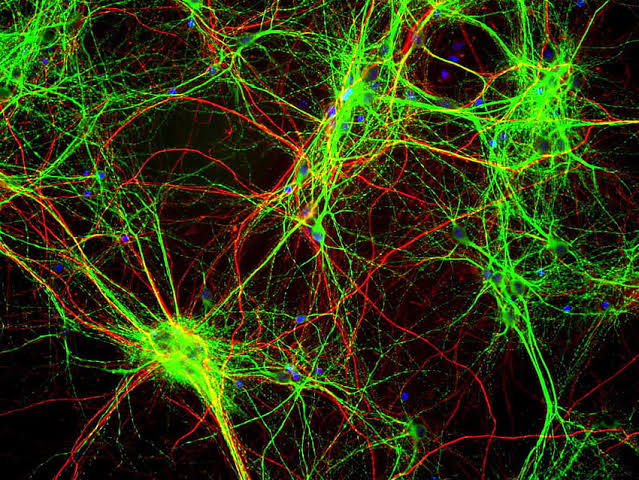
Nerve cells transmit information.
Blood cells transport oxygen.
Skin cells provide protection.
Each cell type has unique adaptations supporting its specific function.
Together they form the complex systems that keep animals alive.
Plant Cells
Plant cells share many similarities with animal cells but possess several unique features.
One major difference is the cell wall.
Outside the membrane lies a rigid wall providing strength and support.
Plant cells also contain chloroplasts for photosynthesis.
Large vacuoles help maintain internal pressure.
These features allow plants to grow upright, capture sunlight, and produce their own food.
Without specialized plant cells, Earth’s ecosystems would look entirely different.
Single-Celled Organisms
Many people associate life with large, visible organisms.
Yet countless living things consist of only one cell.
Single-celled organisms include bacteria, many algae, and numerous microscopic species.
Although they contain just one cell, they can perform all necessary life functions.
They find food.
They respond to their surroundings.
They reproduce.
They adapt to changing conditions.
Some single-celled organisms display behaviors surprisingly complex for their size.
Their success demonstrates that life does not require large bodies to thrive.
Multicellular Life
At some point in Earth’s history, certain cells began cooperating.
Groups of cells formed increasingly complex organisms.
This transition gave rise to multicellular life.
In multicellular organisms, cells specialize.
Different cells perform different functions.
Some provide structure.
Others transport materials.
Others process information.
This division of labor allows remarkable levels of complexity.
Humans consist of trillions of cells working together in extraordinary coordination.
Each cell contributes to the survival of the whole organism.
Cell Communication
Cells do not exist in isolation.
They constantly communicate.
Chemical signals allow cells to send messages, coordinate activities, and respond to changing conditions.
Communication is essential in multicellular organisms.
When you cut your skin, cells communicate to initiate healing.
When you encounter danger, nerve cells rapidly transmit information.
When pathogens invade the body, immune cells coordinate defensive responses.
Without communication, organized life would collapse.
Cellular cooperation depends on the exchange of information.
Cell Division and Growth
Cells do not last forever.
They grow, age, and eventually divide.
Cell division allows organisms to grow, repair damage, and reproduce.
Before division occurs, DNA must be copied accurately.
The cell then separates into two new cells.
This process is carefully regulated.
Errors can have serious consequences.
Healthy cell division is essential for maintaining tissues and supporting life throughout an organism’s lifespan.
Cells and Human Health
Understanding cells is crucial for medicine.
Many diseases originate at the cellular level.
Cancer occurs when cells divide uncontrollably.
Genetic disorders arise from problems involving DNA.
Infections often result from interactions between pathogens and cells.
Medical treatments frequently target cellular processes.
Vaccines influence immune cells.
Antibiotics affect bacterial cells.
Modern therapies increasingly rely on detailed knowledge of cellular biology.
As scientists learn more about cells, they develop better ways to prevent and treat disease.
Cells and Evolution
Cells also tell the story of evolution.
All living organisms share fundamental cellular features.
DNA, ribosomes, membranes, and basic biochemical processes appear throughout life on Earth.
These similarities suggest a common ancestry.
Billions of years ago, all modern organisms likely descended from ancient cellular life forms.
Over immense periods of time, evolution produced the incredible diversity of life we see today.
Yet beneath that diversity lies a shared cellular foundation.
Every living thing remains connected through the biology of the cell.
The Astonishing Complexity of Cells
The more scientists study cells, the more remarkable they appear.
Inside a single cell, millions of molecular interactions occur every second.
Proteins fold into precise shapes.
Signals travel through complex networks.
Energy flows through intricate pathways.
Genetic information is copied and interpreted.
Repairs are performed continuously.
All of this happens automatically and efficiently.
A cell may be microscopic, but it rivals the complexity of many human-made systems.
Its organization reflects billions of years of evolutionary refinement.
Why Cells Matter
Cells matter because they are the foundation of life.
Every organism begins as a cell.
Every tissue consists of cells.
Every biological process depends on cellular activity.
Without cells, there would be no growth, reproduction, adaptation, healing, or evolution.
Understanding cells helps us understand ourselves.
It reveals how our bodies function.
It explains how diseases develop.
It uncovers our connections to all living things.
Cells are not merely components of life.
They are life in its most fundamental form.
Conclusion
A cell is the smallest living unit capable of carrying out all the functions necessary for life. Though microscopic in size, cells are incredibly sophisticated systems containing specialized structures that work together to sustain living organisms. From generating energy and producing proteins to storing genetic information and responding to the environment, cells perform countless tasks essential for survival.
Every plant, animal, fungus, and microorganism depends on cells. Whether existing alone as a single-celled organism or cooperating within a complex multicellular body, cells form the foundation of all known life on Earth. Their discovery transformed biology, and ongoing research continues to reveal new layers of complexity and wonder.
When we look at a forest, a flower, an animal, or another human being, we are seeing vast communities of cells working together in remarkable harmony. These tiny living structures may be invisible to the naked eye, but they are among the most important and extraordinary creations in the natural world. By understanding cells, we gain a deeper appreciation for life itself and the intricate biological machinery that makes every living moment possible.