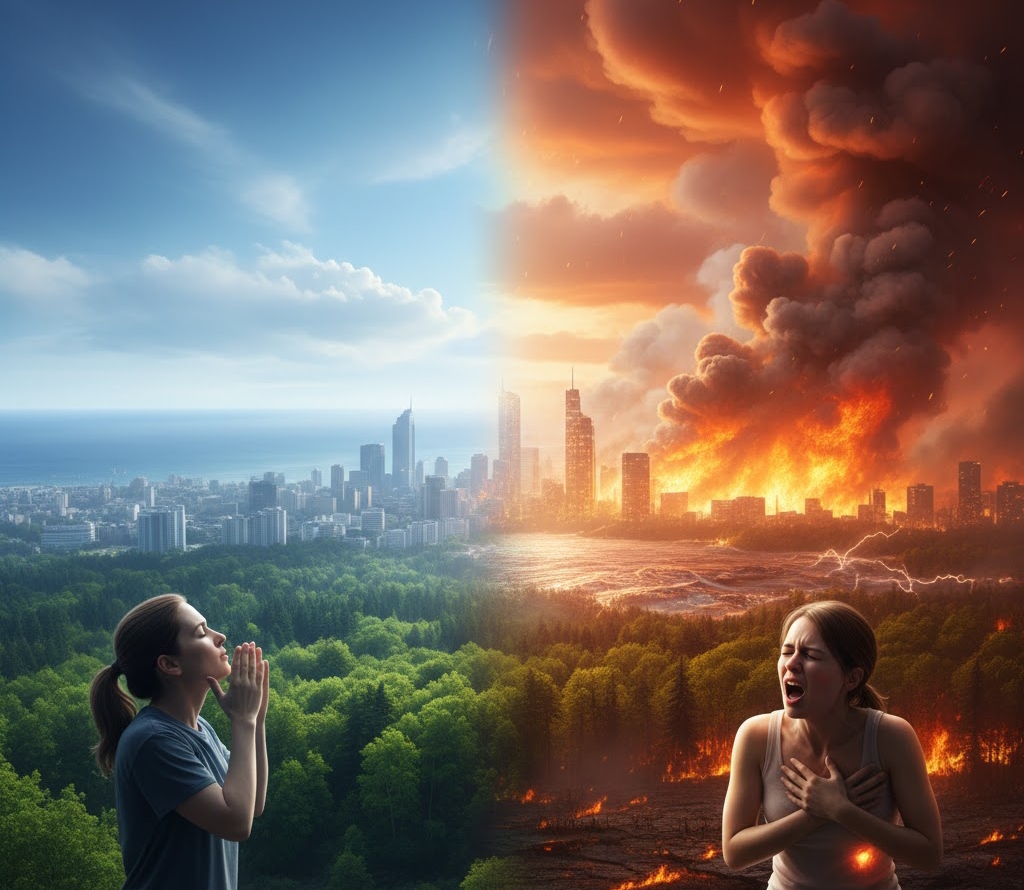
Imagine waking up one morning and taking a breath that feels sharper, brighter, almost electric. The air tastes different. Your lungs fill more quickly, your heart beats with a strange confidence, and the world seems slightly louder, more intense. Nothing visible has changed, yet everything has. Overnight, without warning, the amount of oxygen in Earth’s atmosphere has doubled. The invisible gas that quietly sustains life has become overwhelming in its abundance. This single change, so simple to describe, would unleash a cascade of consequences that would reshape biology, chemistry, climate, technology, and civilization itself.
Oxygen is so familiar that it feels harmless, even benevolent. We associate it with life, healing, energy, and clarity. Yet oxygen is also one of the most chemically aggressive elements in nature. It fuels fire, corrodes metal, and drives the slow decay of organic matter. Life on Earth evolved not just to use oxygen, but to survive its dangers. Doubling oxygen levels overnight would not feel like a gift from nature. It would feel like the planet itself had shifted into a higher gear, one that life was never designed to handle.
Oxygen’s Delicate Balance in Earth’s Atmosphere
To understand what doubling oxygen would mean, it helps to appreciate how finely tuned Earth’s atmosphere already is. Oxygen makes up about twenty-one percent of the air we breathe. This proportion is not accidental. It is the result of billions of years of biological activity, geological processes, and chemical feedback loops. Plants and certain microorganisms release oxygen through photosynthesis, while animals, fires, and chemical reactions consume it. Over immense stretches of time, these opposing forces reached a balance that allowed complex life to flourish.
This balance is fragile. Oxygen is reactive, meaning it eagerly participates in chemical reactions. Too little oxygen, and complex animals suffocate. Too much, and the world becomes dangerously flammable, biologically stressful, and chemically unstable. Earth has experienced periods in its deep past when oxygen levels were higher than today, but those changes occurred gradually over millions of years. Life had time to adapt. A sudden doubling overnight would be something entirely different. It would be a shock to every system on the planet.
The First Breath: Immediate Effects on the Human Body
The moment oxygen levels doubled, the human body would notice. Oxygen is essential for cellular respiration, the process by which cells produce energy. More oxygen might seem like it would supercharge this process, but biology does not work like a simple engine that runs faster with more fuel. Human physiology is finely regulated. Our lungs, blood, and cells are adapted to a narrow range of oxygen concentration.
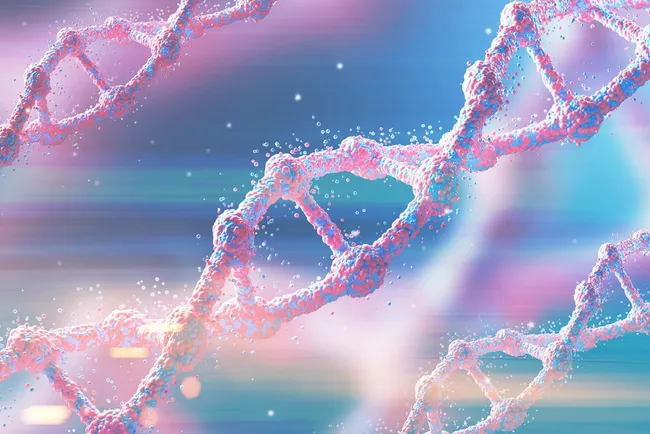
Breathing air with twice the normal oxygen concentration would dramatically increase the amount of oxygen dissolved in the blood. At first, some people might feel unusually alert or energized. However, this sensation would quickly give way to serious problems. High oxygen levels can damage tissues through a process known as oxidative stress. Oxygen molecules can form highly reactive byproducts that attack cell membranes, proteins, and DNA. Normally, the body’s antioxidant systems keep this damage in check. With oxygen doubled, those defenses would be overwhelmed.
The lungs would be among the first organs to suffer. Prolonged exposure to high oxygen concentrations can inflame lung tissue, reduce elasticity, and impair gas exchange. Symptoms would include chest pain, coughing, and difficulty breathing. The nervous system is also vulnerable. Excess oxygen can disrupt neural signaling, potentially leading to dizziness, seizures, and loss of consciousness. What began as a deeper, easier breath would become a source of injury.
Life at the Cellular Level: Oxygen as a Double-Edged Sword
At the microscopic scale, oxygen is both a gift and a threat. Cells use oxygen to extract energy from food, but this process inevitably produces reactive oxygen species, chemically aggressive molecules that can damage cellular components. Life evolved complex antioxidant systems precisely because oxygen is dangerous.
If oxygen levels doubled overnight, these protective systems would be pushed beyond their limits. Cells would experience a surge in oxidative damage. DNA mutations would become more frequent. Proteins would misfold. Cell membranes would weaken. Some cells would die outright, while others would survive with impaired function. Over time, this cellular chaos would manifest as tissue damage, organ failure, and increased rates of disease.
Different species would respond differently. Organisms adapted to low-oxygen environments, such as certain bacteria and deep-water animals, would be especially vulnerable. Even oxygen-loving organisms would struggle, because evolution optimized them for a specific range, not unlimited abundance.
Fire Unleashed: A World on the Edge of Combustion
One of the most dramatic consequences of doubled oxygen would be fire. Oxygen does not burn on its own, but it makes combustion easier, faster, and hotter. With twice as much oxygen in the air, materials that are normally difficult to ignite would catch fire readily. Sparks that once fizzled out would erupt into flames. Fires would burn more intensely and spread more rapidly.
Forests, grasslands, and even damp organic matter would become tinder. Lightning strikes would trigger massive wildfires. Human activities involving heat or sparks would become extraordinarily dangerous. A small kitchen flame could flare out of control. Industrial accidents would skyrocket. Fire suppression systems designed for current oxygen levels would fail to cope with the increased intensity.
This heightened flammability would not be limited to the natural world. Buildings, vehicles, and infrastructure would be at constant risk. Even materials considered fire-resistant today might burn under such conditions. The world would feel perpetually on edge, as if the atmosphere itself were waiting for an excuse to ignite.
The Fate of Plants in an Oxygen-Rich World
Plants might seem like the winners in a high-oxygen scenario, since they produce oxygen in the first place. Yet plants also respire, consuming oxygen just like animals. High oxygen levels can interfere with photosynthesis, particularly a process called photorespiration, which becomes more wasteful as oxygen concentration rises.
With oxygen doubled, many plants would experience reduced efficiency in converting sunlight into chemical energy. Growth rates would decline. Crops would suffer. Forests would become stressed, more vulnerable to disease, and more prone to fire. Some plant species might adapt over time, but an overnight change would be devastating.
Additionally, higher oxygen levels would accelerate the decay of plant matter. Dead leaves, wood, and organic debris would oxidize more rapidly, releasing carbon dioxide and heat. This would further increase fire risk and disrupt ecosystems that depend on slow decomposition.
Animals Under Stress: From Insects to Mammals
Animals across the planet would face immediate challenges. Insects, which rely on passive diffusion of oxygen through tiny tubes, are particularly sensitive to atmospheric oxygen levels. Higher oxygen would force more gas into their bodies than their systems are designed to handle. This could disrupt metabolism and damage tissues.
Vertebrates, including birds, reptiles, and mammals, would suffer from oxygen toxicity similar to humans. Increased oxidative stress would shorten lifespans and impair reproduction. Species with high metabolic rates would be especially vulnerable. Aquatic animals would not be spared, because higher atmospheric oxygen would change how gases dissolve in water, altering oxygen levels in oceans, lakes, and rivers.
Some species might initially experience increased activity or growth, but this would be short-lived. The long-term trend would be population decline, ecosystem instability, and widespread extinctions.
The Ocean’s Response: Chemistry in Turmoil
Oceans are tightly linked to the atmosphere. Gases constantly exchange across the water’s surface. Doubling atmospheric oxygen would increase the amount dissolved in surface waters, but this would not necessarily benefit marine life. Many marine organisms are adapted to specific oxygen ranges, and sudden changes can be lethal.
Increased oxygen would also alter ocean chemistry. Oxidation reactions would accelerate, affecting nutrients and trace metals essential for marine ecosystems. Some chemical forms of nutrients would become less available, disrupting food chains from microscopic plankton to large predators.
At greater depths, the situation could become even more complex. Changes in temperature, circulation, and chemical gradients would ripple through the ocean, potentially triggering dead zones or unexpected biological shifts. The ocean, often seen as a stabilizing force for Earth’s climate, would itself become unstable.
Atmospheric Chemistry and the Changing Sky
Doubling oxygen would not simply increase one gas; it would transform atmospheric chemistry. Oxygen participates in countless reactions, including the formation of ozone. With more oxygen available, ozone concentrations could rise, particularly in the lower atmosphere. While ozone in the upper atmosphere protects life from ultraviolet radiation, ozone near the surface is harmful, irritating lungs and damaging plants.
The increased reactivity of the atmosphere would also accelerate the breakdown of pollutants, but not necessarily in beneficial ways. Some reactions would produce new toxic compounds. The balance of gases that regulate climate, such as carbon dioxide and methane, would shift in unpredictable ways.
Even the color and clarity of the sky might change subtly, as scattering processes depend on atmospheric composition. The familiar blue of the daytime sky could take on a slightly different hue, a visual reminder that the air itself is no longer the same.
Climate Consequences of an Oxygen-Rich Atmosphere
Oxygen is not a greenhouse gas, but its increase would indirectly affect climate. Enhanced oxidation would influence the concentrations of greenhouse gases. Fires would release enormous amounts of carbon dioxide and soot into the atmosphere. Vegetation loss would reduce carbon uptake. Together, these effects could drive rapid climate warming.
At the same time, increased aerosol production from fires and chemical reactions could reflect sunlight, introducing cooling effects. The net result would likely be extreme climate instability, with rapid swings and regional differences. Weather patterns would become more violent as energy flows through an altered atmosphere.
Storms could intensify, fueled by additional heat from widespread combustion and chemical reactions. The climate system, already sensitive to change, would be pushed into a chaotic state.
Technology and Infrastructure Under Oxygen Stress
Modern civilization is built on controlled combustion. Engines, power plants, and industrial processes rely on predictable oxygen levels. Doubling oxygen would disrupt all of them. Engines would run hotter, increasing wear and the risk of catastrophic failure. Power plants would face unprecedented fire hazards.
Electrical systems would also be affected. Sparks and arcs, normally manageable, would become dangerous ignition sources. Data centers, factories, and homes would require radical redesign to prevent fires. Even static electricity could pose serious risks.
Materials science would face new challenges. Metals would corrode faster due to accelerated oxidation. Plastics and other polymers might degrade more rapidly. Infrastructure would age at an alarming pace, demanding constant repair or replacement.
Medicine in a World of Too Much Oxygen
Oxygen is widely used in medicine, but always with caution. High concentrations are known to cause damage over time. In a doubled-oxygen world, baseline medical assumptions would no longer hold. Treatments designed to help patients breathe could become harmful.
Hospitals would struggle to manage oxygen toxicity. Conditions involving the lungs, eyes, and nervous system would become more common. New diseases might emerge as chronic oxidative stress affects populations. Life expectancy would likely decrease, not increase.
Medical science would scramble to develop therapies that counteract oxidative damage. Antioxidants would become essential, but they have limits. The human body can only tolerate so much chemical imbalance before systems fail.
Evolutionary Pressure and the Long-Term Biological Response
If life survived the initial shock, evolution would eventually respond. Species with traits that mitigate oxygen toxicity would be favored. Over many generations, organisms might develop stronger antioxidant systems, altered metabolisms, and new structural adaptations.
However, evolution operates on timescales of thousands to millions of years. The overnight change would cause a mass extinction long before adaptation could take hold. The biosphere would be radically simplified, dominated by organisms that can tolerate extreme oxidative environments.
The world that emerged after such a transition would be biologically impoverished compared to today. Diversity would be lost, and ecosystems would be fundamentally different.
Psychological and Cultural Impact on Humanity
Beyond biology and chemistry, the psychological impact on humans would be profound. Living in a world where fire is omnipresent and the air itself feels dangerous would reshape behavior, culture, and belief. Fear would become a constant companion.
Societies might retreat indoors, sealing environments and filtering air to reduce oxygen exposure. Architecture would change to minimize fire risk. Cultural practices involving fire, from cooking to ritual, would be reevaluated or abandoned.
The idea of nature as nurturing would be challenged. Oxygen, once a symbol of life and freshness, would become a reminder of fragility. Humanity’s relationship with the environment would take on a new tone, one of caution rather than confidence.
A Planet Revealed as Finely Tuned
The thought experiment of doubled oxygen reveals something profound about Earth. The world we inhabit is not just habitable, but precisely balanced. The concentration of oxygen we take for granted is the result of a long, delicate dance between life and geology. Alter it too much, and the system collapses.
This realization fosters a deeper appreciation for the invisible conditions that sustain life. Oxygen is not merely abundant; it is perfectly calibrated. The air we breathe is neither too rich nor too thin. It is just right, and that “just right” is what makes forests possible without constant infernos, allows animals to breathe without poisoning themselves, and lets civilization exist without burning itself to the ground.
Lessons from an Imagined Catastrophe
Imagining oxygen doubling overnight is unsettling precisely because it highlights how dependent life is on stability. It reminds us that abundance can be as dangerous as scarcity. More is not always better. In nature, balance matters more than extremes.
This scenario also underscores the interconnectedness of Earth’s systems. A change in atmospheric composition affects fire, biology, climate, oceans, and human society simultaneously. There are no isolated variables on a living planet.
In contemplating such a world, we gain insight into our own. The air we breathe is a quiet miracle, a product of deep time and delicate equilibrium. Oxygen sustains us not because it is powerful, but because it is restrained.
Breathing Gratitude in an Ordinary World
When you take a breath today, it feels unremarkable. It should. That unremarkableness is the point. The true wonder of oxygen is not its strength, but its subtlety. It gives us life without overwhelming us, energy without destruction, fire without constant catastrophe.
A world where oxygen doubled overnight would be louder, hotter, harsher, and shorter-lived. Life would struggle under the weight of excess. By imagining that world, we come to understand this one more deeply. The ordinary air around us is not ordinary at all. It is a narrow, precious window in which life can exist, think, feel, and wonder.
In that quiet breath, taken without effort or fear, lies one of the greatest achievements of Earth itself.