Heartbreak is one of the most universal human experiences. It does not matter where you live, what language you speak, or how old you are—at some point, most people will feel the crushing weight of losing someone they love. It can arrive suddenly, like a door slammed shut, or slowly, like a relationship fading until the silence becomes unbearable. Either way, heartbreak is rarely just emotional. It is physical. It is mental. It is exhausting. It can make food taste like dust, make sleep impossible, and turn the world into a place that feels unfamiliar.
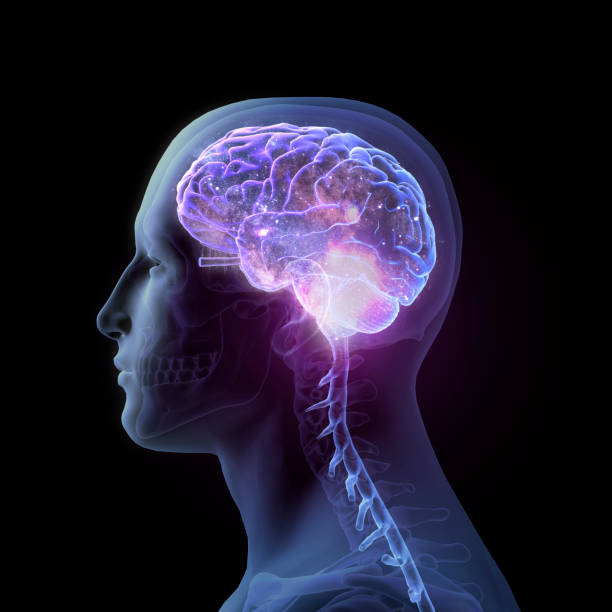
People often speak of heartbreak as if it lives in the chest, as if the pain belongs only to the heart. But science reveals something startling: heartbreak is not primarily a heart problem. It is a brain event. The pain you feel, the obsessive thoughts, the loss of motivation, the nausea, the tightness in your chest—all of it is deeply rooted in neural circuitry shaped by evolution to keep humans bonded together.
Your brain was built to love. And because love is essential for survival, your brain reacts to its loss as if something vital has been stolen from you.
Heartbreak is not weakness. It is biology colliding with reality.
Love as a Brain System, Not Just a Feeling
Romantic love may feel like poetry, but in the brain it functions more like a powerful motivational system. Neuroscientists often describe love not simply as an emotion, but as a drive—similar to hunger or thirst. It pushes you toward one person with intense focus, craving, and reward.
When you are in love, your brain releases a cocktail of chemicals and activates networks that encourage attachment, bonding, and trust. Dopamine creates pleasure and motivation. Oxytocin and vasopressin help build attachment and emotional security. Serotonin patterns shift, often contributing to the obsessive thinking that early love brings. The brain essentially marks the loved person as highly significant, rewarding their presence like a vital resource.
Over time, the relationship becomes encoded in your brain’s expectation system. Your nervous system begins to treat the other person not as an optional part of your life, but as part of your baseline reality. Their voice becomes familiar. Their routines blend with yours. Your brain predicts their presence and prepares for it.
So when the relationship ends, the brain does not respond with mild disappointment. It responds with shock. Something that was integrated into your sense of safety is suddenly gone.
Heartbreak is the brain struggling to adapt to a world that no longer matches its predictions.
The Brain Processes Heartbreak Like Physical Pain
One of the most remarkable discoveries in neuroscience is that emotional pain and physical pain share overlapping pathways in the brain.
When people experience social rejection, loss, or heartbreak, brain imaging studies show increased activity in regions such as the anterior cingulate cortex and the insula. These areas are strongly involved in processing physical pain, bodily distress, and emotional suffering. This is why heartbreak does not just feel sad—it feels painful in a real, bodily sense.
The brain does not sharply separate emotional wounds from physical injury. To your nervous system, losing a loved bond can register as a threat to survival. For most of human history, social connection was essential. Being rejected or abandoned could mean isolation, danger, and death. The brain evolved to treat social loss as an emergency.
That is why heartbreak can produce symptoms that resemble illness. People report chest tightness, headaches, nausea, fatigue, trembling, and even a sense of breathlessness. These are not imaginary sensations. They are physiological signals triggered by the brain’s pain circuits and stress response.
When someone says heartbreak hurts, they are not exaggerating. Their brain is literally processing it as pain.
Dopamine Withdrawal and the Brain’s Addiction Response
One of the most brutal aspects of heartbreak is the craving. People often find themselves obsessively checking their phone, rereading old messages, stalking social media, or replaying memories like a movie they cannot turn off. This behavior can feel humiliating and confusing. Many people wonder why they cannot simply stop thinking about the person.
The answer lies in dopamine.
Dopamine is often misunderstood as the “pleasure chemical,” but its deeper function is motivation and reward-seeking. It helps the brain learn what is valuable and pushes you to pursue it. In love, dopamine reinforces the partner’s presence as a source of reward. Over time, your brain learns to associate that person with comfort, excitement, meaning, and emotional safety.
When the relationship ends, the brain does not simply turn off that system. Instead, it enters a withdrawal-like state.
Neuroscientists have compared romantic rejection to addiction because both involve similar brain regions, including the ventral tegmental area and the nucleus accumbens, which are central to reward and craving. When a loved person disappears, your brain continues to demand them as if they were a necessary drug. It generates intrusive thoughts and urges designed to “get them back,” because the brain believes reunion will restore reward and reduce pain.
This is why heartbreak can feel like madness. Your rational mind may understand the relationship is over, but your reward system is still fighting to regain what it has lost.
In a biological sense, heartbreak is partly the brain detoxing from love.
The Prefrontal Cortex Struggles to Regain Control
The prefrontal cortex is the part of the brain involved in reasoning, decision-making, emotional regulation, and impulse control. It helps you interpret situations logically and manage your reactions.
During heartbreak, the prefrontal cortex is often overwhelmed. Stress hormones rise, sleep becomes disrupted, and emotional pain becomes intense. Under these conditions, the brain’s rational systems lose some control while emotional and survival-based systems become dominant.
This is why people behave in ways they later regret. They beg. They send messages they shouldn’t. They make impulsive decisions. They lash out or collapse emotionally. They replay conversations endlessly, trying to rewrite the ending.
Heartbreak places the brain into a state where logic is weakened and emotional urgency becomes louder.
It is not that you suddenly become irrational as a person. It is that your brain is operating under extreme internal pressure, like a computer overheating and running too many programs at once.
The Amygdala and the Rise of Fear and Anxiety
The amygdala is a small almond-shaped structure in the brain that plays a major role in fear processing, emotional memory, and threat detection. When the amygdala senses danger, it activates the body’s stress response.
Heartbreak triggers the amygdala because social loss can be interpreted as threat. Your brain may interpret abandonment as a sign that you are unsafe, unwanted, or alone. This can awaken deep fears, including fear of being unloved, fear of the future, fear of never finding someone again, or fear of being fundamentally inadequate.
Even if the breakup was mutual or necessary, the amygdala may still react as if something terrible has happened. It can flood the mind with anxiety and catastrophic thinking. It may increase sensitivity to reminders of the relationship, causing emotional spikes when you see certain places, songs, or objects.
This fear response is part of why heartbreak feels unstable. One moment you feel calm, and the next moment you feel like your chest is collapsing.
The amygdala does not care about your explanations. It cares about survival. And it interprets emotional loss as danger.
Cortisol and the Stress Storm in Your Body
When heartbreak occurs, the brain activates the hypothalamic-pituitary-adrenal axis, a system that controls stress hormones. This leads to increased production of cortisol, the primary stress hormone.
Cortisol has an important purpose. It mobilizes energy, increases alertness, and prepares the body to respond to threats. In short bursts, cortisol is helpful. But prolonged cortisol elevation can cause serious problems.
High cortisol can disrupt sleep, weaken immune function, increase inflammation, and contribute to digestive issues. It can also impair memory and concentration. Many heartbroken people report that they cannot focus on work or studies. Their brain feels foggy. Their thoughts feel scattered. This is partly because cortisol and stress chemicals interfere with the brain’s ability to function normally.
Heartbreak can also lead to appetite changes. Some people lose the desire to eat because stress suppresses hunger. Others overeat because the brain seeks comfort through food. Both reactions are linked to cortisol and the brain’s attempt to regulate emotional pain.
In many cases, heartbreak does not just hurt emotionally—it pushes the body into a prolonged stress state that affects nearly every system.
This is why heartbreak is exhausting. Your body is operating like it is under attack.
Why You Become Obsessed With Memories
Heartbreak has a strange effect: it turns memories into traps.
You may replay your happiest moments repeatedly, almost against your will. Your brain returns to the first time you met, the laughter, the touch, the intimacy, the promises. Sometimes it also replays the breakup itself, the arguments, the final words, the painful silence.
This happens because the brain is trying to solve a problem.
When a relationship ends, the brain experiences cognitive dissonance: a conflict between what it believed and what is now true. It once believed the partner was a stable part of your life. Now that belief is shattered. The brain responds by searching through memories, looking for explanations, warning signs, or alternate outcomes.
The hippocampus, a brain structure involved in memory formation and emotional context, becomes highly active during stress and emotional events. At the same time, the amygdala strengthens emotional memories, making heartbreak-related memories vivid and difficult to ignore.
Your brain is not replaying memories to torture you. It is replaying them because it is trying to regain a sense of control. It wants to understand what happened, because understanding feels like safety.
Unfortunately, this mental replay often becomes a loop without resolution.
The brain can become stuck between grief and hope, between nostalgia and reality.
The Attachment System Goes Into Alarm Mode
Humans are biologically wired for attachment. From infancy, our brains develop systems designed to bond with caregivers, ensuring survival. As adults, those same systems shape romantic attachment.
When you form a deep bond with a partner, your brain begins to treat them as an attachment figure. Their presence becomes calming. Their absence becomes distressing. Your nervous system learns that closeness equals safety.
When heartbreak happens, this attachment system goes into panic mode.
This is why separation can feel unbearable. It is not simply loneliness. It is the brain’s alarm system screaming that a source of safety is missing. In the early stages of heartbreak, people often experience symptoms similar to separation anxiety. They may feel restless, desperate, unable to relax, and unable to accept the loss.
This is also why “closure” feels so important. The attachment system wants certainty. It wants the bond to either continue or be clearly ended. Ambiguity is painful because it keeps the system activated, like a door left half open in the mind.
When someone disappears without explanation, the attachment system struggles even more. The brain becomes trapped in unresolved searching behavior.
Heartbreak is not just emotional loss. It is attachment injury.
Why You Feel Like You’re Losing Your Identity
Many people describe heartbreak as feeling like they no longer know who they are. This is not just poetic language. It has real psychological and neurological roots.
When you build a relationship, your brain begins to merge parts of your identity with the other person. Your routines change. Your future plans become shared. Your social life becomes intertwined. Your brain begins to map the partner into your sense of self.
Neuroscientists and psychologists describe this as self-expansion. Love expands your identity by integrating another person into your life and mind. You begin to think in terms of “we” instead of “me.” Your brain adapts to this shared structure.
When the relationship ends, the brain must suddenly rebuild the self without that shared structure. It is like removing a major support beam from a building. The structure does not collapse completely, but it becomes unstable until it is rebuilt.
This is why heartbreak can cause a profound emptiness. It is not just missing a person. It is missing a version of yourself that existed only with them.
The brain is not only grieving love. It is grieving identity.
Sleep Disruption and Emotional Amplification
Heartbreak and sleep are deeply connected. Many people struggle to sleep after a breakup, waking up repeatedly or lying awake with racing thoughts. Others sleep too much, using sleep as escape.
This happens because stress hormones disrupt the body’s natural circadian rhythm. Elevated cortisol and heightened nervous system arousal make it harder for the brain to enter restful sleep. The brain remains in a vigilant state, as if it must stay awake to solve the emotional crisis.
Sleep deprivation then makes heartbreak worse. Without sleep, the brain’s emotional regulation systems weaken. The amygdala becomes more reactive, while the prefrontal cortex becomes less effective at calming it down.
This creates a vicious cycle: heartbreak disrupts sleep, and lack of sleep intensifies heartbreak.
Dreams may also become emotionally charged. Many heartbroken people dream about their ex-partner, which can feel like reopening the wound every morning. This is partly because the brain processes emotional memories during sleep, attempting to reorganize and integrate painful experiences.
Even while you sleep, your brain is still trying to heal.
Appetite, Digestion, and the Gut-Brain Connection
Heartbreak often affects the stomach. People lose appetite, feel nauseous, or experience digestive discomfort. This is not imagination. It is the gut-brain connection in action.
The nervous system that responds to stress is directly connected to the digestive system. When the brain senses threat, it shifts energy away from digestion and toward survival functions like increased heart rate and alertness. The result can be stomach pain, appetite loss, diarrhea, or nausea.
The gut also contains a large network of neurons, sometimes called the enteric nervous system. It communicates with the brain through the vagus nerve and other pathways. Emotional distress can quickly become physical distress.
That is why heartbreak can feel like a sickness.
Your body is responding as if it is under danger, and digestion is one of the first systems to be affected.
Why Heartbreak Can Cause Depression
Heartbreak and depression share many symptoms: sadness, loss of interest, fatigue, changes in sleep and appetite, and feelings of hopelessness. While heartbreak is not always clinical depression, it can trigger depressive episodes, especially in people already vulnerable to mood disorders.
Neurochemically, heartbreak can reduce dopamine activity, leading to loss of motivation and pleasure. It can also disrupt serotonin balance, which influences mood stability and emotional regulation. When combined with chronic stress and cortisol elevation, the brain can enter a state where emotional pain becomes persistent and overwhelming.
Psychologically, heartbreak can shatter meaning. It can damage self-esteem. It can create feelings of rejection and worthlessness. It can isolate people socially, especially if the relationship was central to their life.
Depression after heartbreak is not simply sadness. It is often the brain adapting to loss by shutting down reward systems, conserving energy, and withdrawing from the world.
In evolutionary terms, this withdrawal may have served a purpose. It may have reduced risk-taking after social rejection and encouraged reflection. But in modern life, it can become debilitating.
Heartbreak can feel like your brain is dimming the lights inside you.
The Brain’s Grief Process and Emotional Waves
Heartbreak is a form of grief. And grief is not linear.
Your brain does not heal in a straight line. It heals in waves. Some days you may feel almost normal, even hopeful. Then a smell, a song, or a familiar street can suddenly drag you back into pain. This can make people feel like they are not making progress.
But this is normal.
The brain heals through gradual emotional exposure and reorganization. Each time you experience a reminder and survive it, the brain learns that the loss is real but not fatal. Over time, the emotional spikes become less intense. The memories remain, but they lose their power to hijack your entire nervous system.
Neuroscience suggests that emotional processing involves reconsolidation of memories. Each time a memory is recalled, it becomes temporarily flexible and can be rewritten with new emotional context. This means that healing often happens when painful memories are repeatedly revisited, but in a new environment where you are slowly becoming stronger.
It is painful, but it is how the brain adapts.
The waves are not signs of failure. They are signs of rewiring.
Why Some People Feel Physical Chest Pain
One of the most disturbing heartbreak symptoms is chest pain. People describe it as pressure, stabbing sensations, or a constant ache.
Part of this is caused by stress activation in the body. Heartbreak triggers the sympathetic nervous system, increasing heart rate and muscle tension. The muscles in the chest and shoulders can tighten, creating pain.
But there is also a medical phenomenon called stress cardiomyopathy, sometimes called broken heart syndrome. In this condition, intense emotional stress temporarily weakens the heart muscle, causing symptoms similar to a heart attack, including chest pain and shortness of breath. It is more common in older adults, especially women, but it can happen to anyone.
Broken heart syndrome is a reminder that heartbreak is not merely metaphorical. Emotional pain can influence the heart through stress hormones and nervous system signaling.
Most people will not experience this syndrome, but the fact that it exists proves a powerful truth: the brain and heart are inseparable in the language of biology.
How the Brain Slowly Heals From Heartbreak
Healing from heartbreak is not about forgetting. It is about rewiring.
Over time, the brain begins to reduce reward association with the lost partner. Dopamine cravings decrease. The attachment system calms. The prefrontal cortex regains control and begins to reinterpret the story of the relationship more realistically.
Neural pathways that once lit up at the thought of that person gradually weaken. Meanwhile, new pathways form as you build new routines, friendships, goals, and sources of meaning. This is neuroplasticity, the brain’s ability to change with experience.
The brain does not erase the person completely. Instead, it changes their emotional weight. Memories that once caused agony may eventually cause sadness, and later perhaps even warmth without pain.
This process takes time because the brain must adjust not only emotionally but structurally. It must learn a new normal. It must stop predicting the person’s presence. It must rebuild identity and future plans without them.
The healing is real, measurable, and biological.
Even when you feel stuck, your brain is working quietly in the background, adapting.
Why Time Really Helps
People often say, “Time heals all wounds.” It sounds cliché, but neuroscience gives it credibility.
Time allows the brain to experience repeated proof that life continues. Each day you wake up and survive without the person, the brain learns that the loss is not fatal. Each new experience weakens the old association between happiness and that specific individual. Each new social connection provides alternative attachment signals.
Time also reduces the intensity of stress hormones. As the nervous system calms, sleep improves, appetite returns, and emotional regulation becomes easier. With better sleep and lower stress, the brain becomes more capable of rational reflection and less controlled by panic and craving.
Time does not erase pain instantly. But it gives the brain the opportunity to rewrite reality.
Time is not magic. It is biology unfolding.
When Heartbreak Changes You Permanently
Some heartbreaks do not simply fade. They transform you.
The brain is shaped by emotional experience, especially intense emotional experience. A major heartbreak can alter how you trust, how you attach, and how you perceive love. It can make you more cautious, more self-aware, more guarded, or in some cases more compassionate.
It can also reveal resilience you did not know you had.
Neuroscience and psychology suggest that humans can experience post-traumatic growth after emotional loss. This means that while heartbreak is painful, it can lead to deeper self-understanding and stronger emotional boundaries. It can motivate people to rebuild their lives in healthier ways.
This does not mean heartbreak is “good” or something to romanticize. Pain is pain. But it does mean the brain is not just suffering. It is learning.
Even in grief, the brain is evolving.
What Heartbreak Reveals About the Human Brain
Heartbreak is proof that love is not a simple feeling. It is a powerful brain-driven survival mechanism. The intensity of heartbreak exists because attachment is one of the most important forces in human life.
Your brain is wired to bond because bonding kept humans alive. For ancient humans, being loved meant protection, shared resources, and survival. Losing love meant danger. Your brain still carries that ancient programming, even in the modern world.
That is why heartbreak feels like collapse. That is why it feels like withdrawal. That is why it hurts in your chest. That is why you cannot stop thinking about them. That is why it can make you question your worth and your future.
Heartbreak is the brain grieving the loss of a bond it believed was necessary.
But heartbreak is also evidence of something beautiful: your brain was capable of deep attachment. It was capable of giving meaning to another person. It was capable of building a world around love.
And if the brain can build that world once, it can build it again.
The Truth About Heartbreak
When you get heartbroken, your brain goes through a storm. Pain circuits activate as if you have been physically injured. Dopamine systems react like addiction withdrawal. Stress hormones flood the body. The attachment system panics. Memory systems replay the past. Identity networks struggle to rebuild the self.
Heartbreak is not “just in your head” in the dismissive sense. It is in your head in the most literal sense: it is written into neural pathways, chemical signals, and survival circuits that evolved to keep you connected.
That is why heartbreak can feel like the end of the world.
But the same brain that creates heartbreak also creates healing. With time, new experiences, and emotional adaptation, neural circuits rewire. Pain fades. Craving weakens. The body calms. Identity reforms.
The loss remains part of your story, but it stops being your prison.
Heartbreak is one of the most painful things a human brain can experience. Yet it is also one of the clearest reminders that love is real—not because it is perfect, but because the brain treats it as something powerful enough to mourn.
And in the quiet aftermath, when the storm finally begins to pass, the most astonishing truth emerges:
Your brain can survive what your heart thought it never could.