Skipping food for a full day sounds dramatic, almost like a survival challenge. In a world where meals are tied to comfort, culture, and daily routine, the idea of going 24 hours without eating can feel unnatural, even dangerous. Many people imagine the brain immediately shutting down, focus collapsing, and the body entering a state of emergency.
But the human brain is not fragile in the way we often assume. It is demanding, yes—an organ that consumes an enormous amount of energy relative to its size—but it is also incredibly adaptive. Over thousands of years of evolution, the brain and body learned how to survive periods without food. Long before supermarkets and delivery apps, humans were forced to endure hunger between successful hunts and seasonal harvests.
So what actually happens to your brain when you don’t eat for 24 hours? The answer is not just about hunger. It is a story of chemistry, hormones, survival mechanisms, and a remarkable metabolic shift that reveals how intelligent the human body truly is.
The experience may include irritability, mental fog, or even surprising clarity. Underneath those sensations, your brain is making complex decisions about fuel, energy conservation, and long-term survival.
The Brain’s Relationship With Food and Energy
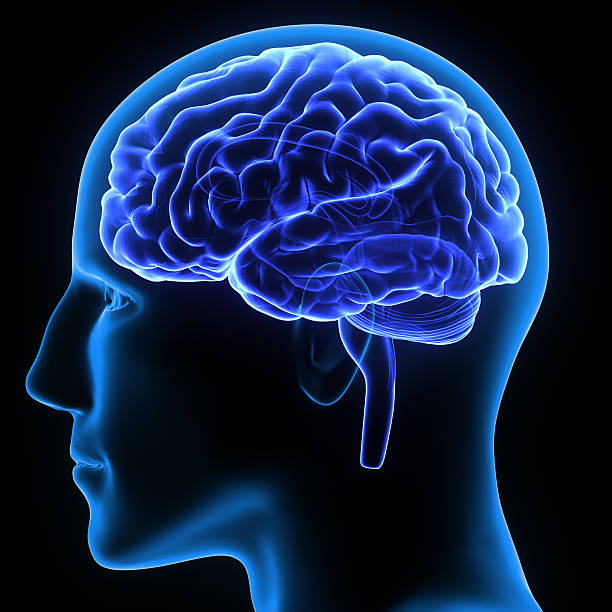
The brain is one of the most energy-hungry organs in the body. Although it makes up only about 2% of your body weight, it uses roughly 20% of your resting energy expenditure. This energy is primarily used to power communication between neurons. Every thought, memory, and movement depends on electrical signals and chemical neurotransmitters that require constant fuel.
Under normal conditions, the brain relies heavily on glucose, a simple sugar that comes from carbohydrates or from stored energy sources in the body. Unlike muscles, the brain cannot store large amounts of glucose for later use. It depends on a steady supply delivered through the bloodstream.
That is why blood sugar regulation is so tightly controlled. The body treats glucose availability like a national security issue. Even small drops trigger hormonal responses designed to protect brain function.
When you stop eating, the body does not panic immediately. Instead, it switches to backup systems—systems designed specifically to keep your brain alive.
The First Few Hours: The Fed State and Stable Brain Fuel
In the first few hours after your last meal, your brain is still running on recently absorbed nutrients. Glucose from digestion enters your bloodstream, and insulin is released to help cells take in that glucose. Your liver stores some of it as glycogen, a compact storage form of glucose.
During this early phase, your brain experiences little change. It continues receiving glucose as usual. Mental performance is generally stable, and many people do not even notice anything unusual for several hours.
However, subtle changes begin to unfold behind the scenes. Insulin levels start to decline as digestion finishes, and the body begins shifting from using incoming energy to relying on stored energy.
This transition is quiet, but it sets the stage for everything that follows.
Around 6 to 12 Hours: Glycogen Takes Over
As time passes and no new food arrives, blood glucose levels begin to dip slightly. The brain is still consuming glucose at a steady pace, and the body must maintain supply.
This is where the liver becomes essential. The liver breaks down glycogen and releases glucose into the bloodstream. This process is called glycogenolysis. It is a critical survival mechanism that allows the brain to keep functioning normally even when no food is available.
During this phase, most people begin to feel hunger. Hunger is not simply the stomach “being empty.” It is a hormonal and neurological signal. The hormone ghrelin, often called the hunger hormone, rises and stimulates appetite. Your brain becomes more aware of food cues. Smells become stronger. Thoughts about eating become more frequent.
Interestingly, hunger tends to come in waves rather than as a steady increase. The brain’s hunger circuits activate in bursts, pushing you to seek food, then calming down again.
Mentally, many people remain sharp during this period. But mood changes can begin. Irritability and restlessness may appear, especially in individuals accustomed to frequent meals or high carbohydrate intake.
The Brain’s Stress Response Begins to Activate
By the time you reach 12 hours without eating, your brain has begun to interpret the situation as mild stress. Not necessarily danger, but a shift in normal routine.
Stress hormones like cortisol may rise slightly. Cortisol helps mobilize energy stores and maintain blood sugar. It also influences alertness, memory, and emotional regulation. This is why fasting can sometimes make people feel tense or emotionally reactive.
At the same time, adrenaline and noradrenaline may increase. These hormones are part of the sympathetic nervous system, the “fight or flight” system. Their job is to keep you awake and active so you can find food.
From an evolutionary perspective, this makes perfect sense. If humans became sleepy and weak during hunger, they would not survive. Instead, the brain becomes more alert, pushing the body into a motivated state.
This is why some people report a strange burst of energy or clarity when fasting. The brain is essentially shifting into hunting mode.
12 to 18 Hours: Glucose Becomes More Precious
As the fasting window extends, the liver’s glycogen stores begin to decline. Glycogen is limited. In most people, liver glycogen can provide glucose for roughly 12 to 24 hours, depending on body size, metabolic rate, physical activity, and diet.
During this period, the brain is still heavily reliant on glucose, but the body begins to prepare alternative fuel sources. The brain is protected at all costs, and the body will sacrifice other systems to keep it running.
To maintain glucose levels, the body begins increasing gluconeogenesis, a process in which glucose is created from non-carbohydrate sources. The liver and kidneys can convert amino acids, lactate, and glycerol into glucose.
This is a crucial moment. Your body is essentially manufacturing brain fuel.
However, gluconeogenesis is metabolically expensive. It requires energy and raw materials. This is why prolonged fasting can lead to muscle breakdown if no other fuel becomes available. In a 24-hour fast, muscle loss is usually minimal, but the process does begin.
Mentally, you may notice that concentration becomes inconsistent. Some people feel mentally sharp, while others experience fog, headaches, or difficulty focusing. These differences often depend on hydration, electrolyte balance, caffeine use, sleep, and individual metabolic flexibility.
Hunger and the Brain’s Reward System
One of the most powerful changes during fasting happens in the brain’s reward circuitry. The brain begins to increase attention toward food-related stimuli. Dopamine pathways become more sensitive, making food seem more appealing.
This is not simply psychological weakness. It is biological design.
When you don’t eat, your brain adjusts your priorities. Activities that normally feel rewarding may become less interesting, while food becomes emotionally and mentally dominant. You may find yourself fantasizing about meals, scrolling through food videos, or thinking about flavors you normally ignore.
This is the brain’s survival programming at work. It is nudging you toward behavior that increases your chance of eating.
The emotional weight of hunger is also real. Hunger can amplify anxiety, impatience, and frustration. The brain becomes more reactive because its energy supply feels threatened, even if you are not truly in danger.
18 to 24 Hours: The Shift Toward Ketones Begins
As glycogen stores continue to drop, the body begins to increase fat breakdown. Fat cells release fatty acids into the bloodstream. These fatty acids can be used directly by many tissues, including muscles, but the brain cannot use fatty acids efficiently because they do not cross the blood-brain barrier in large amounts.
Instead, the liver converts fatty acids into ketone bodies, mainly beta-hydroxybutyrate and acetoacetate. This process is called ketogenesis.
Ketones are a remarkable alternative fuel. They can cross into the brain and be used for energy. In long-term fasting or ketogenic diets, ketones can provide a substantial portion of the brain’s energy needs.
In a 24-hour fast, ketone production is beginning to rise but has not yet fully peaked. The brain is still mostly running on glucose, but ketones are starting to contribute.
This transition can create noticeable mental effects. Some people report improved mental clarity around the 20- to 24-hour mark. Others feel weak or dizzy, especially if they are not hydrated or if electrolytes like sodium are low.
Ketones may also influence neurotransmitters. There is evidence that ketones can affect brain signaling in ways that may stabilize mood and reduce excitability. This is one reason ketogenic diets have been used in epilepsy treatment.
So while fasting can feel stressful earlier, the later phase may bring a different mental state—sometimes calmer, sometimes sharper.
What Happens to Neurotransmitters During a 24-Hour Fast?
Your brain communicates using neurotransmitters, and fasting changes their balance.
Dopamine, involved in motivation and reward, may become more active in the context of food-seeking behavior. This can increase mental drive but also increase obsession with eating.
Noradrenaline rises as part of the alertness response. This may increase focus temporarily, but it can also increase anxiety and irritability.
Serotonin, linked to mood stability, can be affected indirectly because serotonin production depends partly on dietary amino acids and carbohydrate intake. Some people feel emotionally lower when fasting because serotonin-related pathways are influenced by reduced food intake.
GABA and glutamate, the brain’s main inhibitory and excitatory neurotransmitters, may also shift as ketones rise. Ketone metabolism is associated with increased GABA activity in some contexts, which can produce a calming effect.
The overall result is that fasting can create a mental cocktail of alertness, mood sensitivity, and shifting emotional intensity. The brain is adapting in real time.
Brain Fog, Headaches, and the Role of Blood Sugar
Not everyone experiences fasting as clarity and energy. Many people experience brain fog, headaches, and difficulty thinking.
These symptoms often occur because of falling blood glucose levels or fluctuations in glucose regulation. If you are accustomed to frequent meals or high carbohydrate diets, your insulin response may be strong, and your body may be slower to switch into fat-burning mode. This can create a period where glucose is dropping but ketones are not yet high enough to compensate.
This gap can feel unpleasant.
Headaches can also result from dehydration. When insulin drops, the kidneys excrete more sodium and water. This can lead to reduced blood volume and mild electrolyte imbalance. The brain is sensitive to these changes, and headaches may follow.
Caffeine withdrawal can also play a role. Many people fast while reducing their usual coffee or tea intake, and caffeine withdrawal headaches are common.
So the brain’s discomfort during fasting is not always a sign of harm. Often, it is a sign of transition.
Does the Brain Start Eating Itself After 24 Hours?
There is a popular myth that if you don’t eat, your body immediately begins consuming muscle and brain tissue. The reality is more nuanced.
The brain itself is protected. The body will break down some protein for gluconeogenesis, but this does not mean your brain is being consumed. The brain remains one of the last organs the body sacrifices.
However, the body does begin to break down some amino acids from muscle tissue to help maintain blood glucose. This is part of why prolonged starvation is dangerous. Over many days and weeks, muscle loss becomes significant, and organ function declines.
But within 24 hours, the body is still in a relatively controlled survival mode. It is shifting fuel sources, not collapsing.
In fact, after a longer fasting period, the body becomes more protein-sparing as ketones rise and supply more of the brain’s energy. This reduces the need to convert amino acids into glucose.
So the short-term fast is not a direct path to brain destruction. It is an adaptive metabolic shift.
What Happens to Memory and Focus?
Cognitive performance during a 24-hour fast varies widely between individuals. Some people feel mentally sharper, while others struggle with focus.
The brain’s ability to concentrate depends on stable energy supply, but it also depends on neurotransmitter balance, stress hormones, and sleep quality.
During the earlier phase of fasting, the brain may struggle because glucose supply feels uncertain. Stress hormones rise, and hunger becomes distracting. This can reduce working memory and attention span.
Later in the fast, as ketones increase, some people experience improved mental endurance. Ketones provide a steady fuel source that may reduce the energy fluctuations associated with glucose metabolism. This is one reason some individuals claim fasting helps them concentrate.
However, scientific studies on fasting and cognition show mixed results. Mild fasting can sometimes improve alertness, but severe hunger can impair complex decision-making, reaction time, and mood regulation.
Your brain may remain functional, but it may become more impulsive or emotionally reactive. This can affect judgment in subtle ways.
Emotional Changes: Why You Might Feel Angry or Sad
One of the most noticeable effects of not eating for 24 hours is emotional instability. People often describe feeling irritable, short-tempered, or unusually sensitive.
This phenomenon is not imaginary. It is rooted in brain chemistry.
Glucose is not only fuel; it also supports emotional regulation. The prefrontal cortex, the part of the brain involved in self-control, decision-making, and social behavior, requires significant energy to function effectively. When energy supply is stressed, the brain may prioritize survival functions over social patience.
Meanwhile, cortisol and adrenaline increase. These hormones heighten alertness but can also make emotions sharper and more reactive.
This is why hunger can make minor frustrations feel unbearable. It is why small problems feel bigger. The brain is in a state of mild biological stress, and emotional tolerance decreases.
Yet for some people, the opposite happens. They feel calm, detached, or even euphoric. This may occur because ketones influence neurotransmitters and because the body releases endorphins in response to stress.
Fasting can therefore feel emotionally chaotic for one person and emotionally peaceful for another.
The Brain and the Body Enter a Survival Collaboration
A 24-hour fast reveals something profound: the brain and body are in constant negotiation.
The brain demands energy, but it also controls hunger signals. It balances the need to conserve resources with the need to stay active. It triggers hormone release, adjusts metabolism, and shifts motivation.
Your brain becomes more sensitive to smells, tastes, and food imagery. It may also alter your sense of time. Hunger can make hours feel longer because your brain is more focused on the absence of food.
This is not weakness. It is intelligence. It is the brain acting like a survival machine.
In the modern world, where food is abundant, this survival programming can feel inconvenient. But in the natural world, it was essential.
What Happens to Brain Cells During Fasting?
Brain cells do not immediately suffer damage during a 24-hour fast. The brain is remarkably resilient. As long as blood glucose does not fall to dangerously low levels, neurons continue functioning.
In healthy individuals, the body maintains blood glucose within a relatively narrow range even during fasting. Hormones like glucagon and cortisol help regulate this. The liver provides glucose through glycogen breakdown and gluconeogenesis.
At the same time, ketones begin supplying additional fuel, reducing strain on glucose reserves.
There is also evidence that fasting can activate cellular maintenance processes such as autophagy, where cells break down damaged components and recycle them. Autophagy is sometimes described as a “cellular cleanup” mechanism. It is a normal process, but fasting may increase it.
While much research on autophagy comes from animal studies and the details in humans are still being studied, the concept suggests that fasting may shift the body toward repair and recycling.
This does not mean fasting is a miracle cure. But it does mean that a short fast is not simply deprivation. It is a metabolic state with unique biological characteristics.
Does Fasting for 24 Hours Make You Smarter?
Some people claim fasting increases intelligence, creativity, and mental clarity. Others say it makes them useless and exhausted.
The truth is that fasting does not magically upgrade the brain. What it does is change the brain’s fuel sources and neurochemical environment. Those changes may benefit some people under some conditions.
In particular, mild fasting may increase alertness through adrenaline and noradrenaline. It may also reduce energy crashes by lowering insulin swings. For people who experience frequent post-meal fatigue, fasting can feel like mental freedom.
Ketones may provide a stable energy source, and some research suggests ketones can support brain metabolism in certain conditions.
However, fasting can also impair performance if you are dehydrated, sleep-deprived, stressed, or metabolically inflexible. Complex cognitive tasks may become harder when hunger is distracting or when glucose drops too quickly.
So fasting is not a guaranteed brain enhancer. It is a physiological stressor, and like many stressors, it can either strengthen or strain depending on the individual.
What Happens if Blood Sugar Drops Too Low?
In healthy individuals, a 24-hour fast rarely causes dangerously low blood sugar because the body has multiple backup systems. But in people with diabetes, especially those taking insulin or certain medications, fasting can cause hypoglycemia, a dangerous condition where blood glucose falls too low to support brain function.
When blood sugar becomes critically low, the brain cannot function properly. Confusion, dizziness, shaking, sweating, blurred vision, and even seizures or loss of consciousness can occur.
This is a medical emergency.
The brain depends on glucose, and while it can use ketones, the transition is not instantaneous. In the short term, severe hypoglycemia is one of the most immediate threats to brain health.
This is why fasting is not safe for everyone. The brain’s survival systems work well, but they assume a healthy metabolic environment.
Sleep and Dreams During a 24-Hour Fast
Many people notice changes in sleep when they do not eat for a full day. Some report insomnia or lighter sleep, while others experience vivid dreams.
These effects are likely connected to changes in hormones and neurotransmitters. Increased cortisol and adrenaline can make it harder to fall asleep. Hunger signals can also keep the brain alert.
From an evolutionary standpoint, this makes sense. If you are starving, your body does not want you to sleep deeply. It wants you to remain aware, to search for food, to survive.
Vivid dreams may occur due to changes in brain metabolism and altered sleep cycles. Fasting can influence REM sleep patterns in some individuals, though research is still evolving.
In short, your brain may become more restless, even if your body feels tired.
The Psychological Experience of Hunger
Fasting is not just biology. It is psychology.
When you don’t eat for 24 hours, your brain becomes more aware of habits and routines. Many people realize how much of eating is tied to comfort rather than hunger. Meals become emotional anchors throughout the day.
As fasting continues, the brain can create a powerful internal narrative. It may exaggerate cravings. It may convince you that you are weak, that you need food immediately, that discomfort is dangerous.
But if you push through, many people discover that hunger does not grow endlessly. It rises, peaks, and fades. The brain adapts. The panic fades. The body finds balance.
This is not proof that fasting is always beneficial, but it is proof that the brain is not as helpless as it sometimes feels.
Hunger is a sensation, not an emergency—at least in the short term.
What Happens at the 24-Hour Mark?
By the time you reach 24 hours without eating, your brain is operating in a different metabolic landscape than it was the day before.
Liver glycogen is significantly reduced. Gluconeogenesis is active. Fat breakdown is increased. Ketones are rising, providing a growing share of brain fuel.
Hunger may still be present, but it is often less intense than expected. Some people feel surprisingly stable. Others feel drained.
Your brain is more chemically alert, influenced by stress hormones and survival signals. Focus may be improved in some individuals and reduced in others.
Emotionally, you may feel irritable, calm, euphoric, or exhausted. The brain’s emotional state depends on your unique biology and circumstances.
But the central truth remains: your brain does not shut down. It adapts.
The Final Truth: Your Brain Is Built for This
A 24-hour fast is not starvation. It is a temporary shift into an ancient metabolic mode. The human brain, despite its enormous energy demands, is supported by an entire system designed to keep it alive during food scarcity.
Your body protects blood sugar. Your liver releases stored fuel. Your hormones mobilize fat. Your brain begins using ketones. Your nervous system becomes more alert. Your senses sharpen toward food. Your emotions shift as survival pathways become more active.
The experience can feel uncomfortable, but it is not a sign that your brain is failing. It is evidence that your brain and body are working exactly as they were designed to work.
For most healthy people, not eating for 24 hours will not damage the brain. It will challenge it, reshape its chemistry temporarily, and reveal its astonishing flexibility.
And perhaps that is the most fascinating lesson of all.
Even in the absence of food, your brain does not surrender.
It reorganizes, recalibrates, and keeps going—because survival is written into every cell of your nervous system, and the mind is built not only to think, but to endure.