People with ocular hypertension who took nicotinamide, a form of vitamin B3, were 66% less likely to develop primary open-angle glaucoma than similar patients who did not take the supplement, according to a large observational study published in JAMA Ophthalmology. The findings also suggest the supplement may reduce the need for prescription eye drops and laser treatment, although researchers emphasize that it is not a substitute for standard glaucoma care.
Glaucoma has long been one of the leading causes of irreversible vision loss because it often progresses without noticeable symptoms. Sometimes called the “silent thief of sight,” the disease gradually damages the optic nerve, frequently in people with elevated pressure inside the eye. Although existing treatments can help slow its progression, they do not eliminate the risk of continued vision loss for every patient.
That challenge has prompted scientists to investigate whether therapies beyond conventional eye-pressure-lowering treatments could help prevent the disease from developing in the first place. One promising candidate is nicotinamide, a form of vitamin B3 that plays a central role in cellular energy production.
A new large-scale analysis suggests that people at high risk of glaucoma who take nicotinamide may be substantially less likely to develop the disease.
Lower glaucoma risk among vitamin users
Researchers analyzed electronic health records from 67 health care organizations across the United States, covering a 20-year period from March 2006 through March 2026. Their focus was on patients diagnosed with ocular hypertension—elevated pressure inside the eye—but who had not yet developed primary open-angle glaucoma (POAG), the most common form of the disease.
The study included 2,920 patients. Half were taking nicotinamide, while the other half were not.
To ensure the comparison was as balanced as possible, the researchers used propensity score matching, a statistical approach that paired each nicotinamide user with a patient of similar age, sex, medical history, and eye condition who was not taking the supplement.
Participants were then followed for an average of 3.7 years.
During that period, 3.5% of patients taking nicotinamide developed glaucoma, compared with 9% of those who did not take the supplement. Overall, nicotinamide use was associated with a 66% lower risk of developing primary open-angle glaucoma.
Fewer patients required additional treatment
The analysis also found differences in the need for further glaucoma treatment.
Among people taking nicotinamide, 13.6% eventually required prescription eye drops to reduce eye pressure. In contrast, 21.2% of patients who were not taking the supplement needed these medications.
Researchers also found that patients who did not take nicotinamide were more than twice as likely to require laser therapy for glaucoma.
Notably, the apparent protective association remained even among patients who began taking nicotinamide only after they had already been diagnosed with ocular hypertension.
Together, these findings suggest that nicotinamide could potentially delay disease onset while reducing the likelihood that patients will need more intensive treatment.
Why vitamin B3 has attracted researchers’ attention
Scientists increasingly view glaucoma as more than simply a disease caused by elevated eye pressure. Research has pointed to important metabolic changes that may make retinal cells more vulnerable as people age.
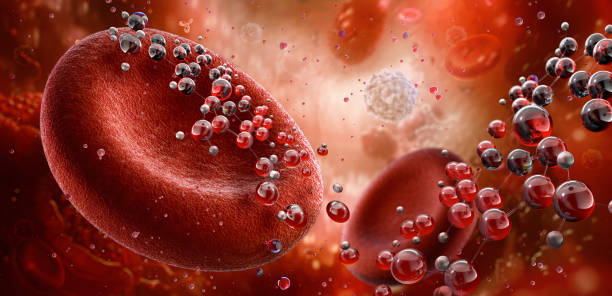
One molecule receiving particular attention is nicotinamide adenine dinucleotide (NAD), a coenzyme that helps cells produce energy and repair DNA. Natural levels of NAD decline with age, potentially leaving retinal cells with less energy and making them more susceptible to damage.
Nicotinamide serves as a building block for replenishing NAD. Researchers believe that restoring these levels may help support cellular repair processes and improve blood flow within the eye.
Previous studies have mainly explored whether nicotinamide could protect already-damaged optic nerve cells or improve vision in patients who already have glaucoma. The new study instead examined whether the vitamin might help prevent glaucoma from developing in people already considered at elevated risk because of ocular hypertension.
Important limitations remain
Despite the encouraging findings, the researchers caution against interpreting the results as proof that nicotinamide directly prevents glaucoma.
The study was observational, meaning it examined existing medical records rather than randomly assigning patients to receive or avoid the supplement. As a result, the analysis can identify an association but cannot establish cause and effect.
For that reason, nicotinamide should not be viewed as a replacement for established glaucoma care. Patients with ocular hypertension or glaucoma still require regular monitoring and treatment as recommended by their eye-care providers.
The researchers conclude that larger studies will be necessary to determine whether nicotinamide truly reduces glaucoma risk, identify the safest and most effective dosage, and evaluate its long-term effects before it could become a routine addition to glaucoma prevention strategies.
The findings were published in JAMA Ophthalmology.