The world of chemistry is often a search for the perfect “fingerprint.” Every molecule has one—a unique signature known as the electric dipole moment. This property is essentially a measure of charge separation between the positive and negative ions within a molecule. It is the invisible force that dictates whether a substance will boil at a certain temperature, how easily it will dissolve in water, and how it conducts heat. For decades, scientists have chased these fingerprints using slow, expensive experiments or grueling mathematical simulations. But a new era of discovery is unfolding, one where the complex dance of subatomic particles is being decoded by the lightning-fast logic of artificial intelligence.
The Ghostly Pull of the Molecular Fingerprint
To understand why this matters, one must look at the electrical polarity of a molecule. Imagine a tiny tug-of-war between two atoms. One side pulls harder on the electrons than the other, creating a lopsided distribution of charge. This “pull” is what researchers call the dipole moment. It is the fundamental trait that determines how molecules interact with one another in the vast, crowded theater of a chemical reaction. Without an accurate understanding of this value, predicting how a new material will behave is like trying to navigate a city without a map.
Until now, finding this value required a choice between two difficult paths. A chemist could use spectroscopic techniques, which involve sophisticated laboratory equipment and a significant investment of time. Alternatively, they could turn to computational methods based on high-level theoretical physics. While accurate, these calculations are computationally “expensive,” requiring massive processing power to simulate the quantum interactions of every electron. Researchers have tried to use machine learning to bridge this gap before, but those older models had a “catch-22” requirement: they needed the very molecular properties or structures that scientists were often still trying to discover.
Teaching a Machine the Language of Atoms
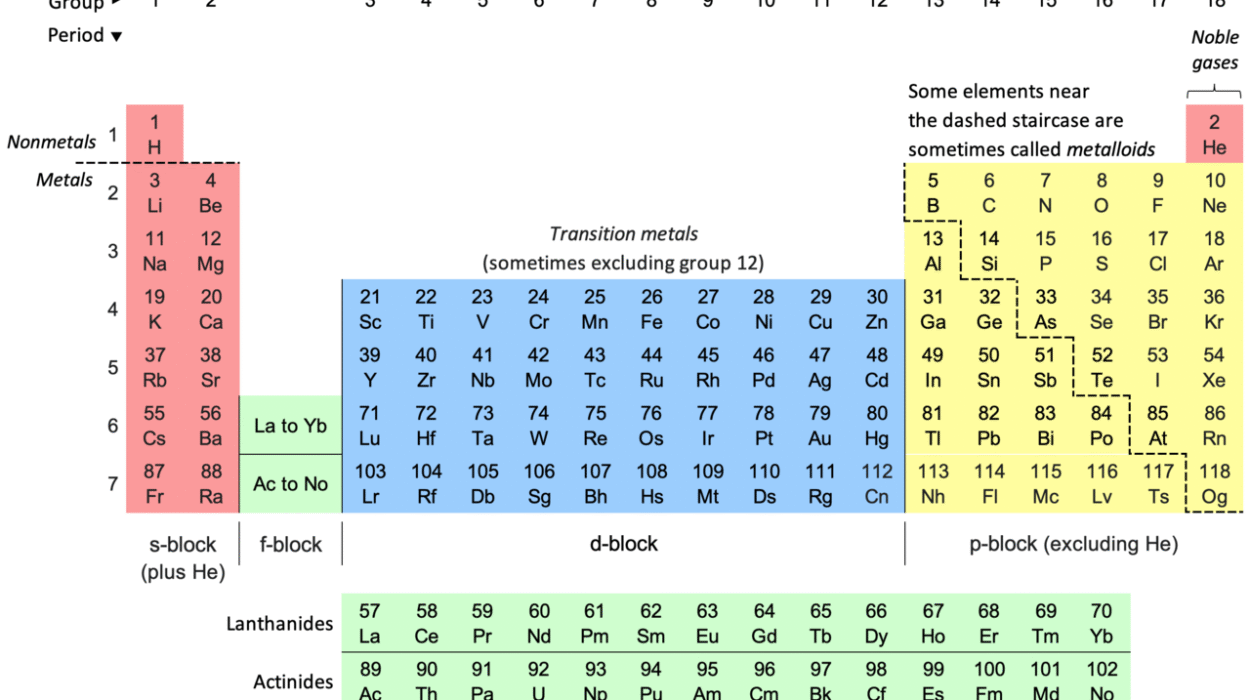
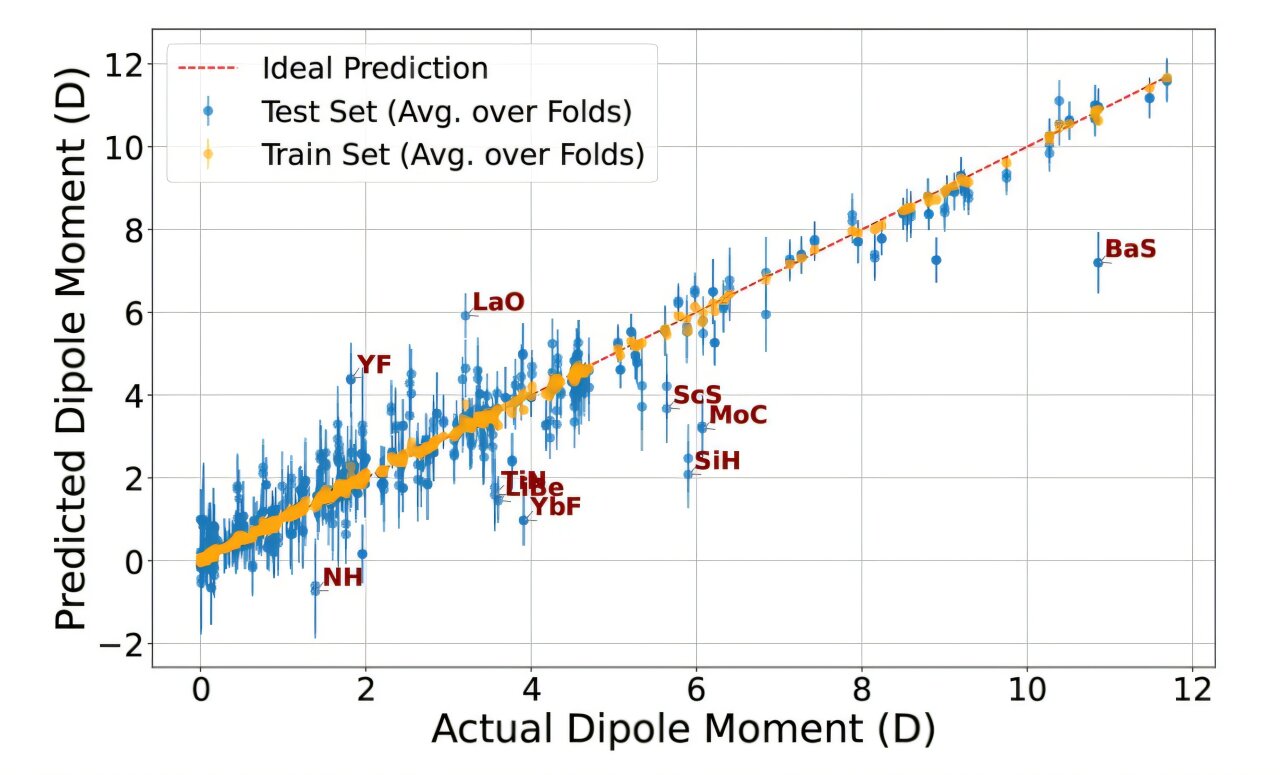
A team of innovative scientists recently decided to change the rules of the game. Instead of asking a computer to look at a completed molecule, they built a model that looks only at the individual atoms themselves. Using a method called Gaussian Process Regression (GPR), they created a system that can predict the electric dipole moment of diatomic molecules—those made of just two atoms—using nothing more than the basic properties found on the periodic table.
The beauty of this approach lies in its simplicity. The model doesn’t need to know how the molecule is shaped beforehand. Instead, it uses numerical features like the sum of electron affinities and the difference in ionization potentials. It also considers categorical features, such as the specific group and period of each atom. By feeding the AI a training dataset of 273 diatomic molecules—a mix of 140 experimentally measured samples and 133 computationally calculated ones—the researchers taught the machine to spot patterns that human eyes had overlooked for generations.
The speed of this new tool is transformative. What once took hours or days of lab work can now be accomplished in seconds. The model scanned over 4,800 diatomic molecules, acting as a high-speed scout for the next big scientific breakthrough. It didn’t just confirm what we already knew; it began to highlight candidates for future study that had previously flown under the radar.
Challenging the Golden Rule of the Periodic Table
For nearly a century, chemistry students have been taught a “golden rule”: if you want to know how strongly a molecule pulls, look at its electronegativity. This is the inherent ability of an atom to attract shared electrons. It was long believed that electronegativity was the primary, if not the only, factor in determining a dipole moment. However, the AI model revealed a more complex truth.
The research demonstrated that relying solely on electronegativity can actually mislead chemists. It provides an incomplete picture of the chemical bond, failing to capture the nuance of how charges truly shift. To get a high-accuracy prediction, the model showed that we must also account for ionization potential and electron affinity. By integrating these extra layers of data, the AI was able to identify molecules with exceptionally large dipole moments, specifically those reaching above 11 Debye.
Among the strongest candidates identified were heavy, salt-like structures known as heavy alkali halides. These include cesium iodide (CsI), rubidium iodide (RbI), and even the rare francium iodide (FrI). But the most startling discovery involved the “noble” metals. The model predicted that gold (Au) and silver (Ag) could act strangely when paired with certain partners. In these specific combinations, gold behaves almost like a halogen, creating an unexpectedly powerful pull that traditional theories would never have foreseen. These alkali–gold molecules, such as gold–cesium (AuCs), represent a new frontier for materials science.
Searching for Answers in the Deep Cold
The implications of this research stretch far beyond the walls of a chemistry lab. One of the most exciting applications for these high-dipole molecules is in the field of cold molecular sciences. In the extreme environments of quantum physics, molecules with large dipole moments behave in unique ways, allowing scientists to observe phenomena that are usually hidden by the chaos of heat and motion.
By using this AI-powered model to rapidly identify molecules with specific electrical properties, researchers are paving the way for experiments that could explore physics beyond the Standard Model. This isn’t just about making better chemicals; it’s about finding the right tools to test our most fundamental understanding of the universe.
This breakthrough matters because it removes a massive bottleneck in innovation. By turning the “fingerprint” of a molecule from a mystery to be solved into a value that can be predicted in an instant, scientists can spend less time calculating and more time discovering. Whether it is creating new materials with specific thermal conduction properties or probing the depths of quantum mechanics, this marriage of machine learning and fundamental chemistry provides a faster, clearer lens through which to view the building blocks of our world.
Study Details
Ahmed Elhalawani et al, What is the Diatomic Molecule with the Largest Dipole Moment?, ACS Omega (2026). DOI: 10.1021/acsomega.5c09766