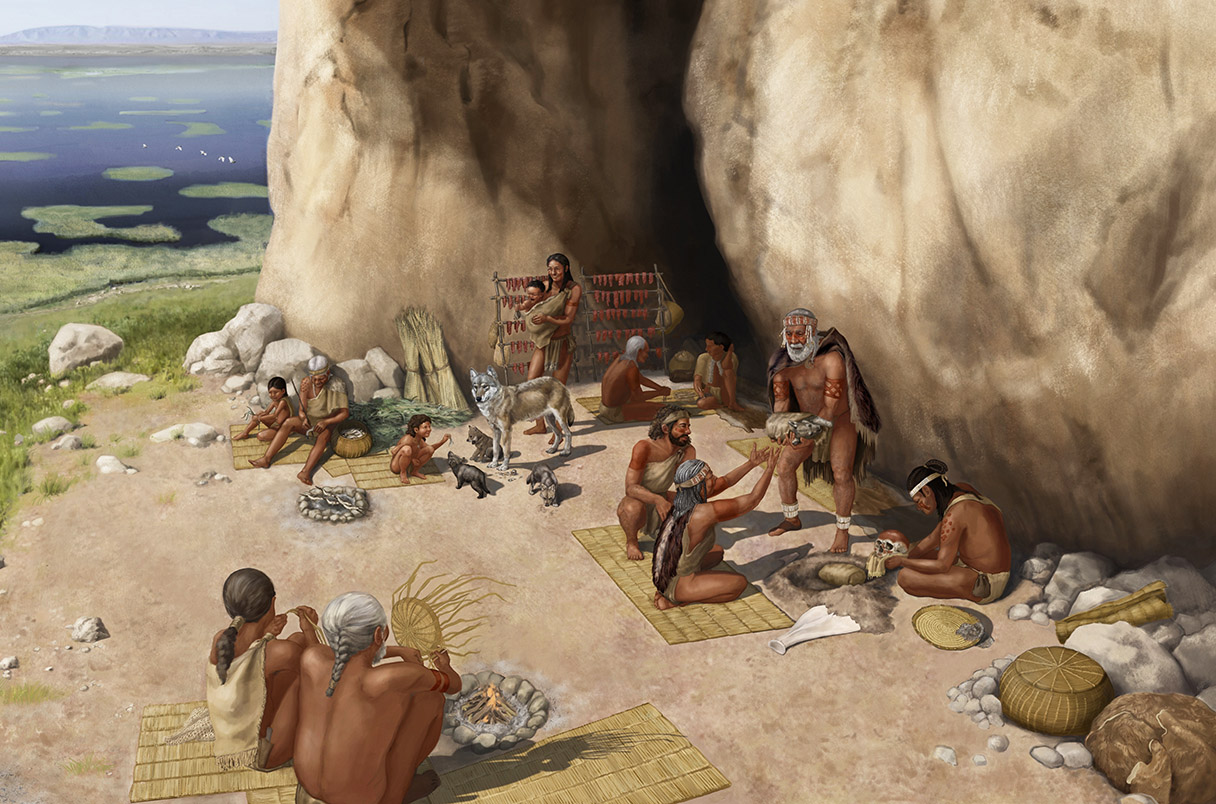
The winds that swept across the rugged plains of central Anatolia 16,000 years ago carried the scents of wild sheep, leopards, and the smoke of human campfires. In this ancient landscape, a partnership was forming that would change the course of history. Recent excavations led by the University of Liverpool and the British Institute at Ankara have unearthed more than just bones; they have found the story of the world’s first best friends. Through the lens of ancient DNA, researchers are now tracing a journey that began in the rocky shelters of Turkey and sprinted across a continent.
A Shared Meal Under the Stars
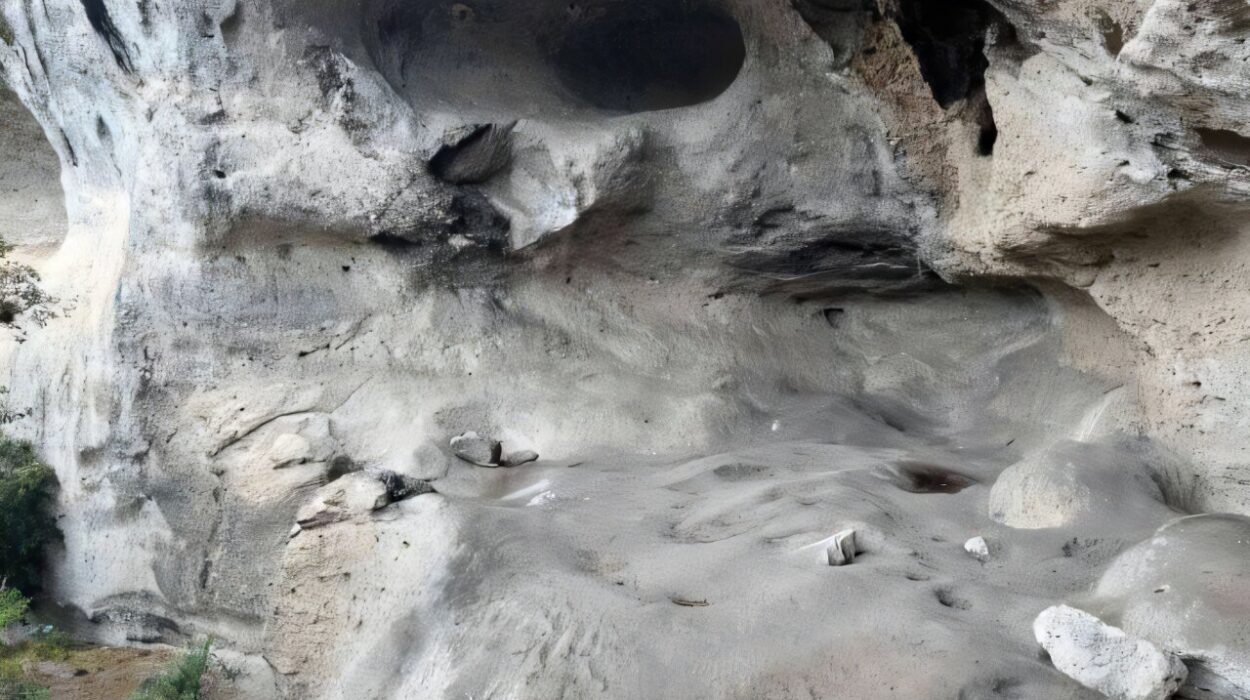
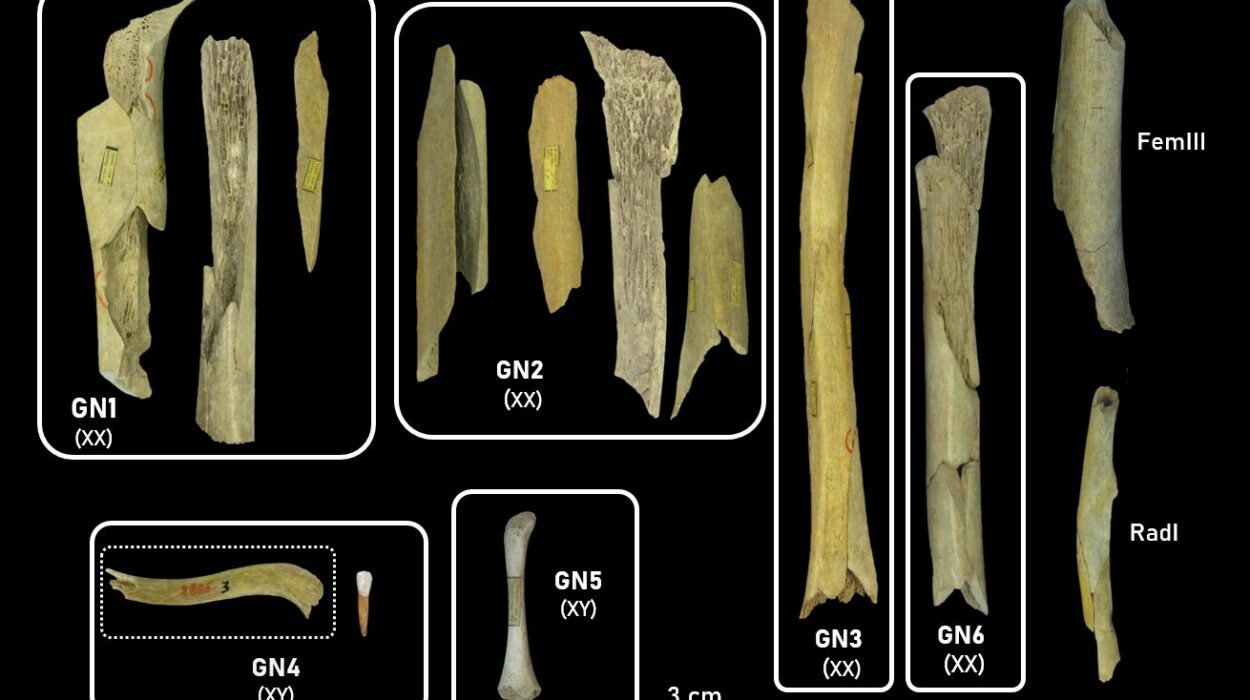
At a site known as Pınarbaşı, a mobile group of prehistoric humans once found refuge in a limestone rockshelter. These people were hunters, tracking wild sheep and the formidable, dangerous wild cattle that roamed the Anatolian plateau. But they did not hunt alone. Among the artifacts and hearths, archaeologists discovered the remains of puppies, identified through nuclear DNA as some of the earliest domestic dogs ever recorded.
These were not merely scavengers lurking at the edge of the firelight. The evidence suggests a bond of profound intimacy. When the team, led by Professor Douglas Baird, conducted isotope analysis on the remains, they found something startling: the dogs were eating fish. This was a major element of the human diet at the time, meaning these animals were being fed the same catch as the families they lived with.
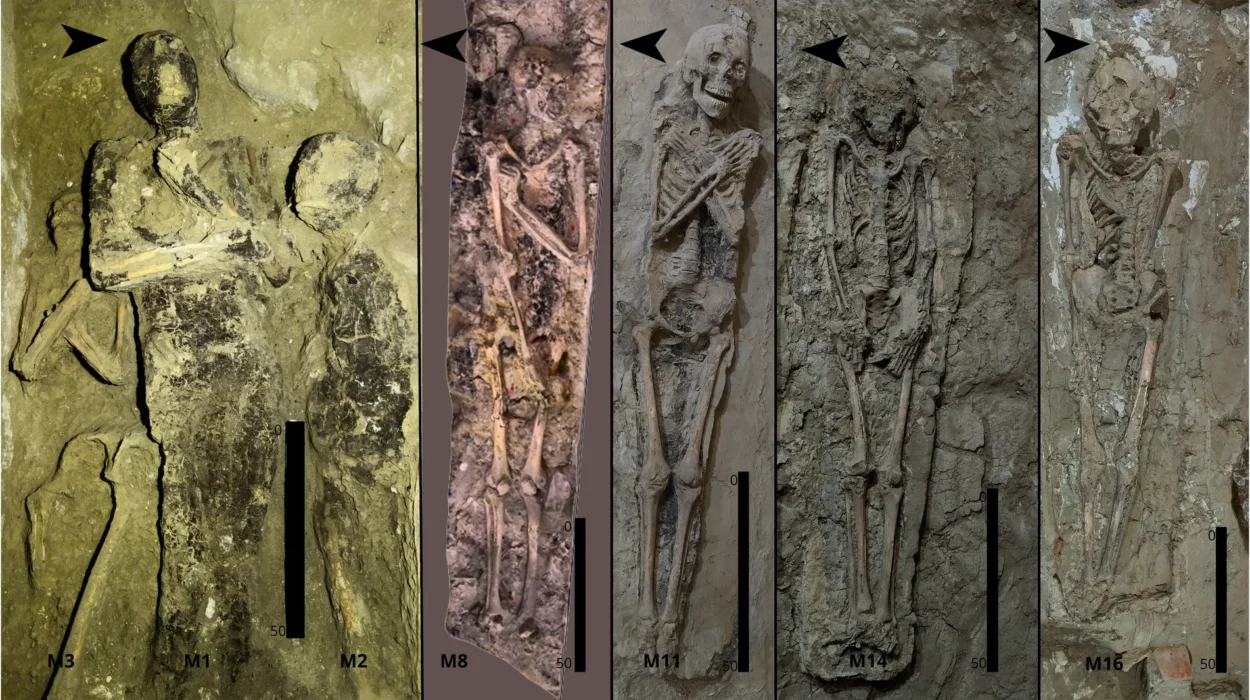
This relationship went beyond the dinner table. In the quiet corners of the Pınarbaşı shelter, the humans buried their dead with care, and they extended this same ritualized treatment to their canine companions. The puppies were laid to rest near human burials, a gesture of respect that suggests these animals were viewed as close companions. In a world where wolves and leopards were a constant threat, these early dogs likely served as both guard dogs and vital partners in the hunt, their keen senses protecting the group while they slept.
The Great Leap Across the Continent
While the fires burned at Pınarbaşı, a biological revolution was already in motion. Geneticists from the Natural History Museum, Oxford, and LMU Munich have dated the oldest genetic evidence of these dogs to 15,800 years ago. What happened next was a feat of rapid migration that surprised the scientific community.
By looking at the DNA of canids from Gough’s Cave in the United Kingdom, researchers found a shocking connection. Despite being at the far western edge of Europe, thousands of miles from the plains of Turkey, the dogs at Gough’s Cave shared a high degree of genetic similarity with the dogs at Pınarbaşı. The data suggests that this specific lineage of dogs dispersed from one end of Europe to the other in just a few centuries.
This was not a slow, accidental drift. These dogs were moving across territories held by culturally and genetically different human groups. The speed of their spread suggests that humans recognized their immense value. They were likely traded as precious assets, moving through intergroup exchanges. However, scientists also point to the agency of the dogs themselves; these were adaptable, intelligent creatures capable of navigating new environments alongside their human partners. By 14,000 years ago, these descendants were already widely distributed across Germany, Italy, and Switzerland, forming the foundation for modern European breeds.
From the Wild Hunt to the Village Gate
As the Ice Age waned and the Holocene—our current warm period—began around 9000 BC, the descendants of the Pınarbaşı hunters began to change their way of life. They moved just 30 kilometers away to a wetland settlement called Boncuklu. Here, the nomadic life gave way to permanent occupation.
At Boncuklu, the relationship between human and dog reached a new level of integration. In the largest study of its kind, new genetic techniques allowed researchers at the Francis Crick Institute to distinguish between dogs and wolves with unprecedented accuracy. They found that at Boncuklu, dogs were not just buried near humans—they were buried directly with humans.
As the people of Boncuklu began to experiment with domesticated plants and the management of wild sheep, the roles of their dogs shifted. While they remained protectors against predators, they likely took on the new, complex task of early sheep herding. The dog had transformed from a hunting partner into a cornerstone of the farm.
When the first farmers eventually spread from western Anatolia into Europe about 2,500 years later, they didn’t go alone. They brought their Anatolian-derived Neolithic dogs with them. Interestingly, the DNA shows that these traveling dogs interbred with local, indigenous Mesolithic dogs much more frequently than the human farmers interbred with the local human populations. It seems that while human cultures remained distinct and guarded, their dogs were welcomed across every border, proving that a good dog was a universal language.
Why the First Bark Still Echoes Today
Understanding the origin of the domestic dog is about more than just tracing the history of a pet; it is about uncovering the co-evolution of two species. This research provides a “step-change” in our knowledge, proving that dogs were an integral part of human society long before we settled into permanent villages or planted the first crops.
This study matters because it highlights the value and agency of animals in human history. The fact that dogs spread faster than human genes suggests they were a revolutionary technology—a living tool that provided security, companionship, and hunting prowess. By studying the Boncuklu and Pınarbaşı remains, we see that the bond we share with dogs today is a 16,000-year-old legacy, built on shared meals, shared work, and the shared ritual of saying goodbye. These ancient bones prove that as long as there have been humans trying to make their way in a dangerous world, there has been a dog walking faithfully beside them.
Study Details
Marsh, W.A. et al, Dogs were widely distributed across western Eurasia during the Palaeolithic, Nature (2026). DOI: 10.1038/s41586-026-10170-x. www.nature.com/articles/s41586-026-10170-x
Anders Bergström, Genomic history of early dogs in Europe, Nature (2026). DOI: 10.1038/s41586-026-10112-7. www.nature.com/articles/s41586-026-10112-7