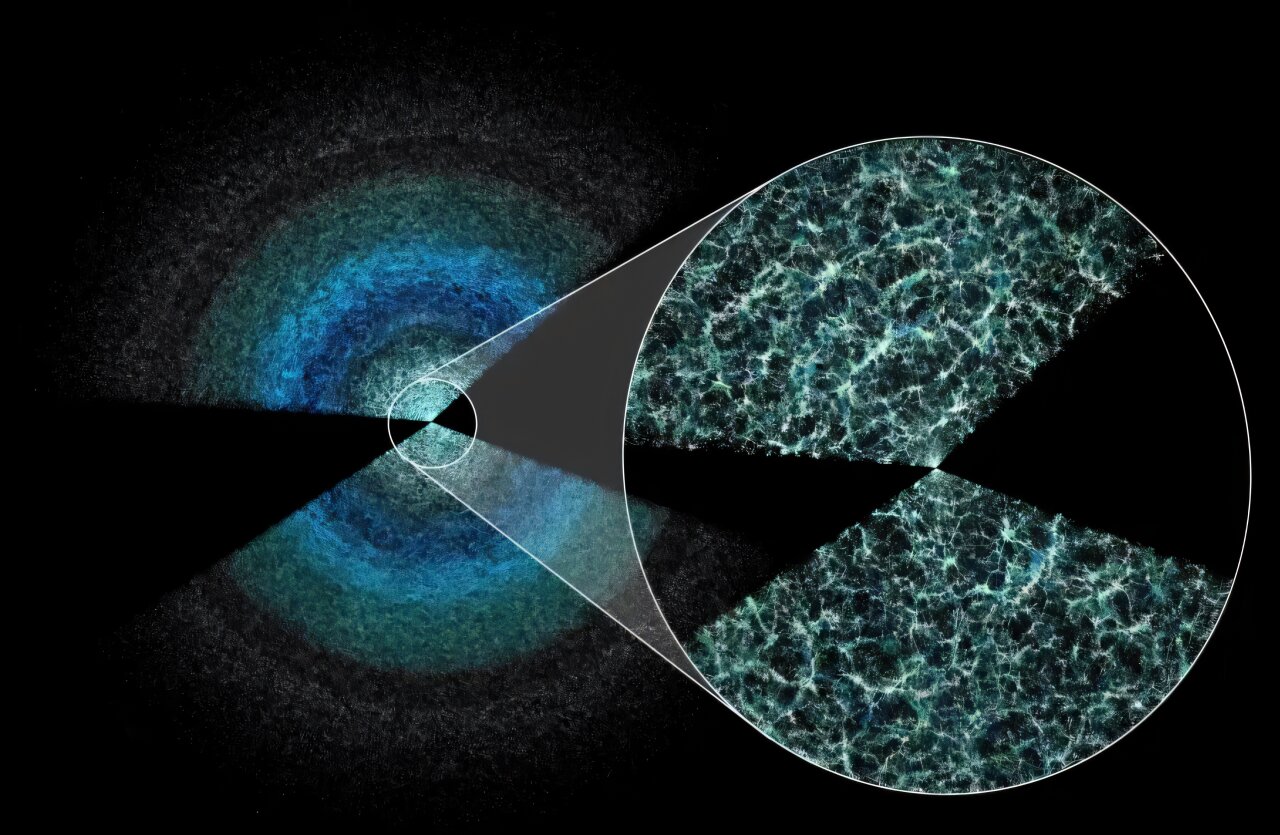
Deep in the Arizona desert, a sophisticated instrument recently pivoted toward a patch of sky near the Little Dipper to capture its final scheduled glimpse of the cosmos. With that observation, the Dark Energy Spectroscopic Instrument (DESI) officially completed the largest and highest-resolution 3D map of the universe ever constructed. This milestone does more than just chart the positions of distant stars; it provides scientists with a high-definition record of the cosmic “tug-of-war” that has shaped the heavens for billions of years. For decades, researchers have operated under the assumption that the force driving the universe apart is a constant, unchanging presence. However, the sheer volume of data within this new map suggests that our fundamental understanding of reality might be due for a revolutionary shift.
Mapping the Influence of a Invisible Force
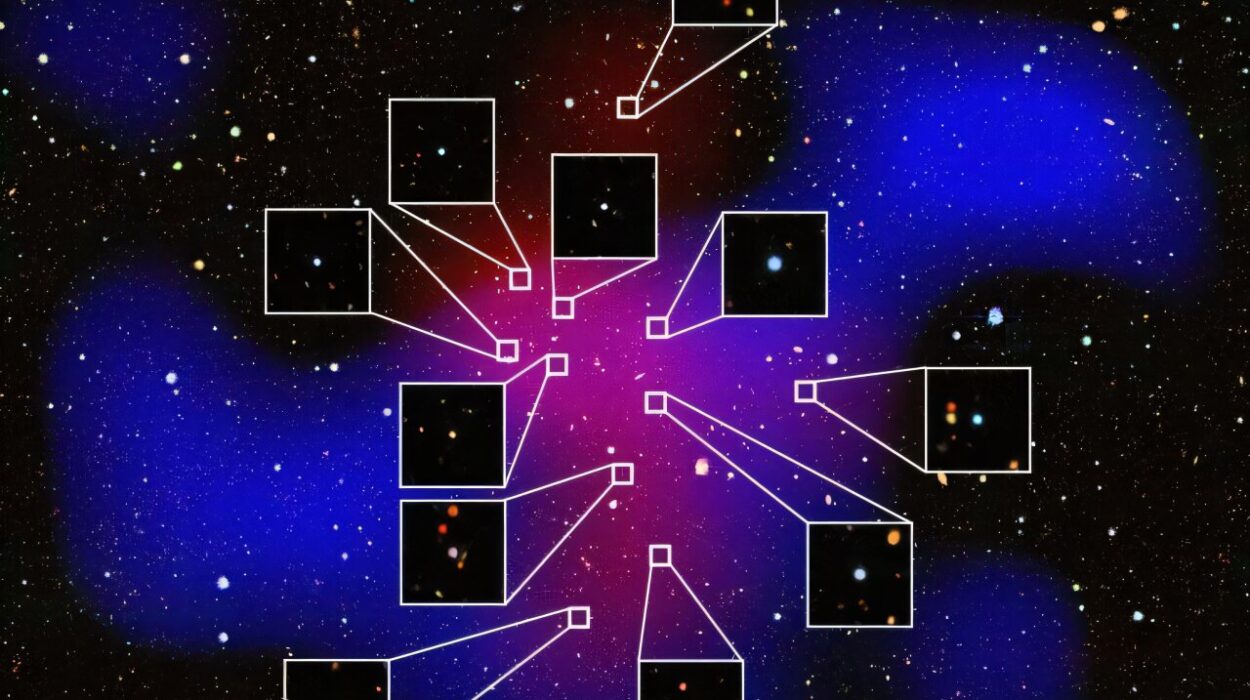
The primary objective of the DESI mission is to hunt for clues regarding dark energy, a mysterious and invisible force that is estimated to make up roughly 70% of the entire universe. While gravity works to pull matter together, dark energy acts as a cosmic repellent, driving the accelerating expansion of space itself. To understand how this force operates, the DESI collaboration has meticulously traced the distribution of galaxies across 11 billion years of cosmic history. By comparing how galaxies clustered together in the ancient past versus how they are distributed today, researchers can measure exactly how dark energy has influenced the growth of the universe over eons.
This global endeavor is managed by the Lawrence Berkeley National Laboratory and involves a massive collaboration of more than 900 researchers from over 70 institutions worldwide. The instrument itself, mounted at the Kitt Peak National Observatory, utilizes 5,000 fiber-optic sensors to act as robotic eyes, capturing the light of distant objects with unprecedented speed. This technology has allowed the team to reach their goals ahead of schedule, delivering a dataset that is significantly larger than what was originally projected at the start of the mission.
Challenging the Cosmological Constant
For a long time, the prevailing theory in physics was that dark energy was a cosmological constant—a fixed property of space that never changes. However, early results derived from the first three years of DESI data have provided a tantalizing hint that this might not be the case. The observations suggested that dark energy might actually be evolving or changing over time. If this finding is confirmed by the now-completed five-year dataset, it would represent a seismic shift in the field of cosmology.
The implications of an evolving dark energy are profound because the ultimate fate of the universe depends on the delicate balance between matter and this expansive force. Whether the universe will continue to expand forever, eventually stabilize, or undergo a different cosmic transition hinges on the true nature of dark energy. Dr. Seshadri Nadathur, an Associate Professor at the University of Portsmouth who co-chaired the working group responsible for extracting these measurements, noted that the possibility of dark energy changing over time would be revolutionary. The full dataset provides the necessary evidence to test whether these early hints persist or if the traditional model of a constant force holds true.
An Observing Machine of Unprecedented Scale
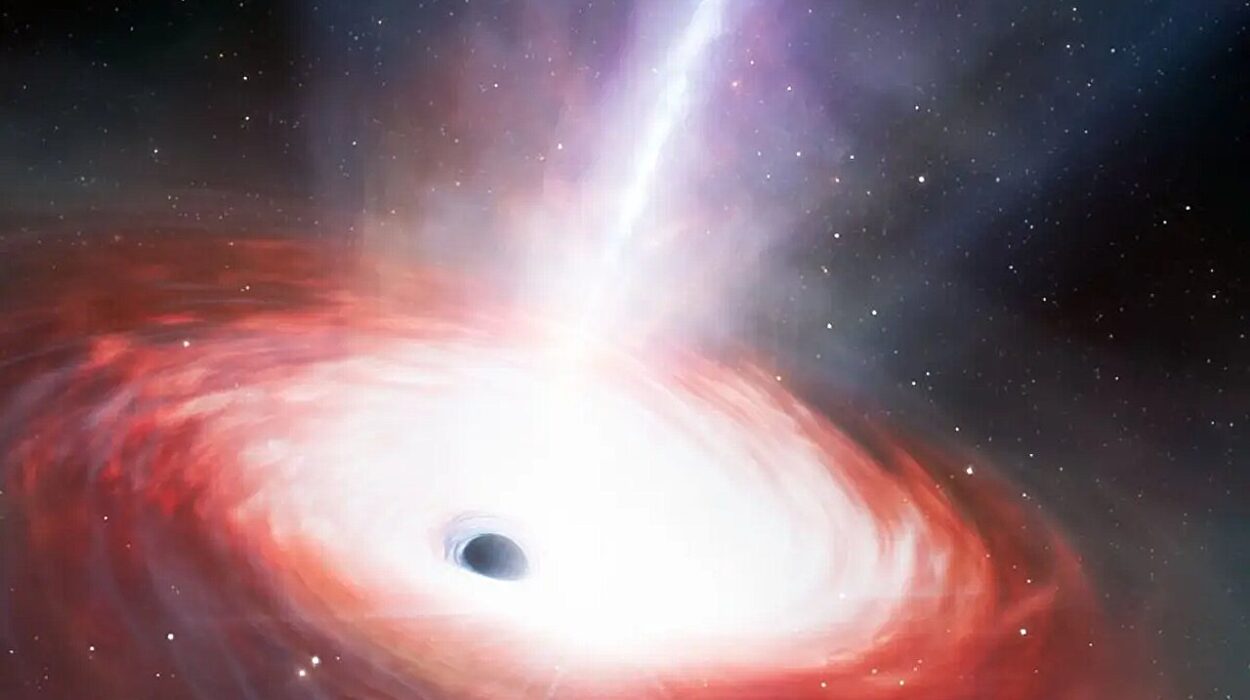
The scale of the DESI survey is difficult to grasp through numbers alone. Since it began collecting data in May 2021, the instrument has functioned as a high-speed “observing machine,” far surpassing its initial performance targets. The original plan for the five-year mission was to capture light from 34 million galaxies and quasars—the incredibly bright, distant centers of galaxies powered by supermassive black holes. Instead, the instrument successfully observed more than 47 million galaxies and quasars, along with 20 million stars.
To put this achievement in perspective, DESI has collected cosmological data from six times as many objects as all previous sky surveys combined. This mountain of information allows scientists to look deeper into the past and with more clarity than ever before. While the first dark energy results from the full five-year survey are not expected until 2027, the scientific community is not waiting idly. Researchers are currently refining their measurements using the first three years of data, with several new studies regarding the structure and evolution of the universe expected to be released later this year.
Pushing the Boundaries of the Known Sky
Despite reaching its original milestone, the work for DESI is far from over. The project is now entering an extended phase that will push the mission through 2028. This expansion will increase the area of the map by about 20%, growing from 14,000 to 17,000 square degrees. For context, while the moon covers only 0.2 square degrees of the sky, the DESI team is attempting to chart a massive portion of the 41,000 square degrees that make up the entire celestial sphere.
This next phase of the survey will be significantly more challenging. Scientists will be peering into the crowded plane of our own Milky Way galaxy, where the light from nearby stars can easily obscure the faint signals from distant galaxies. They will also be looking further south, requiring the instrument to peer through a thicker layer of Earth’s atmosphere. Additionally, the survey will revisit previously mapped regions to hunt for luminous red galaxies. These are a class of fainter, more distant galaxies that will help create a denser and more detailed map, providing a sharper view of how the universe has transformed over billions of years.
Why This Matters
The completion of the DESI map marks a turning point in our quest to understand the origin and destination of the cosmos. Because dark energy dictates the speed at which the universe grows, understanding its nature is the “holy grail” of modern physics. If the data confirms that dark energy evolves, it means our current laws of physics are incomplete and that the universe is far more dynamic than we imagined.
Beyond dark energy, this massive 3D map serves as a multipurpose tool for discovery. It provides the data necessary to investigate other fundamental mysteries, such as “weighing” neutrinos—the lightest known particles in the universe. By mapping the largest structures in existence, DESI is helping scientists understand the smallest building blocks of matter. As the collaboration begins the years-long process of churning through this unprecedented dataset, the scientific community stands on the verge of discoveries that could fundamentally change how we perceive our place in the vast, expanding dark.