The story of our origins has long been anchored to a single, explosive moment in time. For decades, scientists pointed to the Cambrian explosion, roughly 535 million years ago, as the definitive starting gun for complex life. Before that, the Earth was thought to be populated by the “weird” and the simple—drifting, alien-like organisms of the Ediacaran period that seemed to leave no modern descendants. But in the quiet hills of Yunnan Province in southwest China, a decade of patient searching has unearthed a collection of ghosts that change everything.
The Secret World Beneath the Algae
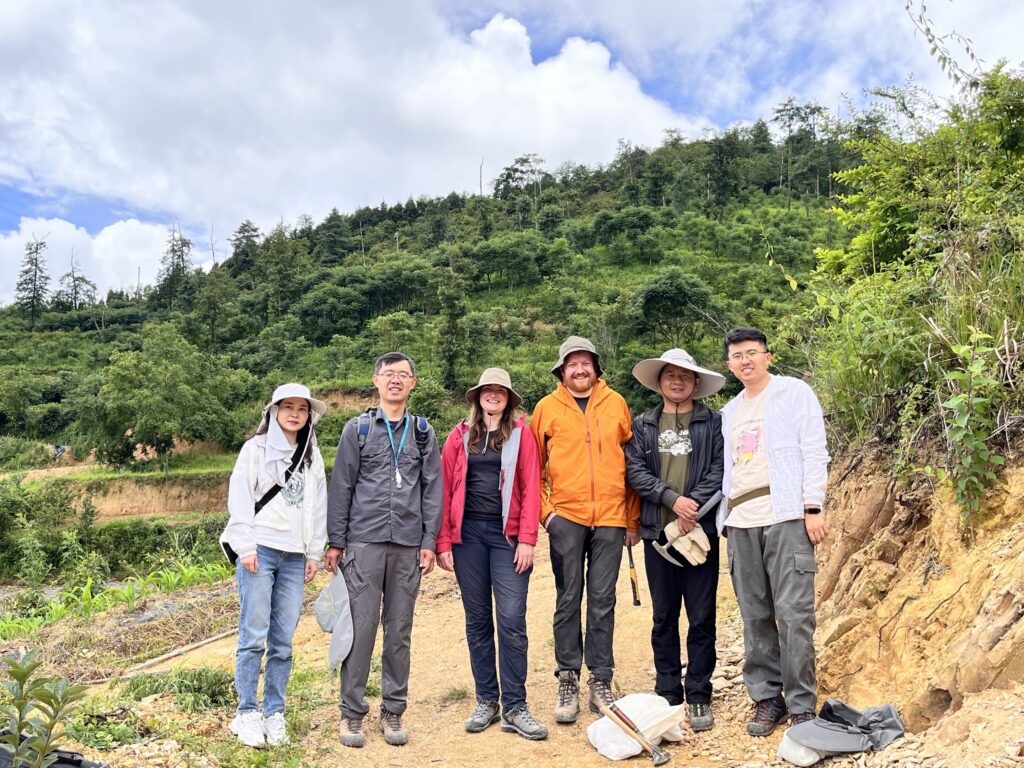
For nearly ten years, researchers from Yunnan University and the University of Oxford scoured the rocks of Eastern Yunnan. These sites were already known to science, but they were considered biological deserts for animal life, yielding only the remains of ancient algae. The team, led by Professor Peiyun Cong and Associate Professor Fan Wei, refused to believe the story ended there. They were looking for a specific set of conditions—a rare alignment of geology that could trap the delicate bodies of early animals before they decayed into nothingness.
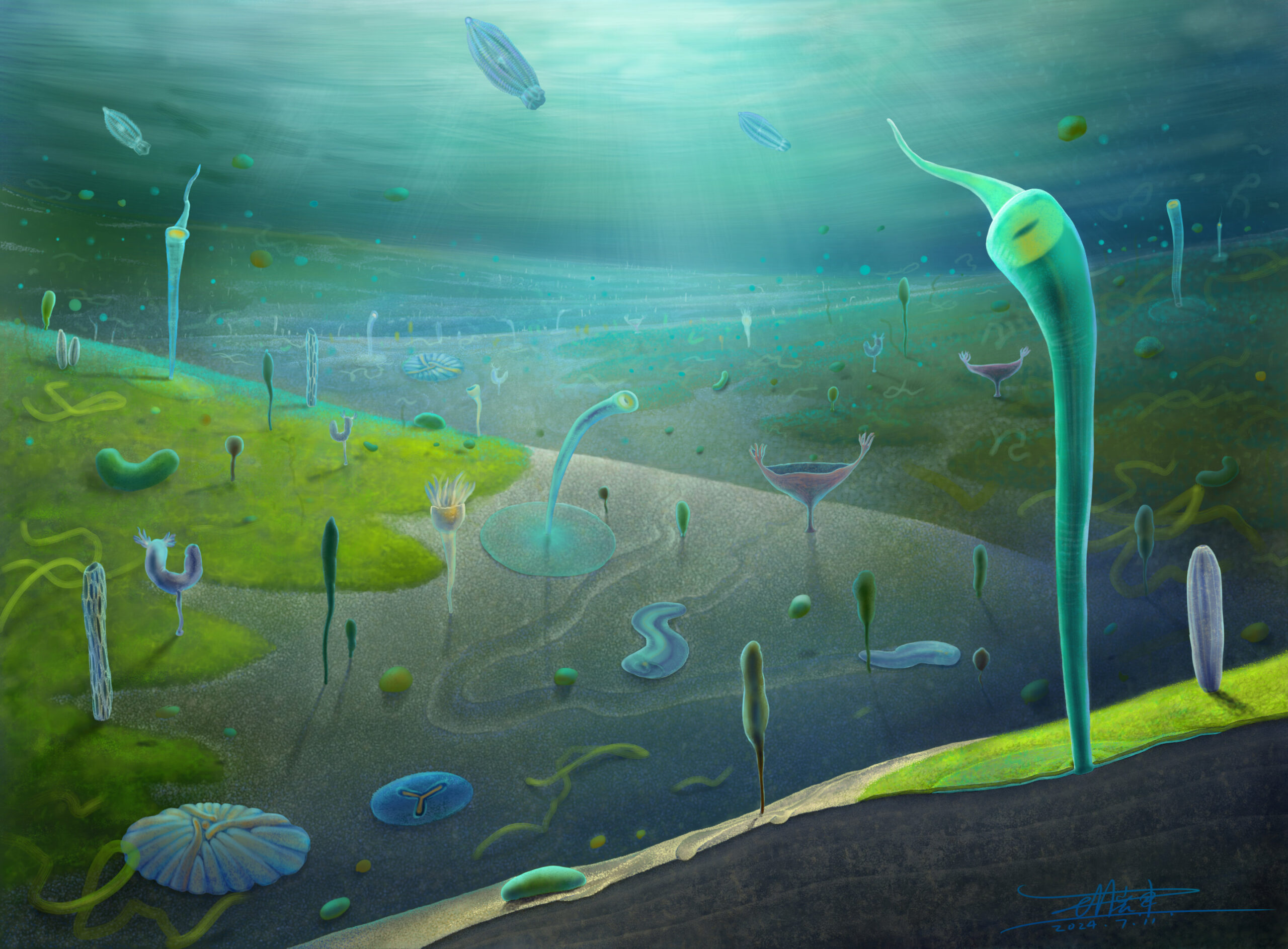
Their persistence eventually led them to the Jiangchuan Biota. Here, they uncovered more than 700 fossil specimens dating back between 554 and 539 million years. This discovery effectively pulls the curtain back on a “transitional community” that existed at the very end of the Ediacaran, at least 4 million years before the Cambrian began. It reveals that the “explosion” of life didn’t happen in a vacuum; the fuse had been lit much earlier than we ever realized.
A Gallery of Biological Pioneers
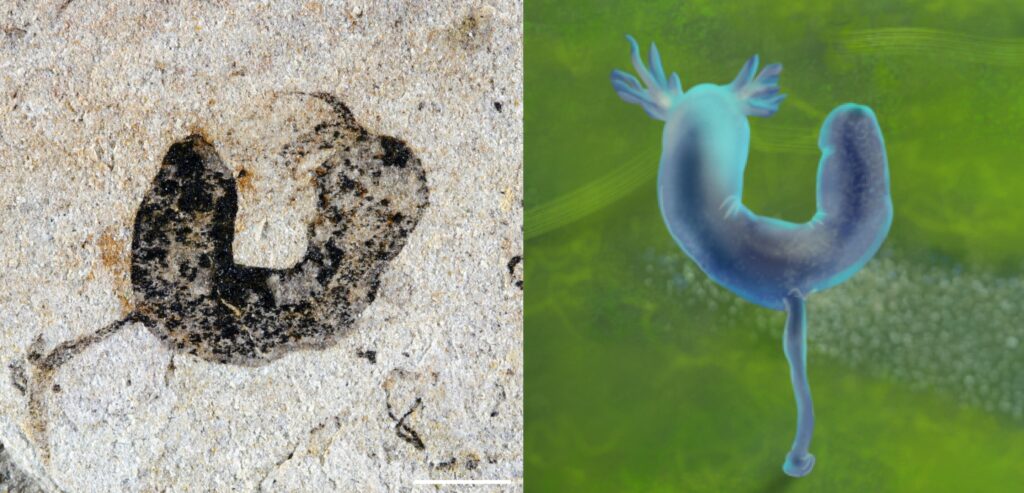
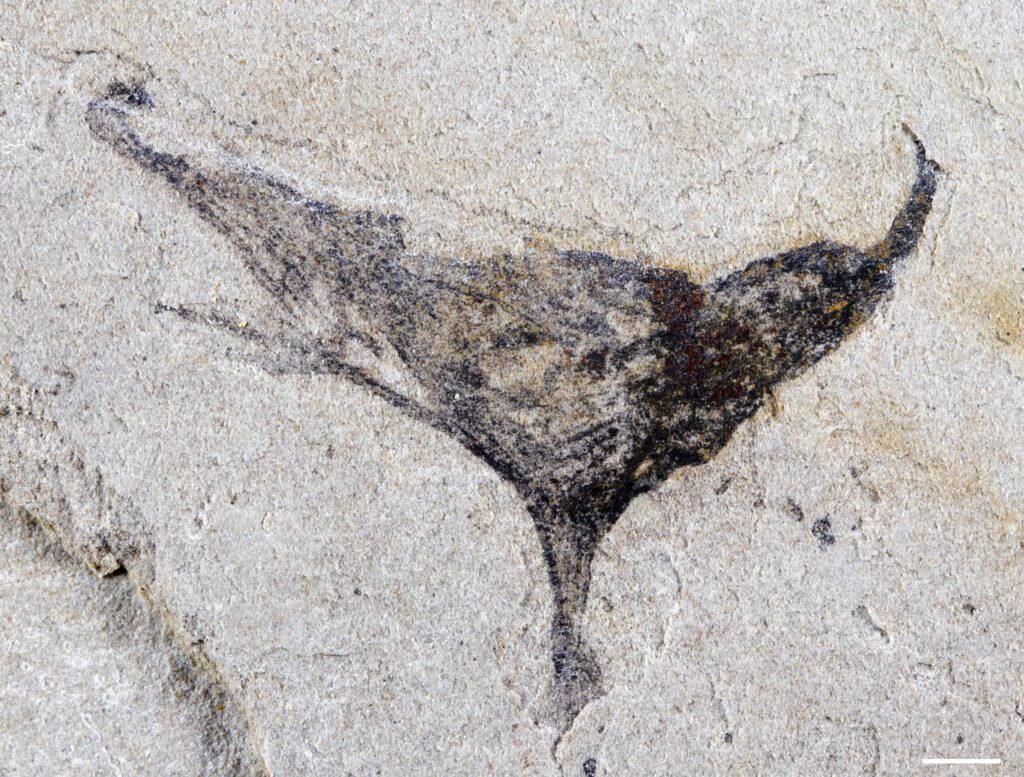
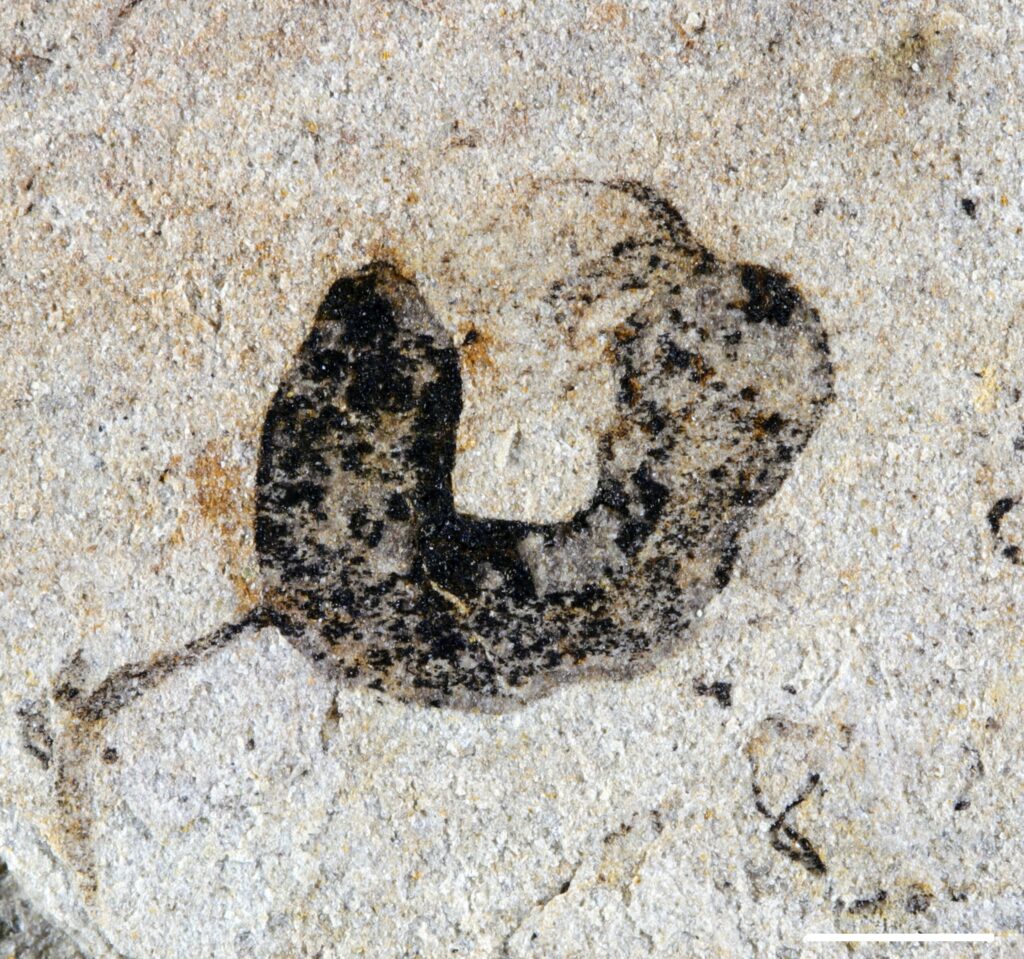
What the researchers found in these rocks wasn’t just a collection of simple organisms, but a diverse and sophisticated neighborhood of complex animals. Among the most startling residents were the ancestors of the Ambulacraria, a group that includes modern-day starfish, sea cucumbers, and acorn worms. These ancient relatives lived a stationary life, anchored to the seafloor by a stalk, using a U-shaped body and a pair of tentacles on their heads to pluck food from the passing current.
Finding these creatures in the Ediacaran creates a profound ripple effect across the tree of life. If these ancestors were already present, it means their cousins, the chordates—the lineage of animals with backbones that eventually led to humans—must have been lurking in the shadows of the ancient sea as well. These fossils represent the oldest known relatives of deuterostomes, the massive biological category that encompasses everything from fish to people. For the first time, the fossil record for our own broad family tree has been pushed back into this deeper, older chapter of Earth’s history.
The Sandworm and the Shifting Shapes
The Jiangchuan Biota wasn’t just home to our direct relatives; it was a laboratory of evolutionary experimentation. The team identified worm-like bilaterian animals (creatures with symmetrical left and right sides) that possessed surprisingly complex feeding adaptations. Some fossils even appear to be early comb jellies, drifting through the water column with delicate, gelatinous bodies.
Perhaps most fascinating are the organisms that defy any modern category. The researchers encountered “novel combinations” of anatomy—attachment disks, stalks, and feeding structures that could be turned inside out. Some of these creatures looked so alien that Dr. Frankie Dunn noted one specimen’s striking resemblance to the giant sandworm from the sci-fi epic Dune. These findings suggest that the transition from the “weird” Ediacaran world to the familiar Cambrian world was a messy, vibrant overlap where many different body plans were being tested simultaneously.
Mirrors of the Burgess Shale
One of the greatest puzzles in biology has been the “missing” fossils of the Ediacaran. While molecular studies and ancient trace fossils (like tracks in the mud) suggested that complex animals should have been around, the actual bodies were nowhere to be found. Most Ediacaran sites only preserve organisms as rough impressions in sandstone, a process that captures the general shape but loses the fine details of internal organs or soft limbs.
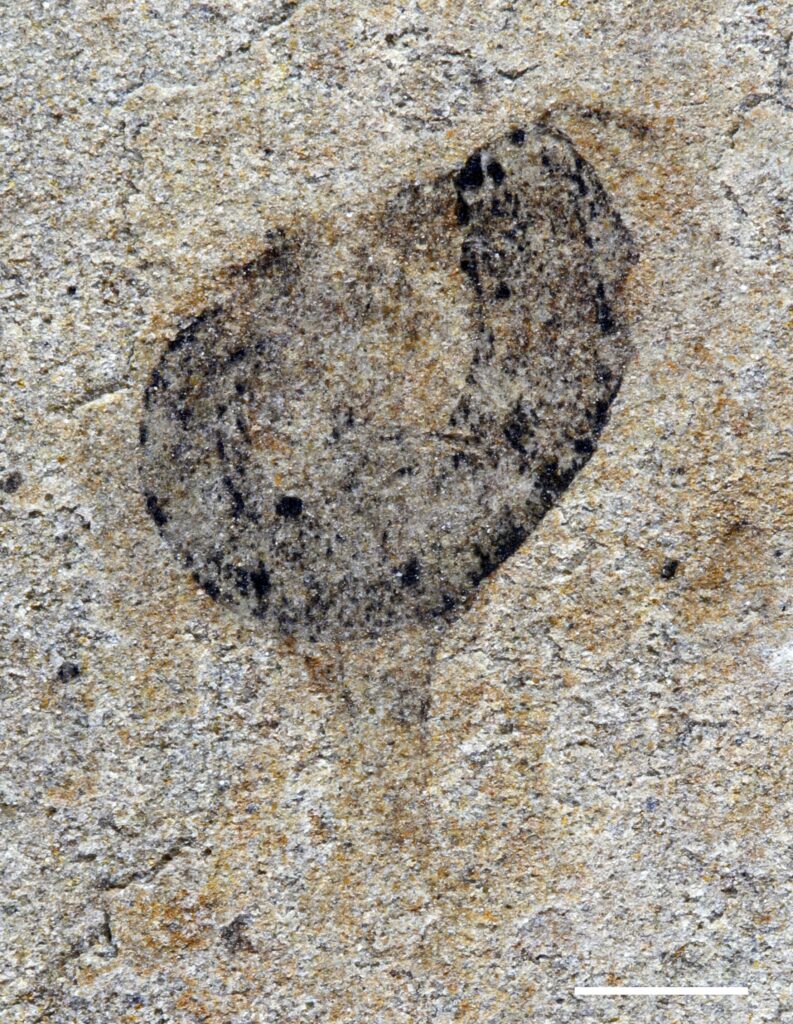
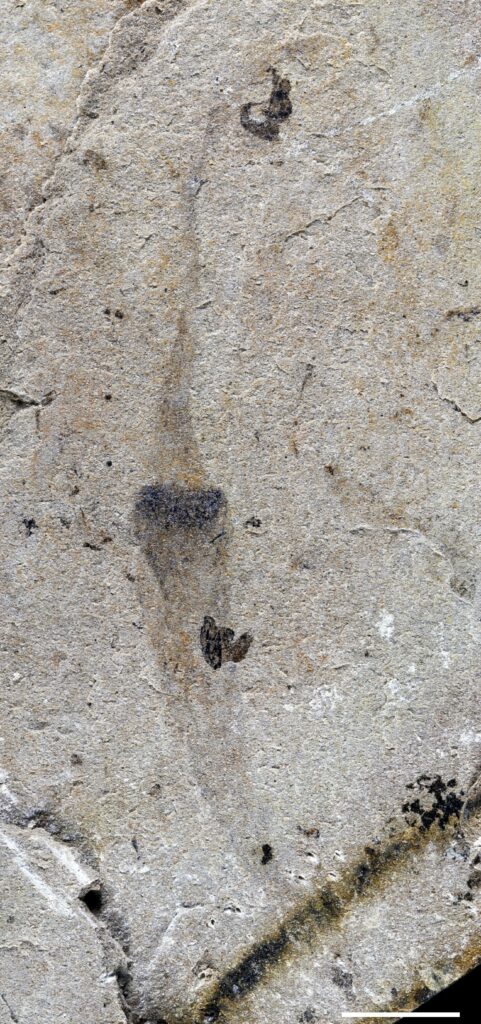
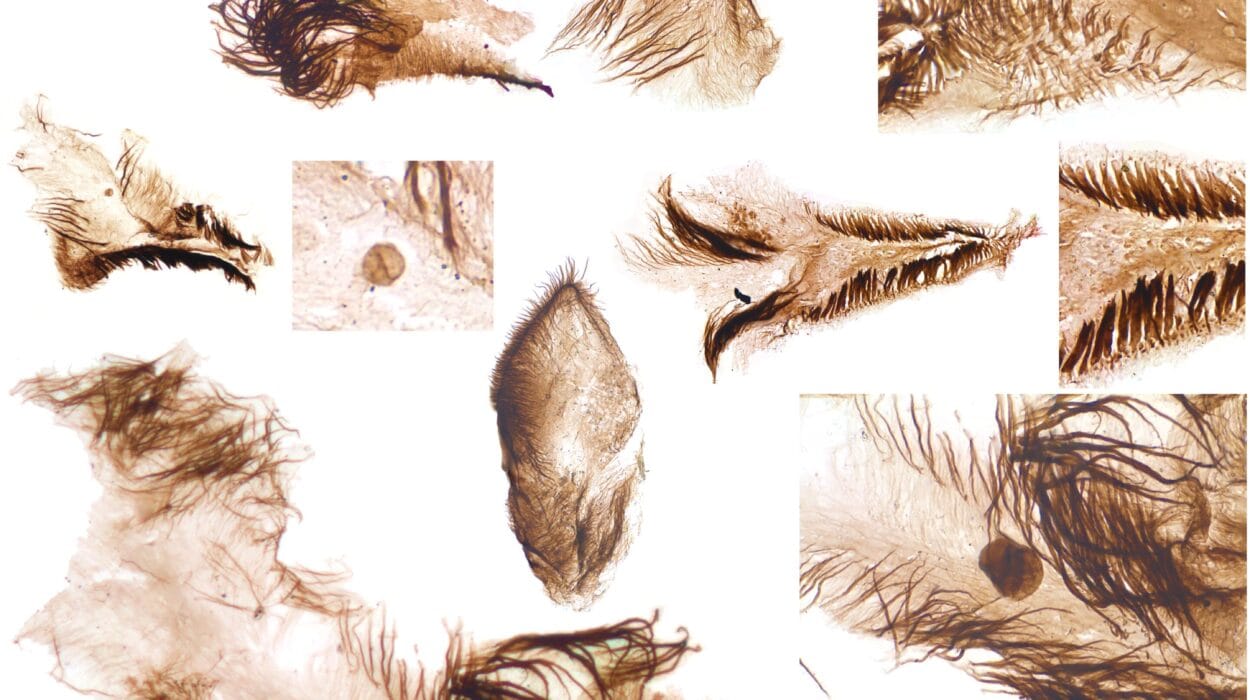
The Jiangchuan fossils are different. They are preserved as carbonaceous films, a rare and exceptional style of preservation more commonly found in the famous Burgess Shale. This allowed the international team to see deep into the past, identifying guts, locomotory organs, and intricate feeding structures. As Associate Professor Ross Anderson noted, the absence of these animals elsewhere wasn’t because they didn’t exist; it was simply because the conditions to preserve them were incredibly rare. The Jiangchuan Biota acted as a high-definition window into a time we previously only saw in blurry silhouettes.
Why This Ancient Neighborhood Matters
This discovery is more than just a chronological correction; it is a fundamental shift in how we view the history of life on Earth. By closing a major gap in the earliest phases of animal diversification, these fossils prove that the blueprint for complex life—including the ancestors of humans—was already drafted and active in the Ediacaran period.
The research confirms that the sudden appearance of diverse life in the Cambrian was less of a spontaneous “explosion” and more of a visible flowering of a garden that had been growing for millions of years. It highlights the importance of preservation in our understanding of history, suggesting that other “lost” communities may still be hidden in the rock, waiting for the right conditions to be found. Ultimately, these 550-million-year-old residents of Yunnan remind us that the roots of our own existence reach much deeper into the ancient past than we ever dared to imagine.
Study Details
Gaorong Li et al, The dawn of the Phanerozoic: a transitional fauna from the late Ediacaran of Southwest China, Science (2026). DOI: 10.1126/science.adu2291. www.science.org/doi/10.1126/science.adu2291