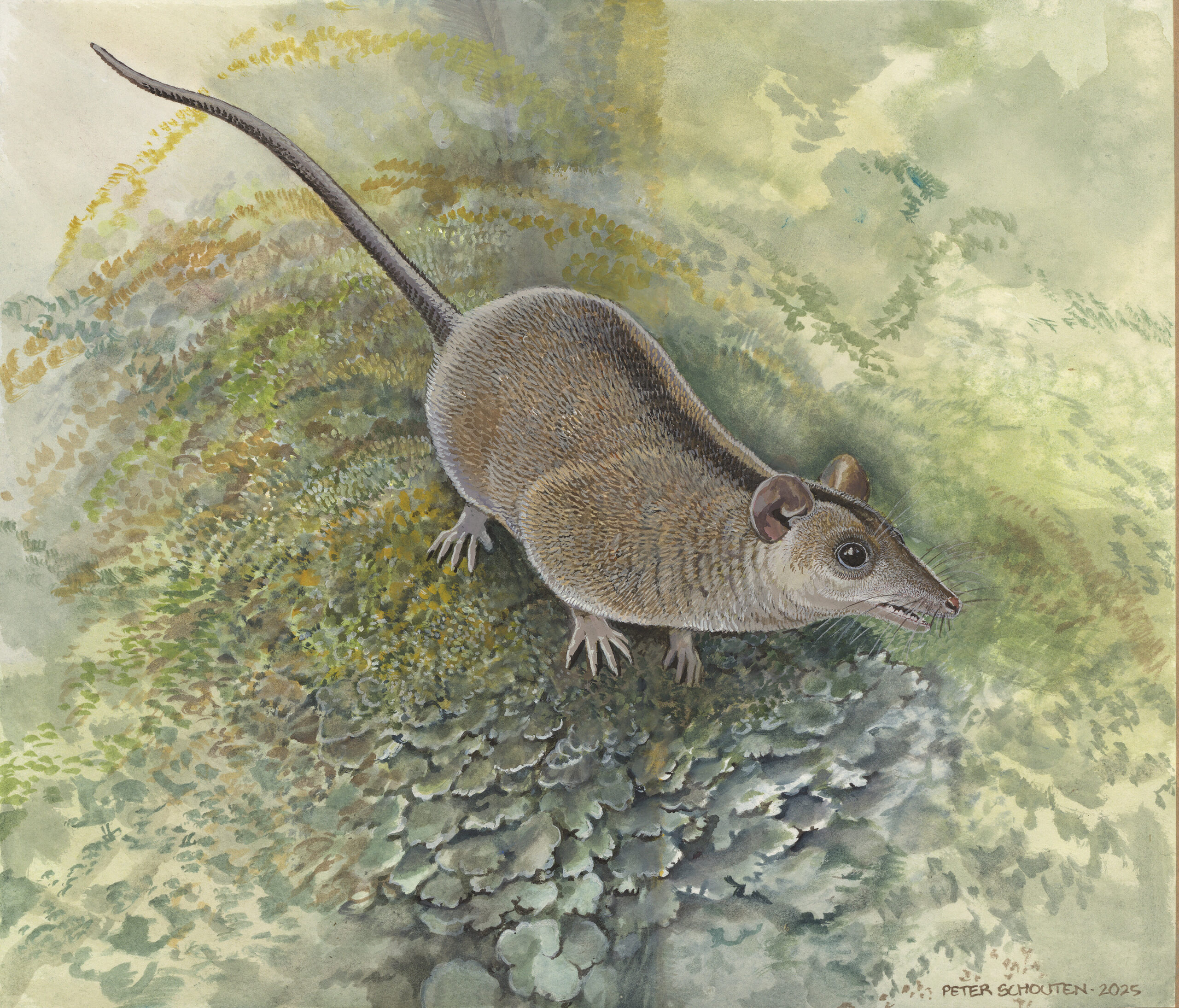
Fossils from northern Australia have revealed what researchers believe is a previously unknown branch of the marsupial family tree, leading to the proposal of an entirely new marsupial order called Keeunamorphia. The discovery suggests Australia’s mammal evolution was far more complex than scientists once thought, with ancient lineages surviving alongside more familiar marsupials for millions of years.
Deep within the fossil-rich deposits of northern Australia, researchers have uncovered evidence that challenges one of the long-standing assumptions about marsupial evolution. What began as the study of several small fossil mammals has led to the identification of a previously unknown evolutionary lineage—one so distinct that scientists are proposing an entirely new marsupial order.
The findings, published in the Journal of Paleontology, center on three newly identified species that lived in Queensland’s Riversleigh World Heritage Area around 18 million years ago. Although these animals were small, their significance could be enormous for understanding how Australia’s unique mammals evolved.
Three Tiny Fossils With a Big Evolutionary Story
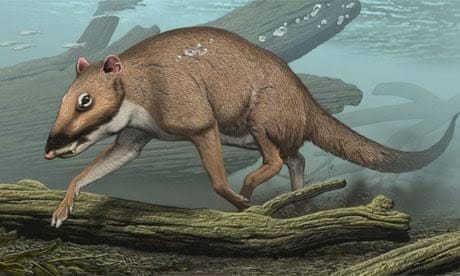
The newly described marsupials were insect-eating animals weighing between approximately 25 and 200 grams. They inhabited the lush rainforest environments that once covered parts of northern Australia during the Miocene.
At first glance, they may have seemed like just another group of extinct marsupials. However, closer examination revealed something unexpected. Their fossilized teeth differed from those of other marsupials living during the same period and instead resembled characteristics found in much older species.
That unusual combination caught the attention of researchers.
According to lead author Dr. Tim Churchill, a paleontologist at UNSW, the fossils were distinct enough to justify the creation of a completely new marsupial order known as Keeunamorphia.
The proposal is remarkable because biological orders represent major branches of the evolutionary tree. Identifying a new one suggests these animals followed a unique evolutionary path that had previously gone unrecognized.
Evidence of an Ancient Lineage
Researchers combined fossil analysis with evolutionary modeling to investigate where these animals fit within the broader marsupial family tree.
The results indicated that the newly discovered species were not closely related to other marsupials that lived alongside them. Instead, they appeared to represent a separate lineage with roots extending much deeper into the past.
Dr. Churchill noted that the animals seemed comparatively primitive when measured against other marsupials of the same era. Rather than evolving along the same pathways as their contemporaries, they appeared to have maintained characteristics linked to much older ancestors.
This suggests the lineage may have persisted independently for tens of millions of years while other marsupial groups diversified around it.
The discovery raises the possibility that Keeunamorphia could represent one of the most ancient branches of Australian marsupials ever identified.
Rethinking How Australian Marsupials Evolved
For decades, scientists have generally believed that Australia’s marsupials descended from a common ancestral lineage that arrived from South America through Antarctica more than 50 million years ago.
The newly discovered fossils do not necessarily overturn that idea, but they do add significant complexity to the picture.
Rather than a simple evolutionary story in which one ancestral group gave rise to all modern Australian marsupials, the evidence points toward a more diverse collection of early lineages. Some of these ancient branches may have existed simultaneously and contributed in different ways to Australia’s later mammal diversity.
The fossils suggest that multiple primitive marsupial groups could have been present when Australia was still part of the ancient supercontinent Gondwana.
As a result, the origins of Australia’s marsupials may involve a broader and more complicated network of evolutionary relationships than previously recognized.
Riversleigh Continues to Reveal Ancient Secrets
The discovery once again highlights the scientific importance of Queensland’s Riversleigh World Heritage Area, one of the world’s most significant fossil sites.
The region has produced numerous fossil discoveries that have helped researchers reconstruct Australia’s prehistoric ecosystems. The newly identified marsupials add another important chapter to that record, offering a rare glimpse into a period when many mammal groups were still evolving and diversifying.
Because the fossils preserve anatomical details such as teeth, they provide valuable clues about evolutionary relationships that would otherwise remain hidden.
In this case, those clues revealed a lineage that had gone unnoticed despite surviving for millions of years.
The Fossil Record Still Holds Major Gaps
While the discovery provides important new insights, it also highlights how much remains unknown about the earliest stages of marsupial evolution.
Researchers emphasize that significant gaps still exist in the fossil record. Those missing pieces make it difficult to reconstruct the full history of how Australia’s marsupials emerged and diversified over time.
The newly proposed order may represent only one branch of a much larger evolutionary story that has yet to be uncovered. Future fossil discoveries could reveal additional ancient lineages and further reshape scientists’ understanding of Australia’s mammalian past.
For now, the evidence suggests that the continent’s early marsupial fauna was likely far more diverse than researchers once imagined.
Why This Matters
The discovery of Keeunamorphia is important because it challenges the idea that Australia’s marsupials evolved from a relatively straightforward ancestral lineage. Instead, the findings point to a richer and more intricate evolutionary history involving multiple ancient branches that coexisted for millions of years.
By revealing a previously unknown marsupial order and identifying what may be one of Australia’s oldest marsupial lineages, the study provides a fresh perspective on how the continent’s distinctive mammals evolved. It also underscores the value of continued fossil exploration, showing that some of the most significant chapters of evolutionary history may still be waiting to be discovered beneath the ground.