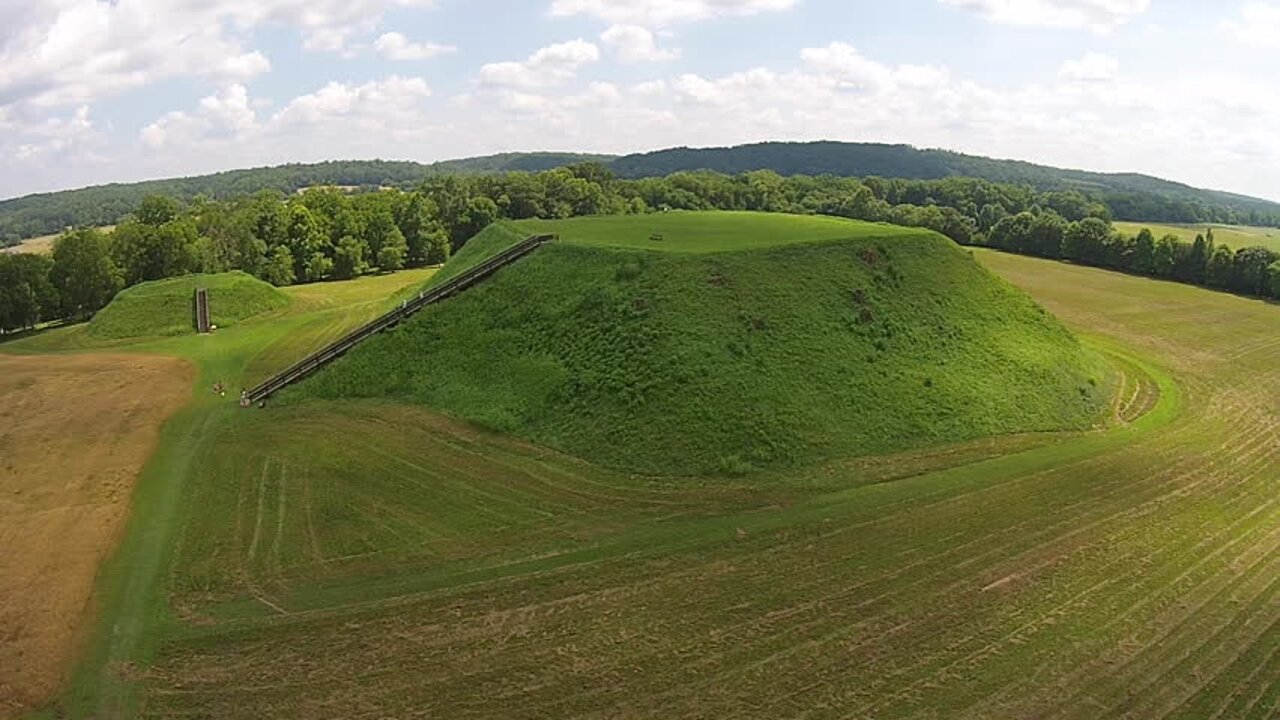
People living at the Mississippian city of Etowah in present-day Georgia were consuming cacao as early as the 11th and 12th centuries, according to DNA recovered from ancient pottery residues. The evidence adds a new location to the record of cacao use in North America before European colonization.
The evidence comes from three pottery sherds excavated at the Etowah Mounds, an archaeological site along Georgia’s Etowah River. The site includes six large prehistoric earthen mounds, along with a village and plazas, and covers 54 acres, or about 22 hectares.
The pottery fragments are between 800 and 900 years old. They came from feasting pits linked to construction of the site’s first platform mound.
Researchers extracted ancient DNA from residue on the pottery and compared the sequences with the cacao genome. Because the residue contained DNA from many sources, including soil bacteria, other plants and environmental contamination, the researchers first had to separate those sequences from the cacao DNA.
The resulting evidence identified cacao, the plant used to make chocolate, in the pottery residues. The study authors wrote that ancient DNA confirms that people at the site consumed cacao.
Earlier chemical evidence could not identify cacao
There had already been a clue that the pottery might have been used with a caffeinated plant. Earlier chemical testing of the same residues detected caffeine.
But caffeine alone could not establish that cacao was present. Yaupon holly, a plant native to the region, contains caffeine as well as theobromine, another chemical marker associated with cacao. Standard chemical testing therefore could not distinguish between the two plants.
The ancient DNA provided a more direct way to identify the source of the residue.
Cacao had to reach Georgia from elsewhere
Cacao does not grow in Georgia, and its presence at Etowah indicates that it reached the site through contact with people in or near regions where cacao was grown.
Cacao was already known to have been used in Central and South America thousands of years before European colonization. Evidence had also been found in the American Southwest. But there had been no clear evidence that people in the major civilizations east of the Mississippi River consumed chocolate.
The Etowah evidence adds such consumption to that record.
The researchers suggest that cacao may have traveled through long-distance networks that moved goods, people and ideas across the Americas. The evidence does not establish where the cacao at Etowah originated or which route brought it there.
The study was published in PLOS One.