Mercury is one of the most fascinating and paradoxical substances known to science. It is a metal that behaves like a liquid, a natural element that has been both revered and feared, and a substance that has played a crucial role in human history while also posing serious risks to health and the environment. To understand mercury is to explore a story that spans chemistry, physics, medicine, industry, and even mythology.
At its most basic level, mercury is a chemical element with the symbol Hg and atomic number 80. It belongs to the group of elements known as transition metals, yet it defies expectations by remaining in a liquid state at room temperature. This unique property alone sets mercury apart from nearly all other metals and has made it an object of curiosity for centuries.
However, mercury is far more than a scientific curiosity. It is deeply intertwined with human civilization, from ancient alchemy to modern technology. At the same time, it is one of the most toxic elements on Earth, capable of causing severe harm to living organisms. This dual nature—useful yet dangerous—makes mercury a subject of ongoing scientific and environmental concern.
The Nature of Mercury as an Element
Mercury is a naturally occurring element found in the Earth’s crust. It is relatively rare compared to other metals, but it is widely distributed in small amounts across the planet. In its pure form, mercury appears as a shiny, silvery liquid that reflects light like a mirror. This distinctive appearance contributed to its historical association with mysticism and transformation.
From a chemical perspective, mercury is unique due to its atomic structure. Its electrons are arranged in a way that weakens the bonding between atoms, preventing it from forming a solid lattice at room temperature. As a result, mercury remains liquid under conditions where most metals would be solid.
Mercury has a relatively high density, meaning that it is much heavier than water. If placed in a container, it forms rounded droplets that move smoothly and resist spreading. This behavior is a result of strong surface tension, which causes the atoms at the surface to cling tightly together.
The element also has a relatively low melting point and a moderate boiling point. It can evaporate slowly even at room temperature, producing mercury vapor, which is colorless and odorless but highly toxic. This ability to transition between liquid and vapor states under normal conditions contributes to both its usefulness and its danger.
The Discovery and Historical Significance of Mercury
Mercury has been known to humans for thousands of years. Ancient civilizations, including those in Egypt, China, and India, used mercury in various applications long before its chemical properties were understood. It was often extracted from cinnabar, a red mineral composed of mercury sulfide.
In ancient China, mercury was believed to have life-extending properties. Some emperors consumed mercury-based elixirs in the hope of achieving immortality, a practice that often led to poisoning and death. Similarly, in medieval Europe, mercury played a central role in alchemy, where it was thought to be a fundamental component of all metals.
The Latin name for mercury, “hydrargyrum,” meaning “liquid silver,” reflects its unusual physical state. This name is the origin of its chemical symbol, Hg. Over time, mercury became associated with the Roman god Mercury, known for his speed and fluidity, further emphasizing its dynamic nature.
During the early modern period, mercury found practical applications in mining and medicine. It was used to extract gold and silver from ores through a process known as amalgamation. In medicine, mercury compounds were used to treat various diseases, including syphilis, although these treatments were often harmful.
Physical Properties of Mercury
Mercury’s physical properties are among the most distinctive of any element. Its liquid state at room temperature is perhaps its most well-known characteristic. This property arises from relativistic effects in its electron configuration, which reduce the strength of metallic bonding.
The metal’s high density makes it useful in instruments such as barometers and thermometers. In a mercury thermometer, the liquid expands and contracts in response to temperature changes, allowing for precise measurements. Similarly, in barometers, mercury responds to changes in atmospheric pressure.
Mercury is also an excellent conductor of electricity, though not as effective as some solid metals like copper. Its thermal conductivity is relatively low compared to other metals, meaning it does not transfer heat as efficiently.
Another notable property is its surface tension. Mercury forms nearly spherical droplets when spilled, which can roll across surfaces without spreading out. This behavior is both visually striking and scientifically significant, as it reflects the strong cohesive forces between mercury atoms.
Chemical Behavior and Compounds
Mercury exhibits complex chemical behavior, forming a wide range of compounds with other elements. It commonly exists in two oxidation states: +1 and +2. These states determine how mercury interacts with other substances and influence its chemical properties.
Mercury readily forms compounds with sulfur, oxygen, and halogens. One of the most important naturally occurring compounds is mercury sulfide, found in the mineral cinnabar. This compound has been used as a pigment and a source of mercury for centuries.
Mercury can also form organic compounds, known as organomercury compounds. These are particularly significant because they are often more toxic than inorganic forms of mercury. Methylmercury, for example, is a highly toxic compound that accumulates in living organisms and poses serious health risks.
The reactivity of mercury is relatively low compared to many other metals. It does not react readily with oxygen at room temperature, which helps it maintain its shiny appearance. However, it can react under certain conditions to form oxides and other compounds.
Mercury in the Environment
Mercury is present in the environment through both natural processes and human activities. Natural sources include volcanic eruptions, weathering of rocks, and emissions from the ocean. These processes release mercury into the atmosphere, where it can travel long distances before settling back to the Earth’s surface.
Human activities have significantly increased the amount of mercury in the environment. Industrial processes such as coal burning, mining, and waste incineration release mercury into the air. Once in the atmosphere, mercury can be deposited into soil and water, where it enters ecosystems.
In aquatic environments, mercury undergoes chemical transformations that convert it into more toxic forms, such as methylmercury. This compound is readily absorbed by microorganisms and accumulates in the food chain. As a result, larger animals, including fish, can contain high levels of mercury.
This process, known as biomagnification, means that mercury concentrations increase at each level of the food chain. Humans who consume contaminated fish may be exposed to significant amounts of mercury, posing health risks.
Toxicity and Health Effects
Mercury is one of the most toxic elements, and its effects on human health can be severe. The toxicity of mercury depends on its chemical form, the level of exposure, and the duration of exposure.
Elemental mercury, when inhaled as vapor, can affect the nervous system, leading to symptoms such as tremors, memory problems, and mood changes. Inorganic mercury compounds can damage the kidneys and digestive system.
Organic mercury compounds, particularly methylmercury, are especially dangerous because they can cross biological barriers, including the blood-brain barrier and the placenta. This means they can affect the developing brains of fetuses and young children, leading to long-term neurological damage.
Mercury poisoning has been documented in several historical and modern incidents. One of the most well-known cases involved industrial pollution that contaminated water sources, leading to widespread illness in affected communities.
The health risks associated with mercury have led to strict regulations and efforts to reduce exposure. Public health guidelines often recommend limiting the consumption of certain types of fish that are known to contain high levels of mercury.
Uses of Mercury in Science and Industry
Despite its toxicity, mercury has been widely used in science and industry due to its unique properties. Historically, it was used in thermometers, barometers, and other measuring instruments. Its ability to expand and contract predictably with temperature made it ideal for these applications.
In electrical systems, mercury has been used in switches and relays. Its liquid state allows for smooth and reliable electrical connections. Mercury has also been used in fluorescent lamps, where it helps produce ultraviolet light that is converted into visible light.
In the field of chemistry, mercury has been used as a catalyst in certain reactions. It has also played a role in the production of chlorine and sodium hydroxide through electrochemical processes.
However, many of these uses have declined due to concerns about mercury’s environmental and health impacts. Safer alternatives have been developed, and regulations have limited the use of mercury in many applications.
Mercury in Astronomy: The Planet Mercury
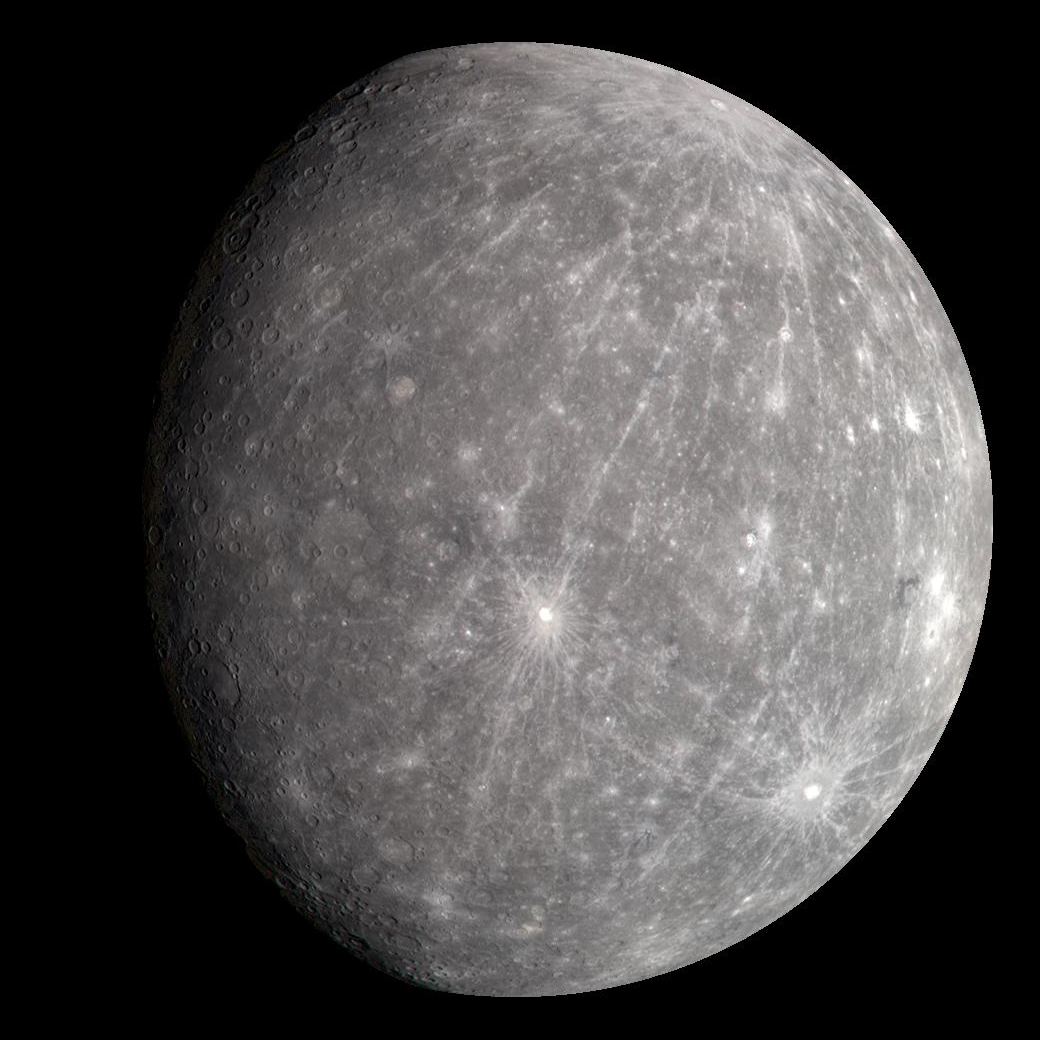
The name “Mercury” also refers to the closest planet to the Sun in our solar system. While this celestial body is entirely different from the chemical element, the shared name reflects the ancient association of mercury with speed and motion.
The planet Mercury is characterized by extreme temperatures, a thin atmosphere, and a heavily cratered surface. It completes an orbit around the Sun in just 88 Earth days, making it the fastest-moving planet in the solar system.
Although the planet and the element are unrelated in a scientific sense, their shared name highlights the historical tendency to connect natural phenomena through symbolic associations.
Environmental Challenges and Global Efforts
The widespread presence of mercury in the environment has led to significant global challenges. Pollution from industrial activities has contaminated air, water, and soil, affecting ecosystems and human health.
Recognizing these risks, international efforts have been made to reduce mercury emissions and exposure. Agreements and regulations aim to limit the use of mercury in products and processes, promote safer alternatives, and manage existing contamination.
Scientific research continues to play a crucial role in addressing these challenges. Studies on mercury’s behavior in the environment, its effects on health, and methods for its removal are essential for developing effective solutions.
The Scientific Importance of Mercury
Mercury remains an important subject of scientific study. Its unique properties provide insights into the behavior of metals and the effects of atomic structure on physical characteristics. Research on mercury has contributed to advances in chemistry, physics, and environmental science.
The study of mercury also highlights the complex relationship between science and society. It demonstrates how scientific discoveries can lead to technological advancements while also raising ethical and environmental questions.
Understanding mercury requires an interdisciplinary approach, combining knowledge from multiple fields to address both its benefits and its risks.
Conclusion
Mercury is a remarkable element that embodies both the wonders and the challenges of science. Its liquid form, complex chemistry, and historical significance make it a subject of enduring fascination. At the same time, its toxicity and environmental impact remind us of the responsibility that comes with scientific knowledge.
From ancient alchemy to modern environmental science, mercury has played a central role in shaping human understanding of the natural world. It serves as a powerful example of how a single element can influence multiple aspects of life, from technology to health to the global ecosystem.
To truly understand mercury is to appreciate its dual nature: a substance of extraordinary utility and profound danger. It is a reminder that science is not only about discovery but also about stewardship—the careful management of knowledge for the benefit of humanity and the planet.