There is a quiet revolution happening in laboratories that smells faintly of broth and stainless steel instead of smoke and grease. It is driven not by chefs but by biologists, engineers, and ethicists who share a strange ambition: to make meat without killing an animal. Lab-grown meat, also known as cultured meat or cultivated meat, promises a burger that never saw a pasture, a steak that never belonged to a living cow, and a chicken nugget that did not require a chicken. To some, this idea sounds unnatural or even unsettling. To others, it feels like the logical next chapter in humanity’s long story of learning how to eat without destroying itself or the planet.
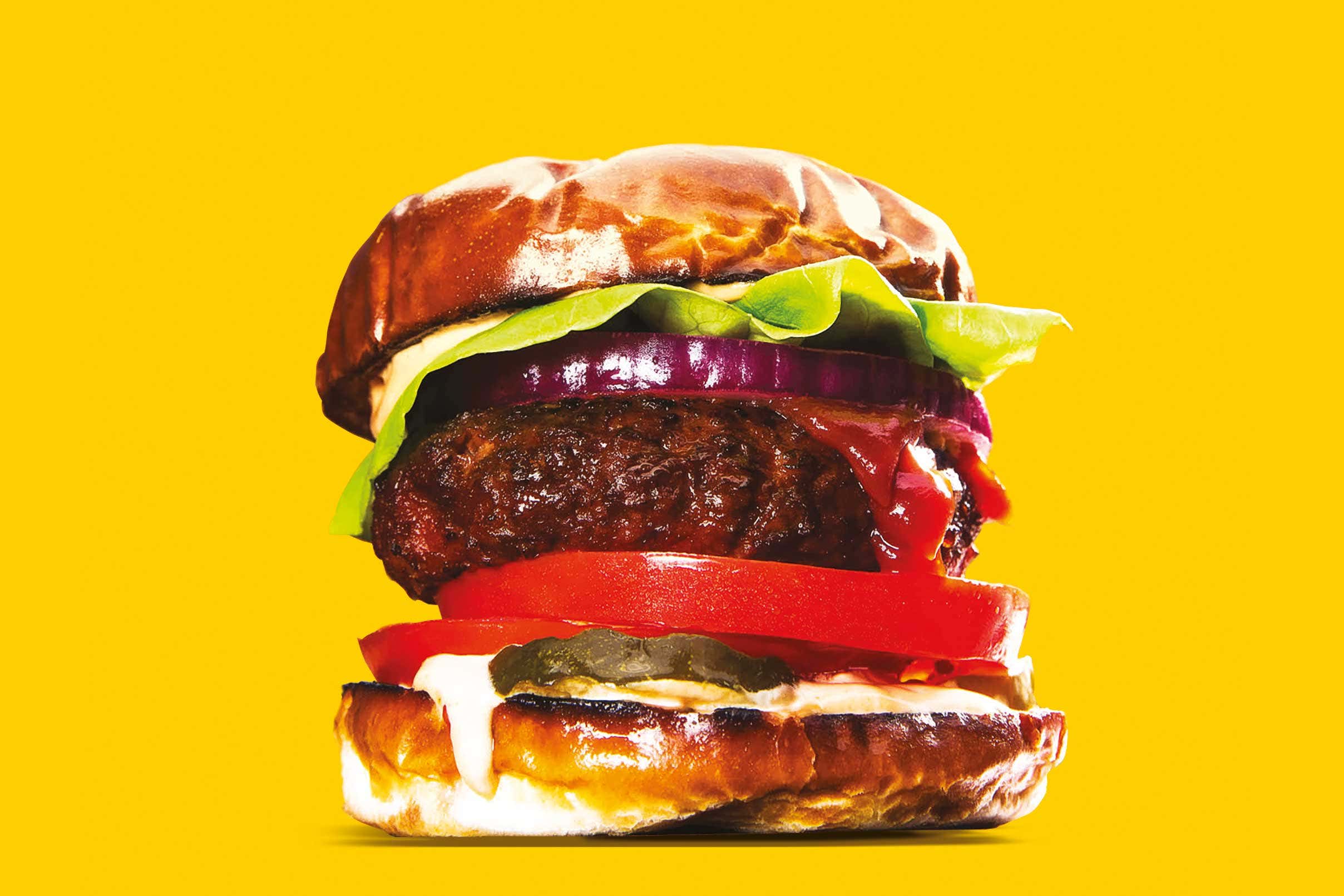
The phrase “victimless burger” is emotionally loaded for a reason. It confronts a moral discomfort many people carry quietly: the love of meat and the knowledge of what it costs. Industrial animal agriculture feeds billions, but it does so with immense environmental strain, ethical controversy, and health risks tied to antibiotics and zoonotic disease. Lab-grown meat emerges not as a rejection of meat itself but as an attempt to separate meat from slaughter. It asks a radical question: what if the pleasure of eating flesh did not require the death of a sentient being?
This question is not philosophical alone. It is technological, biological, and deeply practical. Behind every cultured meat patty lies a story of cells, scaffolds, nutrients, and bioreactors, and behind those technical details lies a vision of a future where meat is brewed rather than butchered.
What Lab-Grown Meat Actually Is
Lab-grown meat is real meat made from animal cells rather than from whole animals. It is not a plant-based imitation like soy burgers or pea-protein sausages. It contains the same types of muscle cells, fat cells, and connective tissue found in conventional meat. The difference is not in what it is, but in how it is made.
The process begins with a small sample of animal cells, usually taken through a harmless biopsy from a living animal. These cells often come from muscle tissue, because muscle fibers are what we recognize as meat. Inside this tiny sample are stem cells or progenitor cells capable of dividing and differentiating into mature muscle or fat cells. Under the right conditions, these cells can multiply again and again, producing vast quantities of tissue without requiring the animal to die.
This is not cloning in the science fiction sense. It is closer to what happens when human skin cells grow in a Petri dish for medical research or when yeast multiplies in beer brewing. Cells are given nutrients, oxygen, warmth, and time. They do what they evolved to do: grow.
Calling it “lab-grown” can be misleading, because modern cultured meat production aims to move beyond small laboratory dishes into industrial-scale facilities. The vision is not a chef in a white coat flipping burgers over Bunsen burners, but rather large stainless steel bioreactors similar to those used in pharmaceutical manufacturing or beer brewing. Meat, in this future, becomes something that is cultivated rather than raised.
The Cellular Beginning
At the heart of cultured meat is a single, extraordinary idea: meat is tissue, and tissue can be grown. Animal muscle consists of bundles of muscle fibers, which are long cells filled with proteins like actin and myosin that contract to produce movement. These fibers are supported by connective tissue and interwoven with fat cells that give meat its flavor and juiciness.
In nature, these cells develop inside an animal’s body, guided by genetic instructions and nourished by blood. In the lab, scientists must recreate the essential features of that environment. They start with cells that have the capacity to proliferate. Satellite cells, a type of stem cell found in muscle, are especially useful because they naturally participate in muscle repair and growth.
Once isolated, these cells are placed in a nutrient-rich liquid called a growth medium. This medium contains amino acids, sugars, salts, vitamins, and growth factors that signal the cells to divide. Temperature and oxygen levels are carefully controlled to mimic the inside of an animal’s body.
At first, the cells multiply as a loose population, forming a cloudy suspension. Over time, scientists encourage them to differentiate into muscle cells and begin organizing into fibers. This step is crucial, because undifferentiated cells are not meat; they are potential meat. To become meat, they must form structures that resemble muscle tissue.
The challenge is not merely growing cells but guiding them into something with the texture, taste, and nutritional profile of conventional meat. A mass of cells in a dish does not yet look or behave like a steak. It must be structured.
The Role of Scaffolds and Structure
One of the greatest technical challenges of lab-grown meat is structure. Ground meat, such as that used in burgers or sausages, is relatively easy to replicate because it does not require complex organization. It is essentially a mixture of muscle and fat cells bound together. But whole cuts of meat, like steak or chicken breast, have intricate architecture: aligned muscle fibers, layers of connective tissue, and embedded fat.
To recreate this structure, scientists use scaffolds. A scaffold is a framework that gives cells something to cling to and grow around. It can be made from edible materials such as collagen, gelatin, or plant-derived polymers. The scaffold mimics the extracellular matrix found in animal tissue, providing both mechanical support and biochemical signals.
Cells seeded onto a scaffold begin to align and fuse into muscle fibers. Over time, these fibers thicken and form tissue. Some approaches use three-dimensional printing to lay down cells and scaffolding in precise patterns, building meat layer by layer like biological architecture. Others rely on porous materials that allow cells to infiltrate and grow throughout the structure.
Fat is added separately or grown alongside muscle cells to achieve the desired flavor and mouthfeel. Fat is essential not just for taste but also for the way meat cooks and releases aromas. A burger without fat may be edible, but it is unlikely to be loved.
The goal is not just to grow meat, but to grow it in a way that respects the sensory expectations humans have developed over thousands of years of eating animals. Texture, juiciness, and browning are all part of the experience. Cultured meat must satisfy not only nutritional needs but also cultural and emotional ones.
Feeding Cells Without Animals
Perhaps the most ethically charged component of cultured meat is the growth medium. Early experiments relied on fetal bovine serum, a blood-derived product taken from unborn calves. While effective, this substance contradicts the promise of victimless meat. It ties the process back to slaughter, undermining its moral appeal.
Today, one of the major achievements in cultured meat research has been the development of serum-free growth media. Scientists now design mixtures of amino acids, sugars, salts, and plant-derived or recombinant growth factors that replace animal serum entirely. These growth factors are proteins that tell cells when to divide and when to mature. They can be produced using genetically engineered bacteria or yeast, similar to how insulin is manufactured for diabetics.
This shift away from animal-derived components is not just an ethical improvement but also a practical one. Animal serum is expensive, variable in quality, and difficult to scale. Synthetic or plant-based media can be standardized and produced in large quantities, bringing cultured meat closer to commercial viability.
The feeding of cells thus becomes an exercise in biochemical choreography. Every ingredient must be present in the right concentration. Too little glucose, and the cells starve. Too much waste buildup, and they poison themselves. Bioreactors must constantly monitor and adjust conditions to keep the cellular population healthy and productive.
Bioreactors as Meat Factories
If the cell is the star of cultured meat, the bioreactor is its stage. A bioreactor is a vessel designed to support biological processes under controlled conditions. In medicine and brewing, bioreactors have long been used to grow microbes or cells at scale. For cultured meat, they are adapted to grow animal tissue.
Inside a bioreactor, cells float or attach to microcarriers, tiny beads that increase surface area. The liquid medium is circulated to deliver nutrients and oxygen and to remove waste products like carbon dioxide and lactic acid. Sensors track temperature, pH, oxygen levels, and nutrient concentration in real time.
Scaling up is not trivial. Cells are delicate compared to bacteria or yeast. They are sensitive to shear forces, which means they can be damaged by strong stirring or pumping. Designing systems that keep billions of cells alive and healthy requires careful engineering. The flow of liquid must be gentle yet thorough. The environment must be sterile yet accessible.
The dream is a facility where rows of bioreactors quietly cultivate meat much as breweries ferment beer. Instead of barley and hops, the ingredients are cells and nutrients. Instead of alcohol, the output is muscle tissue. This industrial vision reframes meat as a product of biotechnology rather than agriculture.
Flavor and the Chemistry of Taste
Meat is more than protein. Its flavor arises from a complex interplay of amino acids, fats, sugars, and minerals that react during cooking. The Maillard reaction, which occurs when proteins and sugars are heated, produces the browned crust and savory aromas associated with grilled meat. Fat carries flavor molecules and creates the sensation of juiciness.
Cultured meat must reproduce this chemistry. Because it is biologically meat, it contains the same basic components. However, subtle differences in cell metabolism and growth conditions can influence the final taste. For example, the ratio of muscle to fat cells affects richness. The types of fatty acids present influence whether meat tastes beefy, buttery, or bland.
Researchers can, in theory, tune these qualities by adjusting the growth process. By altering nutrient composition or genetic expression, they can influence how much fat cells produce and what kinds of fats they contain. This introduces an intriguing possibility: meat with customized nutritional profiles, such as beef lower in saturated fat or chicken richer in omega-3 fatty acids.
Flavor also depends on connective tissue, which contributes to chewiness and mouthfeel. Achieving the right balance of muscle fibers and collagen is essential for recreating familiar textures. In this sense, cultured meat is not just about biology but about sensory engineering.
Environmental Stakes
One of the strongest arguments for lab-grown meat lies in its potential environmental benefits. Conventional livestock farming occupies vast areas of land, consumes enormous quantities of water, and produces significant greenhouse gas emissions, particularly methane from cattle. Forests are cleared to create pasture or grow feed crops, contributing to biodiversity loss and climate change.
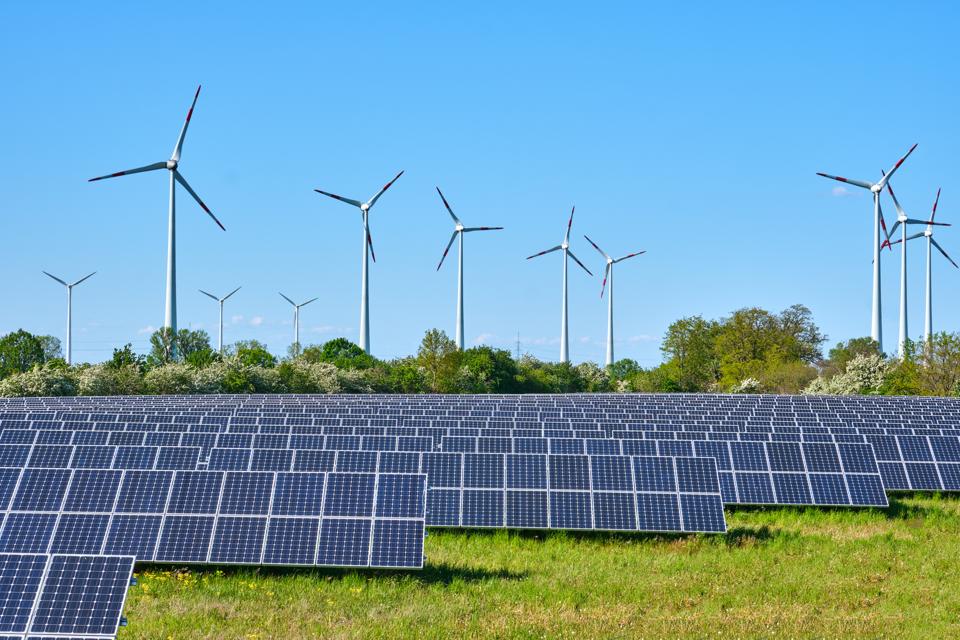
Cultured meat offers a different resource profile. It requires far less land, because cells can be grown vertically in bioreactors rather than across fields. Water use can be reduced, since the system is closed and recyclable. Greenhouse gas emissions depend on energy sources, but studies suggest that, with renewable electricity, cultured meat could have a much smaller carbon footprint than beef.
However, these benefits are not automatic. Large-scale bioreactors require energy, and producing growth media has its own environmental costs. The true sustainability of cultured meat will depend on how it is implemented. If powered by fossil fuels, it could simply shift emissions from farms to factories. If powered by clean energy, it could become a powerful tool in climate mitigation.
The environmental promise of lab-grown meat is thus tied to broader questions about energy and industrial design. It is not a silver bullet, but it is a new arrow in the quiver of strategies for feeding a growing population without wrecking the planet.
Ethics and the Meaning of Meat
Ethically, lab-grown meat challenges long-standing assumptions about what it means to eat animals. Traditional meat production involves breeding, confining, and killing billions of animals each year. For many people, this reality is uncomfortable, even if they continue to eat meat. Cultured meat offers a way to preserve culinary traditions while removing the need for mass slaughter.
From an animal welfare perspective, the appeal is obvious. A single biopsy from a cow could, in principle, produce tons of meat. Animals would no longer be commodities but sources of cells, living out natural lives rather than industrial ones. This reimagines the relationship between humans and livestock.
Yet ethical questions remain. Some critics argue that cultured meat still treats animals as resources, even if less harmfully. Others worry about corporate control over food production or the displacement of farmers. There is also cultural resistance, rooted in the idea that meat grown in a tank is unnatural or unsettling.
But history suggests that ideas of naturalness change. Pasteurized milk, genetically selected crops, and in vitro fertilization were once controversial. Over time, they became ordinary. The emotional reaction to lab-grown meat may follow a similar path, moving from shock to acceptance as people grow familiar with the technology.
Safety and Regulation
For cultured meat to become part of everyday diets, it must be safe and trusted. From a biological standpoint, cultured meat can be cleaner than conventional meat. It is grown in sterile conditions, reducing the risk of contamination with bacteria like Salmonella or E. coli. It does not require antibiotics to prevent disease in crowded animals, lowering the risk of antibiotic-resistant bacteria.
Regulatory agencies evaluate cultured meat based on its production process and composition. They examine whether the cells are stable, whether the growth medium leaves harmful residues, and whether the final product is nutritionally comparable to conventional meat. In some countries, regulators have already approved specific cultured meat products for sale, marking a historic shift from concept to cuisine.
Public trust, however, is not built by science alone. It depends on transparency, labeling, and communication. Consumers want to know what they are eating and how it was made. Words like “cultured” or “cultivated” are chosen carefully to emphasize biological continuity rather than artificiality. The language of lab-grown meat is part of its social journey.
Economics and the Path to Affordability
When the first lab-grown burger was unveiled in 2013, it cost hundreds of thousands of dollars. This price was not meant to reflect future reality; it was proof of concept. Since then, costs have fallen dramatically as methods improved and companies invested in scale.
The main cost drivers are growth media, bioreactors, and labor. As serum-free media becomes cheaper and production facilities become more efficient, prices are expected to approach those of conventional meat. Economies of scale play a crucial role. A small laboratory batch is expensive; a large industrial run spreads costs across millions of servings.
There is also the potential for regional production. Instead of transporting live animals or frozen meat across continents, cultured meat could be produced near cities, reducing transportation emissions and storage costs. This decentralization could reshape food supply chains.
However, economic disruption is inevitable. Farmers and ranchers may face competition from biotechnological meat producers. The challenge will be to integrate new systems with existing agricultural communities, possibly by shifting toward cell sourcing, specialty products, or regenerative practices.
Cultural Resistance and Curiosity
Food is not just fuel; it is identity, tradition, and emotion. Introducing lab-grown meat into this deeply personal realm is bound to provoke strong reactions. Some people feel instinctive unease at the idea of meat grown in a lab, associating it with artificiality or loss of authenticity.
Yet curiosity is just as powerful as fear. The idea of eating meat without guilt appeals to many, especially younger generations concerned about climate change and animal welfare. Restaurants and chefs experimenting with cultured meat can help reframe it as a culinary novelty rather than a technological threat.
Taste will ultimately be decisive. If lab-grown meat can match or surpass the sensory qualities of conventional meat, resistance may fade. If it cannot, it will remain a niche product. History suggests that convenience and pleasure often win over ideology in the long run.
The Science of Identity: Is It Really Meat?
One philosophical question lingers: if meat is grown from animal cells, is it truly meat? Biochemically, the answer is yes. The proteins, fats, and cellular structures are the same. There is no fundamental molecular difference between a muscle cell grown in a cow and one grown in a bioreactor.
But identity is not purely chemical. It is shaped by origin stories. Wine tastes different when we know it came from a particular vineyard. Bread feels different when it is handmade. Meat has long been associated with animals, farms, and landscapes. Lab-grown meat severs that association and replaces it with an industrial narrative.
This shift can be unsettling, but it also opens space for new meanings. Meat becomes a product of human ingenuity rather than animal suffering. The story behind a burger changes from one of death to one of design. Whether society embraces this narrative will depend on how convincingly it aligns with values of health, sustainability, and compassion.
Toward a Future of Designed Flesh
Looking forward, cultured meat is unlikely to replace all conventional meat overnight. It will coexist with plant-based alternatives, traditional livestock, and other protein sources such as insects or algae. The future of food is plural rather than singular.
What sets lab-grown meat apart is its ambition to satisfy both the palate and the conscience. It does not ask people to give up meat; it asks them to redefine how meat is made. In doing so, it blurs boundaries between agriculture and biotechnology, between nature and manufacture.
The technology will continue to evolve. Researchers are exploring ways to grow thicker tissues with built-in blood vessel analogs, improving nutrient delivery and texture. Others are experimenting with hybrid products that combine cultured cells with plant-based matrices to reduce costs and complexity. Each innovation brings the vision of a victimless burger closer to everyday reality.
A New Relationship With Hunger
At its deepest level, lab-grown meat reflects humanity’s changing relationship with hunger. For most of history, food was scarce, and survival depended on exploiting animals and ecosystems as efficiently as possible. In the modern world, hunger persists not because of absolute scarcity but because of distribution and inequality. At the same time, overconsumption damages health and environment.
Cultured meat emerges from a moment when technological power meets ethical awareness. It is an attempt to align appetite with responsibility, to enjoy the flavors of meat without inheriting the costs of cruelty and climate harm. It is not perfect, and it will not solve every problem, but it represents a profound shift in how humans imagine nourishment.
The victimless burger is more than a product. It is a symbol of a future where science does not merely dominate nature but collaborates with it, where the boundaries of what is possible expand to include what once seemed morally contradictory. Eating, one of the most ancient human acts, becomes a site of innovation and reflection.
In the end, lab-grown meat asks us to reconsider what it means to take life into ourselves. It suggests that pleasure need not be purchased with suffering, that tradition can coexist with transformation, and that even something as ordinary as a burger can become a quiet expression of compassion and ingenuity.