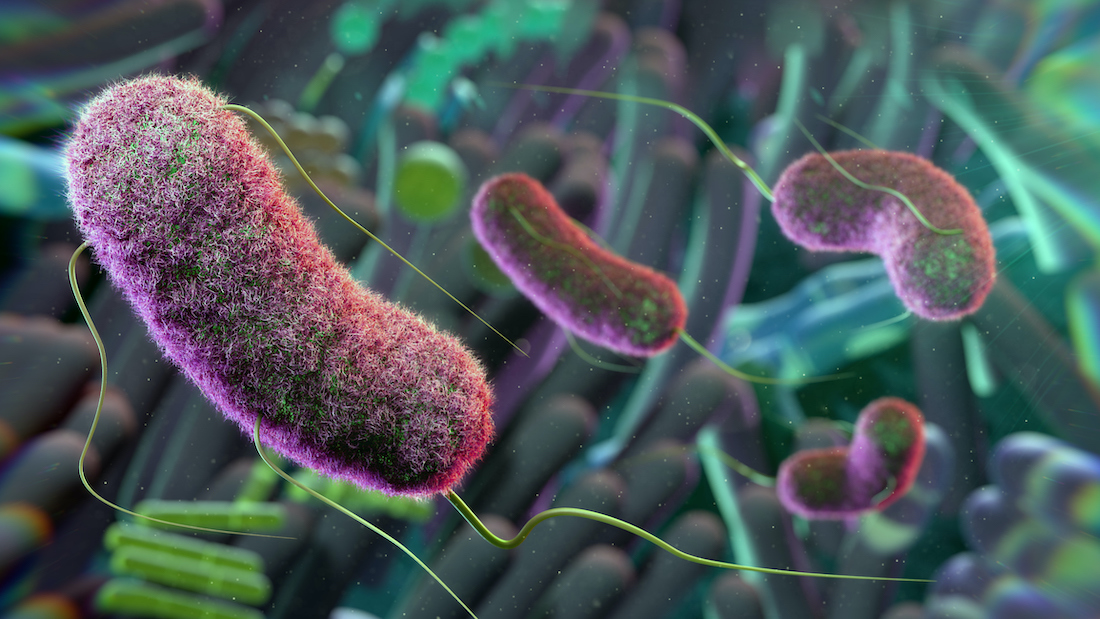
Deep within the human body, hidden from sight yet constantly active, lives an astonishing community of microscopic life. Trillions of bacteria, viruses, fungi, and other microbes form a complex ecosystem inside the digestive tract. This living universe is known as the gut microbiome, and it plays a far greater role in human health than scientists once imagined.
For most of modern medical history, microbes in the gut were viewed primarily as helpers for digestion or, occasionally, as harmful invaders causing illness. Today, that understanding has dramatically changed. Scientists now recognize that the gut microbiome influences nearly every system in the body, including the immune system, metabolism, brain function, and emotional wellbeing.
Some researchers even describe the gut microbiome as a “second brain.” The phrase does not mean that microbes literally think or reason like the brain in our skull. Instead, it reflects a profound biological truth: the gut and brain are intimately connected through complex networks of nerves, hormones, and chemical signals. What happens in the gut can influence how we feel, think, and behave.
Understanding the gut microbiome has opened a new frontier in science and medicine. It is reshaping ideas about nutrition, mental health, disease prevention, and even human identity itself.
The Invisible Ecosystem Inside Us
The human body is home to roughly as many microbial cells as human cells. Most of these microorganisms live in the digestive tract, particularly in the large intestine. Together they form a dynamic ecosystem that evolves throughout life.
This microbial community includes thousands of different species. Each person’s microbiome is unique, shaped by genetics, diet, environment, lifestyle, and early life experiences. Like a rainforest or coral reef, the gut microbiome thrives on diversity. A wide range of microbial species creates balance, stability, and resilience.
Scientists estimate that the collective genes of the gut microbiome—sometimes called the microbiome’s “second genome”—contain millions of genes. This genetic richness allows microbes to perform biochemical tasks that human cells cannot accomplish alone.
Many gut bacteria specialize in breaking down complex carbohydrates and fibers that the human digestive system cannot digest by itself. Through fermentation, they transform these compounds into molecules called short-chain fatty acids, which nourish the cells lining the colon and help regulate inflammation and metabolism.
In essence, the microbiome functions as a hidden organ within the body—an organ composed not of human cells but of microscopic partners that help sustain life.
How the Microbiome Develops from Birth
The story of the gut microbiome begins at birth. For many years, scientists believed that babies developed in a sterile environment inside the womb. While recent research suggests the picture may be more complex, it is clear that the most significant microbial colonization begins during and immediately after birth.
During vaginal delivery, a newborn encounters microbes from the mother’s birth canal and skin. These early exposures seed the infant’s gut with beneficial bacteria that help shape the developing microbiome.
Infants delivered by cesarean section often acquire a different initial set of microbes, primarily from the surrounding environment and hospital surfaces. Research suggests that these early differences may influence immune development and susceptibility to certain conditions later in life.
Feeding also plays a crucial role. Breast milk contains not only nutrients but also beneficial bacteria and special carbohydrates called human milk oligosaccharides. These compounds nourish specific microbes that promote a healthy microbiome.
As children grow, their microbiome becomes more complex. Solid foods introduce new microbial species, and interactions with the environment further expand diversity. By early childhood, the gut microbiome begins to resemble the microbial ecosystem seen in adults.
Yet the microbiome never stops changing. Diet, illness, antibiotics, stress, and aging continually reshape this microbial world.
Communication Between the Gut and the Brain
One of the most fascinating discoveries in modern biology is the existence of the gut–brain axis. This term describes the network of communication connecting the digestive system and the brain.
Signals travel along several pathways. The most direct route is the vagus nerve, a long nerve that runs from the brainstem to the abdomen. Through this nerve, information flows in both directions between the gut and the brain.
Hormones also serve as messengers. The gut produces numerous hormones that influence appetite, digestion, and mood. Meanwhile, the immune system releases signaling molecules that can affect brain activity.
Microbes themselves produce chemical compounds that interact with the nervous system. Some gut bacteria synthesize neurotransmitters such as serotonin, dopamine, and gamma-aminobutyric acid. These chemicals play major roles in regulating mood, motivation, and emotional balance.
Remarkably, around ninety percent of the body’s serotonin is produced in the gut. Although much of it acts locally in the digestive system, its presence illustrates how closely gut biology and brain chemistry are linked.
Through these intricate communication networks, the gut microbiome participates in shaping emotional and cognitive experiences.
The Enteric Nervous System: The Body’s Internal Neural Network
Within the walls of the digestive tract lies a vast network of neurons known as the enteric nervous system. This system contains hundreds of millions of nerve cells—comparable in number to those in the spinal cord.
The enteric nervous system controls many aspects of digestion, including muscle contractions that move food through the intestines, secretion of digestive enzymes, and blood flow to digestive tissues.
Because it can function independently of the brain, some scientists refer to it as the body’s “second brain.” This neural network constantly communicates with gut microbes and the central nervous system, forming an integrated system that regulates digestion and influences overall health.
Interactions between the microbiome and the enteric nervous system help coordinate digestive processes and shape the chemical environment within the gut.
The Microbiome’s Influence on Mood and Mental Health
Over the past two decades, growing evidence has suggested that the gut microbiome plays a role in mental health. Studies in animals and humans have shown that changes in gut bacteria can influence stress responses, emotional behavior, and even cognitive function.
Experiments with laboratory mice have been particularly revealing. Germ-free mice—animals raised in sterile environments without any microbes—display unusual behavioral patterns. They often show heightened stress responses and altered brain chemistry compared with mice that possess normal microbiomes.
When scientists introduce certain beneficial bacteria into the guts of these mice, some of the behavioral differences diminish. These findings suggest that microbes help regulate neural and hormonal pathways associated with mood.
Human research is more complex, but similar patterns are emerging. Differences in gut microbial composition have been observed in individuals with conditions such as depression and anxiety. While the exact relationships remain under investigation, scientists believe the microbiome may influence inflammation, neurotransmitter production, and stress hormone regulation.
These discoveries have inspired a new field known as psychobiotics, which explores how beneficial microbes might support mental health.
The Microbiome and the Immune System
The gut microbiome also plays a crucial role in shaping the immune system. The digestive tract is one of the body’s primary interfaces with the outside world, constantly exposed to food particles, microbes, and potential pathogens.
To maintain balance, the immune system must distinguish between harmful invaders and harmless or beneficial organisms. Gut microbes help train immune cells to make these distinctions.
Beneficial bacteria stimulate the development of immune cells that regulate inflammation and maintain tolerance. They also help reinforce the intestinal barrier, preventing harmful microbes from entering the bloodstream.
When the microbiome becomes imbalanced—a condition sometimes called dysbiosis—the immune system may become overly reactive or ineffective. Such imbalances have been linked to conditions ranging from allergies and autoimmune diseases to metabolic disorders.
A healthy microbiome, therefore, acts as a guardian, helping the immune system maintain equilibrium.
Diet as the Architect of the Microbiome
Among the many factors that influence the gut microbiome, diet is perhaps the most powerful. What we eat determines which microbes thrive and which decline.
Diets rich in plant fibers support bacteria that produce beneficial short-chain fatty acids. These molecules nourish intestinal cells, reduce inflammation, and help regulate metabolism.
In contrast, diets dominated by highly processed foods, refined sugars, and unhealthy fats may reduce microbial diversity and encourage the growth of less beneficial species.
Fermented foods such as yogurt, kefir, sauerkraut, and kimchi contain live microbes that can contribute to microbial diversity. While these foods do not permanently change the microbiome for everyone, they may temporarily introduce helpful bacteria and influence microbial balance.
Dietary patterns, rather than single foods, appear to have the most significant impact. Long-term eating habits shape the structure and function of the gut microbiome over time.
Antibiotics and Their Lasting Effects
Antibiotics have saved countless lives by treating bacterial infections. Yet their power comes with consequences for the microbiome.
Because antibiotics cannot always distinguish between harmful pathogens and beneficial microbes, they often reduce microbial diversity in the gut. While the microbiome can recover after antibiotic treatment, some species may take months or even years to return.
Repeated or prolonged antibiotic use can lead to lasting changes in microbial communities. These disruptions may increase vulnerability to certain infections or metabolic disorders.
Scientists continue to study ways to restore microbial balance after antibiotic treatment, including dietary strategies and microbial therapies.
Microbiome and Metabolism
The gut microbiome plays a vital role in how the body processes energy and nutrients. Microbes help break down complex molecules in food, influencing how many calories the body absorbs and how nutrients are distributed.
Research has shown that differences in microbial composition may affect weight regulation and metabolic health. Some microbial communities appear more efficient at extracting energy from food, which could contribute to weight gain under certain conditions.
Gut microbes also influence hormones involved in appetite and blood sugar regulation. These interactions connect the microbiome to conditions such as obesity and type 2 diabetes.
Although the microbiome is only one piece of a complex metabolic puzzle, its influence highlights the deep integration between microbes and human physiology.
The Microbiome and Chronic Disease
Scientists are increasingly exploring connections between the gut microbiome and chronic diseases. Changes in microbial composition have been associated with conditions such as inflammatory bowel disease, cardiovascular disease, and neurological disorders.
Inflammatory bowel diseases, including Crohn’s disease and ulcerative colitis, are characterized by chronic inflammation of the digestive tract. Patients with these conditions often exhibit reduced microbial diversity and altered microbial communities.
Researchers are also investigating potential links between the microbiome and neurological disorders such as Parkinson’s disease and Alzheimer’s disease. Some studies suggest that inflammation and microbial metabolites may influence brain health.
While these relationships are complex and still being studied, they underscore the microbiome’s potential role in long-term health.
The Future of Microbiome Science
The study of the gut microbiome is still in its early stages. Advances in DNA sequencing technologies have allowed scientists to identify microbial species and analyze their genetic functions with unprecedented precision.
Researchers are now exploring personalized approaches to health based on individual microbiomes. Future medical treatments may involve targeted microbial therapies designed to restore balance or enhance beneficial functions.
Some experimental treatments already exist. Fecal microbiota transplantation, in which healthy donor microbes are introduced into a patient’s gut, has shown remarkable success in treating certain bacterial infections.
Scientists are also developing next-generation probiotics, engineered microbes designed to perform specific therapeutic tasks.
As research progresses, the microbiome may become a central focus of preventive medicine.
Rediscovering Our Microbial Identity
The discovery of the gut microbiome has transformed the way scientists think about the human body. Humans are not solitary organisms but complex ecosystems, hosting vast communities of microscopic partners.
These microbes influence digestion, immunity, metabolism, and even mood. They help shape who we are in ways that extend far beyond the gut.
Recognizing this partnership invites a new perspective on health. Caring for the microbiome—through diet, lifestyle, and thoughtful medical practices—may be as important as caring for any other organ.
In the quiet darkness of the digestive tract, trillions of invisible allies work continuously, supporting the rhythms of life. They do not speak, yet their chemical messages echo throughout the body. They do not think, yet their presence influences our emotions and resilience.
The gut microbiome reminds us that life is interconnected at every scale, from microscopic bacteria to the complexity of the human mind. In understanding this hidden world, we are beginning to understand ourselves in an entirely new way.