Living with diarrhea-predominant irritable bowel syndrome may involve more than digestive discomfort, and new research points to a specific gut bacterium that could help explain why anxiety is so common in these patients. The findings suggest that Phocaeicola vulgatus may protect the brain by reducing inflammation in a key emotional center, opening a possible path toward future microbiota-based treatments.
Digestive symptoms and anxiety often go hand in hand, but scientists have long struggled to understand exactly why. Now, researchers have uncovered evidence that a single species of gut bacteria could play an important role in the biological connection between the gut and the brain in people with diarrhea-predominant irritable bowel syndrome (IBS-D).
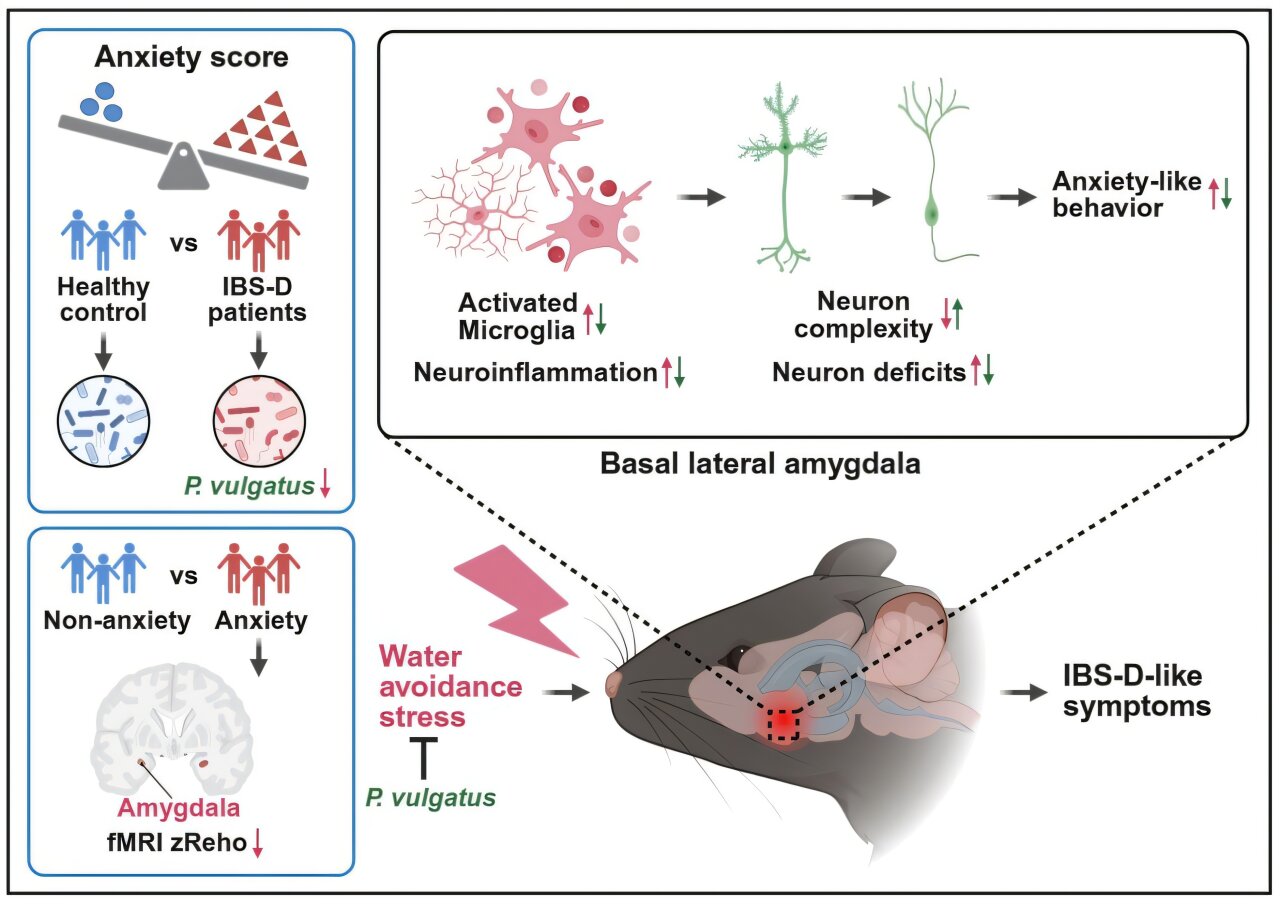
The study, published in Translational Psychiatry, examined patients with IBS-D and explored how changes in the gut microbiota might influence anxiety. The findings point to Phocaeicola vulgatus, a naturally occurring gut bacterium, as a potential protective factor against anxiety by reducing inflammation in the brain.
Anxiety Was Common Among IBS-D Patients
Irritable bowel syndrome is characterized by abdominal pain, bloating, and changes in bowel movements, affecting an estimated 10% to 15% of people worldwide. Previous research has shown that anxiety frequently accompanies the condition, but the biological mechanisms connecting the two have remained uncertain.
To investigate this relationship, researchers from Wuhan University of Science and Technology and Huazhong University of Science and Technology collected clinical data from patients diagnosed with IBS-D.
Their analysis revealed that approximately 35% of the patients also experienced anxiety. Among those individuals, more severe anxiety was associated with more severe IBS-D symptoms, suggesting that the two conditions may be closely intertwined rather than simply occurring at the same time.
Brain Scans Revealed Changes in an Emotion-Processing Region
The researchers also examined brain activity in patients with anxiety. Brain scans revealed abnormal neural activity in the amygdala, a small region deep within the brain that plays a central role in processing fear, emotional responses, and reactions to perceived threats.
According to senior author Bai Tao, the high prevalence of anxiety among IBS-D patients observed in clinical practice motivated the research team to investigate the neurological basis of the condition.
The researchers aimed to determine whether changes in the gut microbiota could influence brain function and potentially explain the link between digestive symptoms and anxiety.
Mouse Experiments Pointed to a Missing Gut Bacterium
To explore the underlying biology in greater detail, the team developed a stress-induced mouse model that reproduced both IBS-like digestive symptoms and anxiety-related behaviors.
The researchers then transferred gut microbiota through fecal microbiota transplantation, allowing them to test whether intestinal bacteria alone could influence both digestive function and emotional behavior.
The experiments showed that gut bacteria by themselves were sufficient to trigger both gut pain and anxiety-like behaviors in mice.
Further analysis revealed that Phocaeicola vulgatus was present at much lower levels in both IBS-D patients and the mouse model. Lower amounts of the bacterium were associated with more severe anxiety as well as impaired function in the amygdala.
These findings suggested that the loss of this bacterial species could contribute to changes in brain function linked to anxiety.
The Bacterium Appeared to Protect the Brain
The researchers conducted additional genetic analyses to better understand the role of Phocaeicola vulgatus.
Their results indicated that the bacterium helped protect the brain from anxiety-related changes. When live Phocaeicola vulgatus was administered to mice, anxiety-like behaviors were reduced.
The treatment also appeared to calm brain inflammation within the amygdala and repair damaged neurons in that region, suggesting a biological mechanism through which the gut microbiota may influence emotional health.
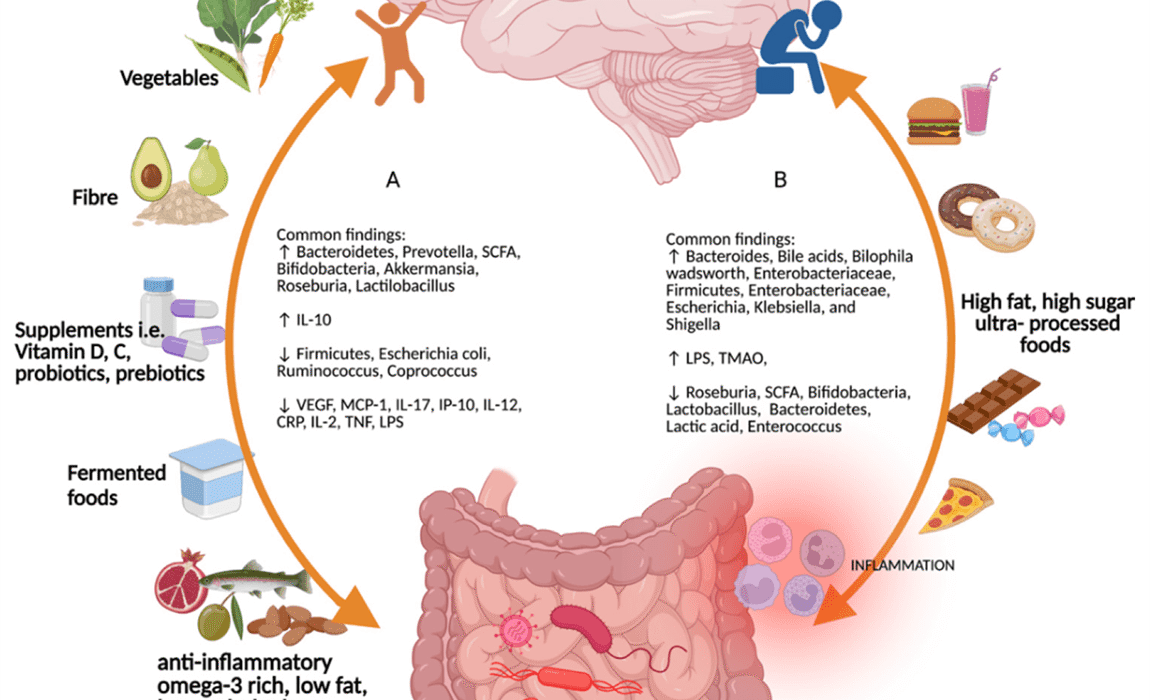
Together, these findings support the idea that specific gut bacteria may directly affect communication along the gut-brain axis rather than simply reflecting changes caused by disease.
A Potential New Direction for IBS-D Treatment
Although the findings remain preliminary, the researchers believe they highlight the potential of Phocaeicola vulgatus as the basis for future treatments targeting IBS-D accompanied by anxiety.
The study also suggests that patterns of activity in the bilateral amygdala could potentially serve as a biomarker for identifying anxiety that occurs alongside IBS-D.
Rather than focusing only on digestive symptoms, future therapies might also target the biological pathways connecting the gut and the brain.
Researchers Are Already Looking Beyond Live Bacteria
The team plans to continue investigating how Phocaeicola vulgatus produces its protective effects.
Future studies will examine the specific metabolites produced by the bacterium that may cross the blood-brain barrier and regulate inflammation within the brain.
Researchers also hope to develop postbiotics—beneficial compounds produced by gut bacteria—instead of using live bacteria directly. According to the researchers, this approach could reduce potential infection risks while preserving the beneficial biological effects observed in the study.
Clinical studies will still be needed to determine whether these findings translate into safe and effective treatments for people with IBS-D.
Why This Matters
This study provides new evidence that the connection between digestive health and mental health may be driven, at least in part, by specific members of the gut microbiota. By identifying Phocaeicola vulgatus as a bacterium linked to reduced anxiety, the research offers a clearer picture of how gut microbes may influence brain function through inflammation in the amygdala. While the work is still at an early stage, it lays the foundation for future therapies that could address both digestive symptoms and anxiety together, potentially improving quality of life for people living with IBS-D.