The sun-drenched surface of the Texas Hill Country holds many secrets, but some of the most profound are submerged in total darkness, swept away by ancient floods into the belly of the earth. For decades, paleontologists have combed the limestone outcrops of Central Texas, piecing together a history of the Ice Age. Yet, despite a century of searching, a massive gap remained in the timeline—a missing chapter of warmth hidden amidst the frost.
That changed when John Moretti, a paleontologist from The University of Texas at Austin, decided to trade his rock hammer for a snorkel. In a groundbreaking study published in the journal Quaternary Research, Moretti revealed that the key to unlocking this lost era wasn’t buried in mountain sediment, but resting on the floor of an underground stream.
The Paleontologist in the Subterranean Stream
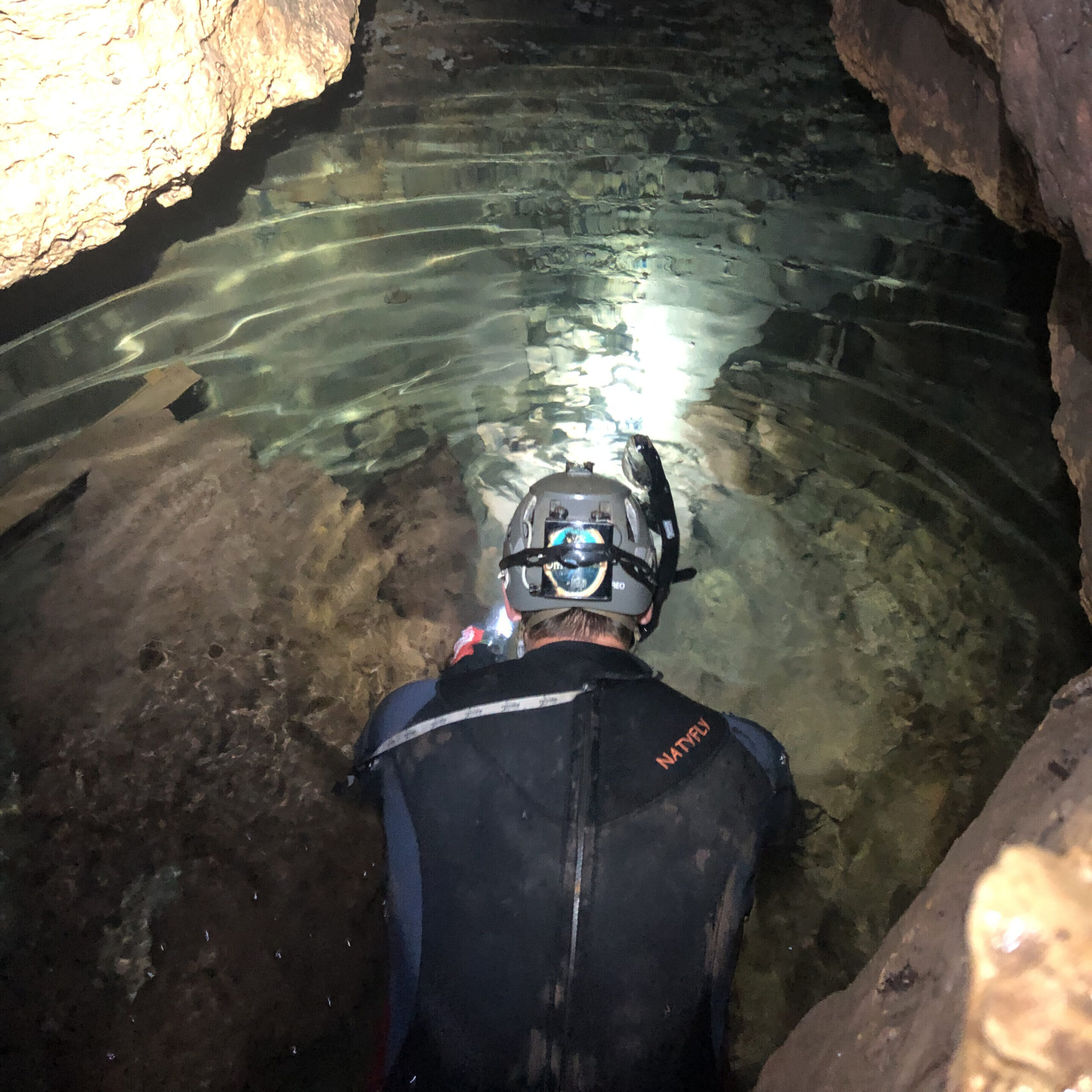
Imagine a world where the search for prehistoric life involves crawling through narrow, water-filled limestone conduits rather than digging in dry dirt. This was the reality for Moretti and his co-author, local caver John Young. Between March 2023 and November 2024, the duo made six excursions into Bender’s Cave, a private site in Comal County.
Inside, the environment was unlike any typical excavation site. Water caves act as natural plumbing for the region, serving as conduits for groundwater. Because these caves are connected to the surface via sinkholes, they have acted as giant traps for thousands of years. During intense erosion and flooding events, the remains of animals wandering the surface were swept into the abyss, settling into the silt of the subterranean river.
Moretti described the scene as a literal carpet of history. In many paleontological sites, finding a single tooth is a victory. Here, fossils were everywhere—scattered across the floor in a density rarely seen in cave environments. To collect them, Moretti didn’t need heavy machinery; he simply donned goggles and a snorkel, plucking the treasures directly from the streambed.
Giants in the Dark
Among the “bones all over the floor,” Moretti discovered creatures that seemed out of place for Central Texas. The most startling finds were fragments of shell and armor belonging to animals that had never been documented in this specific region before.
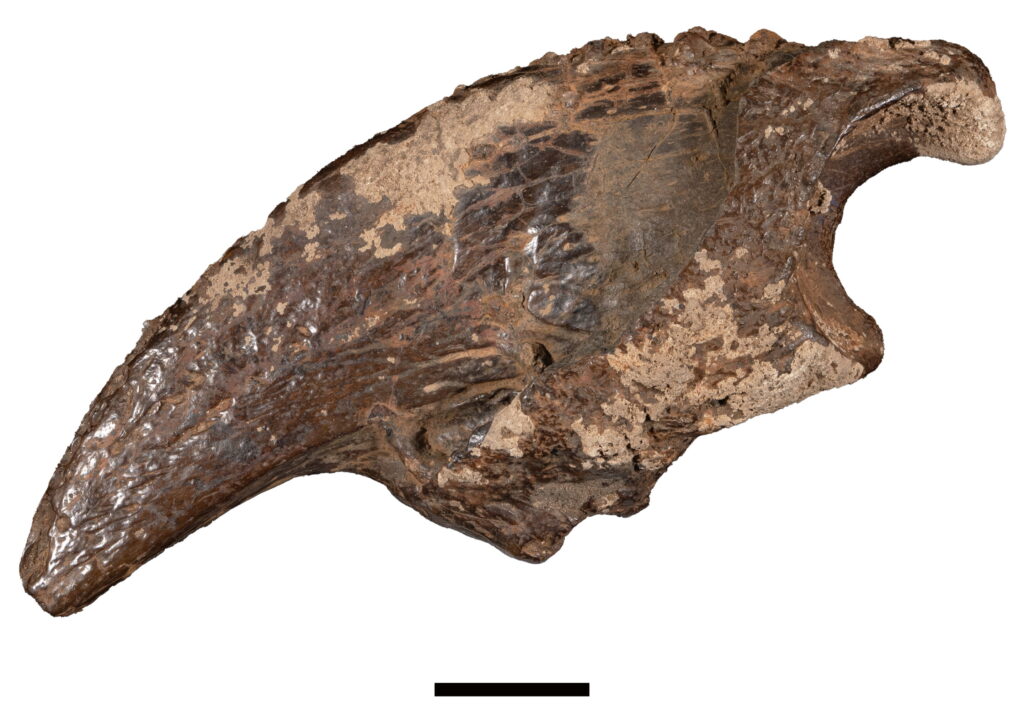
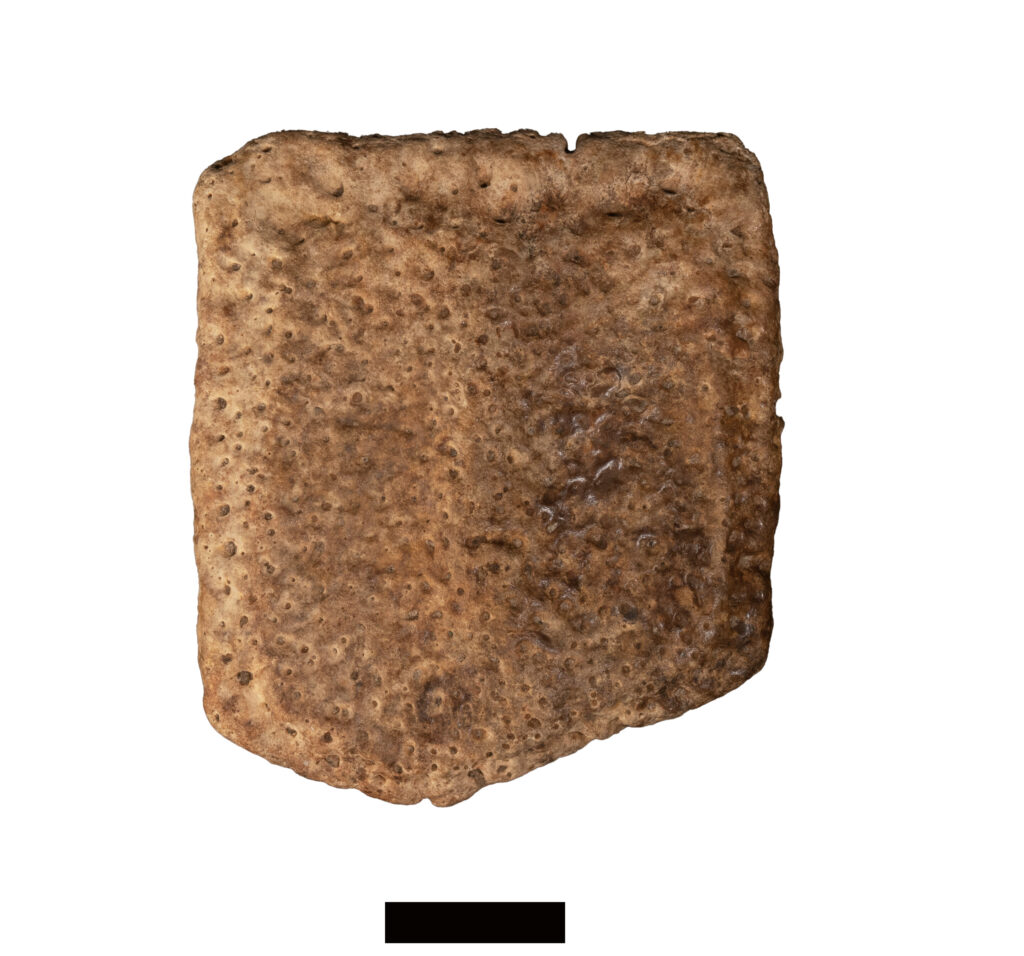
One was a giant tortoise, a creature whose presence signals a dramatic shift in climate. Alongside it were the remains of a pampathere, an ancient relative of the armadillo that reached the intimidating size of a lion. These weren’t the only inhabitants of this watery grave. The team also recovered a claw from a giant ground sloth, as well as the bones of saber-tooth cats, camels, and mastodons.
Every fossil pulled from the water shared a hauntingly uniform appearance. They were polished and rounded by the rhythmic flow of the underground stream, and all bore a distinct rusty red mineralization. This shared physical state suggests that these animals didn’t trickle into the cave over eons, but were likely swept in during the same general timeframe, creating a perfect snapshot of a specific moment in prehistoric Texas.
A Window into the Last Interglacial
For a long time, the narrative of Ice Age Texas was one of cool, sprawling grasslands. However, the discovery at Bender’s Cave suggests a different reality. Moretti believes these fossils date back roughly 100,000 years to the last interglacial—a warm interval tucked within the broader Ice Age.
The clues are written in the biology of the animals themselves. While the cool glacial periods supported grazers on the plains, the presence of forest dwellers like the ground sloth and mastodon suggests a much lusher environment. Furthermore, the giant tortoise and the pampathere are biological thermometers; neither could survive the freezing winters of a glacial period. They required the consistent warmth of an interglacial climate to thrive.
The geological evidence further supports this theory. In Central Texas, younger fossils from cooler periods are well-documented, yet these specific “warm-weather” giants were missing. When Moretti performed a statistical analysis to compare the Bender’s Cave fossils to other sites, the results were clear. The animal community didn’t match the typical Central Texas profile; instead, it grouped perfectly with known interglacial sites near Dallas and the Gulf Coast.
Why the Underwater Hunt Matters
This discovery is more than just a collection of old bones; it is a reminder that the map of our natural history still has “blank spaces” waiting to be filled. Even in a region as heavily studied as Central Texas, a change in perspective—and a snorkel—can reveal an entirely new animal community and landscape.
The research highlights the incredible potential of water caves as repositories for groundwater history and paleontological data. Because these fossils remained protected deep underground, they provided a “new window” into a period that had evaded scientists for nearly a century. It proves that the prehistoric environment was a shifting mosaic of climates, moving from icy plains to warm, forested havens.
Perhaps most importantly, this work underscores the vital role of private property owners and citizen scientists like John Young. Much of the state’s hidden history lies beneath private land, and without the partnership between landowners and researchers at institutions like the UT Jackson School of Geosciences, these stories would remain submerged in the dark. By working together, we can continue to piece together the vibrant, ever-changing story of the world we live in today.
Study Details
John A. Moretti et al, Novel occurrences of Late Pleistocene megafauna from Bender’s Cave on the Edwards Plateau of Texas may include evidence of the last interglacial, Quaternary Research (2026). DOI: 10.1017/qua.2025.10071