A new study suggests that baby Maiasaura dinosaurs may have been fed softer, more nutritious food than adults, based on distinct tooth wear patterns found in fossils. Researchers found juveniles showed more crushing wear while adults showed more shearing wear, hinting at different diets and possible parental feeding behavior. The findings offer fresh insight into how social and caregiving behaviors may have evolved in dinosaurs long before birds appeared.
Deep in the fossil record of the Late Cretaceous, a surprising clue about dinosaur parenting has been hiding in plain sight—inside worn-down teeth. A new analysis of fossilized Maiasaura teeth suggests that young dinosaurs may not have simply eaten what adults ate. Instead, they may have been given a richer, easier-to-digest diet during their earliest stage of life.
The discovery points toward something bigger than feeding habits. It hints at a level of parental care that could reshape how scientists think about dinosaur social life.
A Herd Dinosaur With a Parenting Reputation
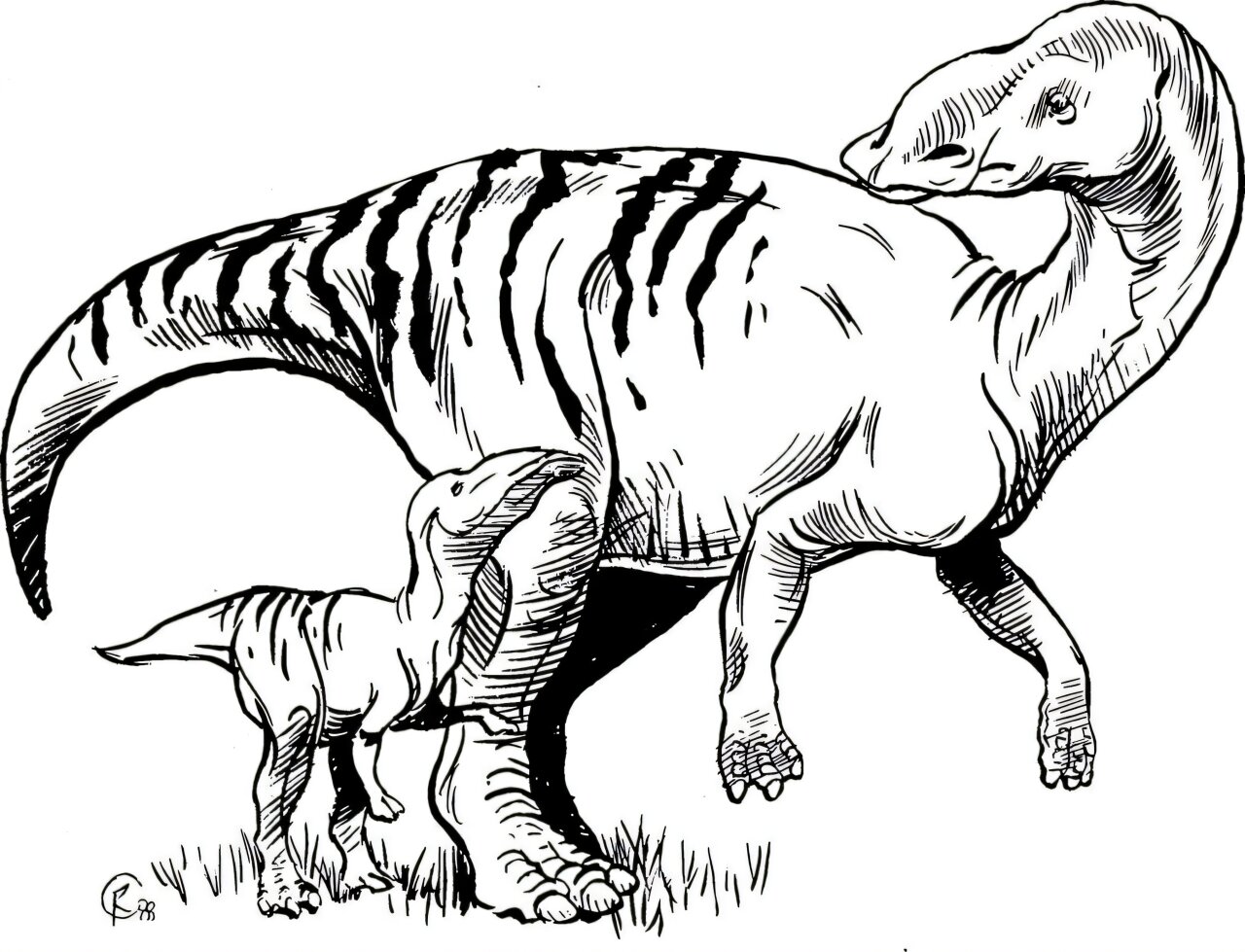
The research focuses on Maiasaura peeblesorum, a large duck-billed herbivore that lived roughly 75 to 80 million years ago during the Late Cretaceous. Fossils of Maiasaura were first discovered in Montana, and over time the species became one of the most important dinosaurs for understanding reproduction and group behavior.
That’s because paleontologists have uncovered extensive fossil evidence of preserved Maiasaura nests. These discoveries helped establish Maiasaura as a dinosaur that likely lived in herds and may have been highly social—especially compared to other dinosaurs thought to have used different reproductive strategies.
Now, researchers believe Maiasaura may also offer evidence of something even more intimate: parents possibly feeding their young special meals.
Tooth Wear Patterns Reveal Two Different Diets
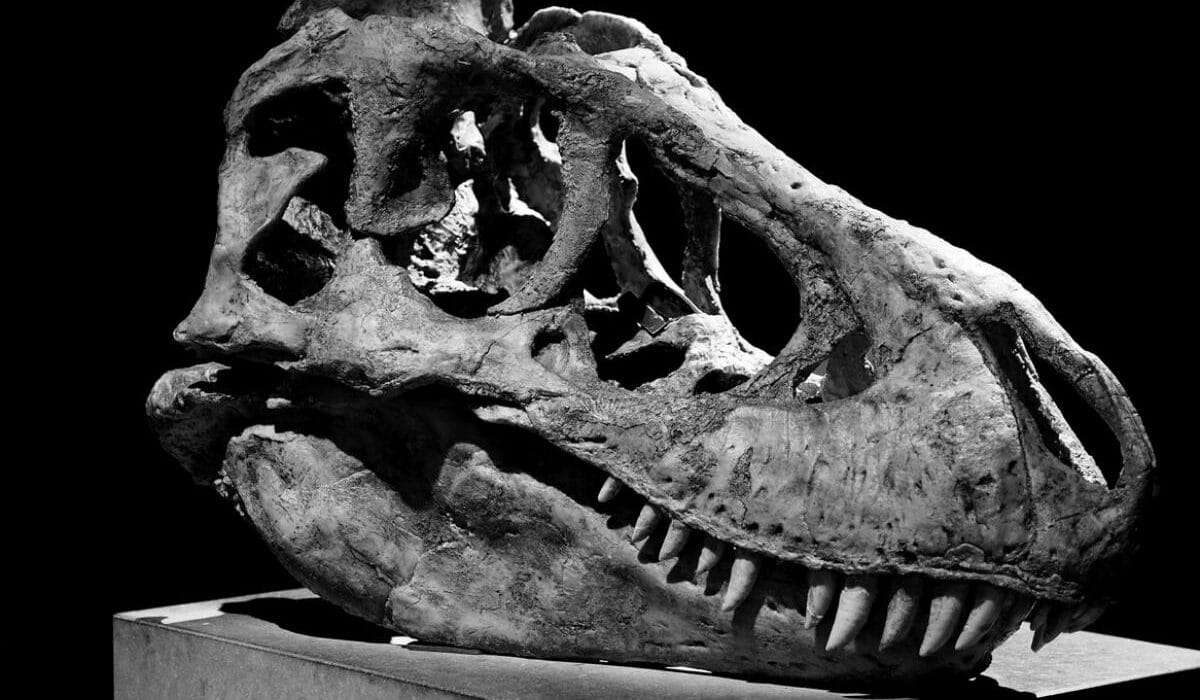
The new study examined dental wear in Maiasaura fossils, looking for patterns that could reveal what the animals were eating.
The results showed a striking difference between age groups. Juvenile Maiasaura teeth displayed significantly more crushing wear, while adult teeth showed more shearing wear.
That difference matters because crushing and shearing wear tend to reflect different kinds of plant diets. Crushing wear is associated with softer foods that require more grinding, while shearing wear is more typical of tougher plant material that needs slicing or shredding.
Based on these patterns, the researchers suggest that adult Maiasaura may have been eating more fibrous, nutritionally poorer vegetation, while juveniles were likely consuming softer, higher-quality foods.
Evidence That Parents May Have Fed Their Young
The study argues that these wear patterns are consistent with the idea that adult Maiasaura may have been bringing food to their offspring—possibly food that was more nutritious than what adults themselves were eating.
Lead author John Hunter, an associate professor of evolution, ecology and organismal biology at The Ohio State University, said this type of feeding behavior is common today in birds, especially species whose young remain confined to the nest after hatching.
Hunter emphasized that this kind of parental urge may be extremely ancient.
“The urge for a bird to feed a youngster is a very old behavior,” Hunter said. “What we’re providing is that evidence for that behavior probably goes much further than the origin of birds, perhaps to the origin of dinosaurs.”
If correct, the finding suggests that dinosaur parental care may have been more sophisticated than often assumed, at least in some species.
A Closer Look at What Baby Maiasaura Likely Ate
The researchers propose that juvenile Maiasaura may have been eating low-fiber foods such as fruit, while adult caretakers consumed tougher, more fibrous plant parts.
To help interpret the dental wear patterns, the study compared the fossil evidence to patterns seen in modern mammals. In living animals, grazers such as horses, antelopes, and cows typically show wear patterns dominated by shearing, reflecting a high-fiber diet. In contrast, animals that eat softer, lower-fiber foods—like tapirs—tend to show dental patterns more similar to those seen in the young Maiasaura.
This comparison strengthens the argument that the juveniles were not simply eating smaller versions of the adult diet. Their teeth suggest they were consuming fundamentally different plant material.
Diet Changes May Have Helped Juveniles Grow Faster
Beyond parenting behavior, the study also suggests that diet may have played an important role in dinosaur growth.
The researchers argue that the juvenile Maiasaura diet—higher in nutrition and lower in fiber—could have supported rapid early development. Their results indicate that juvenile feeding habits may have contributed to Maiasaura growing particularly fast during their first year.
This connects tooth wear to a broader biological question: how young dinosaurs may have been able to grow quickly enough to survive in a dangerous world.
If juveniles depended on adults not just for protection, but also for high-quality food, that would imply a stronger family structure than many dinosaur species are typically assumed to have had.
Other Possible Explanations the Researchers Considered
While the study presents parental feeding as a strong interpretation, the researchers also acknowledge that the tooth evidence could be explained in other ways.
One possibility is that juvenile dinosaurs may not have been eating different food types, but instead were consuming partially regurgitated food provided by adults. This behavior is common in birds today and could result in food that is softer and easier to process, producing different dental wear even if the original food source was similar.
Another explanation is that juveniles may have left the nest to forage on their own. This is seen today in some herbivorous lizards, and it could potentially explain differences in diet between young and adult animals.
However, the researchers suggest this scenario is less likely because juvenile Maiasaura were likely helpless and probably depended on adults for feeding during the first weeks after hatching.
Hunter noted that studying dinosaur behavior is difficult because the fossil record becomes thinner the farther back scientists look.
“The further back in time you go, the less of a fossil record you have, so paleontologists have to draw from different sources of inspiration from different parts of the living,” he said. “So even among closely related dinosaurs, there is probably still quite a bit to learn about them.”
What Comes Next for This Line of Research
The study was recently published in Palaeogeography, Palaeoclimatology, Palaeoecology, and the researchers say further work could strengthen or refine their conclusions.
One potential next step is examining fossils of the very youngest dinosaurs—especially embryos and hatchlings—for dental microwear. Such studies could help test whether the patterns seen in juvenile Maiasaura appear in even earlier developmental stages, offering stronger evidence for parental feeding or other behaviors.
More fossil analysis could also reveal whether Maiasaura was unique, or whether similar dietary shifts occurred in other duck-billed dinosaurs.
Why This Matters
This study adds an important layer to the growing evidence that dinosaurs were not just massive reptiles roaming ancient landscapes, but animals with complex biological and social systems. If juvenile Maiasaura were eating softer, higher-protein foods while adults consumed tougher plants, it suggests that caregiving behaviors—possibly including feeding young directly—may have evolved far earlier than scientists once assumed.
Understanding these patterns also helps paleontologists reconstruct how dinosaurs survived and thrived for millions of years. Diet is directly tied to growth, development, and survival, and the evidence from Maiasaura teeth suggests that family structure and feeding strategies may have been key evolutionary advantages.
Study Details
John P. Hunter et al, Tooth wear in juvenile and adult hadrosaurs: implications for parental care in Maiasaura, Palaeogeography, Palaeoclimatology, Palaeoecology (2026). DOI: 10.1016/j.palaeo.2026.113707