Human history is often told through wars, revolutions, inventions, and ideas. Yet beneath these visible turning points lies a quieter, deeper layer of causation—chemistry. Invisible molecules have shaped what we eat, how we heal, how we fight disease, how we build civilizations, and even how we think. Long before humans understood atoms or bonds, molecules were already directing the trajectory of our species. Some sustained life, others transformed societies, and a few altered the balance between life and death on a planetary scale.
Molecules are not abstract symbols confined to laboratories. They are physical entities with structure, energy, and behavior. When certain molecules enter human systems—biological, social, or technological—the consequences can ripple across centuries. The following nine molecules stand out not because they are rare, but because their properties intersected with human needs at pivotal moments. Each molecule represents a turning point where chemistry quietly rewrote history.
1. Water (H₂O): The Molecular Foundation of Civilization
Water is so familiar that its historical significance is easy to overlook. Yet no molecule has shaped human destiny more profoundly. Chemically simple—two hydrogen atoms bonded to one oxygen atom—water possesses a set of physical properties that make complex life possible. Its polarity allows it to dissolve a vast range of substances, earning it the title of “universal solvent.” Its high heat capacity stabilizes temperatures, and its solid form floats, protecting aquatic life in cold climates.
The earliest human settlements arose near reliable sources of freshwater. Rivers such as the Nile, Tigris, Euphrates, Indus, and Yellow River were not merely geographic features; they were molecular lifelines. Water enabled agriculture by dissolving nutrients in soil and transporting them into plant cells. It supported sanitation, food preparation, and eventually industrial processes. Entire political systems emerged around the control and distribution of water, from irrigation networks to aqueducts.
At the cellular level, water is the medium in which all known biochemical reactions occur. Proteins fold correctly because of water’s interactions. DNA maintains its structure because of hydrogen bonding with water molecules. Without water’s precise molecular behavior, metabolism as we know it would be impossible. Civilization did not simply grow near water; it grew because of water’s molecular nature.
In this sense, water is not merely a background condition of history. It is an active participant. The rise and fall of societies, the spread of disease, the success of crops, and the survival of populations have all hinged on the availability and quality of this single molecule.
2. Glucose (C₆H₁₂O₆): The Fuel of Human Energy and Economy
Glucose is a simple sugar, but its impact is anything but simple. At the biochemical level, glucose is the primary energy currency of human cells. Through cellular respiration, its chemical bonds are broken in a controlled manner to produce adenosine triphosphate, the molecule that powers muscle contraction, nerve signaling, and biosynthesis.
The domestication of plants was, at its core, a strategy for securing glucose. Crops such as wheat, rice, maize, and potatoes are valuable not because of their taste, but because they store glucose in the form of starch. When humans learned to cultivate and process these plants, they gained access to reliable, dense energy sources. This surplus energy supported population growth, specialization of labor, and the emergence of complex societies.
Glucose also reshaped global economics. The cultivation of sugarcane and sugar beet, which yield high concentrations of sucrose that breaks down into glucose, fueled trade networks and colonial expansion. Entire economies were built around sugar production, with profound social consequences, including forced labor and slavery. A molecule that fuels metabolism also fueled exploitation and empire.
On an emotional level, glucose connects biology to culture. Cravings for sweetness are rooted in evolutionary biology, signaling energy-rich food. Over time, this biological preference shaped cuisine, rituals, and even social hierarchies. Glucose illustrates how a molecule inside cells can scale upward to influence global history.
3. Oxygen (O₂): The Molecule That Made Complexity Possible
Oxygen is a paradoxical molecule. It is essential for complex life, yet highly reactive and potentially destructive. Its presence in Earth’s atmosphere transformed the planet and made human existence possible. Molecular oxygen allows aerobic respiration, a process far more energy-efficient than anaerobic alternatives. This efficiency supports large brains, sustained activity, and complex organ systems.
The rise of oxygen in Earth’s atmosphere, driven by photosynthetic organisms, fundamentally altered the trajectory of life. Over geological time, oxygen accumulation enabled the evolution of multicellular organisms and eventually animals capable of movement, perception, and cognition. Humans are beneficiaries of this ancient molecular shift.
Historically, oxygen’s role became explicit with the understanding of combustion and respiration. The realization that oxygen is required for burning revolutionized chemistry and industry. Metallurgy, energy production, and later internal combustion engines all rely on controlled oxidation reactions. Oxygen thus underpins industrial civilization.
In medicine, oxygen transformed survival. The ability to supplement oxygen during surgery, childbirth, or respiratory illness dramatically reduced mortality. Oxygen therapy became a cornerstone of modern healthcare, especially in times of crisis.
Oxygen’s influence is both subtle and dramatic. Every breath reflects a molecular partnership between lungs and atmosphere, one that links human life to planetary chemistry. Without oxygen’s unique reactivity, history as we know it would not exist.
4. Carbon Dioxide (CO₂): The Molecule That Shapes Climate and Consciousness
Carbon dioxide is often discussed as a problem, but its historical role is far more nuanced. As a simple molecule consisting of one carbon atom and two oxygen atoms, carbon dioxide is central to Earth’s carbon cycle. Plants absorb it during photosynthesis, converting it into glucose and releasing oxygen. In this way, carbon dioxide indirectly feeds nearly all life.
Human awareness of carbon dioxide began with respiration and fermentation. The bubbles in fermented beverages and the gas exhaled during breathing were early clues to its existence. Later, the understanding of carbon dioxide’s role in combustion and metabolism advanced chemistry and physiology.
In the modern era, carbon dioxide has become a defining molecule of the Anthropocene. Its ability to absorb infrared radiation makes it a greenhouse gas, influencing Earth’s energy balance. The rapid increase in atmospheric carbon dioxide due to fossil fuel combustion has altered global climate patterns, affecting agriculture, sea levels, and ecosystems.
Emotionally, carbon dioxide embodies a turning point in human self-awareness. It reveals that industrial activity can change planetary systems, forcing humanity to confront its collective impact. A molecule once associated with life and growth now symbolizes responsibility and consequence.
Carbon dioxide’s story is not one of villainy, but of scale. Its chemical properties are neutral; it is human use that has amplified its effects. In this way, carbon dioxide reflects the power—and peril—of molecular influence when multiplied by civilization.
5. Ethanol (C₂H₅OH): The Molecule of Intoxication and Social Bonding
Ethanol is a small organic molecule with a profound psychological impact. Produced naturally through fermentation, ethanol has accompanied human societies for thousands of years. Long before written history, humans discovered that fermented fruits and grains produced liquids that altered mood, perception, and behavior.
Chemically, ethanol is both water-soluble and fat-soluble, allowing it to cross biological membranes easily and affect the central nervous system. It depresses neural activity, reducing inhibition and altering emotional states. These effects have made ethanol a central feature of rituals, celebrations, and social bonding.
Historically, ethanol played practical roles as well. Fermented beverages were often safer to drink than contaminated water, providing hydration with reduced risk of disease. Alcohol also served as a preservative and antiseptic, extending the shelf life of food and aiding early medicine.
The social impact of ethanol is deeply ambivalent. It has facilitated community, art, and tradition, but also addiction, violence, and health crises. Entire laws, religions, and moral systems have arisen in response to its effects.
Ethanol demonstrates that a molecule need not be complex to be transformative. By interacting with the human brain, it reshaped cultures, economies, and social norms, leaving an indelible mark on history.
6. Sodium Chloride (NaCl): The Molecule That Built Empires
Common salt is chemically simple but historically monumental. Sodium chloride dissociates into ions in water, making it essential for nerve signaling, muscle contraction, and fluid balance in the human body. Without salt, human physiology fails.
The need for salt drove exploration, trade, and conquest. Before refrigeration, salt was the primary means of preserving food, allowing societies to store surplus and survive seasonal shortages. Control of salt sources conferred economic and political power. Salt roads, salt taxes, and salt monopolies shaped empires and provoked revolutions.
At the molecular level, salt’s importance lies in its ionic nature. Sodium and chloride ions regulate electrical gradients across cell membranes, enabling thought, movement, and sensation. A molecule that preserves meat also preserves consciousness itself.
Salt’s history reveals how basic chemistry intersects with power. A substance essential for life became a tool of control and a catalyst for resistance. Few molecules illustrate so clearly how chemistry can influence social order.
7. Penicillin (C₁₆H₁₈N₂O₄S): The Molecule That Redefined Survival
Penicillin marks a decisive break in human history. Before antibiotics, bacterial infections were among the leading causes of death. Minor wounds could become fatal, and surgeries were perilous. The discovery of penicillin introduced a new relationship between humans and microbes.
Chemically, penicillin interferes with bacterial cell wall synthesis, causing susceptible bacteria to rupture. Its selective toxicity—harmful to bacteria but relatively safe for humans—made it a powerful therapeutic agent. This specificity arises from molecular differences between bacterial and human cells.
The widespread use of penicillin during the twentieth century transformed medicine. Life expectancy increased dramatically. Procedures that were once impossible became routine. The fear of infection, long embedded in human experience, began to recede.
Penicillin also altered the course of war, reducing deaths from battlefield infections and changing military medicine. Its impact extended beyond health, influencing population growth and societal structure.
Emotionally, penicillin represents hope. It is a reminder that understanding molecules can translate into compassion, survival, and extended human potential.
8. Nitric Acid (HNO₃): The Molecule of Fertility and Destruction
Nitric acid occupies a stark dual role in history. It is central to the production of fertilizers and explosives, making it both a sustainer and a destroyer of life. Chemically, nitric acid is a strong acid and a powerful oxidizing agent, capable of driving energetic reactions.
In agriculture, nitric acid enables the synthesis of nitrates that plants use to build proteins and nucleic acids. The industrial fixation of nitrogen allowed food production to scale with population growth, supporting billions of people.
At the same time, nitric acid is a key component in the manufacture of explosives. Its ability to introduce nitrogen into organic molecules creates compounds with stored chemical energy that can be released violently. This duality has linked nitric acid to both abundance and warfare.
Historically, the capacity to produce nitric acid at scale reshaped geopolitics. Nations with access to synthetic fertilizers and explosives gained strategic advantages. A single molecule thus influenced both nourishment and conflict.
Nitric acid reminds us that molecules are morally neutral. Their impact depends on how humans choose to deploy their chemical power.
9. DNA (Deoxyribonucleic Acid): The Molecule of Identity and Continuity
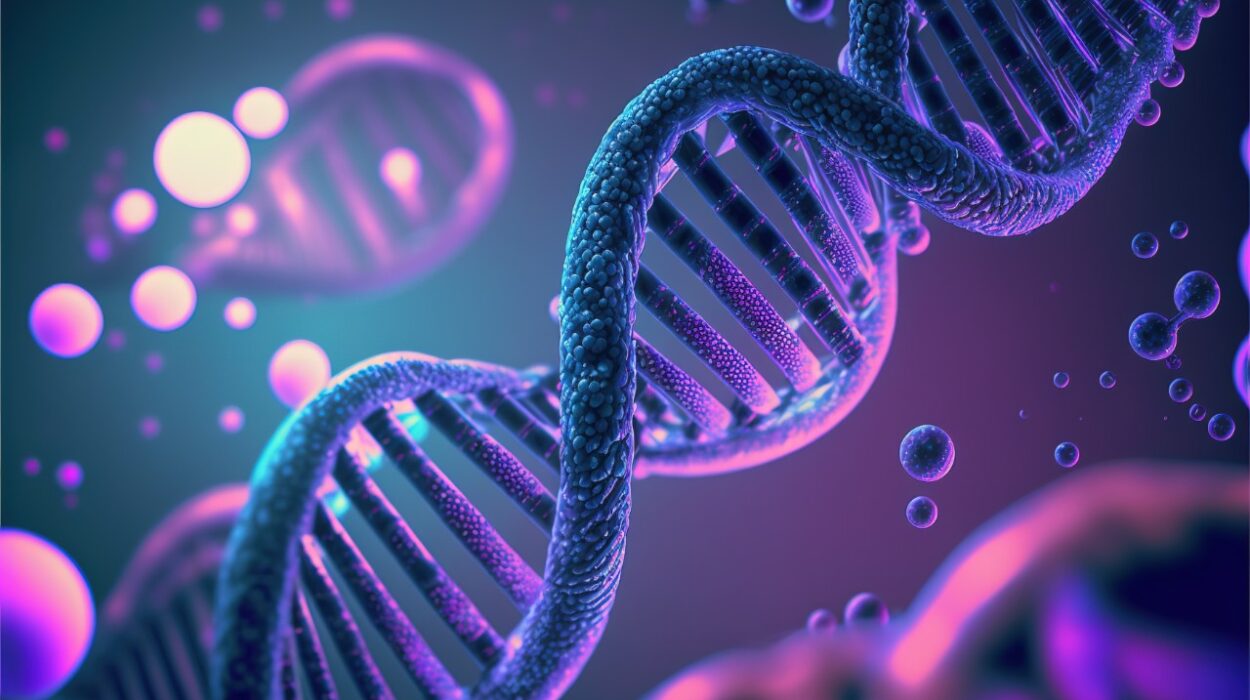
DNA is not a simple molecule, but its inclusion is unavoidable. As a polymer composed of nucleotides, DNA stores the genetic instructions for building and maintaining life. Its double-helical structure encodes information with extraordinary stability and fidelity.
The discovery of DNA’s structure revealed how traits are inherited and how variation arises. This understanding revolutionized biology, medicine, and anthropology. It connected all humans through shared molecular ancestry and demonstrated that differences between individuals are variations on a common chemical theme.
DNA has reshaped history by changing how we understand ourselves. Concepts of heredity, disease, and evolution gained molecular grounding. Technologies based on DNA now influence medicine, forensics, and agriculture.
Emotionally, DNA is the molecule of continuity. It links generations across time, carrying information from ancient ancestors to future descendants. Through DNA, chemistry becomes memory.
Conclusion: History Written in Molecules
Human history is often narrated through events and ideas, but beneath every transformation lies chemistry. Molecules have fed us, healed us, intoxicated us, armed us, and defined us. They operate silently, obeying physical laws without intention, yet their effects are profound.
Understanding these molecules does more than explain the past. It illuminates the present and shapes the future. Chemistry is not separate from humanity; it is the substrate upon which civilization is built. To study molecules is to study ourselves, written in bonds, reactions, and structure, across the long arc of history.