Gene editing is one of the most powerful scientific revolutions humanity has ever unleashed. It reaches into the deepest layer of life itself—the genetic code—and offers the ability not just to observe biology, but to rewrite it. Among all gene-editing tools, CRISPR has emerged as the most transformative. What once took years of painstaking work can now be done in days. What once seemed ethically unimaginable is now technically possible.
CRISPR is not just a laboratory technique. It is a turning point in how humans relate to disease, inheritance, evolution, and responsibility. Each breakthrough in this field has expanded our power and deepened our questions. Below are seven major breakthroughs in CRISPR and gene editing that have reshaped science and continue to redefine what the future of medicine and biology may look like.
1. The Discovery of CRISPR as a Programmable Genetic Tool
The first and most foundational breakthrough was realizing that CRISPR is not just a strange genetic pattern, but a programmable system for editing DNA. CRISPR sequences were originally discovered in bacteria, where they serve as part of an immune defense system. Bacteria capture fragments of viral DNA and store them in their own genome. When the virus attacks again, the bacteria use CRISPR-associated enzymes to recognize and cut the invader’s DNA.
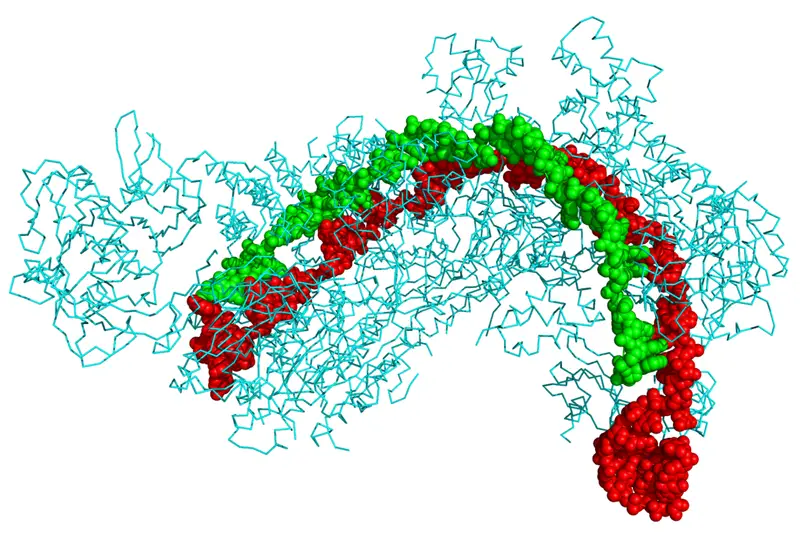
The true revolution occurred when scientists understood that this system could be reprogrammed. By designing a short guide RNA, researchers could direct the CRISPR-associated enzyme—most famously Cas9—to a precise location in the genome. Once there, the enzyme cuts the DNA, allowing genes to be disabled, altered, or replaced.
This insight transformed biology almost overnight. For the first time, gene editing became relatively cheap, fast, and accessible. Laboratories around the world could now precisely manipulate genes without needing years of specialized training or massive funding. The barrier to entry collapsed, and a new era of experimentation began.
Emotionally, this breakthrough marked a shift from observation to agency. Humans were no longer just reading the book of life. They were learning how to edit its sentences.
2. Precision Editing Through Improved CRISPR Accuracy
Early CRISPR systems were powerful, but imperfect. One of the biggest concerns was off-target effects—unintended cuts made in parts of the genome that closely resembled the target sequence. Even a single unintended mutation could have serious consequences, especially in medical applications.
A major breakthrough came with the development of high-fidelity CRISPR variants. Scientists engineered modified versions of Cas enzymes that dramatically reduced off-target activity while maintaining cutting efficiency. By tweaking the structure of these enzymes, researchers improved their ability to discriminate between correct and incorrect DNA matches.
In parallel, improved guide RNA design algorithms made targeting far more precise. Machine learning models began predicting the safest and most effective guide sequences. Together, these advances transformed CRISPR from a blunt instrument into a surgical tool.
This breakthrough was essential for moving CRISPR from the lab bench toward clinical use. Precision is not optional when editing the human genome. It is a moral and medical necessity. With increased accuracy, CRISPR began to look less like a risky experiment and more like a viable therapeutic platform.
3. Base Editing: Changing Letters Without Cutting DNA
One of the most elegant breakthroughs in gene editing was the development of base editing. Traditional CRISPR works by cutting both strands of DNA, which the cell then repairs. This repair process is error-prone and can lead to unpredictable outcomes. Base editing took a different approach.
Instead of cutting DNA, base editors chemically modify individual DNA letters. They can convert one base into another, such as changing a cytosine into a thymine, without breaking the DNA strand. This allows for precise correction of point mutations—the single-letter errors responsible for many genetic diseases.
This breakthrough was profound because a large percentage of known genetic disorders are caused by single-base mutations. Base editing offered a way to fix these errors cleanly, efficiently, and with far fewer risks.
Emotionally, base editing represents restraint paired with power. Rather than tearing DNA apart to rebuild it, scientists learned how to whisper corrections into the genome. It demonstrated that gene editing does not always require brute force—it can be subtle, careful, and precise.
4. Prime Editing: A “Search and Replace” Function for DNA
If base editing was a refinement, prime editing was a conceptual leap. Often described as a genetic “search and replace” tool, prime editing allows scientists to insert, delete, or replace DNA sequences without making double-stranded breaks.
Prime editing combines a modified Cas enzyme with a specialized guide RNA that carries the desired genetic change. Once the target site is located, the system directly writes new genetic information into the DNA. This method expands the range of possible edits far beyond what base editing can achieve.
Prime editing can correct a vast majority of known disease-causing mutations, including small insertions and deletions that were previously difficult or impossible to fix. It offers a level of versatility and control that brings gene editing closer to the flexibility of digital text editing.
This breakthrough changed how scientists think about genetic repair. It suggested a future where correcting mutations could be routine, programmable, and predictable. It also raised the stakes, because the easier editing becomes, the more society must decide how far it should go.
5. CRISPR Therapies Entering Human Medicine
One of the most emotionally powerful breakthroughs in CRISPR history is its transition from experimental tool to real-world therapy. CRISPR-based treatments have now been used in humans to treat genetic blood disorders such as sickle cell disease and beta-thalassemia.
In these therapies, a patient’s own stem cells are removed, edited using CRISPR, and then returned to the body. The edited cells produce healthy blood cells, effectively curing diseases that once required lifelong treatment or were fatal.
For patients, this breakthrough is not abstract science—it is life transformed. Pain, hospitalizations, and shortened life expectancy give way to normalcy. For the first time, gene editing is not just preventing disease in theory; it is restoring health in practice.
This moment marks a turning point. CRISPR crossed the threshold from possibility to proof. It demonstrated that editing the human genome can be done safely, ethically, and effectively when guided by rigorous science and careful oversight.
6. CRISPR Beyond DNA: Editing RNA and Epigenetics
Another major breakthrough was realizing that CRISPR does not have to permanently alter DNA to be powerful. Scientists developed CRISPR systems that target RNA instead, allowing temporary and reversible changes in gene expression.
RNA editing enables researchers to modify how genes are expressed without altering the underlying genome. This is especially valuable for studying gene function and treating diseases where permanent changes may be risky.
In addition, CRISPR has been adapted for epigenetic editing—modifying the chemical tags that control whether genes are turned on or off. This allows scientists to regulate genes rather than rewrite them, offering a gentler approach to intervention.
These advances expanded CRISPR from a cutting tool into a versatile genetic control system. Biology became programmable at multiple levels, from permanent DNA changes to temporary regulatory adjustments.
This breakthrough highlights a deeper truth: power in biology does not always mean permanence. Sometimes the most responsible innovation is one that can be undone.
7. CRISPR and the Ethical Frontier of Human Evolution
The final breakthrough is not purely technical, but it may be the most consequential of all. CRISPR has forced humanity to confront the ethics of altering life at its most fundamental level. The ability to edit embryos, germline cells, and inherited traits is no longer hypothetical.
This has sparked global conversations about consent, inequality, and the definition of disease versus enhancement. Should we eliminate genetic disorders before birth? Should we alter traits like intelligence or appearance? Who decides what is acceptable?
Scientific advances have been accompanied by ethical frameworks, international guidelines, and calls for restraint. The recognition that CRISPR’s power must be governed responsibly is itself a breakthrough—one that acknowledges science does not exist in isolation from society.
CRISPR has revealed that the future of gene editing is not just about what we can do, but what we should do. It has forced science to grow morally as well as technically.
The Deeper Meaning of CRISPR Breakthroughs
CRISPR is not simply a technology. It is a mirror reflecting humanity’s relationship with life, power, and responsibility. Each breakthrough has brought us closer to curing disease, understanding biology, and shaping the future of evolution. But each has also deepened the need for humility.
We are editing systems shaped by billions of years of natural selection. Every success carries the weight of consequence. The same tool that can cure suffering can also magnify inequality or cause irreversible harm if misused.
Yet within that tension lies hope. CRISPR represents humanity at its best—curious, compassionate, and daring enough to confront suffering at its source. It offers a future where genetic disease is not destiny and where biology is no longer a fixed sentence handed down at birth.
The story of CRISPR is still being written. These seven breakthroughs are milestones, not conclusions. As science advances, the challenge will not be whether we can edit life, but whether we can do so wisely, ethically, and with reverence for the complexity that made life possible in the first place.
In that sense, CRISPR is not just rewriting genes. It is rewriting the human story.