Paleontology is not just the study of fossils. It is the science of lost worlds, vanished ecosystems, and lives so ancient that even imagination struggles to reach them. Every major discovery in paleontology has reshaped how humanity understands life on Earth, revealing that our planet’s history is far older, richer, and more dramatic than once believed. These discoveries did not simply add facts to textbooks; they rewrote the story of life itself.
From the first realization that extinction is real to the discovery that dinosaurs had feathers, paleontology has repeatedly overturned comfortable assumptions. Each fossil unearthed is a message sent across deep time, whispering truths about evolution, catastrophe, survival, and change. Below are fifteen of the greatest discoveries in the history of paleontology, each one a turning point that expanded our understanding of life’s long journey.
1. The Discovery That Extinction Is Real
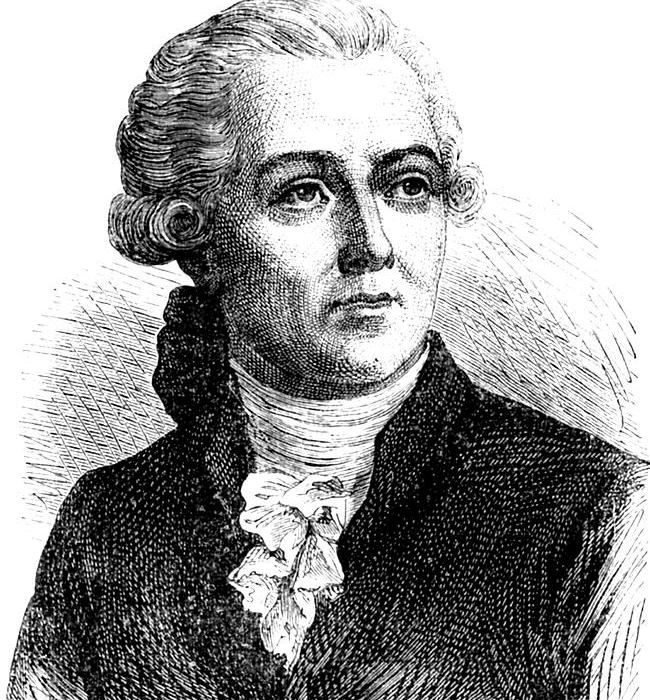
For most of human history, extinction was not believed to exist. Ancient and medieval thinkers assumed that all creatures created on Earth still lived somewhere, even if unseen. Fossils were often dismissed as strange rocks or remains of animals that still survived in distant lands. This worldview collapsed in the late 18th century through the work of Georges Cuvier.
By carefully comparing fossil bones to living animals, Cuvier demonstrated that some creatures found in the ground did not match any living species. Mammoths and mastodons, for example, were not elephants from remote regions but entirely different animals that no longer existed. This realization was revolutionary. It meant that Earth’s history included loss on a massive scale.
The concept of extinction changed everything. It introduced the idea that life is fragile, that entire species can vanish forever, and that Earth has experienced dramatic transitions. Paleontology became meaningful only once extinction was accepted as real, making this realization the foundation upon which the entire field stands.
2. The First Recognized Dinosaur Fossils
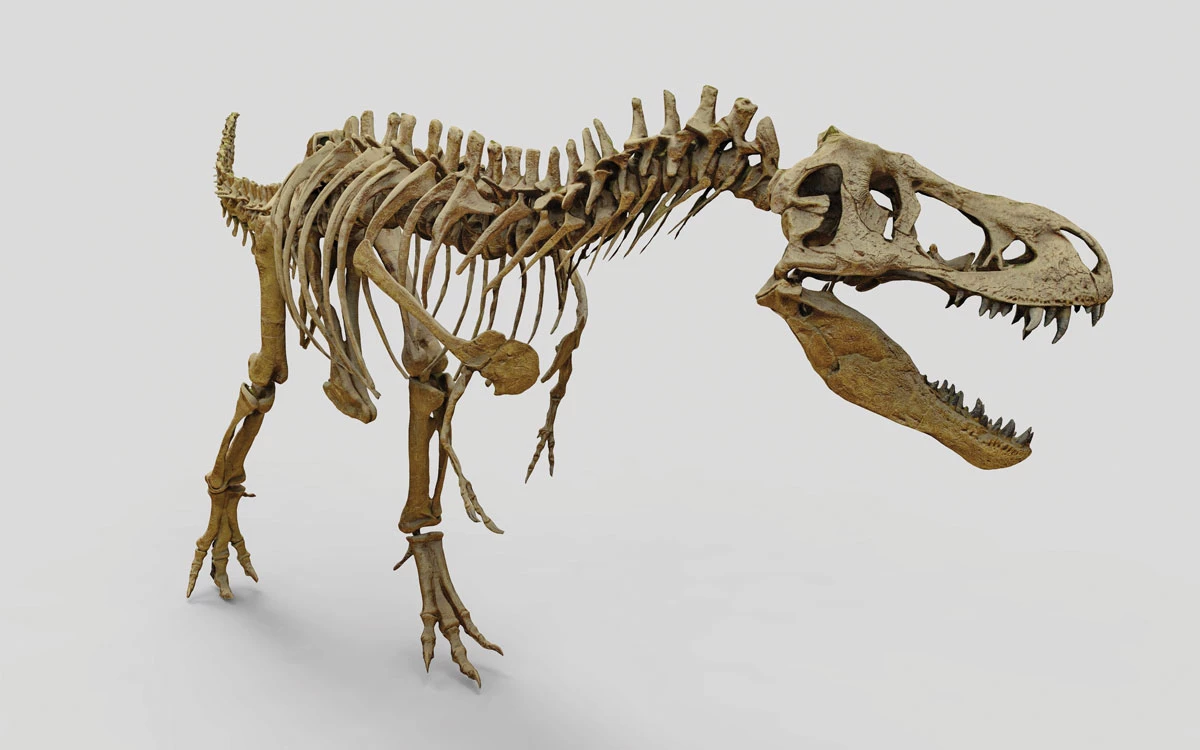
Dinosaurs now dominate our imagination, but their recognition as a distinct group of ancient reptiles took time. In the early 19th century, strange fossil bones began to emerge from quarries in England. Scientists like William Buckland and Gideon Mantell studied these remains, identifying creatures such as Megalosaurus and Iguanodon.
These animals were unlike anything alive today. They were enormous, terrestrial, and reptilian, yet clearly not crocodiles or lizards. In 1842, Richard Owen coined the term “Dinosauria,” meaning “terrible lizards,” formally recognizing them as a unique group.
This discovery transformed paleontology from a niche curiosity into a public fascination. Dinosaurs captured the imagination of scientists and the public alike, offering a glimpse into a world ruled by creatures of staggering size and power. The realization that Earth was once dominated by animals so different from those alive today profoundly altered humanity’s sense of time and possibility.
3. The Age of the Earth Is Vast Beyond Imagination
Early estimates of Earth’s age were shockingly short, often placing its creation just a few thousand years ago. Fossils posed a serious problem for these views, but it was geology and paleontology together that revealed the true scale of deep time.
The discovery of layered rock strata, each containing different fossil assemblages, showed that life had changed gradually over immense spans of time. Later, radiometric dating confirmed that Earth is approximately 4.5 billion years old, with life stretching back over 3.5 billion years.
This realization reshaped paleontology entirely. Fossils were no longer relics of a brief past but markers in an unimaginably long biological history. The vast age of the Earth provided the necessary time for evolution to produce the complexity and diversity seen in the fossil record.
4. The Cambrian Explosion
One of the most astonishing discoveries in paleontology is the Cambrian Explosion, a period around 541 million years ago when an extraordinary diversity of complex life forms appeared in the fossil record over a relatively short geological time.
The Burgess Shale in Canada and similar deposits around the world revealed exquisitely preserved fossils of soft-bodied organisms, many with strange and unfamiliar body plans. Creatures with spines, segmented bodies, compound eyes, and complex nervous systems seemed to emerge suddenly.
The Cambrian Explosion showed that most major animal groups appeared early in Earth’s history. It raised profound questions about evolution, development, and the environmental conditions that allow complexity to flourish. This discovery revealed that life’s creativity can surge explosively under the right circumstances.
5. Fossils as Evidence for Evolution
Before fossils were properly understood, the idea that species change over time was controversial. The fossil record provided the strongest evidence that life evolves. By examining successive layers of rock, paleontologists found clear patterns of gradual change, emergence, and extinction.
Transitional fossils showed intermediate forms between major groups, demonstrating that complex organisms did not appear fully formed. Instead, they evolved through countless small modifications across generations.
This fossil evidence gave powerful support to evolutionary theory, showing that life’s diversity is the result of deep time and natural processes. Paleontology became one of evolution’s strongest allies, grounding theory in physical evidence.
6. Archaeopteryx and the Dinosaur–Bird Connection
In 1861, a fossil discovered in Germany changed how scientists viewed birds and dinosaurs. Archaeopteryx possessed feathers like a bird but also teeth, a long bony tail, and clawed fingers like a reptile.
This remarkable combination provided direct evidence that birds evolved from theropod dinosaurs. It was one of the most compelling transitional fossils ever discovered, bridging two major groups of animals.
Archaeopteryx transformed paleontology by showing that evolution does not move in neat categories. It also revealed that dinosaurs were not slow, dim-witted monsters, but dynamic, complex animals capable of giving rise to birds.
7. Feathered Dinosaurs in China
For much of the 20th century, the idea that dinosaurs had feathers was controversial. That debate ended dramatically in the 1990s with discoveries from Liaoning Province in China. Fossils of dinosaurs like Sinosauropteryx and Microraptor showed clear impressions of feathers.
These discoveries confirmed that feathers evolved before flight and were common among many dinosaur groups. Feathers likely served purposes such as insulation, display, and communication long before they enabled birds to fly.
This revelation revolutionized dinosaur science, transforming public perception and scientific understanding. Dinosaurs were no longer imagined as scaly reptiles alone, but as vibrant, feathered animals, blurring the line between ancient and modern life.
8. The Discovery of Mass Extinctions
Paleontology revealed that extinction does not always happen gradually. The fossil record shows several mass extinctions, periods when a large percentage of Earth’s species vanished in relatively short geological time.
The most famous of these occurred 66 million years ago, when non-avian dinosaurs disappeared. Evidence points to a massive asteroid impact, combined with volcanic activity, as the trigger.
Understanding mass extinctions reshaped how scientists view life’s vulnerability. It showed that global catastrophes can reset ecosystems, opening opportunities for new forms of life while erasing dominant ones. Humans, too, now recognize themselves as potential drivers of such events.
9. The First Dinosaur Eggs and Nests
The discovery of dinosaur eggs and nesting sites provided a deeply emotional shift in how dinosaurs were perceived. Fossils from Mongolia and elsewhere revealed that dinosaurs laid eggs in nests and may have cared for their young.
This evidence suggested complex reproductive behaviors similar to modern birds. Dinosaurs were no longer just terrifying giants; they were parents, builders, and social animals.
These discoveries humanized dinosaurs in a profound way, allowing paleontologists to infer behaviors, not just anatomy. It brought ancient life closer to modern experience.
10. The Discovery of Human Ancestors
Few discoveries have been as emotionally charged as fossil evidence of human evolution. Finds such as Australopithecus afarensis, including the famous specimen “Lucy,” demonstrated that humans evolved from ape-like ancestors.
These fossils revealed upright walking long before large brains evolved. They showed that humanity is not separate from nature but deeply embedded within it.
Paleontology played a crucial role in showing that humans are part of the evolutionary story, not its endpoint or exception. This realization reshaped philosophy, religion, and science alike.
11. The First Marine Reptiles of the Age of Dinosaurs
The discovery of marine reptiles like ichthyosaurs and plesiosaurs revealed that dinosaurs were not the only giants of the Mesozoic Era. Oceans were filled with massive, fast-swimming predators that evolved independently from land reptiles.
These fossils demonstrated that evolution repeatedly finds solutions to similar challenges. Ichthyosaurs evolved dolphin-like shapes millions of years before dolphins existed.
This discovery expanded paleontology beyond land and showed that ancient ecosystems were as complex and dynamic as modern ones.
12. The Rise of Mammals After Dinosaurs
Fossil discoveries revealed that mammals existed alongside dinosaurs but remained small and relatively insignificant until after the dinosaur extinction. Following that event, mammals rapidly diversified.
This pattern showed how extinction can create opportunity. With dinosaurs gone, mammals evolved into countless forms, eventually giving rise to whales, bats, elephants, and humans.
Paleontology revealed that dominance is temporary, and survival often depends on adaptability rather than strength.
13. Trace Fossils and Ancient Behavior
Not all fossils are bones. Footprints, burrows, and bite marks—known as trace fossils—revealed how ancient animals moved, hunted, and interacted.
Dinosaur trackways showed herd behavior, speed, and posture. Burrows indicated social living and environmental adaptation.
These discoveries allowed paleontologists to reconstruct ancient lives in motion, turning fossils from static objects into stories of behavior.
14. Soft Tissue Preservation in Fossils
The discovery of fossilized soft tissues, including skin, feathers, and even cellular structures, was once thought impossible. Yet remarkable specimens have preserved muscles, organs, and microscopic details.
These finds provided unprecedented insight into physiology, coloration, and development. They also pushed the boundaries of what fossilization can preserve.
Soft tissue fossils transformed paleontology into a more detailed and intimate science, allowing deeper connections with ancient life.
15. The Recognition That Birds Are Living Dinosaurs
Perhaps the most profound discovery in paleontology is that dinosaurs are not entirely extinct. Birds are living dinosaurs, direct descendants of theropod ancestors.
This realization reframed extinction itself. Dinosaurs did not vanish completely; they adapted, shrank, and took to the skies.
Every bird in flight is a living fossil, a reminder that evolution is continuous. Paleontology is not only about the past—it is about recognizing ancient life still living among us.
A Living Science of Deep Time
The greatest discoveries in paleontology did more than fill museum halls. They transformed how humanity understands life, time, and itself. Fossils taught us that life changes, that extinction is real, that catastrophe and creativity are intertwined, and that we are part of a story billions of years in the making.
Paleontology is not a finished science. Each discovery opens new questions, deeper mysteries, and greater humility. The rocks beneath our feet still hold countless secrets, waiting patiently to remind us that Earth’s story is far older—and far more extraordinary—than we ever imagined.