Carbon is so familiar that it often fades into the background of scientific storytelling. It is present in every living cell, embedded in the food we eat, the air we breathe, and the technologies we depend on. Yet carbon is also extraordinary. No other element in the periodic table plays such a central role in shaping life, Earth’s history, and human civilization. Its atomic structure gives rise to a chemical versatility that borders on the miraculous, allowing it to form an almost limitless variety of compounds. To understand carbon is to understand why life exists in its current form and why the universe is capable of complexity.
The following ten facts explore carbon not as a dry chemical entry, but as a dynamic protagonist in the story of nature. Each fact reveals a different facet of carbon’s role, from the atomic scale to the planetary and cosmic levels, showing why this single element is rightly described as the backbone of life.
1. Carbon’s Atomic Structure Makes Complex Life Possible
Carbon’s importance begins at the atomic level. With six protons and six electrons, carbon occupies a unique position in the periodic table. It has four electrons in its outer shell, meaning it can form four stable covalent bonds with other atoms. This simple numerical fact has profound consequences.
Atoms seek stability by filling their outer electron shells, and carbon achieves this most effectively by sharing electrons rather than gaining or losing them. The result is covalent bonding, which produces strong, flexible connections that can persist under a wide range of conditions. Unlike elements that form only one or two bonds, carbon’s four bonding sites allow it to create branching structures, rings, and long chains. These structures can be rearranged endlessly without losing stability.
From a biological perspective, this versatility is essential. Proteins, carbohydrates, lipids, and nucleic acids all rely on carbon’s ability to form complex frameworks. Without an element capable of such diverse bonding, the intricate molecular machinery required for metabolism, reproduction, and evolution would not exist.
Emotionally, this fact reminds us that life is not an accident of chaos, but an outcome shaped by the deep logic of atomic physics. Carbon’s structure is not designed with life in mind, yet it happens to be perfectly suited for it. This quiet alignment between physical law and biological possibility is one of nature’s most astonishing coincidences.
2. Carbon Can Bond with Itself to Form Vast Molecular Frameworks
One of carbon’s most remarkable properties is its ability to bond with other carbon atoms. This phenomenon, known as catenation, is rare among elements and central to carbon’s dominance in organic chemistry.
Carbon–carbon bonds are strong, stable, and flexible. They can form single, double, or triple bonds, each with different strengths and geometries. Through these bonds, carbon atoms assemble into chains that may be straight, branched, or cyclic. These frameworks can include thousands or even millions of atoms, creating molecules of extraordinary size and complexity.
In living organisms, this self-bonding ability underlies the structure of DNA, the scaffolding of proteins, and the membranes that define cells. DNA, for example, is built upon a carbon-based sugar-phosphate backbone that provides stability while allowing genetic information to be stored and copied. Proteins rely on carbon chains to position functional groups precisely, enabling enzymes to catalyze life-sustaining reactions with remarkable efficiency.
Beyond biology, carbon–carbon bonding is responsible for materials such as plastics, synthetic fibers, and pharmaceuticals. These substances, though artificial, mirror the same chemical principles that govern life.
The emotional resonance of this fact lies in its sense of continuity. The same carbon bonds that form the molecules of living cells also shape the materials of modern civilization. Life and technology, biology and industry, are connected by the same atomic relationships, blurring the boundary between natural and human-made worlds.
3. Carbon Exists in Multiple Allotropic Forms with Drastically Different Properties
Carbon is unusual in that it exists in multiple allotropes—different structural forms composed entirely of the same element. These allotropes demonstrate how atomic arrangement, rather than chemical composition alone, determines physical properties.
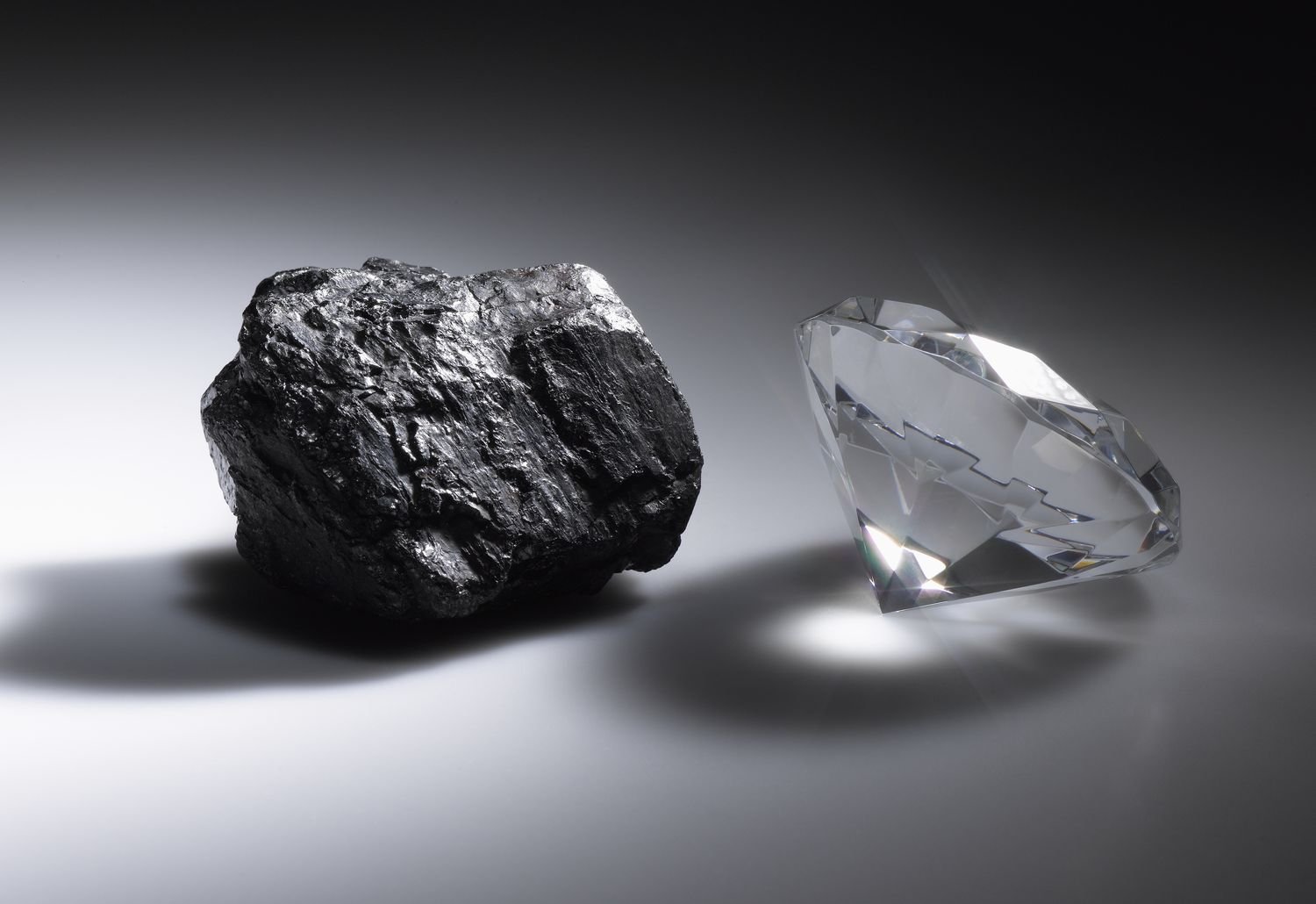
Diamond and graphite are the most familiar examples. In diamond, each carbon atom forms four strong bonds in a rigid three-dimensional lattice, producing a material of extraordinary hardness and transparency. In graphite, carbon atoms form flat sheets arranged in hexagonal patterns, with weak forces between layers. This structure makes graphite soft, slippery, and electrically conductive.
More recently discovered allotropes, such as graphene and fullerenes, have expanded carbon’s portfolio even further. Graphene, a single layer of carbon atoms arranged in a hexagonal lattice, is incredibly strong, lightweight, and conductive. Fullerenes and carbon nanotubes form spherical and cylindrical structures with unique mechanical and electronic properties.
These differences arise not from changes in chemical identity, but from geometry. Carbon’s ability to adopt radically different architectures allows it to function as both the hardest known natural material and one of the softest, as an insulator and a conductor, as a transparent crystal and an opaque solid.
This fact speaks to a deeper philosophical truth: structure matters. In both nature and life, the arrangement of components often matters more than their identity. Carbon teaches us that transformation can arise not from changing what something is, but from changing how it is organized.
4. Carbon Forms the Chemical Backbone of All Known Life
Every known living organism on Earth is carbon-based. This statement is not a limitation of imagination, but a conclusion drawn from chemistry and biology. Carbon’s ability to form stable, complex, and reactive molecules makes it uniquely suited to support life as we understand it.
Biological macromolecules are constructed around carbon frameworks. Carbohydrates store and distribute energy, proteins perform structural and catalytic roles, lipids form membranes and signaling molecules, and nucleic acids encode genetic information. In each case, carbon atoms provide the skeletal structure upon which functional groups are arranged.
These molecules are not static. Life depends on dynamic chemistry, with bonds forming and breaking in carefully regulated ways. Carbon-based compounds strike an ideal balance between stability and reactivity, allowing biological processes to occur at temperatures compatible with liquid water.
From an emotional perspective, this fact unites all life in a shared chemical heritage. The carbon atoms in a human brain, a tree’s leaves, and a bacterium’s enzymes are interchangeable at the atomic level. Life’s diversity arises not from different elements, but from different arrangements of the same fundamental building blocks.
5. Carbon Plays a Central Role in Earth’s Climate System
Carbon is not only a biological element; it is also a planetary one. Through the carbon cycle, carbon moves continuously between Earth’s atmosphere, oceans, crust, and living organisms. This cycle regulates climate, supports ecosystems, and shapes geological processes over millions of years.
In the atmosphere, carbon exists primarily as carbon dioxide, a gas that absorbs infrared radiation and contributes to the greenhouse effect. This effect is essential for maintaining Earth’s surface temperature within a range suitable for life. Without it, Earth would be a frozen world.
Carbon is also stored in oceans as dissolved carbon dioxide and carbonate ions, and in rocks as limestone and other carbonates. Living organisms incorporate carbon into their tissues, temporarily removing it from the atmosphere. When organisms respire, decay, or burn, carbon returns to the air, completing the cycle.
Human activity has disrupted this delicate balance by releasing large amounts of carbon dioxide through fossil fuel combustion and deforestation. The resulting changes in atmospheric composition are altering Earth’s climate at a pace that challenges ecosystems and societies.
This fact highlights carbon’s dual nature. It is both life-giving and potentially destabilizing. Understanding carbon’s role in climate is not merely an academic exercise; it is a moral and practical necessity for the future of civilization.
6. Carbon Is Created in the Hearts of Stars
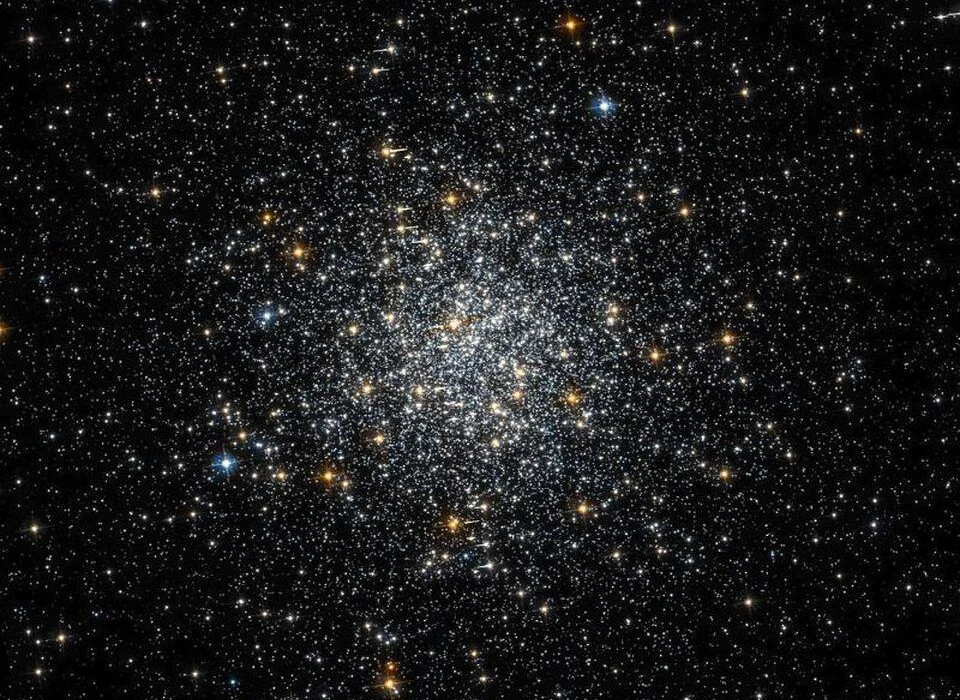
Carbon’s story does not begin on Earth. It begins in stars, where the extreme conditions of temperature and pressure enable nuclear fusion. In the cores of massive stars, helium nuclei collide and combine through a process known as the triple-alpha reaction, forming carbon.
This process requires precise conditions. If the energy levels involved were slightly different, carbon would not form in significant quantities. The fact that the universe produces carbon so efficiently has profound implications for the existence of life.
When stars exhaust their nuclear fuel and die, they scatter carbon into space through stellar winds and explosive supernovae. This carbon becomes part of interstellar clouds, eventually forming new stars, planets, and, in at least one case, living organisms.
The carbon atoms in your body were forged billions of years ago in stellar interiors. They have traveled across space and time, participating in cosmic cycles long before becoming part of life on Earth.
Emotionally, this fact transforms carbon from a chemical element into a cosmic inheritance. Life is not separate from the universe; it is made of its remnants. To study carbon is to trace a line from the heart of a star to the chemistry of a cell.
7. Carbon Enables the Storage and Transmission of Genetic Information
Genetic information lies at the heart of biology, and carbon plays a crucial role in its storage and transmission. DNA and RNA are carbon-based molecules whose structures are optimized for stability, replication, and information density.
The sugar components of nucleic acids are carbon-rich, forming the backbone that holds genetic sequences together. Nitrogenous bases, also built upon carbon frameworks, encode information through specific pairing rules. These interactions allow genetic material to be copied with high fidelity while remaining flexible enough to mutate and evolve.
This balance between stability and variability is essential for evolution. Too much stability would prevent adaptation, while too much variability would destroy coherence. Carbon-based chemistry achieves this balance with remarkable precision.
From a human perspective, this fact underscores the intimacy of carbon’s role in identity. Every trait, from eye color to metabolic pathways, is ultimately expressed through carbon-based molecules interacting within cells. Carbon does not merely support life; it records and transmits its history.
8. Carbon’s Chemical Diversity Supports Metabolism and Energy Flow
Life is not static matter; it is organized motion, driven by energy flow. Carbon-based molecules are ideally suited to participate in metabolic networks that capture, store, and release energy.
In photosynthesis, plants use carbon dioxide and water to create energy-rich carbohydrates, storing solar energy in chemical bonds. In respiration, organisms break these bonds, releasing energy to fuel cellular processes. At each step, carbon atoms move through a network of reactions that are finely regulated by enzymes.
Carbon’s ability to form bonds of varying strength allows energy to be stored efficiently and released in controlled amounts. This property is critical for sustaining life, which depends on continuous but regulated energy transfer.
Emotionally, metabolism reveals carbon as a mediator between sunlight and life, between physics and biology. Through carbon chemistry, the energy of stars becomes the energy of thought, movement, and growth.
9. Carbon-Based Materials Shape Human Civilization
Beyond biology, carbon has played a defining role in human technological development. From charcoal and coal to steel, plastics, and advanced nanomaterials, carbon-based substances have shaped economies and cultures.
The industrial revolution was powered by carbon in the form of fossil fuels, releasing energy stored over geological timescales. Modern electronics rely on carbon-based components, while medicine depends on carbon-rich pharmaceuticals tailored to interact with biological systems.
At the same time, reliance on carbon-based fuels has created environmental challenges that now demand careful management. This dual role highlights carbon’s power as both a creative and destructive force, depending on how it is used.
This fact invites reflection on responsibility. Humanity’s mastery of carbon chemistry has brought unprecedented prosperity, but it also carries ethical obligations to use that mastery wisely.
10. Carbon’s Properties Make It the Most Likely Basis for Life Elsewhere
When scientists search for life beyond Earth, they often focus on carbon-based chemistry. This is not because other possibilities are impossible, but because carbon’s properties make it the most plausible foundation for complex, self-sustaining systems.
Carbon’s abundance in the universe, its ability to form stable yet reactive compounds, and its compatibility with liquid water all support the idea that carbon-based life may arise wherever conditions permit. While alternative biochemistries are conceivable, none match carbon’s demonstrated versatility.
This perspective shapes astrobiology, guiding the search for biosignatures on other planets and moons. Carbon compounds in extraterrestrial environments are not proof of life, but they are essential clues.
Emotionally, this fact expands carbon’s significance beyond Earth. It suggests that the chemistry that gave rise to life here may be a universal pattern, linking humanity to a broader cosmic context.
Conclusion: Carbon as Nature’s Master Builder
Carbon is more than an element; it is a principle of organization. Through its atomic structure, bonding versatility, and cosmic origin, carbon bridges physics, chemistry, biology, and astronomy. It shapes molecules, ecosystems, climates, and civilizations, weaving continuity across scales that span from the subatomic to the galactic.
To understand carbon is to recognize that life’s complexity arises not from mystery alone, but from the deep logic of natural laws. Carbon stands as a testament to the universe’s capacity to generate structure, meaning, and connection. In every breath we take and every thought we form, carbon quietly affirms that the building blocks of life are written into the fabric of reality itself.