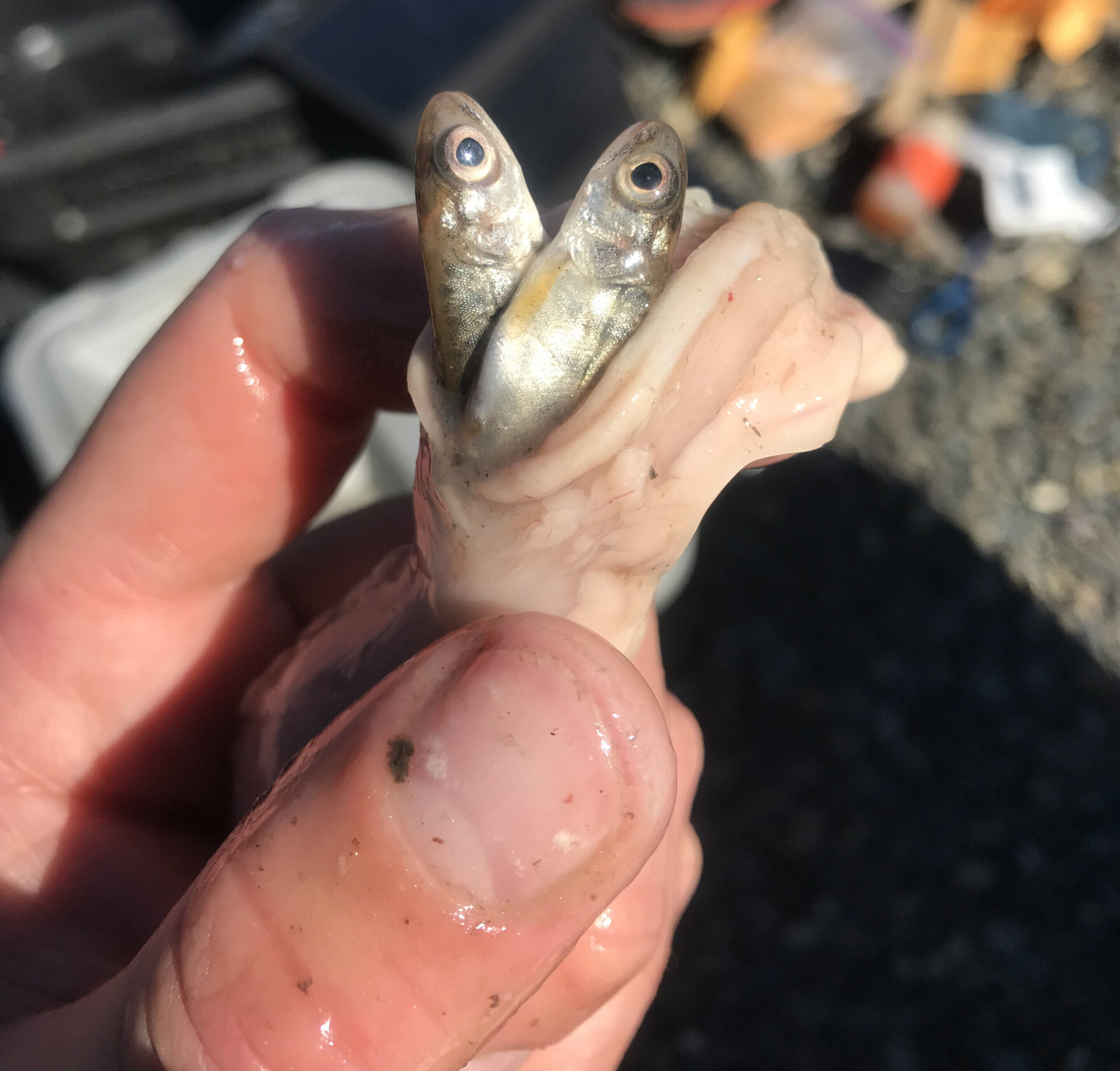
Deep in the winding currents of the Deshka River, a tributary of the vast Susitna River system in Southcentral Alaska, a silent shift is occurring beneath the surface. For decades, these waters have been the lifeblood of Chinook and coho salmon, species that define the ecological and cultural heartbeat of the region. However, a shadow has been growing in these glacial-fed reaches—the northern pike. While native to other parts of the state, these sharp-toothed predators were illegally introduced to this area, and they have spent years carving out a kingdom at the expense of native fish. Now, a new study led by the University of Alaska Fairbanks (UAF) reveals that a warming climate is acting as a catalyst, turning these already formidable invaders into even more voracious hunters.
The story of this environmental transformation began with a simple but meticulous task: examining what lies within the bellies of the beasts. Researchers, working alongside the U.S. Fish and Wildlife Service, spent the summers of 2021 and 2022 collecting northern pike from the Deshka River. By analyzing their stomach contents, the team was able to peer into the daily lives of these predators and compare their current habits to data collected a decade earlier. What they found was a clear and unsettling correlation between rising temperatures and a spiking appetite. As the water warms, the pike are getting hungrier, and the consequences for the rest of the river’s inhabitants are mounting.
The Heat That Fuels the Hunt
The engine driving this change is the basic biology of the fish itself. In the world of cold-blooded creatures, temperature dictates the pace of life. As the mean summer air temperatures in the region have climbed by approximately 3 degrees Fahrenheit since 1919—with nearly a degree of that rise occurring just in the last ten years—the water has followed suit. These elevated temperatures have pushed the Deshka River well beyond its historical norms. When the water warms, the metabolism of the northern pike accelerates. Their bodies process energy faster, their internal furnaces burn hotter, and to keep that engine running, they must consume more fuel.
This biological demand has manifested as a dramatic shift in predatory behavior. The research team discovered that pike of every single age class are eating more fish as the thermometer rises. The most startling transformation was seen in the youth; year-old pike showed a staggering 63% rise in fish consumption compared to their predecessors from a decade ago. These juveniles, once perhaps content with smaller fare, are now aggressively pursuing fish to meet their skyrocketing energy needs. It is a trend that researchers expect will only intensify. With modeling predicting a 6% to 12% increase in total consumption by the year 2100, the river is becoming a much more dangerous place for anything that swims alongside a pike.
A River in Transition
The tragedy of the northern pike’s growing appetite is compounded by the fact that their favorite hunting grounds are the same places where salmon populations are already struggling. In Southcentral Alaska, the Chinook and coho salmon are facing a double-edged sword. On one side, the warming waters are directly stressing their physiology, making it harder for them to thrive in their ancestral homes. On the other side, they are being hunted by an invader whose lethality is being supercharged by that very same heat. It is a synergy of threats that concerns scientists like Peter Westley, a UAF professor of fisheries, who notes that invasive species and climate change are individually linked to extinctions, but here, they are working in tandem.
Interestingly, the stomach content analysis revealed a grim irony: while the pike are hungrier and eating more fish overall, the actual number of Chinook and coho found in their bellies has decreased over the last ten years. This isn’t because the pike have lost their taste for salmon, but rather because there are simply fewer salmon left to catch. The declining populations of these iconic fish in the Deshka River mean that the predators are forced to find sustenance elsewhere, yet they continue to exert immense pressure on the few salmon that remain. The pike are not just a part of the ecosystem; they are an escalating force that is reshaping it.
The Hidden Threads of the Web
To truly understand the peril facing Alaska’s rivers, one must look beyond the simple relationship between a single predator and its prey. As Erik Schoen of UAF’s International Arctic Research Center points out, salmon do not exist in a vacuum. They are part of a complex web of predators, prey, and pathogens, all of which are being tugged and reshaped by the warming climate. While much research has focused on how heat affects salmon directly—such as through heat stress or oxygen depletion—this study highlights the critical importance of indirect impacts.
When the metabolism of a top predator like the northern pike is boosted, the ripple effects travel throughout the entire freshwater system. The increased aggression of the pike changes the “landscape of fear” for every other species. It alters how smaller fish move, where they hide, and how they compete for food. By tracking these complex dynamics, researchers are uncovering a more holistic picture of river health. It is not just about the water temperature; it is about how that temperature changes the way every creature in the river interacts with one another.
Why This Research Matters
This study serves as a vital wake-up call because it reveals the “multiplier effect” of climate change. It demonstrates that global warming does not just change the environment; it empowers invasive species to become more destructive. For Southcentral Alaska, where salmon are both an economic powerhouse and a cultural cornerstone, understanding this relationship is essential for future conservation. If we only account for the direct effects of heat on salmon, we are missing half the story.
The research underscores that the fight to save native species requires a broad perspective that includes managing invasive predators who are “benefiting” from a changing world. By quantifying exactly how much more a pike eats for every degree the water rises, scientists can better predict the future of the Deshka River and similar systems. This knowledge is the first step in crafting strategies to protect the delicate balance of Alaska’s wild spaces, ensuring that the legendary salmon runs of the north are not consumed by the growing hunger of a warming world.
Study Details
Benjamin A. Rich et al, Warming causes modest increase in the consumptive demands of invasive Northern Pike (Esox lucius) in Alaska freshwaters, Biological Invasions (2026). DOI: 10.1007/s10530-025-03746-7