Wealth inequality in prehistoric European societies may have emerged more gradually than previously thought. An analysis of 296 graves dating back 4,000 to 5,000 years in present-day Bohemia suggests that early Corded Ware communities initially had relatively small wealth differences, with social competition, richer burials and possible inherited status becoming more prominent over several centuries.
The findings challenge the idea that migrants from the Eurasian steppe brought a fully developed system of inherited wealth and male-dominated social hierarchy into Central Europe. Instead, the evidence suggests that social status initially depended more on individual actions and achievements than on family background.
The research also demonstrates how archaeologists can investigate inequality in societies that left no written records. By combining burial evidence with ancient DNA, researchers reconstructed changes in wealth, social status and family lineages across several generations.
The approach, called QuantWealth, was developed by University of Copenhagen archaeologist Mikkel Nørtoft as part of his Ph.D. research. It uses multiple types of archaeological evidence from graves to estimate differences in wealth and social standing.
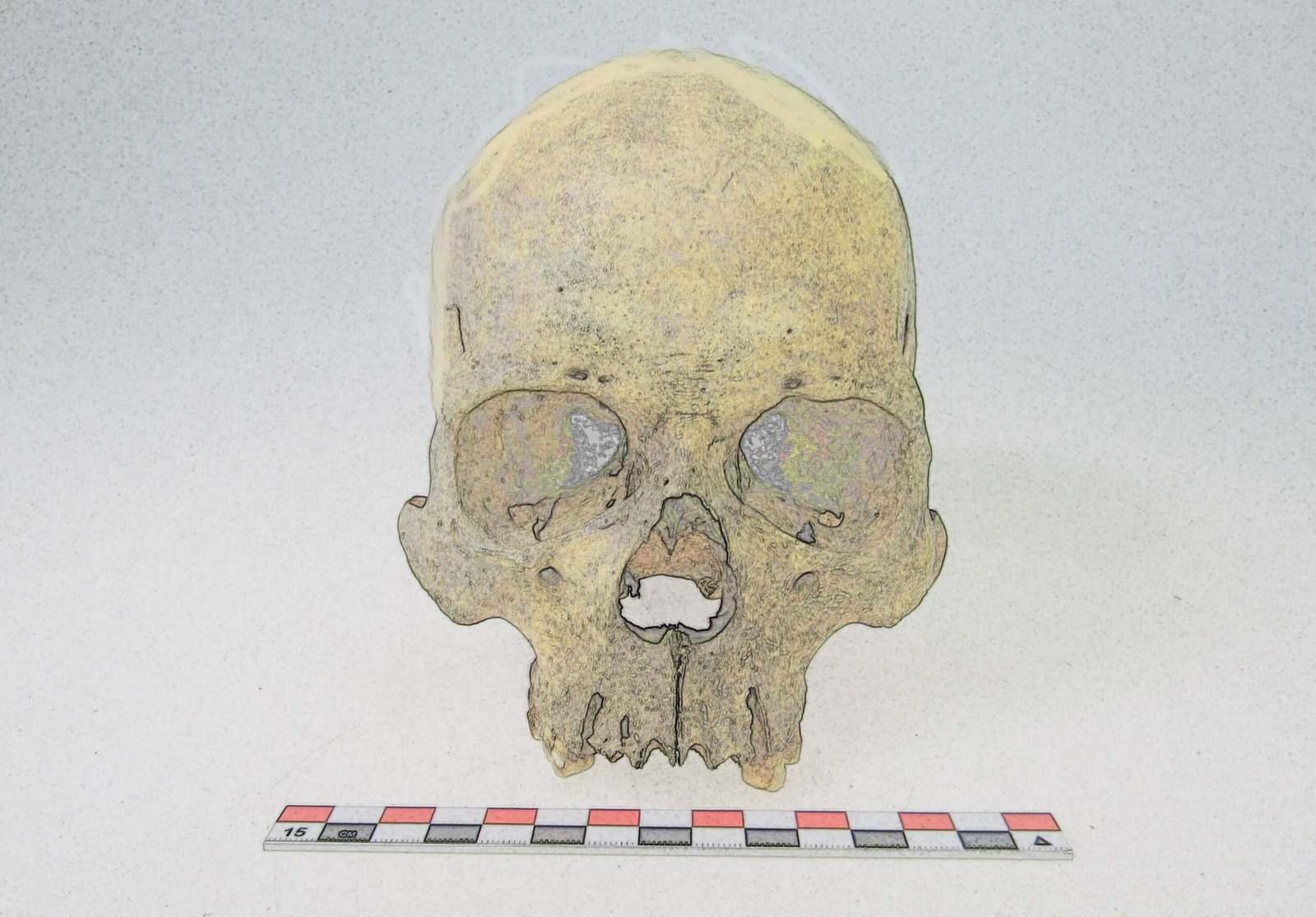
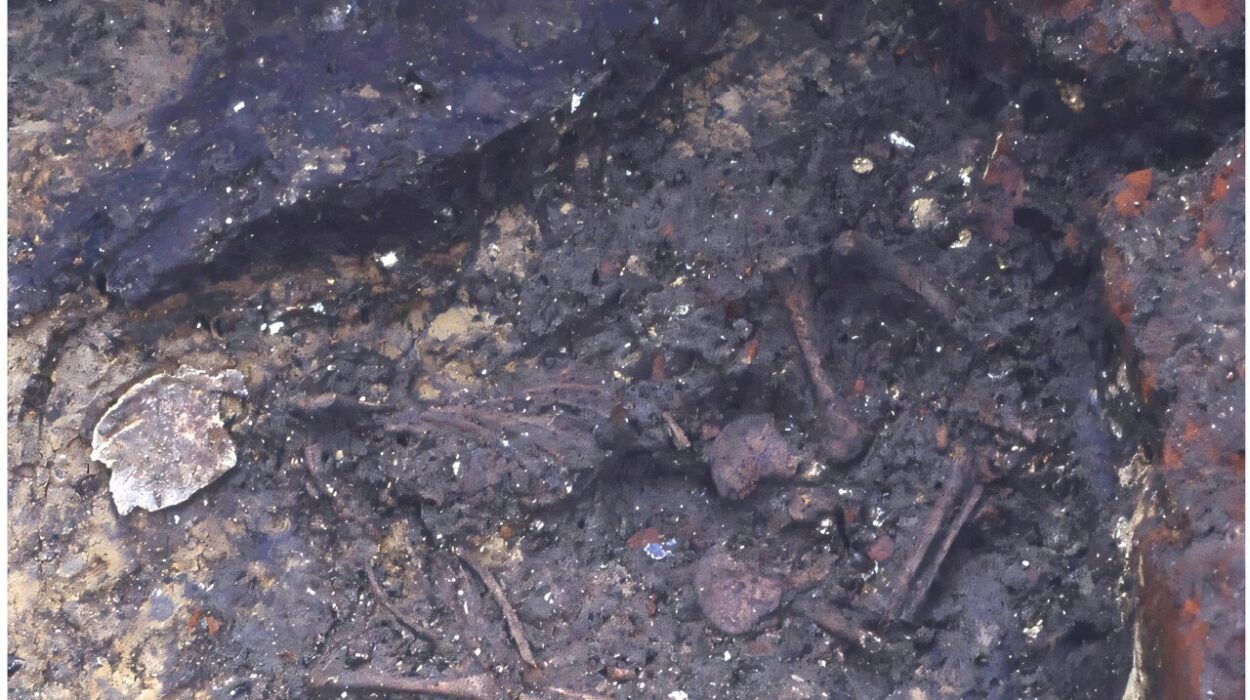
For the study, Nørtoft and his colleague Adam B. Rohrlach examined 296 burials belonging to the Corded Ware culture in Bohemia, dating from approximately 2,900 to 2,300 B.C. They compared the contents and characteristics of the graves with genetic ancestry and Y-chromosome patterns, which can help trace paternal lineages. They also considered the individuals’ age, sex and skeletal pathologies.
Together, these sources of evidence allowed the researchers to examine not just who was buried with valuable objects, but how social differences changed over time.
Early communities placed greater emphasis on social cohesion
The earliest Corded Ware communities in Bohemia appear to have had relatively modest differences in wealth.
These communities settled in the region around 2,900–2,700 B.C., following migrations from the Eurasian steppe. According to the researchers, their burial practices suggest that building connections among newcomers was initially more important than displaying individual wealth.
“Following a few harsh years of ‘dark sun’ clouded by a devastating volcanic eruption in 2,900 B.C., the earliest herder communities, settling in Bohemia around 2,900–2,700 B.C., seem to have focused mostly on building social cohesion across this new network of migrants in Central Europe. In Bohemia, they did this through shared burial rituals and building earthen mounds, but with few grave goods,” Nørtoft explains.
The graves from this period contained relatively few valuable objects, and differences in burial wealth were limited. Much of the variation appeared to be related to age rather than clear divisions between wealthy and poor families.
The researchers also found evidence that power was distributed across several lineages descended from steppe migrants, with relatively little inequality between men and women.
These patterns suggest that the earliest communities did not immediately establish rigid social hierarchies based on inherited wealth.
“Archaeologists have long debated whether steppe populations migrating across Europe from Ukraine brought with them a highly unequal social system and patriarchy. Our results suggest a much more dynamic picture, where social differences developed gradually. Achieving status through life actions appears to have been more important than through inheritance, at least during the first 400 years,” says University of Copenhagen archaeologist Mikkel Nørtoft, main author of the study, who developed the QuantWealth method in his Ph.D. thesis.
Burial practices reveal growing competition
The picture began to change between approximately 2,700 and 2,500 B.C.
During this period, a new lineage appeared in the burial record, alongside signs of increasingly competitive displays of wealth. Researchers found more prestige objects, larger meat offerings and evidence of expanding exchange networks.
Graves belonging to adult men became particularly richly furnished, while gender differences in burial wealth grew more pronounced. Younger adults also appeared more frequently among the burials.
Importantly, the researchers did not find a corresponding clear increase in skeletal injuries associated with violence. This suggests that growing competition over status and resources did not necessarily involve a detectable rise in physical conflict.
The changing burial practices point to a society in which individuals and groups were increasingly using funerals to demonstrate their standing and influence.
By the final phase, around 2,500–2,300 B.C., the pattern had shifted further. One lineage had become dominant in the burial record, and some children were buried with unusually rich collections of objects.
“In the final phase, roughly 2,500–2,300 B.C., we see a few rich displays of family wealth through children, and the previously new lineage now dominated the burial record. So maybe the new lineage had gained the most followers and power through the competitive burial parties, and their descendants were now competing among themselves,” Nørtoft points out.
The presence of wealthy child burials is particularly important because children had little opportunity to establish their own social standing through adult activities. Their grave goods could therefore reflect the resources and status of their families.
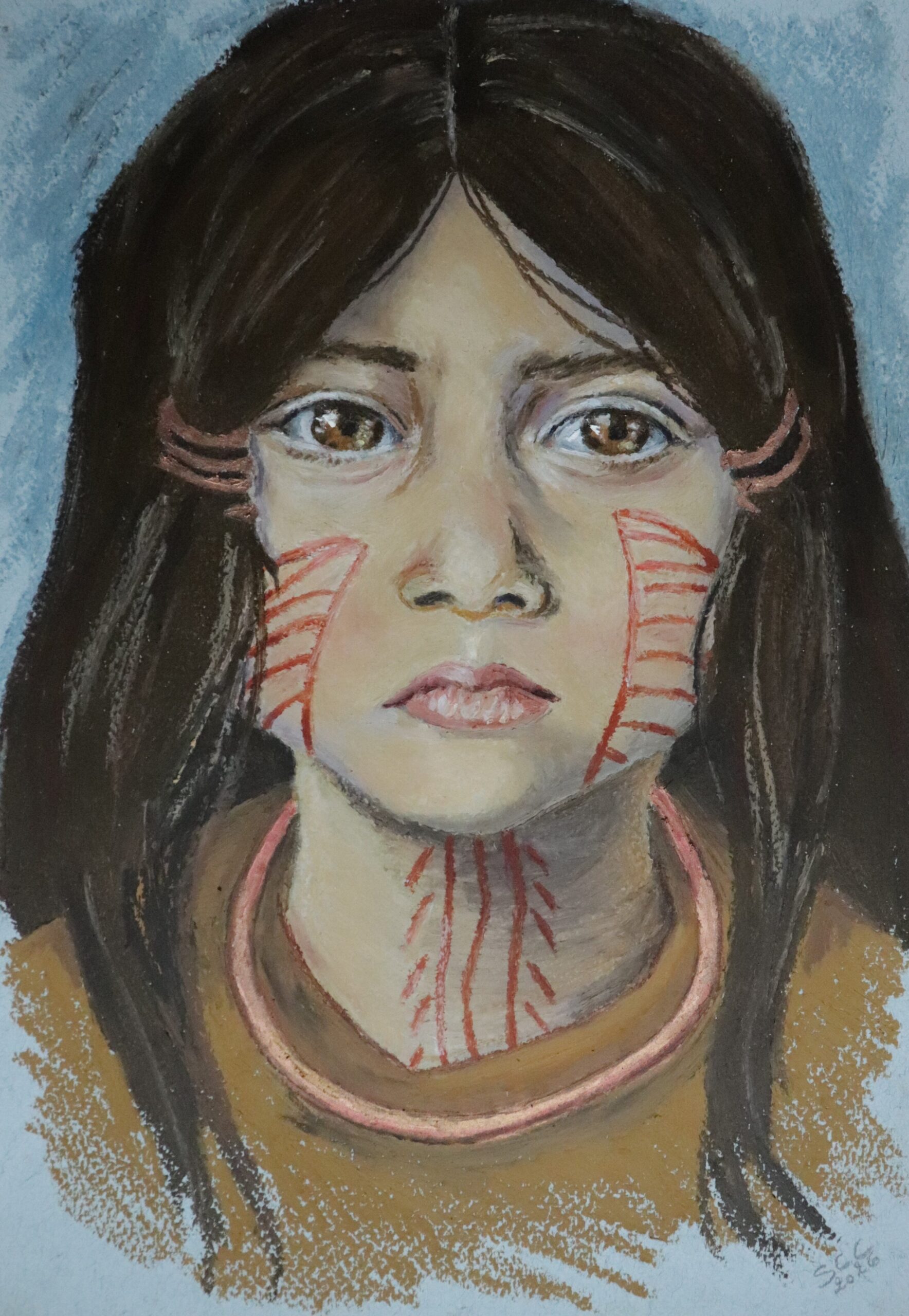
One example comes from a female child’s grave at Čachovice, which was the richest burial identified in the entire Bohemian sample.
The grave contained an exceptionally rare copper neck ring. Similar neck ornaments, known as torcs, later became widely recognized symbols of high status during the European Bronze and Iron Ages.
The burial suggests that some families may have begun using valuable ornaments to communicate their children’s social position.
Did wealth begin passing between generations?
The researchers suggest that the increasingly prominent family displays could mark the emergence of more persistent forms of inequality.
One possibility is that parents used ornaments to improve their children’s social standing and prospects in future marriages. Ethnographic comparisons offer some support for this interpretation, while historical evidence indicates that bridewealth and dowry practices were common in Indo-European societies.
In Corded Ware communities, brides often moved into their husbands’ households. Valuable objects associated with women and children may therefore have played a role in marriage exchanges and relationships between families.
However, these interpretations remain tentative. Rich child burials do not, by themselves, establish that wealth was systematically inherited or that powerful family dynasties had already emerged.
The researchers see the growing concentration of prestige objects and the dominance of one lineage as possible signs that social advantages were becoming more durable. Whether these developments eventually led to the powerful family dynasties documented in later Bronze Age societies remains an open question.
More evidence from both the Corded Ware culture and the Bell Beaker culture that later replaced it in Central Europe will be needed to establish how these social changes unfolded.
Ancient DNA adds another dimension to archaeological evidence
One of the study’s important contributions is its combination of burial archaeology with genetic information.
Y-chromosome patterns can help identify paternal lineages, allowing researchers to investigate whether changes in the distribution of burial wealth coincide with changes in the prominence of particular male family lines.
In Bohemia, the researchers found a correlation between changing Y-chromosome lineages and differences in the display of wealth in graves.
But a correlation does not establish that a particular lineage controlled wealth or passed it down through generations. Confirming those relationships will require more genetic evidence, especially DNA data that can establish family connections at a more detailed level.
“We now have a correlation between changing Y-haplogroup lineages and unequal burial wealth display in one region, but we need more DNA data to confirm this at the family level, and elsewhere,” explains Nørtoft.
The findings therefore offer a more nuanced account of how inequality may have developed among early European farming and herding communities. Rather than assuming that social hierarchy arrived fully formed with migrating populations, the Bohemian evidence suggests that differences in wealth, gender relations and family influence changed over time.
The study was published in the Journal of Neolithic Archaeology.