There are moments in human history when a question emerges that refuses to stay confined to academic journals or scientific conferences. It seeps into art, politics, daily conversation, and quiet personal reflection. “Are we living through a sixth mass extinction?” is one such question. It is unsettling not only because of what it implies for animals and ecosystems, but because it turns the mirror toward us. It asks whether our age will be remembered as a turning point in the history of life on Earth, not for discovery or progress, but for loss on a planetary scale.
Mass extinction is a phrase that sounds dramatic, almost apocalyptic, yet it has a precise scientific meaning. It refers to a relatively short period in geological time during which an exceptionally large proportion of Earth’s species disappear. The fossil record shows that such events are rare, but when they occur, they reshape the entire trajectory of life. The idea that we might currently be inside one of these events is not a metaphor or a poetic exaggeration. It is a hypothesis grounded in decades of ecological research, paleontology, and biodiversity studies.
To understand whether we are living through a sixth mass extinction, we must first understand what mass extinctions are, how they happened in the past, and what makes the present moment different. Only then can we fully grasp the weight of what is unfolding around us, often quietly, beyond the edges of our daily attention.
Understanding Mass Extinction in Earth’s Deep History
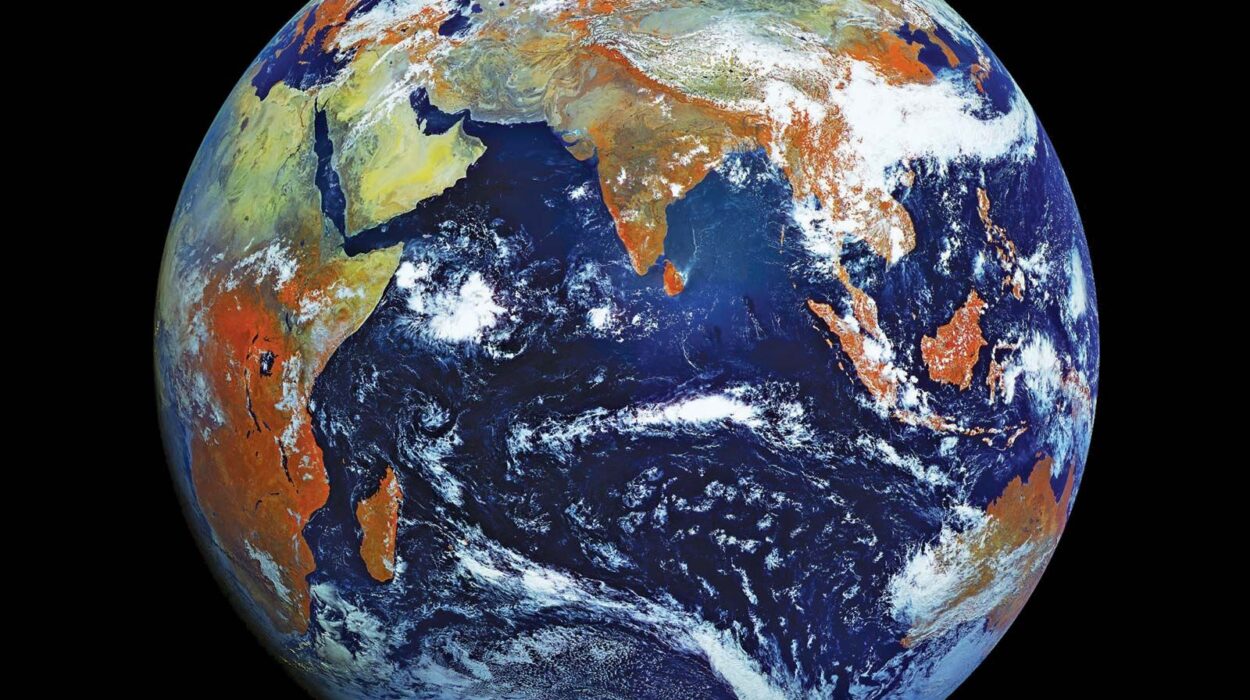
Earth is approximately 4.5 billion years old, and life has existed on it for at least 3.5 billion years. Over this immense span of time, species have continuously appeared and disappeared. Extinction, in itself, is not abnormal. In fact, it is a natural part of evolution. Most species that have ever lived are now extinct. What makes a mass extinction different is not extinction itself, but the speed and scale at which it happens.
Scientists generally recognize five major mass extinctions in Earth’s history. Each of them involved the loss of at least 75 percent of species in a geologically short interval, often measured in tens of thousands to a few million years. In the language of geology, this is the blink of an eye.
The first of these events occurred about 444 million years ago, at the end of the Ordovician period. It wiped out most marine species, likely driven by rapid climate changes linked to glaciation. The second, during the late Devonian period, unfolded in a series of extinction pulses, possibly connected to changes in ocean chemistry and oxygen levels. The third, the Permian-Triassic extinction about 252 million years ago, was the most severe, eliminating an estimated 90 percent or more of all species. Life on Earth nearly collapsed, and recovery took millions of years.
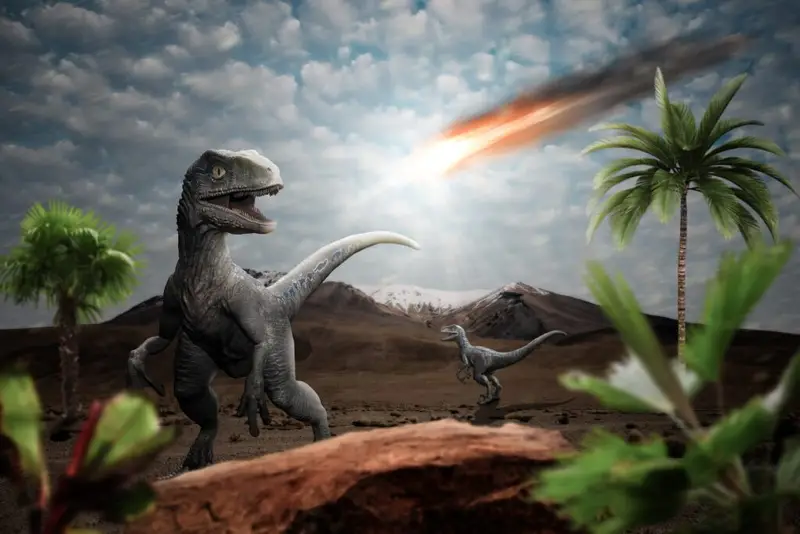
The fourth mass extinction occurred at the end of the Triassic period, clearing ecological space for dinosaurs to dominate. The fifth, perhaps the most famous, happened 66 million years ago when an asteroid impact contributed to the extinction of non-avian dinosaurs, along with many other forms of life. This event paved the way for mammals, and eventually humans, to flourish.
Each of these extinctions was caused by profound disruptions to Earth’s systems. Massive volcanic eruptions, rapid climate shifts, changes in sea level, and extraterrestrial impacts altered the conditions under which life had evolved. The key point is that these events were driven by forces largely beyond the control of living organisms themselves.
The question now confronting scientists is whether the current wave of biodiversity loss matches the criteria of a mass extinction, and if so, what is driving it.
What Makes the Present Different
Unlike previous mass extinctions, the potential sixth mass extinction would be unique in one crucial way. It would be the first caused primarily by a single species. Homo sapiens, a species that appeared only about 300,000 years ago, has become a planetary force capable of altering climate, reshaping landscapes, and influencing the fate of millions of other species.
Human population growth, technological advancement, and global economic systems have dramatically accelerated our impact on the biosphere. Forests are cleared, oceans are fished, rivers are dammed, and the atmosphere is altered at a pace that far exceeds most natural processes. These changes are not happening in isolation. They interact, amplify one another, and push ecosystems beyond thresholds they evolved to withstand.
What distinguishes the present moment is not just that species are going extinct, but that they are doing so at rates far higher than what scientists consider the natural background rate of extinction. The background rate represents the typical pace at which species disappear due to natural causes, such as competition, environmental change, or random events. When extinction rates spike far above this baseline across many groups of organisms, alarm bells begin to ring.
Measuring Extinction in a Living World
One of the challenges in assessing whether we are in a mass extinction is that we are living through it, not studying it solely through fossils millions of years later. This creates both opportunities and difficulties. On one hand, we can directly observe populations declining, habitats shrinking, and species vanishing. On the other hand, we lack the complete perspective that deep time provides.
Scientists estimate extinction rates using a variety of methods, including documented species extinctions, population trends, and habitat loss. While there is uncertainty in these estimates, a consistent picture emerges. Many studies suggest that current extinction rates are tens to hundreds of times higher than background rates, and in some cases potentially much higher.
Documented extinctions, such as those recorded by conservation organizations, likely represent only a fraction of the true losses. Many species, especially insects, plants, and microorganisms, disappear before they are ever formally described. When a small, obscure species vanishes from a remote habitat, it often does so without fanfare or headlines, yet its loss still reverberates through the ecosystem it once supported.
Extinction is also the final stage of a process that begins much earlier. Long before a species disappears entirely, its populations may become fragmented, its genetic diversity reduced, and its ecological role weakened. From this perspective, extinction rates alone may underestimate the depth of the crisis.
Habitat Destruction as the Primary Driver
The most significant driver of modern biodiversity loss is habitat destruction. As human activities expand, natural landscapes are transformed into cities, farms, roads, and industrial zones. Forests are cut down for timber or agriculture. Wetlands are drained. Grasslands are converted into monoculture crops. Coral reefs are damaged by pollution and warming waters.
Habitat loss does not merely remove physical space. It disrupts complex networks of interactions that species depend on. When a forest is fragmented, animals may lose access to food, mates, or migration routes. Plants may lose the pollinators that enable them to reproduce. The web of life begins to unravel, often in ways that are difficult to predict.
Unlike some past extinction drivers, habitat destruction is ongoing and cumulative. It does not strike once and recede. It continues day after day, year after year, pushing species into smaller and more isolated pockets until survival becomes impossible.
Climate Change and a Rapidly Shifting World
Climate change adds another powerful layer to the extinction crisis. As greenhouse gas concentrations rise, global temperatures increase, weather patterns shift, and extreme events become more frequent. These changes affect ecosystems on land and in the oceans.
Many species are adapted to narrow climatic conditions. When temperatures rise or precipitation patterns change, they may be forced to migrate, adapt, or perish. Some species can move relatively quickly, tracking suitable conditions across landscapes. Others cannot. Plants, for example, may disperse slowly, especially in fragmented habitats. Species already confined to mountaintops, islands, or polar regions may have nowhere to go.
In the oceans, warming waters contribute to coral bleaching, a process that can kill entire reef systems. Ocean acidification, caused by the absorption of carbon dioxide, affects organisms that build shells and skeletons from calcium carbonate. These changes ripple through marine food webs, threatening fisheries and coastal communities as well as marine biodiversity.
Climate change differs from many past environmental shifts in its speed. The rate of change is exceptionally rapid compared to most natural climatic transitions in Earth’s history. This speed reduces the ability of species to adapt through evolution, increasing the risk of extinction.
Overexploitation and the Weight of Human Demand
Another major factor driving modern extinctions is overexploitation. Humans harvest wild species for food, medicine, materials, and trade. While sustainable use is possible, many populations are exploited faster than they can recover.
Overfishing has depleted numerous fish stocks worldwide. Large predators, which often reproduce slowly, are especially vulnerable. On land, hunting and poaching threaten mammals such as elephants, rhinoceroses, and large cats. Even plants are not immune, as rare species are collected for ornamental or medicinal purposes.
The global nature of modern markets amplifies this problem. A demand in one part of the world can drive exploitation in another, often far removed from regulatory oversight. As technology improves, even remote ecosystems become accessible, leaving fewer refuges for wildlife.
Invasive Species and the Unintended Consequences of Connection
Human activity has connected the world in unprecedented ways. Ships, planes, and trade networks move goods and people across continents daily. Along with them travel species that did not evolve together.
Invasive species can devastate ecosystems when introduced into new environments. Without their natural predators or competitors, they may spread rapidly, outcompeting native species for resources. Islands are particularly vulnerable, as their species often evolved in isolation and lack defenses against new predators or diseases.
The spread of invasive species is a reminder that extinction does not always result from dramatic events. Sometimes it emerges from subtle imbalances introduced by well-intentioned or accidental human actions.
The Silent Crisis of Freshwater and Soil
Extinction is not limited to charismatic animals or tropical rainforests. Freshwater ecosystems, including rivers, lakes, and wetlands, are among the most threatened on Earth. Dams, pollution, water extraction, and climate change alter these habitats, placing immense pressure on fish, amphibians, and invertebrates.
Soil ecosystems, though largely invisible, are equally vital. They support plant growth, store carbon, and host an astonishing diversity of organisms. Soil degradation through erosion, chemical pollution, and intensive agriculture undermines these functions, with consequences that extend far beyond individual species.
These less visible crises highlight a crucial aspect of the potential sixth mass extinction. It is not always loud or spectacular. Often, it unfolds quietly, beneath our feet or below the water’s surface.
Comparing Past and Present Extinction Rates
When scientists compare current extinction rates to those inferred from the fossil record, they find troubling parallels. While it is challenging to make direct comparisons, many analyses conclude that the pace of species loss today rivals or exceeds that of past mass extinctions, at least for certain groups.
One important distinction is that we may be in the early stages of a mass extinction rather than at its peak. Past events often unfolded over thousands or millions of years. If current trends continue, the cumulative losses over coming centuries could meet or exceed the thresholds used to define mass extinctions in the geological record.
This perspective reframes the question. The issue is not only whether we are currently in a mass extinction, but whether our actions will determine how severe it becomes.
The Emotional Weight of Loss
Extinction is not just a scientific concept. It is an emotional reality. Each species lost represents a unique evolutionary history that will never be repeated. It carries intrinsic value, independent of its usefulness to humans.
For many people, the idea of extinction evokes grief, even for species they have never seen. There is a sense of betrayal in realizing that a world rich in life, inherited from countless generations before us, may be diminished on our watch. This grief is often mixed with guilt, anger, and a feeling of helplessness.
Yet emotion can also be a source of motivation. The recognition of loss can sharpen our awareness of what is at stake and inspire efforts to protect what remains.
Is It Truly a Mass Extinction?
Among scientists, there is broad agreement that biodiversity is declining at an alarming rate. There is also ongoing debate about terminology. Some researchers argue that it is premature to label the current crisis a mass extinction, emphasizing that many species still survive and that outcomes are not yet fixed. Others contend that the evidence already meets the criteria, especially when considering population declines and projected future losses.
This debate is not merely semantic. Words shape perception, and perception shapes action. Calling the crisis a mass extinction underscores its severity and urgency. At the same time, acknowledging that we are in the midst of the process, rather than at its conclusion, emphasizes that there is still time to change course.
The Possibility of a Different Ending
One of the most profound differences between the current extinction crisis and past mass extinctions is awareness. Previous events unfolded without witnesses capable of understanding or responding to them. Today, we know what is happening, why it is happening, and what could potentially slow or reverse it.
Conservation efforts have already demonstrated that extinction is not inevitable. Protected areas, sustainable resource management, habitat restoration, and targeted species recovery programs have saved numerous species from the brink. These successes show that human impact does not have to be uniformly destructive.
However, addressing the broader drivers of extinction requires systemic change. It involves rethinking how we produce food, generate energy, design cities, and value nature. It demands cooperation across borders and generations, guided by both science and ethics.
What the Sixth Mass Extinction Means for Humanity
Humans are not separate from the web of life. We depend on ecosystems for food, water, climate regulation, and countless other services. As biodiversity declines, these systems become less resilient, more prone to collapse.
Beyond practical concerns, there is a deeper implication. Biodiversity shapes cultures, stories, and identities. The loss of species impoverishes not only ecosystems but human imagination. A world with fewer birds, fewer wild places, and fewer forms of life is a world diminished in ways that cannot be fully measured in economic terms.
Standing at a Crossroads in Deep Time
When future scientists, if they exist, look back at this period, they will see it as a moment of extraordinary consequence. Whether it is ultimately labeled the sixth mass extinction will depend on what happens next. The trajectory is not fixed. It is being shaped, day by day, by choices made by individuals, communities, and nations.
We are the first species capable of understanding mass extinction while it is happening. That awareness carries a heavy burden, but also a unique responsibility. The story of life on Earth has been shaped by chance, catastrophe, and resilience. For the first time, it is also being shaped by intention.
The question “Are we living through the sixth mass extinction?” is not only a scientific inquiry. It is a moral and existential one. It asks who we are, how we see our place in nature, and what kind of legacy we wish to leave behind. In answering it, we are not merely observing history. We are writing it.