Plague was already a highly lethal disease 5,500 years ago, striking small hunter-gatherer communities in East Siberia long before the rise of cities and large-scale agriculture. Ancient DNA recovered from human remains shows that early strains of the plague bacterium infected nearly 40% of individuals studied, challenging long-held assumptions that the disease only became deadly after evolving later transmission mechanisms.
For centuries, plague has been linked to crowded medieval cities, rat infestations, and devastating epidemics that reshaped human history. But new evidence suggests the disease’s deadly legacy began much earlier—and in a setting few would expect.
Researchers analyzing ancient human remains from East Siberia have uncovered compelling evidence that plague was already killing people thousands of years before urban life emerged. The findings, published in Nature, reveal that prehistoric hunter-gatherer groups living around Lake Baikal experienced lethal plague outbreaks roughly 5,500 years ago.
Ancient DNA Unlocks a Hidden Chapter of Plague History
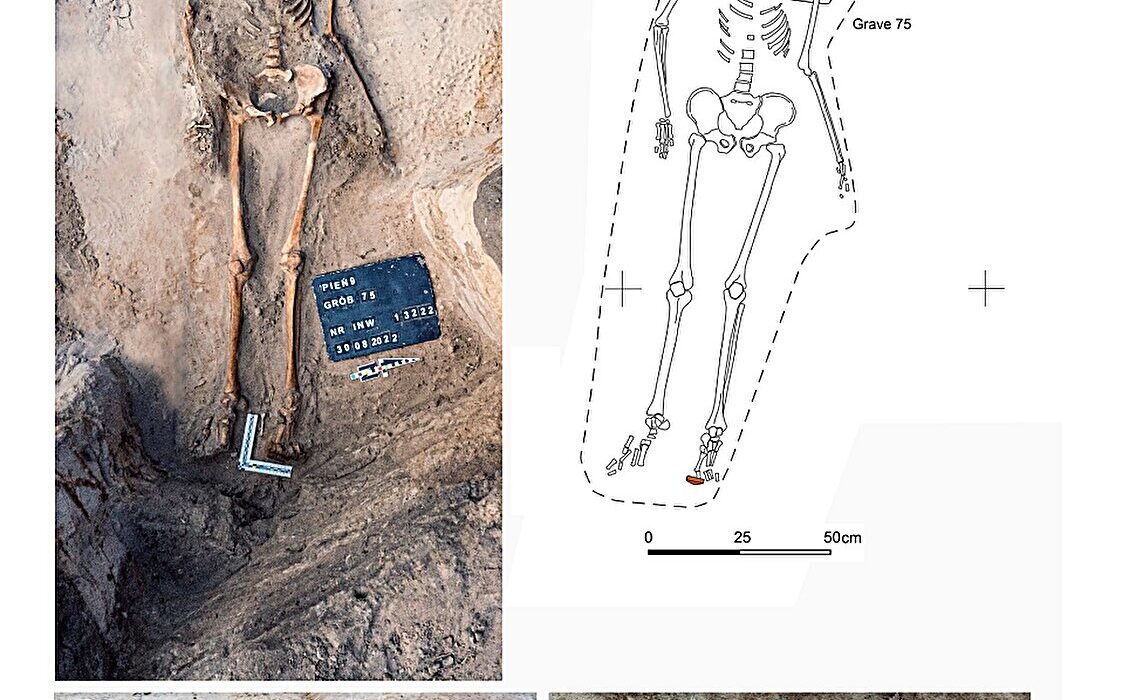
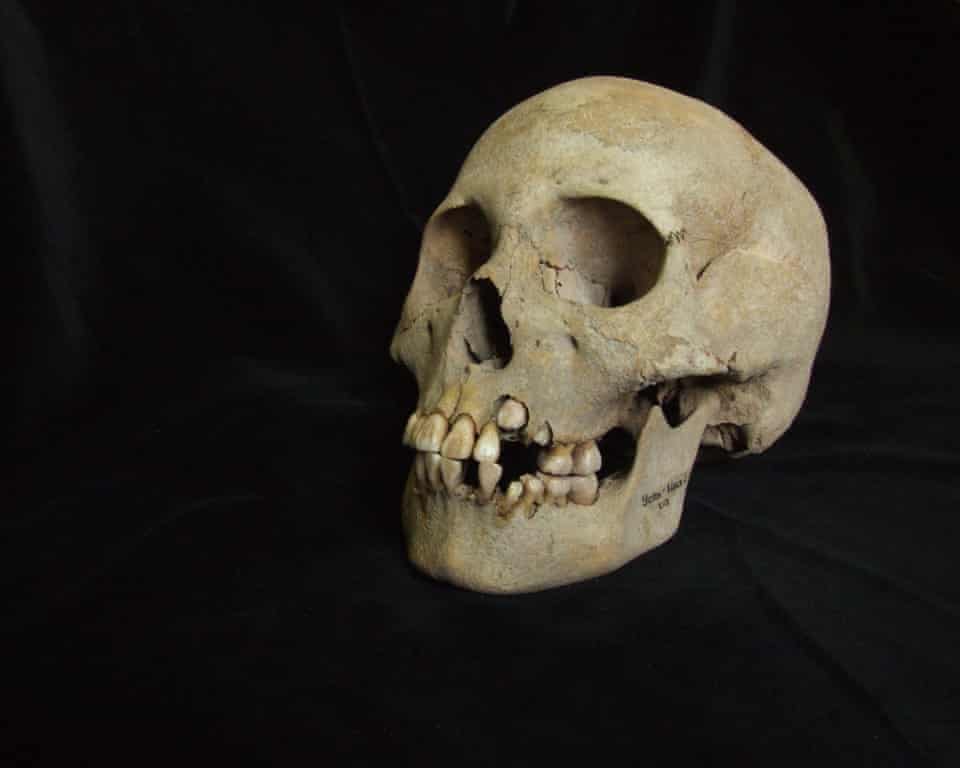
An international team of scientists examined ancient DNA preserved in the teeth of individuals buried in four hunter-gatherer cemeteries in the Lake Baikal region.
Using advanced DNA sequencing methods, the researchers reconstructed ancient genomes of Yersinia pestis, the bacterium responsible for plague. The analysis revealed previously unknown early strains of the pathogen and provided an unusually detailed picture of how outbreaks affected prehistoric communities.
According to senior author Eske Willerslev, debate has long surrounded the severity of the earliest forms of plague. The new evidence indicates that these ancient strains were not mild infections but were already capable of causing significant mortality.
Evidence of a Devastating Outbreak
The study combined genetic data with archaeological findings and radiocarbon dating to reconstruct events surrounding the ancient deaths.
Researchers detected Yersinia pestis DNA in 18 of 46 individuals, representing nearly 40% of the people examined. The proportion is remarkably high and exceeds detection rates reported from some medieval plague burial sites.
The data also revealed striking patterns within the cemeteries. Many burials occurred within a relatively short period, suggesting concentrated episodes of mortality rather than deaths spread across generations.
In several cases, close relatives—including siblings and parent-child pairs—appeared to have died and been buried together. These family connections, combined with the timing of the burials and the presence of plague DNA, helped researchers reconstruct the likely course of the outbreaks.
Lead author Ruairidh Macleod said the combination of plague DNA, genetic relationships among victims, archaeological analysis, and radiocarbon dating allowed the team to build a clear picture of what happened during these prehistoric disease events.
Mystery of the Children Finally Explained
One of the most puzzling features of the cemeteries had troubled archaeologists for decades.
The two largest burial sites contained an unusually large number of children and young teenagers among the dead. Researchers had struggled to explain why so many young individuals appeared in the graves and why so many burials seemed to cluster within a short period.
The new findings offer a potential answer.
Archaeologist Andrzej Weber, principal investigator of the Baikal Archaeology Project, noted that the unusual concentration of children had remained unexplained since the 1990s. The discovery that plague was likely responsible provides an explanation that fits both the mortality pattern and the archaeological evidence.
The results suggest that children may have been especially vulnerable during these ancient outbreaks.
Challenging Previous Ideas About Early Plague
Earlier research had suggested that the first strains of Yersinia pestis lacked some of the genetic features that later enabled bubonic plague to spread efficiently through fleas and rodent hosts.
Because of this, many scientists believed early plague strains were unlikely to trigger major outbreaks.
The new study challenges that view.
Even without the genetic traits associated with later flea-borne transmission, the ancient strains appear to have been capable of causing severe disease and widespread death within human populations.
The evidence indicates that highly lethal plague outbreaks occurred before the bacterium evolved the transmission mechanisms commonly associated with historical pandemics.
A Unique Genetic Factor May Explain the Severity
One of the most significant discoveries involved a previously unknown genetic feature found in the ancient plague strains.
Researchers identified a unique superantigen, a toxin-producing genetic factor absent from historic plague strains.
Superantigens are known to trigger extreme immune responses and can lead to severe inflammatory complications. The researchers believe this feature may have increased the severity of infection and contributed to the high mortality observed in the prehistoric communities.
Senior author Martin Sikora said the finding changes how scientists view the earliest plague outbreaks. According to the researchers, these ancient strains may have possessed a powerful combination of disease-causing factors that made infections highly lethal even before efficient flea-borne transmission evolved.
Tracing the Possible Origins of Plague
The findings also provide clues about where plague may have first emerged.
The study supports the idea that plague may have originated in Central or North-East Asia before spreading across Eurasia through wild rodent populations.
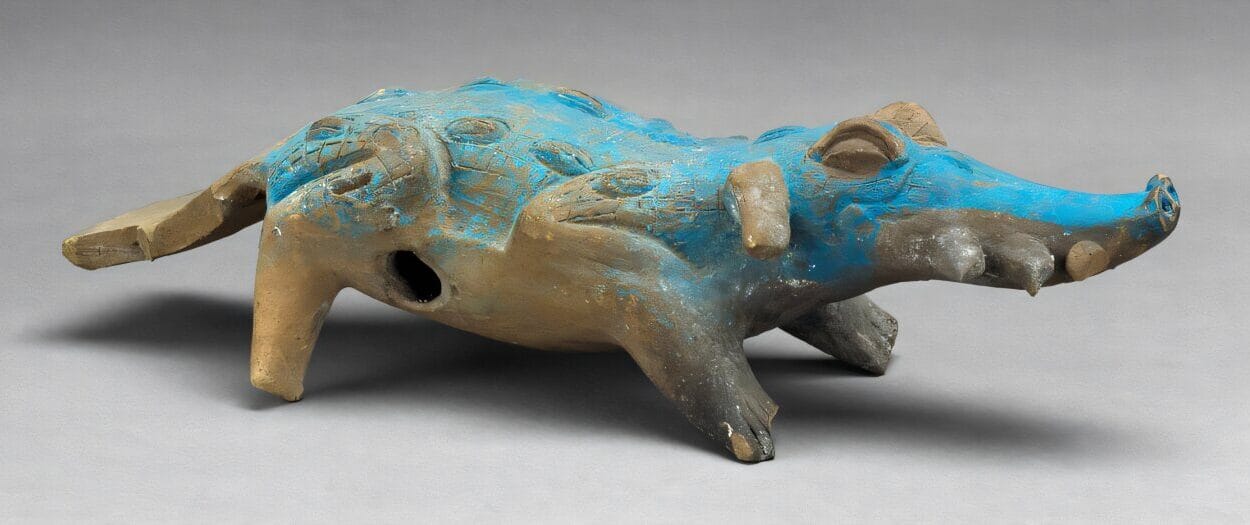
Archaeological evidence indicates that the hunter-gatherers living around Lake Baikal interacted closely with marmots, large burrowing rodents that continue to carry plague today.
Researchers suggest that the outbreaks may have begun when infected marmots transmitted the disease directly to humans. This scenario could explain how plague circulated among small mobile communities long before the emergence of dense urban populations.
Why This Matters
This research fundamentally reshapes the timeline of one of humanity’s most notorious diseases. Rather than emerging as a major killer only after cities and agriculture transformed human society, plague appears to have been causing deadly outbreaks thousands of years earlier among small hunter-gatherer groups.
The discovery shows that highly lethal plague strains existed at least 5,500 years ago, affecting entire families and disproportionately impacting children. It also demonstrates that the disease did not need the later flea-borne transmission system associated with historic pandemics to inflict devastating losses.
By combining ancient DNA, archaeology, and radiocarbon dating, researchers have uncovered a previously hidden chapter in the history of infectious disease—one that reveals plague was already a formidable human threat long before the world’s first cities ever appeared.