Skip to content
Science News Today
Biology
Physics
Chemistry
Astronomy
Health and Medicine
Psychology
Earth Sciences
Archaeology
Technology
Category:
Physics
What Is a Photon? The Quantum Particle of Light
The Physics of Everyday Life: How the World Around You Works
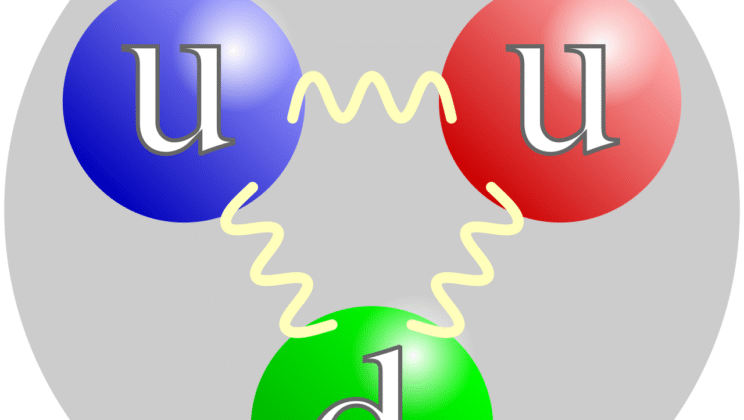
What Are Quarks? Building Blocks of Everything
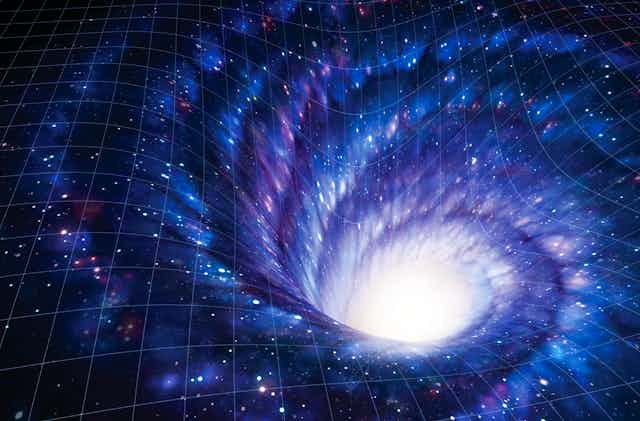
What Is a Wormhole? A Physics Perspective on Sci-Fi Portals
Can Anything Go Faster Than Light?
The Science of Sound: Physics of Vibrations and Waves
What Is Chaos Theory? Predicting the Unpredictable
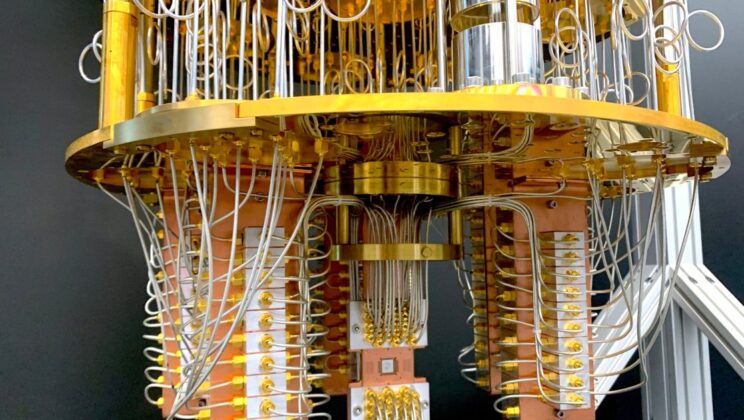
What Is a Quantum Computer? Physics Meets Computing
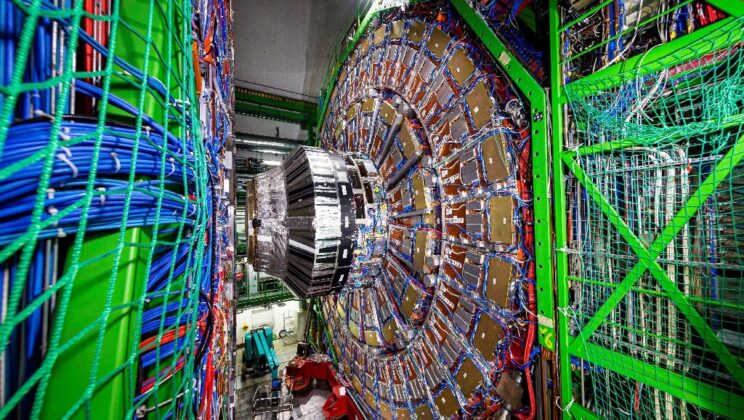
How the Large Hadron Collider Works: Smashing Particles for Science
The Physics Behind Rainbows and Other Light Phenomena
What Are Neutrinos? Ghost Particles That Pass Through You
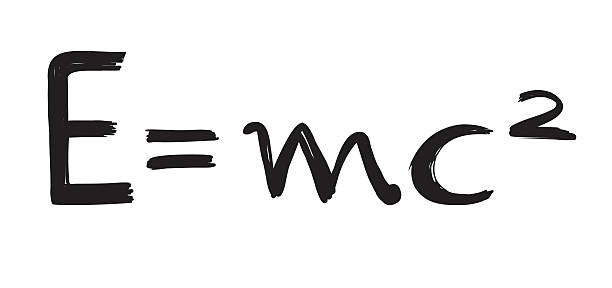
Why E=mc² Matters: The Most Famous Equation Explained
Understanding Time Dilation: Why Time Moves Differently in Space
What Is Quantum Entanglement? Einstein Called It “Spooky Action at a Distance”
Could the Universe Be a Simulation? The Physics Behind the Hypothesis
What Is a Wave Function in Quantum Physics?
How Do Magnets Work? The Physics Behind Magnetism
Is Reality an Illusion? Physics and the Nature of Perception
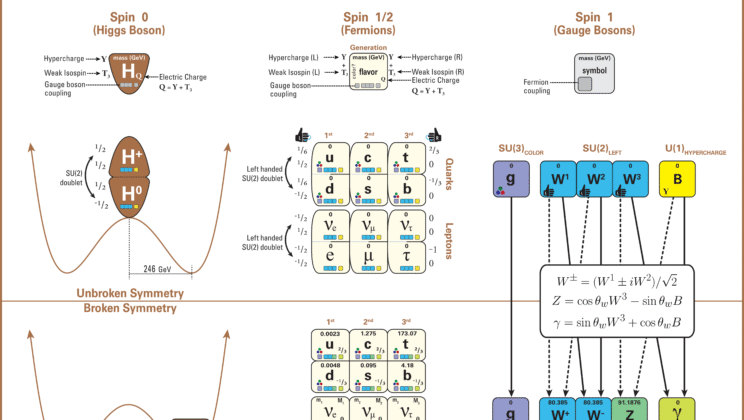
What Is the Standard Model of Physics? A Guide to Everything
The Speed of Light: Why It’s the Ultimate Speed Limit
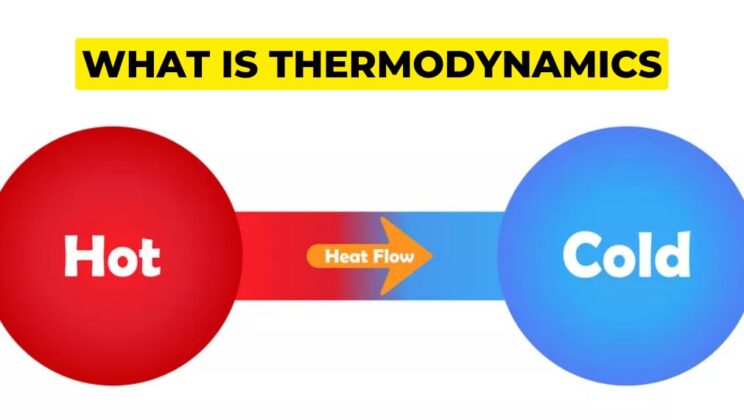
Thermodynamics for Beginners: The Laws That Rule Energy
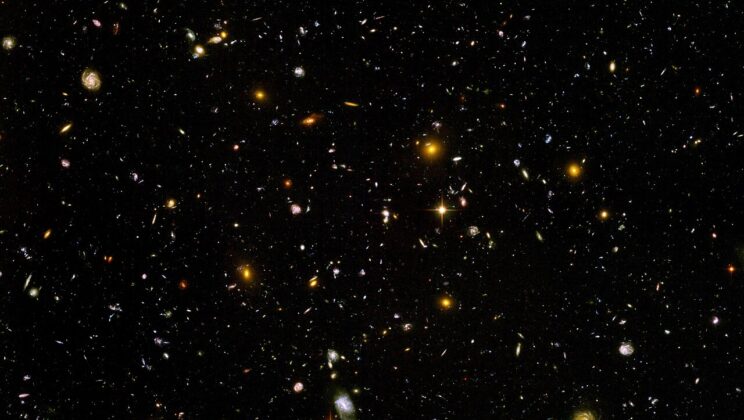
How Does the Universe Work? A Physics Perspective
The Mystery of Antimatter: Where Did It All Go?
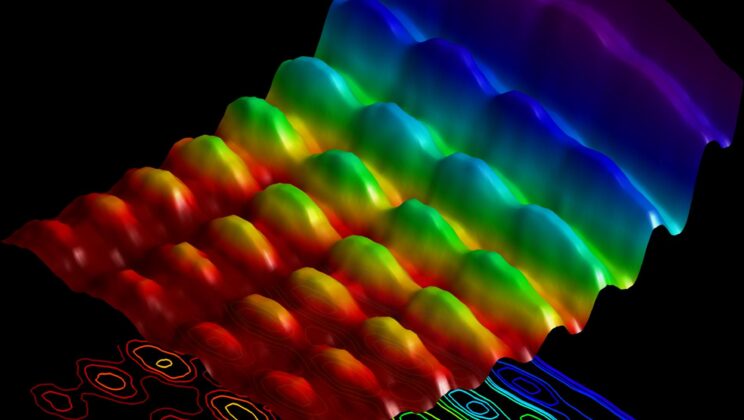
The Science of Light: Why Photons Are Both Particles and Waves
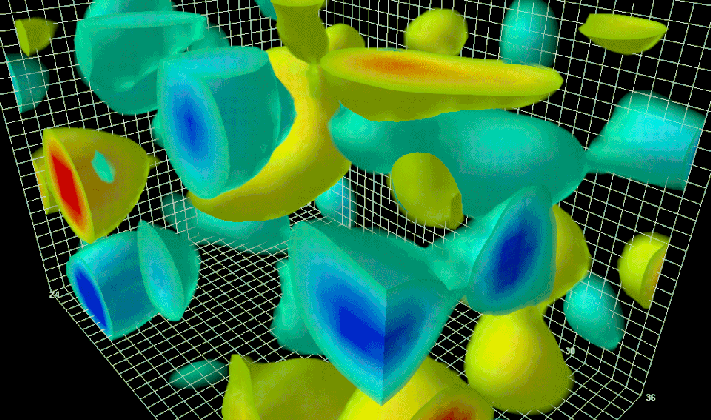
What Is a Quantum Field? Understanding the Fundamental Nature of Reality
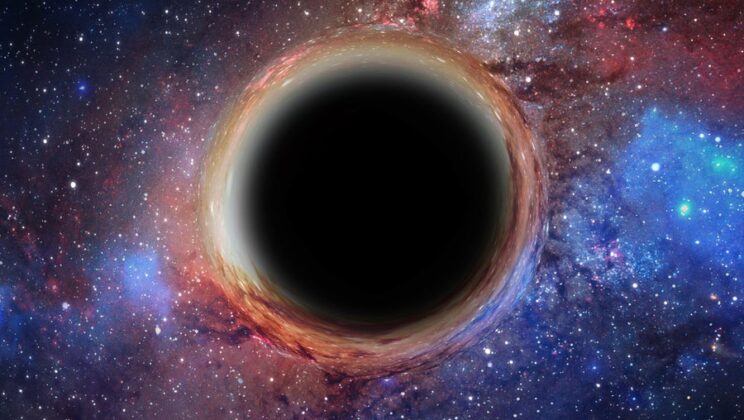
How Black Holes Work: The Physics Behind Nature’s Monsters
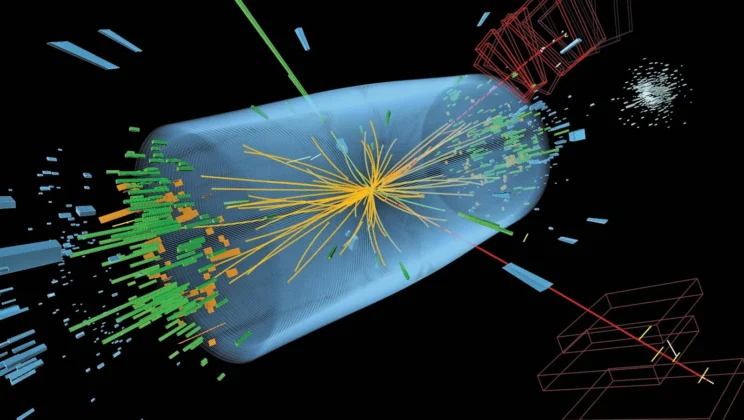
Understanding the Higgs Boson: What Is the God Particle?
Why Time Moves Forward: The Physics of the Arrow of Time
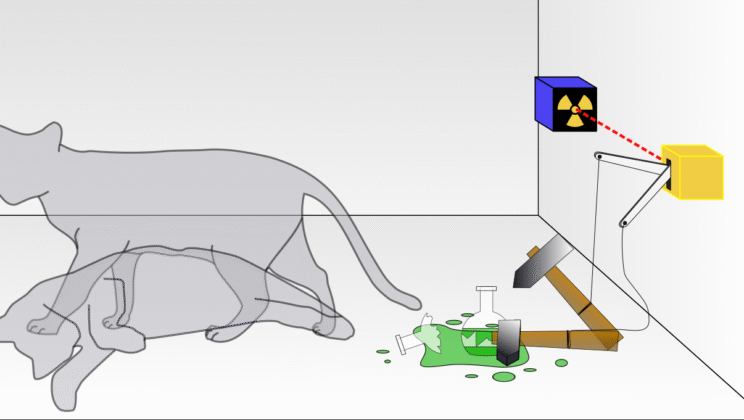
Schrödinger’s Cat Explained: Quantum Mechanics and Paradoxes
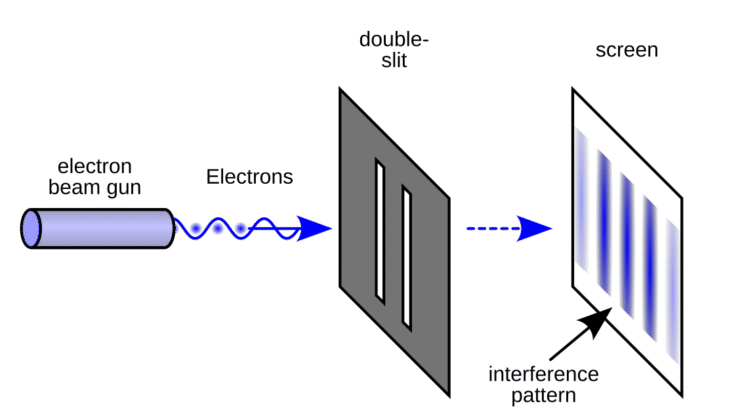
The Double-Slit Experiment: How Physics Proves Observation Changes Reality
Posts pagination
←
Previous
1
…
12
13
14
15
16
…
18
Next
→