Water has always carried a certain reputation in health culture. It is the one habit everyone seems to agree on, the one advice repeated so often that it feels almost sacred: “Drink more water.” People say it clears your skin, boosts your energy, detoxes your body, and—perhaps most famously—helps you lose weight.
But does it really?
Weight loss is a complex biological process influenced by calories, hormones, appetite, physical activity, sleep, stress, and genetics. So the idea that something as simple as drinking more water could make a measurable difference sounds too good to be true. Yet science does suggest that water can support weight loss in several ways—though not in the magical, effortless manner often promised online.
The truth is more interesting than the myth. Water is not a fat-burning potion. But it can influence the body in ways that make losing weight easier, especially when used strategically.
The Basic Question: Can Water Directly Burn Fat?
The first thing science makes clear is that drinking water does not directly “melt fat” in the way many people imagine. Fat loss happens when your body is in a calorie deficit, meaning you burn more energy than you consume. When that happens consistently, the body begins breaking down stored fat to meet its energy needs.
Water contains zero calories, which makes it a smart beverage choice, but it does not automatically force the body to burn fat. It is not a metabolism hack that bypasses diet and exercise.
However, water plays a critical role in fat metabolism. Your body requires water for nearly every chemical reaction, including those involved in breaking down stored fat. If you are dehydrated, many bodily processes become less efficient. That does not mean dehydration stops fat loss completely, but it can affect performance, energy levels, and appetite control, which indirectly influences weight.
So water is not a direct fat burner, but it can support the systems that make fat loss possible.
How Water Might Help With Weight Loss
Water affects weight loss mainly through behavior and physiology. It can help you eat less, reduce calorie intake from drinks, and support exercise performance. In some cases, it may slightly increase energy expenditure.
This is where the science becomes meaningful.
Drinking more water is not about triggering some hidden fat-burning mechanism. It is about creating conditions where eating fewer calories becomes easier and maintaining healthier habits becomes more realistic.
Water and Appetite: Why Feeling “Hungry” Is Sometimes Thirst
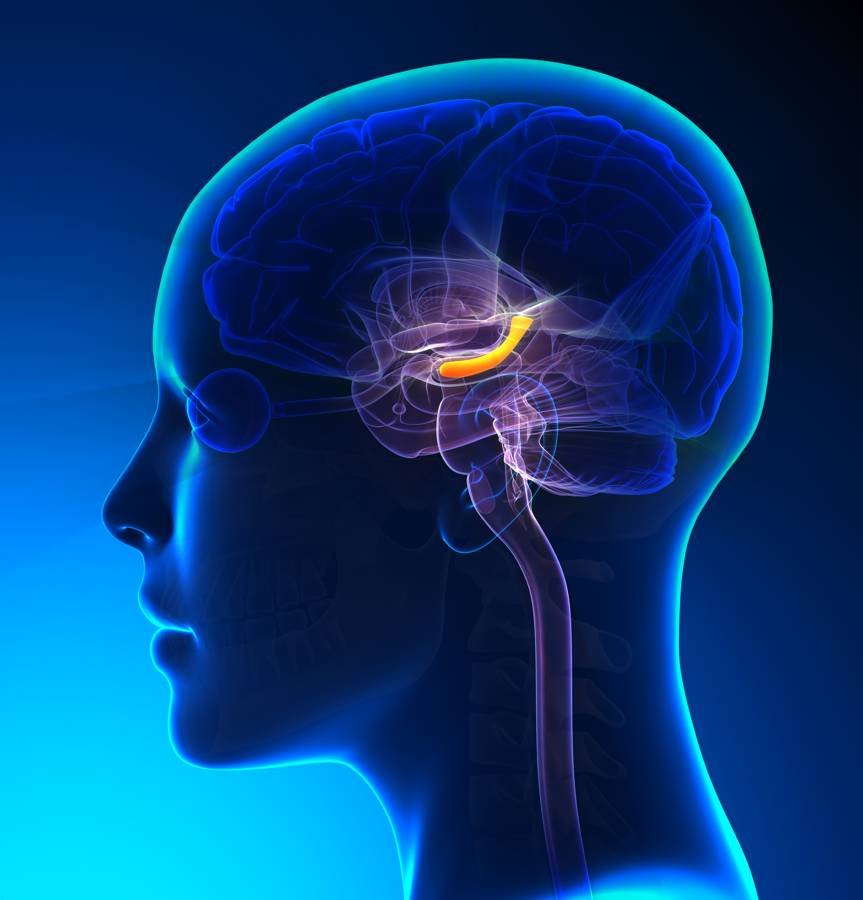
The human brain is not always good at distinguishing between thirst and hunger. Both sensations originate from the hypothalamus, the region of the brain responsible for regulating many survival signals. Mild dehydration can sometimes produce feelings that resemble hunger, fatigue, or cravings.
This can lead to unnecessary snacking, especially in people who already struggle with appetite control. Drinking water may reduce this confusion and help people recognize when they truly need food versus when they simply need fluids.
This effect is not guaranteed, but it is common enough that many nutrition professionals recommend drinking water first if you suddenly feel hungry shortly after eating.
It is not a trick. It is simply a biological reality: thirst and hunger signals overlap.
Drinking Water Before Meals: What Research Suggests
One of the most well-supported claims about water and weight loss is that drinking water before meals may help reduce calorie intake, especially in middle-aged and older adults.
When you drink water before eating, your stomach becomes partially filled. This can increase feelings of fullness and reduce how much food you consume during the meal. The effect is not dramatic, but it can be meaningful over time. A small reduction in daily calories, repeated consistently, can contribute to weight loss.
However, this strategy does not work equally well for everyone. Some younger adults show less appetite reduction from pre-meal water consumption, possibly due to differences in gastric emptying rates, metabolism, or appetite regulation.
Still, the general scientific conclusion is that drinking water before meals may help reduce food intake in some people, making it a useful weight-loss tool.
It is not a replacement for portion control or healthy eating, but it can be a supportive habit.
Water as a Replacement for High-Calorie Drinks
Perhaps the most obvious way water supports weight loss is by replacing beverages that contain calories.
Sugary sodas, sweetened coffees, energy drinks, juice, and even many flavored teas can quietly add hundreds of calories per day. Liquid calories are particularly problematic because they do not always trigger the same fullness signals as solid food. People often consume them without feeling like they have eaten anything.
When you swap these drinks for water, your calorie intake may drop significantly without changing your food habits at all.
This is one of the simplest and most effective weight-loss strategies supported by science: reducing calorie intake by eliminating sugar-sweetened beverages.
Water does not cause weight loss by itself, but it becomes powerful when it replaces something that causes weight gain.
Does Drinking Water Increase Metabolism?
Some studies suggest that drinking water may slightly increase energy expenditure, a phenomenon sometimes called water-induced thermogenesis. The idea is that the body uses energy to warm the water to body temperature and process it.
The metabolic increase observed in research is typically small and not enough to cause major fat loss on its own. Even if metabolism rises temporarily, the calorie burn is modest.
In practical terms, drinking water is not a significant metabolism booster in the way exercise or muscle gain is. But the effect may exist at a minor level, and over long periods, small advantages can add up.
Still, relying on water alone to increase metabolism is unrealistic. If weight loss occurs, it is far more likely due to reduced calorie intake and improved appetite control than to thermogenesis.
Water and Exercise: The Weight Loss Connection
Water plays a major role in exercise performance, and exercise is one of the strongest tools for maintaining a calorie deficit and protecting muscle mass during weight loss.
When you are dehydrated, your blood volume decreases, your heart works harder, and your body struggles to regulate temperature efficiently. Even mild dehydration can reduce endurance, strength, and overall performance. You may feel tired sooner, sweat less effectively, and experience headaches or dizziness.
This matters because if you feel weak during workouts, you may train less intensely or stop exercising altogether. Over time, that reduces calorie expenditure and slows progress.
Proper hydration does not directly burn more fat, but it helps you maintain the energy and physical capacity needed to stay active. It also improves recovery and reduces the risk of overheating.
For people using exercise as part of a weight-loss plan, hydration is not optional. It is foundational.
Water Retention: Why Drinking More Can Temporarily Increase Weight
Here is the part that confuses many people.
Some individuals start drinking more water and then notice the scale goes up. This can feel discouraging, but it does not mean water is making them gain fat.
Body weight is influenced by many factors, including water stored in tissues, glycogen levels, sodium intake, digestion, inflammation, and hormones. If you drink more water than usual, your body may temporarily retain more fluid as it adjusts. This is especially common if your sodium intake is high.
Also, if you increase carbohydrate intake, your body stores more glycogen in muscles and the liver. Glycogen binds to water, meaning more carbs can lead to more stored water weight.
This is why short-term scale changes can be misleading. Fat loss happens slowly. Water weight can change in a single day.
In reality, drinking water is not stopping fat loss. It is simply affecting the number you see on the scale.
The Myth of “Detox” Weight Loss
A common claim is that drinking water “flushes toxins” and causes rapid weight loss. This idea is exaggerated and often misleading.
Your body already has highly effective detoxification systems: your liver, kidneys, lungs, and digestive tract. These organs continuously filter waste products and remove them through urine, stool, and sweat.
Water supports kidney function and helps maintain proper filtration. If you are dehydrated, waste removal becomes less efficient. But drinking excessive water does not supercharge detoxification beyond what your organs are built to do.
Many detox diets cause rapid weight loss because they reduce calories drastically or eliminate carbohydrates, leading to water loss through glycogen depletion. This is not the same as losing fat.
So while hydration is essential for normal bodily function, “detox weight loss” is more marketing language than scientific reality.
Can Water Reduce Cravings?
Cravings are influenced by many factors, including stress hormones, sleep deprivation, blood sugar fluctuations, habit patterns, and emotional triggers. Water does not eliminate cravings in a direct biological sense.
However, drinking water can sometimes reduce cravings indirectly. Many cravings occur when people are tired or slightly dehydrated, especially cravings for salty snacks. Drinking water can ease the physical discomfort that is misinterpreted as a need for food.
Also, the act of drinking water can create a pause between craving and action. That pause alone can be powerful. It gives the brain time to reconsider, especially if the craving is driven by habit rather than real hunger.
Water does not magically remove cravings, but it can reduce impulsive eating by helping people slow down and reset.
Cold Water vs Warm Water: Does Temperature Matter?
Some people claim that cold water burns more calories because the body must warm it. Technically, this is true. But the calorie burn is extremely small.
For example, warming a glass of cold water to body temperature requires energy, but the amount is nowhere near enough to produce noticeable weight loss. The difference is so minor that it is not worth focusing on.
Warm water is sometimes associated with digestion and comfort, but there is no strong evidence that warm water leads to more fat loss than cold water.
The best water temperature is simply the one you enjoy drinking consistently.
How Much Water Should You Drink for Weight Loss?
There is no single perfect number that applies to everyone. Water needs vary depending on body size, climate, physical activity, diet, and overall health.
A person who exercises intensely, sweats heavily, or lives in a hot environment will require more water than someone sedentary in a cool climate. A high-protein diet can also increase fluid needs because protein metabolism produces waste products that require water for elimination.
A commonly recommended approach is to drink enough water so that your urine is pale yellow most of the time. This is not a perfect method, but it is a practical indicator for most healthy adults.
For weight loss specifically, a helpful strategy is to drink water consistently throughout the day and consider having a glass before meals if overeating is a problem.
But drinking extreme amounts is unnecessary and potentially dangerous.
Can You Drink Too Much Water?
Yes. Although rare, drinking excessive amounts of water in a short period can cause a dangerous condition called hyponatremia, where sodium levels in the blood become too diluted. This can lead to confusion, nausea, seizures, and in severe cases, death.
This is not common in everyday life, but it can happen in extreme situations, such as endurance sports events where people drink large amounts of water without replacing electrolytes.
For most people, the body regulates thirst well. Drinking water regularly is healthy, but forcing yourself to drink huge volumes is not a smart strategy for weight loss.
More is not always better.
Water and Weight Loss Supplements: A Risky Combination
Some people combine heavy water consumption with appetite suppressants, diuretics, or fat-burning supplements. This can be risky. Many weight-loss products already stress the cardiovascular system or alter fluid balance. Adding excessive water or electrolyte imbalance can increase the danger.
The safest approach is to use water as a supportive tool alongside healthy nutrition and physical activity, not as part of an extreme plan.
Weight loss should improve your health, not gamble with it.
What the Best Science Really Suggests
When you strip away the hype, the scientific picture is clear.
Drinking more water can support weight loss, but mainly through indirect pathways. It can reduce calorie intake by increasing fullness, replacing high-calorie beverages, and improving exercise performance. It may also help regulate appetite and reduce mindless snacking, especially in people who confuse thirst with hunger.
But water does not override biology. It does not cancel out overeating. It does not compensate for an unhealthy diet. It does not melt fat on its own.
The strongest evidence supports water as a practical behavioral tool. It is most helpful when it changes what you consume and how much you eat, not because it triggers dramatic fat-burning mechanisms.
The Most Realistic Way to Use Water for Weight Loss
Water works best when it becomes part of a consistent lifestyle rather than a temporary trick.
If you drink water before meals, you may naturally eat less. If you replace sugary drinks with water, you may cut hundreds of calories without even feeling deprived. If you stay hydrated during exercise, you may push harder and recover faster. If you drink enough water throughout the day, you may feel less fatigued and more mentally clear, which can help you stay consistent with healthier choices.
This is the real power of water. It makes healthy habits easier to maintain.
Weight loss is rarely about one dramatic change. It is usually the result of small, repeated actions that add up over time.
Water is one of those actions.
Final Verdict: Can Drinking More Water Help You Lose Weight?
Yes, drinking more water can help with weight loss—but not in the way most people expect.
Water is not a fat-burning shortcut. It is a supportive tool that can reduce appetite, lower calorie intake, improve workout performance, and replace calorie-dense beverages. These effects are subtle, but they are scientifically grounded and meaningful when practiced consistently.
The science does not say water alone will make you lean. But it does say that hydration can make the process of losing weight smoother, more sustainable, and more successful.
In a world full of complicated diet rules and extreme promises, water stands out because it is simple, safe, and real.
Not a miracle.
Just a quiet advantage—available to everyone, every day.