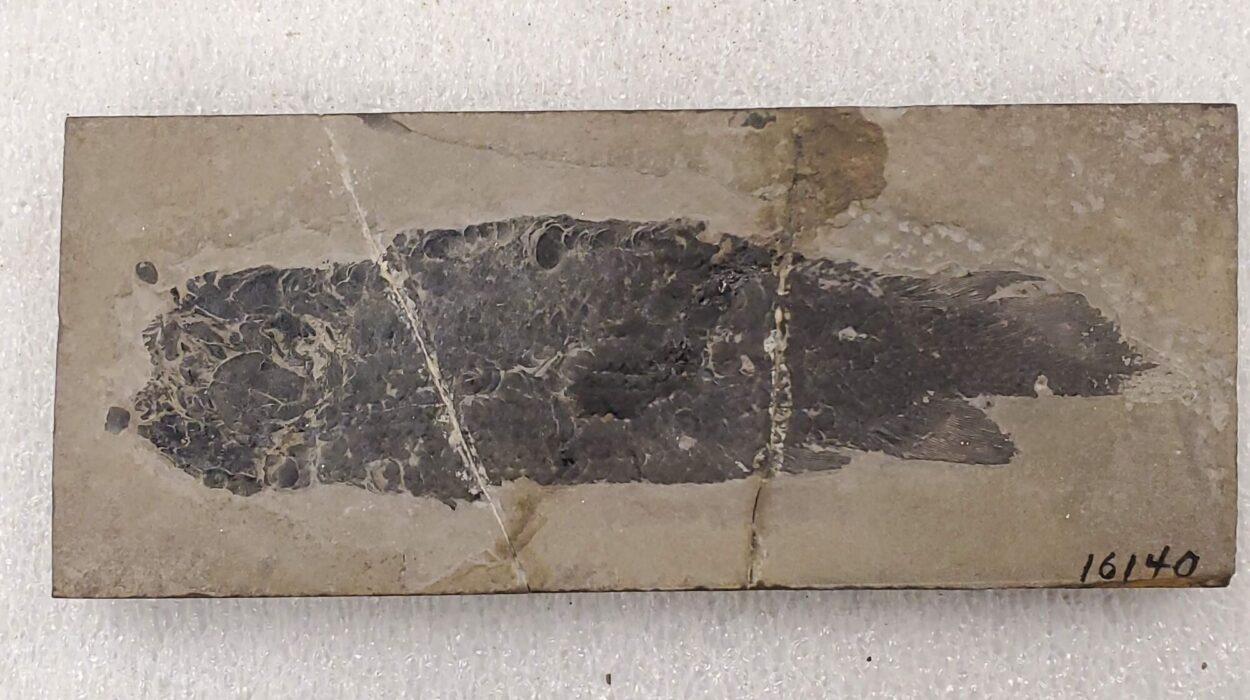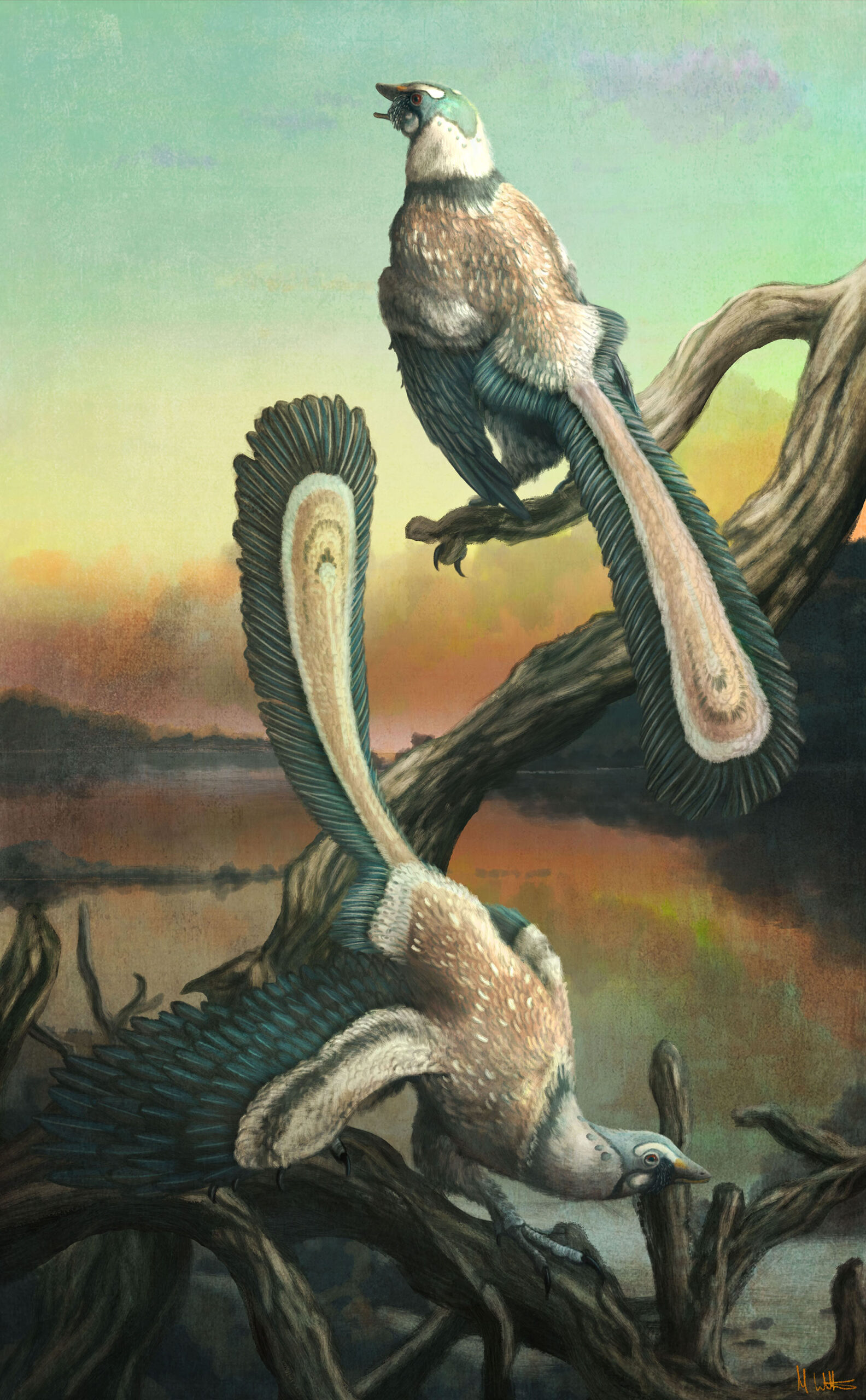
Archaeopteryx may have taken off through a sequence of two or three powerful jumps while flapping its wings, rather than the single leap used by modern birds. Computer modeling of the 150-million-year-old animal’s anatomy suggests its strong hind legs could have provided enough force to reach sustainable flight speed before its wings took over.
Why Archaeopteryx needed a different takeoff
Archaeopteryx has long posed a problem for scientists trying to understand how early birds first became airborne. The animal had feathers and wings, but it also retained several features associated with dinosaurs, including a long bony tail, claws on separate fingers and teeth in a jaw without a beak.
Its anatomy also limited the way it could use its wings during takeoff. Archaeopteryx lacked a keeled breastbone, or sternum, and its shoulder could not lift the wing above its back. That meant it could not depend on its wings alone to generate the force needed for a rapid launch.
Modern birds can reach the air with a single powerful jump. For Archaeopteryx, however, that would not have been enough, according to the new analysis.
The legs may have supplied the force
The researchers examined how Archaeopteryx’s legs could have contributed to takeoff. They combined computer modeling with observations of living birds, including gulls, magpies, crows and finches, and adjusted the model to match Archaeopteryx’s anatomy.
The analysis considered movement at the hip, knee and ankle as well as the capacity of the animal’s muscles. From those measurements, the researchers estimated how quickly Archaeopteryx could have left the ground.
Their results indicate that a midsize Archaeopteryx weighing about 400 grams, or 0.88 pounds, could have reached a sustainable flight speed of 7 meters per second, or 23 feet per second, using three bipedal leaps.
Another possible sequence involved two leaps separated by a downward wing flap.
In that scenario, the birdlike animal could have launched with a leap, flapped while moving downward, made another leap and then continued flapping to sustain flight.
Multiple hops are still seen in living birds
The researchers’ proposed takeoff is different from the single powerful jump commonly used by modern birds, but multiple-hop takeoffs are still observed in some living species.
Crows, magpies and gulls can use a sequence of hops as they become airborne. According to the researchers, these birds may use a single leap when startled, stressed or threatened, while using two or more leaps in other circumstances.
The study’s interpretation is that Archaeopteryx could likewise have used repeated leg-powered movements to solve the limitations imposed by its early flight anatomy. Its legs would have generated the force needed to leave the ground, after which its wings could take over for continued flight.
The researchers describe two possible sequences: three successive leaps followed by extensive flapping, or a leap followed by a wing flap, another leap and then further flapping.
Several other ideas for the first stages of flight in early birds have been proposed, including running uphill while flapping and launching into a glide from a tree or cliff. The researchers note that such mechanisms are difficult to test experimentally.
Their analysis instead focused on what Archaeopteryx’s anatomy could have allowed its legs and wings to accomplish during takeoff.
The study was published in Developmental Biology