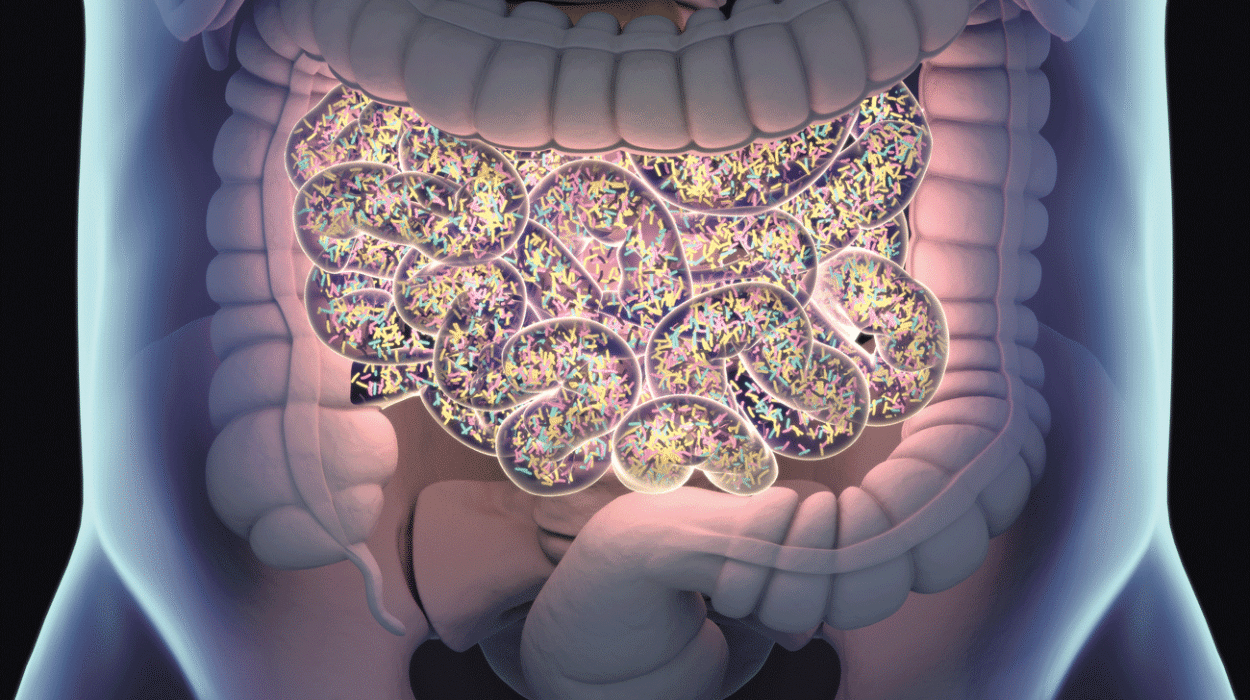
The human body is not a passive object waiting to be repaired from the outside. It is an active, intelligent system constantly scanning, correcting, rebuilding, and defending itself. Long before medicine, surgery, or technology existed, the body evolved extraordinary healing abilities that operate every second of our lives. Most of the time, we don’t notice them. Cuts close, bones knit, infections fade, and strength returns. Healing feels ordinary only because it happens so reliably.
But when you pause and look closely, the ways the body heals itself are nothing short of astonishing. They are complex, precise, and deeply emotional, because healing is not just about survival—it is about continuity, resilience, and hope. Below are nine incredible ways the body repairs and restores itself every day, often without us ever realizing the miracle unfolding within.
1. Blood Clots Seal Wounds in Seconds
The moment your skin breaks, an emergency response ignites. Blood rushes out, carrying oxygen and nutrients, but it cannot be allowed to escape unchecked. Within seconds, the body initiates a finely tuned process called hemostasis, designed to stop bleeding and begin repair.
Platelets, tiny cell fragments circulating in your blood, rush to the injury site and cling to exposed collagen fibers in the damaged vessel. They change shape, become sticky, and release chemical signals that call in more platelets. This rapidly forms a temporary plug. At the same time, a cascade of clotting proteins activates, weaving fibrin strands through the platelet mass to stabilize it into a clot.
What makes this process incredible is its balance. The body must stop bleeding quickly without blocking blood flow elsewhere. It must build a clot strong enough to protect the wound, yet temporary enough to be removed later. Once healing advances, enzymes dissolve the clot so normal circulation can resume.
This process happens so smoothly that most minor cuts stop bleeding in minutes. Behind that simplicity is one of the most complex biochemical sequences in human biology, refined over millions of years to save lives.
2. Skin Regenerates Itself Again and Again
Your skin is your first line of defense against the outside world, and it is under constant assault. Sunlight, bacteria, friction, cuts, and chemicals all threaten its integrity. To survive, the skin must heal not once, but continuously.
The outermost layer of skin is made of dead cells packed with keratin. Beneath it, living cells divide relentlessly. New skin cells are born deep in the epidermis and slowly migrate upward, changing shape and function along the way. By the time they reach the surface, they are tough, flattened, and ready to protect. Eventually, they shed away, replaced by newer cells beneath.
When skin is injured, this process accelerates dramatically. Cells at the wound’s edge loosen their attachments and crawl across the gap. Blood vessels expand to deliver oxygen and nutrients. Immune cells arrive to prevent infection. Fibroblasts lay down collagen to rebuild structure.
Remarkably, skin can often heal without leaving a trace. Even when scars form, they represent a compromise between speed and perfection. The body prioritizes sealing the wound quickly over restoring the original architecture exactly. Healing skin is a living example of how the body values survival first, refinement later.
3. Bones Rebuild Stronger Than Before
Bones appear rigid and permanent, but they are among the most dynamic tissues in the body. When a bone fractures, the healing process that follows is one of the most impressive feats of self-repair in human biology.
Immediately after a break, blood vessels rupture, forming a clot around the fracture. This clot becomes the foundation for healing. Inflammatory cells arrive, clearing debris and signaling repair. Specialized cells called osteoblasts begin producing new bone material, while others called chondroblasts create a soft cartilage bridge known as a callus.
Over time, this soft callus hardens as minerals are deposited, forming new bone. The structure is initially thick and uneven, but the body is not finished. Through a process called remodeling, excess bone is gradually removed, and stress lines guide the reshaping of the bone to match its original strength and form.
A healed bone is often temporarily stronger at the fracture site than it was before breaking. This is the body learning from damage, reinforcing weak points. Bone healing demonstrates the body’s remarkable ability not only to repair but to adapt and improve.
4. The Immune System Hunts and Destroys Invaders
Every day, your body is exposed to countless pathogens—bacteria, viruses, fungi, and parasites seeking entry. Most never make you sick because your immune system identifies and eliminates them before you notice.
The immune response begins with innate defenses. Skin and mucous membranes block entry. Stomach acid destroys microbes. When invaders slip through, immune cells like macrophages engulf and digest them. These cells also act as messengers, alerting the rest of the immune system to the threat.
If an infection persists, the adaptive immune system takes over. Specialized cells called lymphocytes recognize specific molecular signatures on the invader. Some produce antibodies that bind to the pathogen, marking it for destruction. Others directly kill infected cells, stopping the spread.
What makes immune healing extraordinary is memory. Once the immune system defeats a pathogen, it often remembers it for years or even a lifetime. Future encounters trigger faster, stronger responses, sometimes eliminating the threat before symptoms arise.
This invisible war is fought constantly. Healing from infection is not passive recovery but the result of coordinated cellular intelligence operating at astonishing speed and precision.
5. The Liver Regrows Lost Tissue
Among all human organs, the liver possesses a healing ability that seems almost mythical. It is the only solid organ capable of regenerating significant portions of itself.
If part of the liver is removed due to injury or surgery, the remaining tissue does not simply work harder—it grows. Liver cells re-enter the cell cycle, dividing rapidly until the organ regains its original mass. This regeneration restores function without needing the original anatomical shape.
The process is tightly regulated. Growth factors and signaling molecules ensure that regeneration stops once the correct size is reached. Unlike cancer, which involves uncontrolled growth, liver regeneration is precise and purposeful.
This ability evolved because the liver performs vital tasks: detoxifying blood, producing proteins, storing nutrients, and regulating metabolism. Losing liver function would be fatal, so evolution favored a powerful self-repair mechanism.
The liver’s regenerative capacity stands as one of the most dramatic examples of the body’s commitment to self-preservation.
6. The Gut Repairs Its Lining at Lightning Speed
The lining of your digestive tract is one of the most fragile yet resilient tissues in the body. It must absorb nutrients while preventing harmful substances and bacteria from entering the bloodstream. To do this, it relies on rapid turnover.
Cells lining the intestines live only a few days before being replaced. This constant renewal allows the gut to heal quickly from damage caused by stomach acid, digestive enzymes, toxins, or mechanical stress.
When injury occurs, stem cells located in intestinal crypts divide rapidly, producing new cells that migrate to cover damaged areas. Tight junctions between cells are restored to maintain the barrier. Immune cells in the gut-associated lymphoid tissue monitor for infection during the process.
This rapid healing is essential. A compromised gut lining can allow bacteria into the bloodstream, triggering widespread inflammation. The gut’s ability to repair itself swiftly is a quiet guardian of overall health, working tirelessly behind the scenes.
7. Nerves Can Partially Regrow and Rewire
For a long time, scientists believed that nerve cells could not regenerate. While it is true that the brain and spinal cord have limited repair capacity, the peripheral nervous system—the network of nerves outside the brain and spinal cord—can heal in remarkable ways.
When a peripheral nerve is damaged, the segment beyond the injury degenerates. But the nerve cell body remains alive. Supporting cells called Schwann cells form a guiding tunnel along the original nerve path. The nerve fiber then slowly regrows through this tunnel, reconnecting with its target tissue.
This regrowth is slow, often taking months, but it can restore sensation and movement. Even in the brain, some rewiring is possible through neuroplasticity. When neurons are lost or damaged, neighboring cells can sometimes reorganize, forming new connections that compensate for lost functions.
This ability underlies recovery after strokes, injuries, and learning itself. The nervous system’s capacity to adapt and heal, though limited, reflects the brain’s incredible flexibility and resilience.
8. Muscles Repair and Grow After Damage
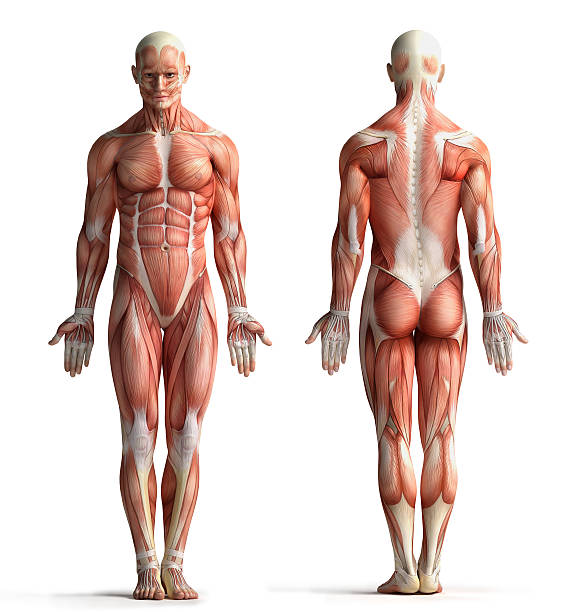
Every time you exercise, especially during strength training, you create microscopic tears in your muscle fibers. This damage might sound harmful, but it is the very signal that triggers muscle growth and healing.
After injury, immune cells clear damaged tissue and release growth factors. Muscle stem cells, known as satellite cells, activate and fuse with existing muscle fibers, repairing and strengthening them. The result is muscle that is thicker, stronger, and better adapted to handle future stress.
This process explains why muscles grow with use and shrink with disuse. Healing is not just about restoration; it is about adaptation. Muscles remember the demands placed upon them and respond accordingly.
Muscle healing is also deeply emotional for athletes, patients in rehabilitation, and anyone reclaiming strength after illness. It embodies the body’s ability to rise from strain and emerge more capable than before.
9. The Brain Heals Emotionally Through Chemistry and Connection
Not all healing is visible. The brain heals emotional wounds through intricate chemical and structural changes that are just as real as physical repair.
After trauma, stress hormones flood the brain, altering neural circuits. Over time, the brain can recalibrate. Neurotransmitters like serotonin, dopamine, and oxytocin help regulate mood, motivation, and bonding. New neural connections form as experiences are processed and integrated.
Sleep plays a vital role in this healing. During deep and REM sleep, the brain reorganizes memories, dampens emotional intensity, and restores balance. Social connection also triggers healing chemistry, reinforcing safety and belonging.
This form of healing is slower and more fragile than physical repair, but it is profound. The brain’s ability to adapt, find meaning, and regain equilibrium after emotional injury is one of the most powerful examples of self-healing in the human body.
The Quiet Miracle Happening Every Day
Healing is not an event—it is a constant state. Even as you read these words, cells are dividing, tissues are repairing, and systems are recalibrating. The body does not wait for catastrophe to begin healing; it maintains itself continuously, correcting errors before they become visible.
What makes this truly incredible is that most of it happens without conscious effort. You do not command your blood to clot, your bones to rebuild, or your immune cells to attack. Healing is written into your biology, a silent promise embedded in every cell.
Understanding these processes fosters not only scientific appreciation but emotional awe. The body is not fragile by default; it is resilient by design. It bends, breaks, repairs, and adapts, carrying the wisdom of evolution within its tissues.
To be human is to be self-healing—not perfectly, not endlessly, but persistently. And in that persistence lies one of the greatest wonders of life itself.