For most of human history, genetic diseases felt like fate. If a child was born with a broken gene, medicine could only manage symptoms, ease pain, or slow decline. The root cause—the DNA itself—was untouchable, written in a molecular language no human hand could edit. That belief has now been shattered.
CRISPR has changed the story.
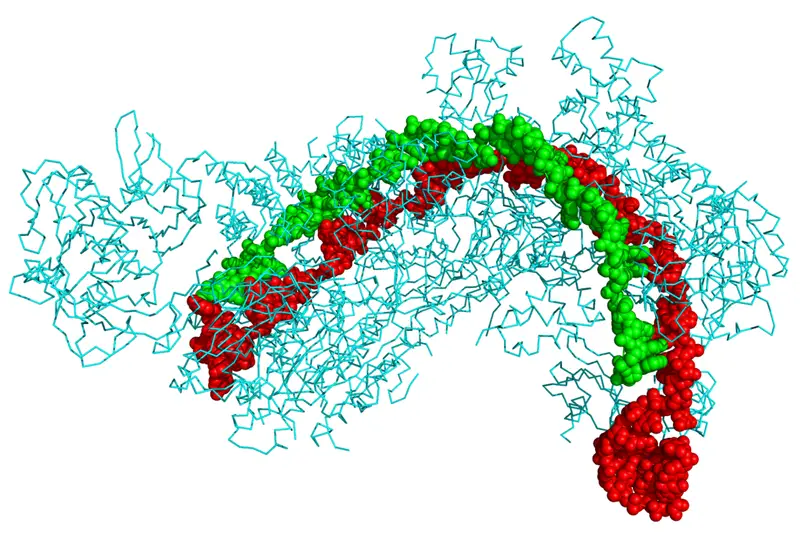
CRISPR is not just another medical tool. It is a revolution in how we think about disease, inheritance, and healing. For the first time, scientists can precisely cut, remove, or rewrite faulty DNA inside living cells. Instead of treating consequences, medicine can now correct causes. Instead of lifelong management, cures are becoming possible.
What makes this moment extraordinary is that CRISPR is no longer confined to laboratory experiments or animal models. It is already being used in real patients, curing or functionally curing diseases that were once considered permanent. These are not distant promises. They are happening now.
Here are ten powerful, scientifically grounded ways CRISPR is currently curing genetic diseases—and reshaping the future of medicine.
1. Sickle Cell Disease Is Being Functionally Cured
Sickle cell disease is one of the most devastating inherited blood disorders in the world. Caused by a single mutation in the gene that makes hemoglobin, it warps red blood cells into rigid, sickle-like shapes. These misshapen cells clog blood vessels, trigger intense pain crises, damage organs, and dramatically shorten life expectancy.
For decades, treatment options were limited to pain management, blood transfusions, and bone marrow transplants, which are risky and require matched donors. CRISPR has changed everything.
Instead of fixing the broken hemoglobin gene directly, scientists use CRISPR to reactivate a different gene: fetal hemoglobin. Before birth, humans produce fetal hemoglobin, which works perfectly and does not sickle. After birth, this gene is normally shut off. CRISPR precisely disables the genetic switch responsible for silencing it.
The result is astonishing. Patients treated with CRISPR-edited stem cells begin producing healthy red blood cells that do not sickle. Pain crises vanish. Transfusions stop. Hospitalizations drop to zero.
This is considered a functional cure. The disease-causing mutation is still present, but its effects are completely neutralized. For patients who spent their lives in pain, this is nothing short of liberation.
2. Beta-Thalassemia Is Being Eliminated at Its Source
Beta-thalassemia is another inherited blood disorder that prevents the body from making enough functional hemoglobin. Severe forms of the disease require lifelong blood transfusions and iron-chelation therapy to prevent organ failure. Without treatment, it can be fatal in childhood.
CRISPR-based therapies for beta-thalassemia use the same elegant strategy applied to sickle cell disease: reactivating fetal hemoglobin. By editing a regulatory region of DNA in bone marrow stem cells, CRISPR removes the genetic brake that suppresses fetal hemoglobin production.
Clinical results have been extraordinary. Patients who previously required monthly transfusions become completely transfusion-independent. Their hemoglobin levels stabilize in healthy ranges, and iron overload begins to reverse.
For the first time, beta-thalassemia is no longer a lifelong sentence. A single CRISPR-based treatment can restore normal blood function for years, likely for life.
3. Inherited Blindness Is Being Reversed Inside the Eye
Blindness caused by genetic mutations was long considered irreversible. Once retinal cells were damaged, vision loss was permanent. CRISPR is now rewriting that belief.
One of the first CRISPR treatments tested directly inside the human body targets a form of inherited blindness caused by a mutation that disrupts light-sensing cells in the retina. The eye is uniquely suited for gene editing because it is small, isolated, and immune-privileged, reducing the risk of systemic side effects.
Doctors inject CRISPR components directly into the eye, where they cut out the faulty DNA sequence and allow the cell’s natural repair mechanisms to restore gene function. Early clinical results show improved light sensitivity and visual perception in patients who were previously losing their sight.
This marks the first time CRISPR has been used inside the human body to correct a genetic disease. It is a proof of principle with enormous implications for treating inherited neurological and sensory disorders.
4. Certain Forms of Cancer Are Being Reprogrammed Out of the Immune System
While cancer is not always inherited, many cancers involve genetic mutations that allow cells to evade the immune system. CRISPR is now being used to reprogram immune cells to recognize and destroy cancer more effectively.
In these therapies, doctors extract a patient’s T cells and use CRISPR to edit multiple genes simultaneously. The edits enhance the T cells’ ability to target cancer, resist exhaustion, and survive longer in the body. Unnecessary receptors are removed, and cancer-targeting receptors are added or improved.
This approach has shown promise in blood cancers and is expanding into solid tumors. What makes CRISPR unique here is its precision and flexibility. Multiple genetic changes can be made at once, creating immune cells that are more powerful than anything evolution produced naturally.
In patients who had exhausted all other options, CRISPR-edited immune cells have induced lasting remissions. For some, cancer has disappeared entirely.
5. Transthyretin Amyloidosis Is Being Treated with a Single Injection
Transthyretin amyloidosis is a rare but deadly genetic disease in which a mutated liver protein misfolds and accumulates in organs, leading to heart failure, nerve damage, and death. Traditional treatments aim to slow progression but cannot stop the disease.
CRISPR has introduced a radical new approach: shut down the faulty gene entirely.
Using lipid nanoparticles, CRISPR components are delivered directly to liver cells through a simple intravenous infusion. Once inside the cell, CRISPR cuts the gene responsible for producing the harmful protein. The cell repairs the cut by disabling the gene.
Clinical results show dramatic reductions—over 90 percent—in the disease-causing protein after a single dose. Patients experience stabilization or improvement of symptoms, something previously unheard of.
This represents a new category of medicine: one-time genetic cures delivered through standard injections.
6. Severe Combined Immunodeficiency Is Being Corrected
Severe Combined Immunodeficiency, often called “bubble boy disease,” is a group of genetic disorders that leave children with virtually no immune system. Without treatment, even common infections are fatal.
CRISPR offers a safer and more precise alternative to earlier gene therapies. Instead of randomly inserting a working gene into the genome, CRISPR places it exactly where it belongs or corrects the defective gene directly.
Doctors remove bone marrow stem cells from affected children, use CRISPR to fix the mutation, and return the corrected cells to the body. These cells then generate a fully functional immune system.
Early results show restored immune function without the cancer risks associated with older gene therapy methods. Children treated with CRISPR can live normal lives, attend school, and interact with the world safely.
7. Duchenne Muscular Dystrophy Is Being Partially Reversed
Duchenne muscular dystrophy is a devastating genetic disease that causes progressive muscle weakness beginning in early childhood. It is caused by mutations in the dystrophin gene, one of the largest genes in the human genome.
CRISPR cannot always fix the entire gene, but it can remove the most damaging mutations and restore partial function. By cutting out faulty sections, CRISPR allows cells to produce a shorter but functional version of dystrophin.
Animal studies and early human research show increased muscle strength, reduced degeneration, and improved mobility. While this is not yet a complete cure, it represents the first real hope of altering the disease’s course rather than simply managing decline.
For families facing Duchenne, even slowing progression can mean years of additional mobility and independence.
8. Hereditary High Cholesterol Is Being Permanently Lowered
Some people inherit genetic mutations that cause dangerously high cholesterol from birth, leading to early heart attacks despite healthy lifestyles. CRISPR offers a permanent solution.
By editing a gene in liver cells that regulates cholesterol levels, CRISPR dramatically lowers LDL cholesterol. Once the gene is disabled, cholesterol levels remain low for life without daily medication.
This approach transforms cardiovascular prevention from chronic drug therapy into a one-time genetic intervention. It also demonstrates how CRISPR can be used not only to treat rare diseases but to prevent common killers rooted in genetics.
9. HIV Is Being Targeted at the Genetic Level
HIV inserts its genetic material into human DNA, making it incredibly difficult to eradicate. Antiretroviral drugs suppress the virus but cannot remove it. CRISPR is now being explored as a way to cut HIV out of the genome entirely.
Scientists have used CRISPR to excise HIV DNA from infected cells in laboratory and animal models. In some cases, this has led to complete viral elimination. Other strategies use CRISPR to edit immune cells so they lack the receptors HIV uses to enter, making them resistant to infection.
While this work is still developing, it represents the first plausible path toward a true HIV cure rather than lifelong suppression.
10. Rare Metabolic Disorders Are Being Corrected Before Damage Occurs
Many inherited metabolic diseases cause toxic substances to build up in the body, damaging organs from infancy. CRISPR-based therapies aim to correct these mutations early, sometimes even before symptoms appear.
By delivering CRISPR tools to the liver or other affected tissues, doctors can restore normal enzyme production and prevent irreversible damage. This approach is being tested for multiple rare disorders that previously had no effective treatments.
What makes this especially powerful is timing. By intervening early, CRISPR can prevent disease entirely rather than trying to repair damage after it has occurred.
A Turning Point in Human Medicine
CRISPR is not science fiction. It is not a distant hope. It is already curing genetic diseases in real people right now.
What makes this moment emotionally profound is not just the technology itself, but what it represents. For generations, genetic disease was inherited destiny. Families passed down suffering along with DNA, knowing there was no escape. CRISPR breaks that chain.
We are entering an era where disease can be edited out of existence, where children no longer have to inherit pain, and where medicine shifts from management to correction. Ethical questions remain, and challenges still exist, but the core truth is undeniable.
For the first time in human history, we can rewrite the biological mistakes that once defined our lives.
And that changes everything.