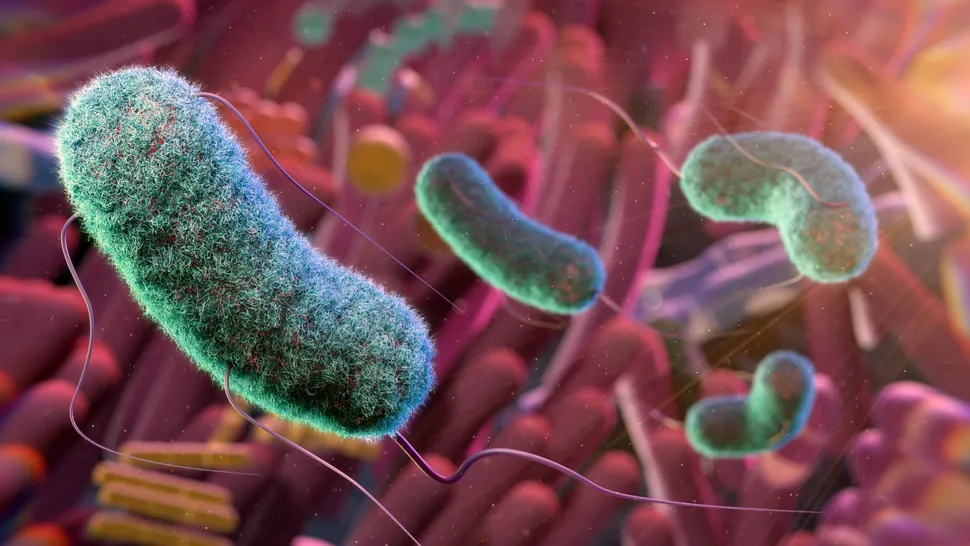
For years, scientists have known that the human gut is not just a digestive tube but a crowded ecosystem, alive with trillions of microbes quietly shaping our health. This inner world, called the gut microbiome, has steadily risen from obscurity to stardom in health science. It has been linked to conditions like type 2 diabetes and heart disease, and its appeal lies partly in hope. Unlike our genes, the microbiome can change. It responds to what we eat and how we live.
Yet for all the excitement, much about this microbial universe has remained uncertain. Which microbes truly matter. Which ones support health, and which ones quietly undermine it. And how can scientists make sense of such overwhelming complexity.
Now, a major new study published in Nature offers a clearer view. By analyzing data from tens of thousands of people, researchers have taken a bold step toward ranking the microbes that live inside us, transforming a chaotic ecosystem into something that can be measured, compared, and understood.
Tens of Thousands of Lives, One Vast Dataset
The scale of the study is striking. The research team analyzed gut microbiome data, dietary information, and health markers from more than 34,500 people living in the United States and the United Kingdom. These participants were part of the Zoe PREDICT program, a large research initiative run by the microbiome testing company Zoe.
Each person contributed pieces of a complex puzzle. What microbes lived in their gut. What they ate. How their bodies responded, as reflected in markers like body mass index, triglycerides, blood glucose, and HbA1c. Together, these data formed one of the most detailed pictures yet of how diet, microbes, and health intersect in real human lives.
The goal was not simply to observe patterns but to organize them in a meaningful way. To do this, the researchers turned to machine learning, allowing computers to sift through vast amounts of information and uncover relationships that would be impossible to spot by eye.
Teaching Machines to Read the Microbial Map
The researchers focused on 661 non-rare microbial species found across the participants. Using machine learning, they examined how each of these species was associated with diet quality and common health risk factors, as well as clinical markers tied to cardiometabolic health.
From this enormous field of microbes, two groups stood out. Fifty species showed the strongest favorable associations with good health, while another fifty were most strongly associated with poorer health outcomes. These findings became the foundation of something new: a way to score microbes based on how they relate to health.
This effort led to the creation of the ZOE Microbiome Health Ranking 2025 and the Diet Ranking 2025. Each microbe was given a score between zero and one. Those closer to zero were positively correlated with health markers, while those closer to one were negatively correlated. Importantly, this scoring system was applied to all 661 microbial species studied, not just the top performers.
What emerged was not a simple good versus bad list, but a spectrum. A microbial landscape where each species has a measurable relationship with health and diet.
Weight, Wellness, and the Microbial Divide
One of the clearest stories to emerge from the data involved body weight. The researchers looked closely at how gut microbes differed among people with different body mass indexes. For this part of the analysis, they focused on 5,348 healthy individuals and divided them into three groups: healthy weight, overweight, and obese.
Patterns quickly became visible. Favorable microbes appeared more often in people with lower BMI and fewer diseases. Unfavorable microbes were more common in individuals with obesity and existing health conditions.
The researchers summarized this finding with striking clarity. “Meta-analysis based on linear regression on single cohorts showed that individuals with healthy weight carried, on average, 5.2 more of the 50 favorably ZOE MB health-ranked SGBs than people with obesity,” the study team writes.
This difference is not trivial. It suggests that the microbial communities inside people with healthier weight profiles are measurably richer in species linked to better health.
When Disease Leaves a Microbial Signature
The study did not stop at body weight. The researchers also examined whether their microbiome rankings aligned with the presence or absence of disease. They compared participants who had defined diseases with those in a control group without such conditions.
Once again, the pattern held. People in the control group had higher levels of favorably ranked gut microbes. Those with diseases carried more unfavorably ranked microbes.
These findings do not prove that microbes cause disease or that disease reshapes the microbiome. The study is observational, meaning it captures associations rather than direct cause-and-effect relationships. Still, the consistency of the patterns adds weight to the idea that the microbiome is deeply entwined with overall health.
Food as a Force for Microbial Change
Perhaps the most hopeful part of the study lies in what happens when diets change. The researchers examined data from two dietary intervention studies called ZOE METHOD and BIOME. In these studies, participants either followed a personalized dietary intervention program designed to improve the microbiome or took a prebiotic supplement.
The results were striking. By the end of the studies, participants’ microbiomes had changed significantly. Favorable microbes increased, while unfavorable ones decreased.
The authors describe this transformation in detail. “The dietary intervention groups of both clinical trials that aimed at improving diet using different approaches (prebiotic blend for BIOME and PDP for METHOD) showed the highest number of significantly changing SGBs. Focusing on the most significant gut microbial SGBs with the largest change in relative abundance after dietary interventions, we found increasing Bifidobacterium animalis—a bacterium present in dairy-based foods and in the microbiome of people consuming larger amounts of them, an unknown Lachnospiraceae bacterium and R. hominis both previously associated with a vegan diet, and another unknown Lachnospiraceae bacterium linked to a vegetarian diet,” the authors explain.
These changes show that the microbiome is not fixed. It responds to what we eat, and it can shift in ways that align with better health markers.
The Mystery of the Unknown Microbes
Beyond confirming the importance of known bacterial species, the study also opened a door to the unknown. Many of the microbes strongly associated with health had never been fully characterized before. These previously unrecognized species now stand out as potential key players in human health.
Future research may describe these microbes in more detail, exploring what they do, how they interact with diet, and how they influence the body. The ranking system created by this study offers a roadmap for those future investigations, pointing researchers toward the species most worthy of deeper attention.
Why This Research Matters
This study matters because it brings clarity to a complex and often confusing field. The gut microbiome has long been described as important, but importance without structure is difficult to act upon. By ranking hundreds of microbial species based on their associations with health and diet, the researchers have created a tool that turns complexity into guidance.
While the study cannot prove causation, it provides a foundation for future research that can test direct links between microbes, diet, and health outcomes. It also highlights the power of dietary change to reshape the microbiome in measurable ways.
Perhaps most importantly, this research reinforces a powerful idea. Health is not only written in our genes or determined by fate. It is shaped, at least in part, by the invisible communities living inside us and by the choices we make every day. With careful science and thoughtful interpretation, those hidden worlds are beginning to speak, and their message may help guide the future of personalized nutrition and disease prevention.
More information: Francesco Asnicar et al, Gut micro-organisms associated with health, nutrition and dietary interventions, Nature (2025). DOI: 10.1038/s41586-025-09854-7