Falling in love can feel like stepping into a different universe. Ordinary streets look brighter. Music sounds deeper. A simple text message can trigger a rush of joy so intense it feels almost unreal. Your thoughts begin to orbit one person as if gravity has shifted. You replay conversations, imagine future moments, and sense a strange mixture of excitement and vulnerability that seems to live in your chest.
People often describe love as magic, fate, or something spiritual. But beneath the poetry and mystery, something very real is happening inside your skull. Your brain, an organ of about three pounds, is undergoing a powerful neurochemical transformation. Falling in love is not just an emotion—it is a biological event, shaped by evolution, hormones, memory systems, reward circuits, and social bonding mechanisms that have been refined over millions of years.
Love can feel irrational because, in many ways, it is. It alters how you think, what you notice, how you interpret risk, and how you experience pleasure. It changes your priorities. It can even change how you see yourself. And while it may feel like something outside of you is taking control, the truth is that your brain is working exactly as it was designed to work.
To understand love is to understand the brain’s most intimate and dramatic performance.
Love as a Brain State, Not Just a Feeling
Love is not located in a single place in the brain. It is not a “love center” that switches on like a light. Instead, romantic love is a coordinated brain state involving many regions working together.
When you fall in love, the brain begins to integrate emotional processing, reward seeking, motivation, memory formation, and social attachment. The result is a powerful mental condition that can dominate your attention and influence your behavior in ways that resemble addiction.
Scientists often describe romantic love as having three main components: sexual desire, romantic attraction, and attachment. These stages overlap and blend, but each involves different neurochemicals and brain networks. Lust is more strongly linked to sex hormones like testosterone and estrogen. Attraction is fueled by dopamine and norepinephrine. Attachment is deeply connected to oxytocin and vasopressin.
This layered design is not accidental. From an evolutionary perspective, love is a survival strategy. It encourages humans to form pair bonds, stay close, cooperate, and raise children in a stable social unit. Whether love is lifelong or temporary, it serves as a biological glue that brings people together.
But evolution doesn’t create feelings for beauty alone. It creates them because they work.
The Reward System: Why Love Feels Like a Drug
One of the most dramatic changes during romantic love occurs in the brain’s reward system. This system is designed to push you toward behaviors that keep you alive, such as eating, social bonding, and reproduction. It does this by releasing dopamine, a neurotransmitter associated with pleasure, motivation, and reinforcement learning.
When you fall in love, dopamine activity increases in areas such as the ventral tegmental area and the nucleus accumbens. These regions are central parts of the brain’s reward circuitry. They are also activated by addictive substances like cocaine and amphetamines.
This is why love can feel intoxicating.
Dopamine does not simply create happiness. It creates craving. It makes you want more. It tells your brain, “This person matters. Pursue them. Think about them. Return to them.”
When your loved one smiles at you, touches your hand, or sends a message, dopamine spikes reinforce the experience. Your brain learns quickly that this person is a source of reward. It begins to treat their attention like something precious, something you must earn and protect.
That is why romantic attraction can feel obsessive. It is not weakness or immaturity. It is your reward system being hijacked by one of the most powerful natural motivators known to biology.
The Chemistry of Euphoria: Dopamine and Norepinephrine
The early stage of love often feels energetic, restless, and thrilling. You may feel like you need less sleep. Your appetite may change. Your heart may race when you see the person. Your hands may sweat. Your mind may jump between excitement and anxiety.
This is partly because dopamine is not acting alone.
During attraction, the brain also increases activity in norepinephrine, a neurotransmitter and hormone closely linked to alertness, attention, and arousal. Norepinephrine is part of the body’s stress response system, and it prepares you for action.
It is the reason your body reacts physically when you’re near someone you love.
Norepinephrine makes your brain more focused. It sharpens memory. It increases the emotional intensity of experiences. It makes your loved one’s voice stand out in a crowded room. It makes you remember tiny details like the way they laughed or the scent of their perfume.
Together, dopamine and norepinephrine create the feeling of being “high” on love. They produce excitement and motivation, but also a touch of nervousness, because your brain is in a heightened state of arousal.
That trembling excitement is not just romantic. It is neurological.
The Drop in Serotonin: Why Love Makes You Obsess
One of the most fascinating discoveries about romantic love is what happens to serotonin, a neurotransmitter associated with mood regulation and emotional stability.
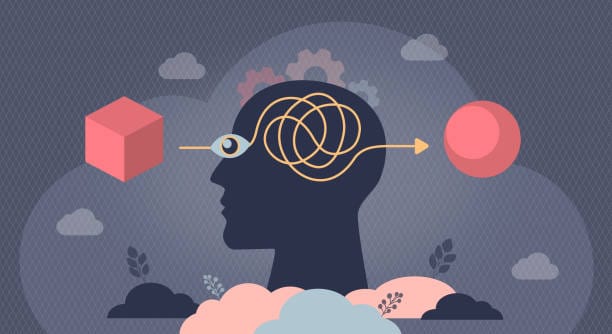
Research suggests that during early romantic love, serotonin levels can decrease, particularly in ways that resemble obsessive-compulsive disorder. This is not a coincidence. Low serotonin is linked to repetitive thinking, intrusive thoughts, and fixation.
That is why people in love can’t stop thinking about the person.
You may replay old conversations and analyze every word. You may wonder if they miss you, if they are thinking about you, if you said something wrong. You may check your phone repeatedly. You may feel like your brain is stuck on one channel.
This is not simply emotional immaturity. It is chemistry.
The brain, flooded with dopamine and adrenaline-like arousal, becomes intensely focused on the object of desire. Low serotonin may reduce the brain’s ability to “move on” from a thought, leading to obsession.
In a strange way, love is a controlled form of madness. It temporarily narrows your mental world so that one person becomes the center of gravity.
And evolution may have favored this. Obsession keeps people close. It increases the chance of forming a bond. It reduces distraction. It makes a person prioritize a partner over other opportunities.
But in modern life, where relationships are complex and rejection is common, this same mechanism can cause emotional suffering.
The Prefrontal Cortex: Why Love Weakens Your Judgment
Have you ever wondered why smart people do foolish things when they are in love?
Why do people ignore red flags? Why do they make impulsive decisions? Why do they feel certain someone is perfect even when the evidence suggests otherwise?
Part of the answer lies in the prefrontal cortex, the brain region responsible for critical thinking, impulse control, planning, and rational decision-making.
Studies using brain imaging suggest that romantic love reduces activity in certain areas of the prefrontal cortex, particularly regions involved in social judgment and negative evaluation. In other words, the brain becomes less likely to focus on flaws.
This doesn’t mean you become stupid. It means your brain temporarily shifts priorities. Instead of analyzing the person as a potential threat or risk, your brain becomes more willing to trust and idealize them.
This is why early love is often filled with unrealistic optimism. Your brain filters reality through a lens of reward and hope. It magnifies the person’s strengths and softens their weaknesses.
From a biological perspective, this makes sense. If humans were too cautious, pair bonding might be harder to establish. Love lowers defenses and increases emotional openness.
But this also explains why heartbreak can feel so shocking. When the bond breaks, the brain regains its ability to evaluate the relationship more objectively, and the contrast can be brutal.
The Amygdala: Fear Becomes Quiet
The amygdala is one of the brain’s key emotional centers, especially involved in fear, threat detection, and emotional learning. It plays a major role in anxiety and defensive behavior.
When you fall in love, activity in the amygdala often decreases. This may sound surprising, but it explains something deeply familiar: love makes you brave.
You might find yourself doing things you never would have done before. You might approach someone you would normally feel intimidated by. You might take emotional risks. You might feel safer sharing personal stories, even if you’ve been guarded your whole life.
Love does not erase fear, but it can soften it.
This reduction in threat response may allow deeper intimacy to form. The brain essentially says, “This person is safe. You can relax.” This is especially powerful when love is mutual, because your nervous system begins to associate the person with security rather than danger.
However, this also explains why rejection can feel so painful. When love is threatened, the amygdala may react strongly, triggering anxiety, panic, and emotional distress.
Love quiets fear when it is stable. Love amplifies fear when it is uncertain.
Oxytocin: The Bonding Hormone That Makes Love Feel Safe
Oxytocin is often called the “love hormone” or “cuddle hormone,” and while these names are simplified, they capture something real. Oxytocin plays a crucial role in social bonding, trust, attachment, and emotional closeness.
Oxytocin is released during physical touch, hugging, kissing, sexual intimacy, and even prolonged eye contact. It is also released during childbirth and breastfeeding, helping mothers bond with infants.
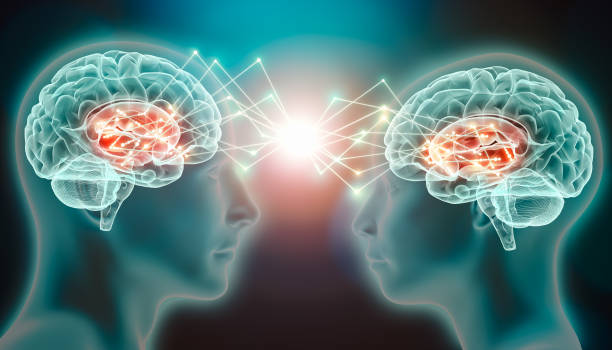
In romantic relationships, oxytocin helps transform attraction into attachment. It strengthens emotional connection and promotes feelings of calm, safety, and belonging. It makes closeness feel comforting rather than threatening.
This is one reason why physical touch can feel so powerful in love. Touch is not just sensation. It is chemistry. It is communication between nervous systems.
Oxytocin also interacts with the brain’s reward system, reinforcing the idea that being near this person is not only pleasurable but also emotionally meaningful.
The deeper the bond becomes, the more the brain begins to associate the person with home.
Vasopressin: The Chemistry of Loyalty and Commitment
Another hormone linked to long-term bonding is vasopressin. While oxytocin is often emphasized, vasopressin appears to play a significant role in attachment, protective behavior, and pair bonding, especially in males.
Animal studies, particularly in prairie voles (a species known for monogamous bonding), have shown that vasopressin influences partner preference and long-term commitment. When vasopressin receptors are activated, the animals form strong bonds. When the receptors are blocked, bonding becomes weaker.
In humans, vasopressin is associated with behaviors related to commitment, social protection, and territorial bonding. It may contribute to the feeling that your partner is “yours” in an emotional sense, creating loyalty and a desire to maintain the bond.
This is not ownership in a toxic way, but a biological push toward stability. In ancestral environments, maintaining a partner bond increased survival chances for offspring.
Modern love is more complicated than biology, but the chemistry still matters. Vasopressin may be part of why attachment can feel deeply serious, even when it is not logically convenient.
Love and the Brain’s Memory Systems
Falling in love does not only change how you feel in the moment. It changes what you remember.
The hippocampus, a brain structure involved in forming and organizing memories, becomes highly active during emotionally intense experiences. Love floods the brain with emotion and novelty, and novelty strengthens memory.
This is why early love feels unforgettable.
You remember the first time they smiled at you. The first conversation. The first time your hands touched. The first time you heard them say your name in a certain way. Your brain records these moments like precious artifacts.
Love turns ordinary experiences into emotional landmarks. The brain tags them as important, because they are connected to reward and survival.
Over time, these memories become part of your identity. You don’t just love the person. You love the story of how it happened, because your brain has woven it into your sense of self.
That is also why breakups hurt so deeply. You are not just losing a person. You are losing a piece of your internal world.
Why Love Can Feel Like Anxiety
Many people are surprised by how stressful love can be. They expect love to feel calm, but instead they feel nervous, uncertain, and emotionally restless. They may experience racing thoughts, fear of losing the person, and a heightened sensitivity to rejection.
This is not abnormal. It is part of how the brain processes uncertainty.
Early love often involves unpredictability. Does the person feel the same? Will they stay? Will you be enough? Uncertainty activates the brain’s stress system, including cortisol, the primary stress hormone.
Cortisol can increase alertness and focus, but it can also create anxiety, disrupt sleep, and intensify emotional reactions. When combined with dopamine craving, cortisol can make love feel like a thrilling emotional roller coaster.
In this stage, love is both reward and threat. The brain is chasing pleasure while fearing loss. This is why the same person can make you feel euphoric one day and terrified the next.
Love is not always peaceful. Sometimes it is a storm of biology.
Love and Pain: Why Heartbreak Feels Physical
Heartbreak is not just metaphorical. It can feel like physical pain because, neurologically, it is.
Brain imaging studies show that social rejection activates areas of the brain involved in physical pain, such as the anterior cingulate cortex and the insula. This overlap exists because, from an evolutionary perspective, social bonds were essential for survival. Being rejected or abandoned in early human environments could mean isolation, vulnerability, and death.
The brain treats social loss as an emergency.
When love ends, dopamine levels can crash. The reward system that once lit up with excitement becomes deprived. This creates craving and withdrawal-like symptoms, similar to addiction withdrawal. People often describe breakups as unbearable, obsessive, and humiliating. They may feel unable to stop thinking about the person even when they know the relationship is over.
At the same time, cortisol and stress hormones may increase. Sleep becomes difficult. Appetite changes. The immune system may weaken. The body begins to reflect emotional suffering in physical form.
This is why heartbreak can lead to exhaustion, headaches, stomach pain, and even chest tightness. The nervous system does not distinguish between emotional pain and physical threat as cleanly as we imagine.
Love can heal. Love can also wound.
Long-Term Love: How the Brain Changes Over Time
The brain state of early romantic love is intense, but it is not meant to last forever. If the brain stayed in that dopamine-driven, obsessive stage permanently, it would be exhausting and unstable. Humans could not function if they were constantly overwhelmed by romantic fixation.
Over time, if a relationship remains stable, the brain shifts.
Dopamine-driven excitement may reduce, but attachment mechanisms strengthen. Oxytocin and vasopressin become more central. Instead of obsession, love becomes security. Instead of constant craving, love becomes emotional grounding.
This does not mean love becomes weaker. It becomes different.
Long-term love often involves deeper emotional integration. The partner becomes part of the brain’s prediction system. Your nervous system begins to expect their presence. Their voice can calm you. Their absence can feel unsettling. Your brain learns their habits, their expressions, their rhythms.
In stable relationships, the brain begins to treat the partner as a source of safety. This is not just romantic. It is neurological attachment.
Some researchers call this companionate love, which is less dramatic than early passion but often more durable and emotionally nourishing.
The shift from passion to attachment is not the death of love. It is love maturing into a different form.
Love and the Brain’s Sense of Identity
One of the most profound changes love can cause is in the way you see yourself.
The brain’s self-concept is not fixed. It is shaped by memory, emotion, and social feedback. When you fall in love, you begin to incorporate another person into your sense of identity. You start thinking in terms of “we” rather than “me.” You imagine a shared future. You adjust your behavior, your priorities, even your values.
This is partly psychological, but it is also biological. Love activates brain networks involved in social cognition, empathy, and perspective-taking. You become more aware of another person’s emotions. Their happiness affects yours. Their pain feels personal.
This merging is one reason love can feel so meaningful. It expands the boundaries of your inner world.
But it is also why losing love can feel like losing yourself. When a relationship ends, the brain must reorganize its identity. It must rebuild the mental map of the future. It must rewrite habits and expectations.
That process takes time because it is not just emotional healing—it is neurological restructuring.
Why Love Makes You More Empathetic
When love is healthy, it can increase empathy and compassion. The brain becomes more tuned to the partner’s emotional signals. Mirror neuron systems, emotional processing networks, and bonding hormones contribute to a heightened ability to understand another person’s feelings.
Oxytocin, in particular, can increase trust and social sensitivity. It can make you more attentive to facial expressions and tone of voice. It can strengthen the desire to comfort and protect.
This is one reason love can bring out the best in people. It pushes the brain toward cooperation. It encourages patience. It motivates sacrifice.
However, love can also intensify jealousy and fear. The same attachment system that creates devotion can create possessiveness if insecurity dominates. The brain’s bonding system is powerful, but it does not guarantee wisdom.
Love increases emotional sensitivity. Whether that sensitivity becomes kindness or conflict depends on the relationship and the person’s emotional health.
Sexual Desire and Romantic Love Are Not the Same
Many people assume that love and sexual desire are identical, but the brain treats them as related but distinct processes.
Sexual desire is strongly influenced by hormones like testosterone and estrogen, and it is linked to brain regions involved in physical arousal and motivation. Romantic love, especially attachment, involves oxytocin, dopamine, and emotional bonding circuits.
You can desire someone without loving them. You can love someone without feeling intense desire. In long-term relationships, desire may fluctuate, but attachment can remain stable.
This distinction is important because it explains why love is not simply “chemistry” in the sexual sense. It is chemistry in the bonding sense. It is a brain state that can exist beyond physical attraction.
Sex may begin a connection, but attachment is what makes love feel like home.
Love as an Evolutionary Force
From an evolutionary perspective, love is not a random accident. It is a biological strategy that shaped human history.
Humans are social animals with long childhoods. Human babies require years of care. In ancient environments, raising children successfully often required cooperation between parents and extended social networks. Romantic bonding increased the likelihood that two adults would stay together long enough to protect and support offspring.
Love, therefore, may have evolved as a motivational system to maintain pair bonds.
The reward system makes a partner feel irresistible. The stress system creates urgency. The attachment hormones create stability. The memory system records emotional moments. Together, these processes produce a powerful psychological bond.
In a sense, love is nature’s way of making commitment feel meaningful.
The brain did not evolve to make you happy all the time. It evolved to keep you alive and help your genes survive. But sometimes, in the process, it created something beautiful: a feeling that can make life feel larger than itself.
When Love Becomes Unhealthy in the Brain
Love can be one of the healthiest emotional experiences, but it can also become destructive when mixed with insecurity, trauma, or unhealthy attachment patterns.
When love becomes obsessive to the point of anxiety, when jealousy becomes constant, or when the relationship is unstable and unpredictable, the brain can enter a stress-reward loop. Dopamine craving and cortisol stress begin feeding each other. The person becomes addicted to emotional highs and lows.
This pattern can resemble addiction because it is built on similar circuits. The brain begins chasing the reward of affection while fearing abandonment. This can lead to emotional dependence, rumination, and loss of self-control.
In such cases, love does not calm the nervous system. It keeps it activated.
Healthy love tends to create emotional safety over time. Unhealthy love tends to create emotional chaos.
The difference is not always obvious at first, because both can feel intense. But the brain’s long-term response is a clue. If love brings stability, peace, and growth, it is likely working with your biology in a balanced way. If it brings chronic anxiety, fear, and self-destruction, the brain may be trapped in a harmful cycle.
The Deep Truth: Love Is Both Biology and Meaning
So what happens to your brain when you fall in love?
It becomes flooded with dopamine, turning one person into a powerful source of reward. Norepinephrine increases, heightening excitement, memory, and arousal. Serotonin shifts, making thoughts obsessive and repetitive. The amygdala quiets, lowering fear and encouraging trust. Oxytocin and vasopressin strengthen bonding, turning attraction into attachment. The prefrontal cortex becomes less critical, making you more likely to idealize the person and overlook flaws.
Your brain becomes a storm of chemistry and circuitry, shaped by evolution and personal experience. It becomes focused, driven, and emotionally vulnerable. It begins to attach your sense of safety and future to another human being.
But love is not just neurotransmitters.
Neurochemistry explains the mechanism, but it does not erase the meaning. Knowing that dopamine fuels attraction does not make love less real. Knowing that oxytocin strengthens bonding does not make a hug less powerful. In fact, understanding the biology can make love more astonishing.
Because it means that your brain, this complex biological machine, is capable of creating an experience so intense that it reshapes your entire world.
Love is one of the greatest transformations the human brain can undergo. It can make you braver. It can make you kinder. It can make you irrational. It can make you suffer. It can make you feel alive in a way nothing else can.
And perhaps that is the most extraordinary part.
Falling in love is not just an emotional event. It is your brain reaching for connection, for meaning, for survival, and for something beyond loneliness. It is biology turning into poetry.
It is the nervous system whispering an ancient truth through modern hearts: you are not meant to live alone.