Combining ancient tree-ring records, radiocarbon measurements and evidence of volcanic eruptions, scientists have narrowed down the timeline of ancient Mesopotamia, placing the fall of Babylon around 1587 B.C. The findings also provide construction dates for two ancient palaces in modern-day Turkey and reveal a period of severe drought that preceded the destruction of the Hittite capital.
Reconstructing the history of ancient Mesopotamia is not simply a matter of identifying its kings and recording who succeeded whom. Historians have long struggled to establish exactly when major events happened, with several competing chronologies offering different dates for the same historical milestones.
A research team led by Charlotte Pearson of the University of Arizona has now combined evidence from ancient trees, astronomical observations and volcanic deposits to make that timeline more precise.
The key was to connect physical evidence that can be dated scientifically with written records left by ancient civilizations.
How tree rings connect ancient buildings to historical dates
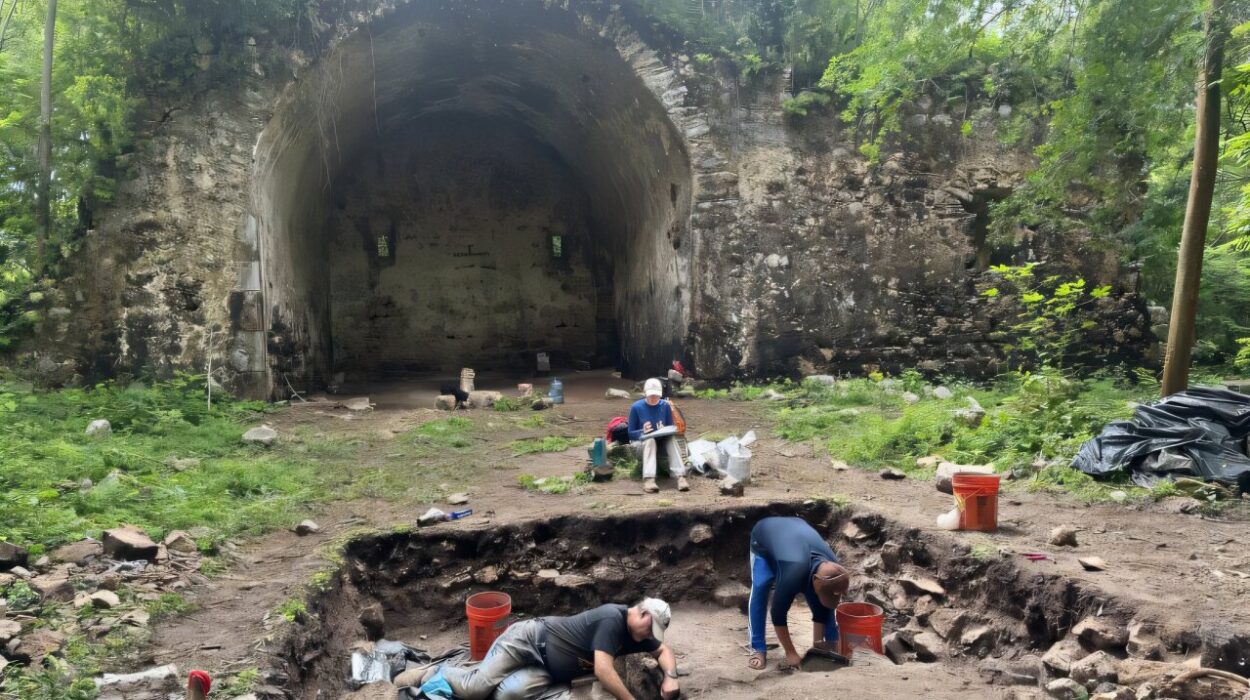
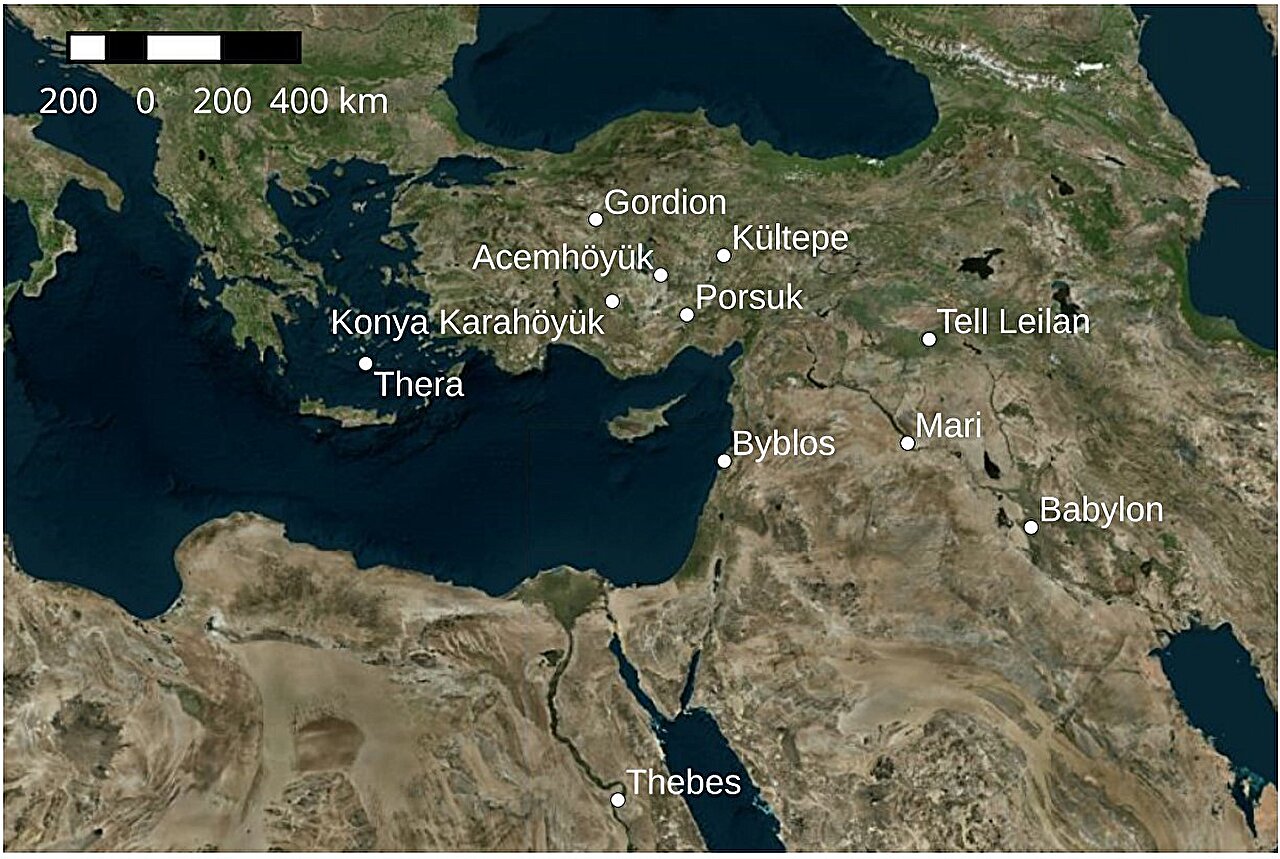
The researchers began with wooden timbers recovered from archaeological sites in what is now Turkey. Trees add a new growth ring each year, creating a record that can help scientists reconstruct when a tree was alive and when it was eventually cut down.
The team examined individual tree rings and measured their radioactive carbon levels. They then compared these measurements with patterns in trees whose ages were already known, allowing them to establish precise dates for the ancient wood.
Some of the timbers came from ancient palaces where archaeologists had also found written records associated with particular years in the Assyrian calendar.
By identifying the outermost growth rings, the researchers could determine when the trees were felled. That provided a way to connect the construction dates of the palaces with the historical records and establish firmer chronological reference points.
But tree rings were only one part of the investigation. To narrow down the competing timelines further, the researchers turned to evidence from the sky and the frozen polar regions.
A volcanic eruption helps narrow the timeline
Ancient Babylonian records contain observations of Venus, including periods when the planet appeared unusually difficult to see.
The researchers considered whether volcanic activity might explain these observations. Large eruptions can send material into the atmosphere, where it can contribute to haze and reduce visibility.
To investigate this possibility, the team compared the historical Venus observations with evidence of volcanic eruptions preserved in polar ice cores.
The strongest match pointed to a massive eruption of Alaska’s Aniakchak volcano around 1628–1627 B.C.
This connection helped the researchers distinguish between competing chronologies for ancient Mesopotamia. Rather than relying on written records alone, they could compare historical observations with independently preserved environmental evidence.
The combined results support a timeline that places the fall of Babylon around 1587 B.C., narrowing a longstanding historical uncertainty.
“Remaining dating uncertainties are constrained in strong support of the middle–low chronology,” wrote the study authors.
The records also reveal palace construction dates and ancient drought
The revised chronology provides dates for other important events in the region’s history.
The researchers placed the initial construction of two ancient palaces in what is now Turkey at around 1837–1836 B.C. and 1778 B.C., respectively.
The tree-ring measurements also revealed a prolonged period of unusually dry conditions between 1228 and 1188 B.C. Within that period, the researchers identified a particularly severe drought lasting from 1194 to 1192 B.C.
That drought occurred just two years before the Hittite capital of Hattusa was sacked and burned.
The timing raises the possibility that environmental stress contributed to the collapse of the Hittite Empire. However, the chronological overlap does not establish that drought caused the city’s destruction or the empire’s decline.
What the tree rings provide is a detailed record of environmental conditions that can be compared with known historical events.
A method for refining other historical timelines
The study demonstrates how different types of evidence can work together to resolve uncertainties that no single source can settle on its own.
Tree rings provide year-by-year records of past environmental conditions, while radiocarbon measurements help establish the age of ancient materials. Historical astronomical observations and volcanic evidence preserved in ice cores offer additional chronological clues.
The approach could prove useful beyond Mesopotamia, particularly for historical periods where written records exist but their exact calendar dates remain uncertain.
The researchers see considerable potential in making radiocarbon measurements at the level of individual, precisely dated tree rings. “Single-year measurements of radiocarbon from calendar-dated tree rings offer new opportunities to refine and improve chronologies.”
The findings were published in the Proceedings of the National Academy of Sciences (PNAS).