Love is one of the most powerful forces in human life. It has inspired poetry, music, philosophy, and scientific research for centuries. It shapes relationships, influences decisions, and defines some of the most meaningful experiences people ever have. Yet despite its familiarity, love remains deeply mysterious. Why do people fall in love with certain individuals? Why do feelings sometimes fade while in other cases they grow stronger over time? What happens inside the brain and mind when someone says, “I love you”?
Psychology approaches love not as a magical or purely poetic phenomenon, but as a complex human experience shaped by biology, emotion, cognition, and social context. The psychology of love seeks to understand how attraction forms, how emotional bonds develop, and why relationships succeed or fail. It also explores how love influences mental health, identity, and personal growth.
Love is not a single emotion. It is a dynamic psychological state made up of many elements: desire, attachment, empathy, trust, vulnerability, and commitment. These elements interact in subtle ways, creating the powerful emotional experiences people associate with romantic connection. To truly understand love, psychology examines how these elements emerge from the brain, develop through life experiences, and evolve within relationships.
Love as a Fundamental Human Need
Human beings are inherently social creatures. From birth, people depend on connection with others for survival and well-being. Infants require emotional bonding with caregivers not only for physical care but also for psychological development. This early need for attachment lays the foundation for the ways individuals experience love later in life.
Psychologists often describe love as a fundamental psychological need. Just as humans require food, shelter, and safety, they also require emotional connection. Love provides a sense of belonging and security. It reassures individuals that they are valued and understood. When people feel loved, their brains release chemicals associated with comfort and happiness, reducing stress and enhancing emotional stability.
The absence of love can have profound psychological consequences. Loneliness and emotional isolation are linked to depression, anxiety, and even physical health problems. Studies have shown that individuals with strong supportive relationships tend to live longer and experience greater life satisfaction than those who feel socially disconnected.
Love therefore serves not only as a romantic ideal but also as a psychological resource. It nurtures resilience, strengthens emotional regulation, and helps individuals cope with life’s challenges. When people feel deeply connected to others, they are better able to navigate uncertainty and adversity.
The Biological Foundations of Love
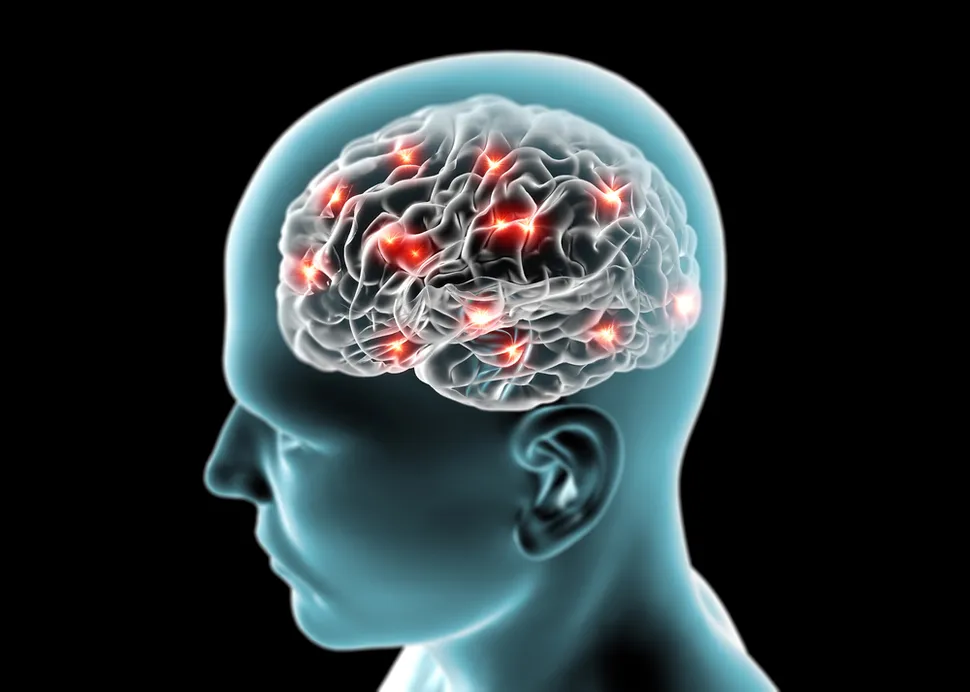
Although love often feels mysterious and intangible, it is deeply rooted in biology. When people fall in love, their brains undergo measurable changes. Specific regions associated with reward, motivation, and emotional regulation become highly active. These neural processes create the intense feelings of excitement and longing that characterize romantic attraction.
One of the key biological components of love involves neurotransmitters and hormones. Dopamine plays a central role in the experience of romantic attraction. It is associated with pleasure, motivation, and reward. When individuals spend time with someone they are attracted to, dopamine levels increase, creating feelings of joy and anticipation.
Another important chemical is oxytocin, sometimes referred to as the “bonding hormone.” Oxytocin is released during physical touch, emotional intimacy, and moments of trust. It strengthens emotional bonds between individuals and promotes feelings of closeness and attachment. This hormone is also released during childbirth and caregiving, highlighting its role in forming deep interpersonal connections.
Serotonin, another neurotransmitter, influences mood and emotional balance. Interestingly, early stages of romantic love often involve changes in serotonin levels that resemble patterns seen in obsessive thinking. This may explain why people in love frequently think about their partners constantly and experience difficulty focusing on other tasks.
These biological processes do not diminish the emotional richness of love. Instead, they reveal that love is both an emotional and physiological experience. The brain and body collaborate to create feelings that guide social bonding and partnership.
Attraction: The Beginning of Romantic Love
The psychology of love often begins with attraction. Attraction is the initial force that draws two individuals toward each other. It can emerge from physical appearance, personality traits, shared interests, or subtle emotional signals that create a sense of connection.
Physical attraction plays a role in many romantic relationships, but psychology shows that it is far more complex than simple appearance. Humans often interpret physical features as signals of health, vitality, and genetic fitness. Facial symmetry, clear skin, and confident body language can unconsciously influence perceptions of attractiveness.
However, psychological attraction frequently extends beyond physical traits. Similarity between individuals is one of the strongest predictors of romantic connection. People are more likely to feel attracted to others who share similar values, beliefs, interests, and life goals. Similarity creates a sense of familiarity and understanding that strengthens emotional bonds.
Another factor in attraction is proximity. People are more likely to develop relationships with individuals they encounter frequently. Shared environments such as schools, workplaces, and social circles create opportunities for interaction and familiarity. Over time, repeated exposure can increase feelings of comfort and attraction.
Psychologists also emphasize the importance of reciprocity. When individuals believe that someone else likes them, their own attraction often grows stronger. This mutual reinforcement creates a feedback loop in which positive feelings amplify each other.
Attraction therefore emerges from a combination of biological impulses, cognitive interpretations, and social circumstances. It is the spark that initiates romantic relationships, but it is only the beginning of the psychological journey of love.
Emotional Intimacy and the Development of Love
As relationships deepen, attraction evolves into emotional intimacy. Emotional intimacy involves sharing personal thoughts, feelings, and vulnerabilities with another person. It requires trust and openness, allowing individuals to feel understood and accepted without fear of judgment.
Psychologists view emotional intimacy as a critical component of long-term love. While attraction may ignite the relationship, intimacy sustains it. Couples who communicate honestly and support each other emotionally tend to experience stronger and more stable bonds.
Self-disclosure plays a central role in building intimacy. When individuals reveal personal experiences and emotions, they invite their partners into their inner worlds. This exchange fosters empathy and strengthens emotional connection. Over time, partners develop a deeper understanding of each other’s hopes, fears, and motivations.
Empathy is another key element of intimacy. It involves the ability to recognize and respond to another person’s emotional state. When partners demonstrate empathy, they create a sense of safety and validation within the relationship. This emotional responsiveness helps maintain closeness even during challenging moments.
Intimacy also grows through shared experiences. Couples who spend meaningful time together, overcome obstacles, and celebrate achievements develop a collective history that strengthens their bond. These shared memories become part of the relationship’s emotional foundation.
Through intimacy, love transforms from excitement into connection. It becomes less about intense emotion and more about mutual understanding and emotional partnership.
Attachment and the Security of Love
Attachment theory provides one of the most influential frameworks for understanding love. Originally developed to explain the bond between infants and caregivers, attachment theory also applies to adult romantic relationships.
According to this theory, early childhood experiences shape the ways individuals form emotional bonds later in life. Children who receive consistent care and affection often develop secure attachment patterns. As adults, they tend to feel comfortable with intimacy and trust their partners.
Individuals who experience inconsistent caregiving may develop anxious attachment patterns. They often fear abandonment and seek constant reassurance in relationships. Their love may feel intense but also emotionally turbulent.
Others develop avoidant attachment patterns, often as a response to emotional neglect or rejection in early life. These individuals may value independence and struggle with vulnerability, sometimes maintaining emotional distance in romantic relationships.
Attachment patterns are not fixed destinies. People can develop healthier relationship behaviors through self-awareness, supportive partners, and personal growth. However, understanding attachment styles can illuminate why individuals experience love in different ways.
In adult relationships, attachment manifests through behaviors such as seeking comfort from a partner during stress, feeling secure in the partner’s presence, and maintaining emotional connection during separation. These patterns reflect the deep psychological roots of love as a bond that provides safety and reassurance.
The Cognitive Dimensions of Love
Love is not only emotional and biological; it is also cognitive. The way people think about their partners and relationships shapes their experience of love.
Cognitive psychology suggests that individuals form mental representations of their partners. These representations include beliefs, expectations, and interpretations of behavior. When someone views their partner in a positive light, they are more likely to interpret ambiguous actions as supportive rather than hostile.
Idealization is a common cognitive feature of romantic love. People often see their partners as more attractive, kind, or intelligent than others might perceive them. This positive bias can strengthen relationships by encouraging appreciation and admiration.
However, unrealistic expectations can create challenges. When individuals believe that love should always feel effortless or passionate, they may struggle when relationships encounter difficulties. Recognizing that love involves effort, compromise, and growth can lead to healthier and more resilient partnerships.
Communication also reflects the cognitive side of love. How partners interpret words, tone, and actions influences their emotional responses. Misunderstandings often arise not from harmful intentions but from differing interpretations of the same situation.
By understanding the cognitive processes underlying love, individuals can develop greater empathy and patience in relationships.
Commitment and the Endurance of Love
Long-term love requires commitment. Commitment represents the decision to maintain a relationship over time, even when challenges arise. While attraction and intimacy create emotional bonds, commitment provides stability and continuity.
Psychological research suggests that commitment often grows gradually. As partners invest time, energy, and shared experiences into a relationship, they develop a sense of responsibility toward its continuation. These investments strengthen the motivation to work through difficulties.
Commitment does not mean the absence of conflict. Disagreements are natural in any close relationship. What distinguishes strong relationships is the ability to resolve conflicts constructively. Couples who communicate respectfully and seek solutions rather than blame are more likely to maintain lasting bonds.
Trust is closely linked to commitment. Trust involves confidence in a partner’s reliability and intentions. When trust is strong, partners feel secure expressing vulnerability and pursuing shared goals.
Commitment transforms love from a fleeting emotion into a sustained partnership. It reflects the understanding that meaningful relationships require dedication and mutual effort.
The Challenges and Transformations of Love
Love is not static. Relationships evolve as individuals grow and circumstances change. Early passion may give way to deeper companionship, while shared responsibilities reshape the dynamics of partnership.
Stress, life transitions, and external pressures can challenge romantic bonds. Career demands, financial concerns, and family obligations may strain communication and emotional availability. These challenges test the resilience of love.
However, love also has the capacity to adapt. Couples who navigate difficulties together often emerge with stronger relationships. Adversity can deepen trust and reinforce commitment when partners support each other through hardship.
Psychological growth also plays a role. Healthy relationships encourage personal development, allowing individuals to pursue goals while maintaining emotional connection. Love becomes a context for mutual support rather than limitation.
When relationships end, the psychological impact can be profound. Breakups often trigger grief responses similar to other forms of loss. Yet these experiences can also lead to self-reflection and emotional growth, helping individuals understand their needs and values more clearly.
Love therefore includes both joy and vulnerability. Its challenges reflect the complexity of human connection.
Love and Psychological Well-Being
The presence of loving relationships contributes significantly to mental health. Individuals who experience supportive partnerships often report higher levels of happiness, lower stress, and greater life satisfaction.
Love provides emotional regulation. During moments of anxiety or sadness, the presence of a trusted partner can reduce psychological distress. This effect is partly biological, as comforting interactions trigger the release of calming hormones.
Love also strengthens identity. Being valued and understood by another person reinforces self-esteem and confidence. Partners often help each other recognize strengths and pursue aspirations.
However, unhealthy relationships can have the opposite effect. Conflict, manipulation, or emotional neglect can undermine psychological well-being. For this reason, the psychology of love emphasizes the importance of respect, communication, and mutual support.
Healthy love nurtures both individuals within the relationship. It allows people to grow while maintaining connection.
The Enduring Mystery of Love
Despite decades of research, love remains one of the most profound mysteries of human psychology. Science can explain many of the biological mechanisms and cognitive processes involved, but the lived experience of love retains a unique emotional depth.
Love is both universal and deeply personal. Every culture recognizes its significance, yet every relationship expresses it differently. Two people may share the same word for love while experiencing it in entirely distinct ways.
Perhaps this combination of science and mystery is what makes love so compelling. It reminds us that human life is shaped not only by logic and biology but also by emotional meaning.
The psychology of love does not attempt to reduce romance to mere chemistry or equations. Instead, it seeks to illuminate the processes that allow humans to form deep and lasting connections.
Love is the meeting point of biology, emotion, thought, and experience. It is where vulnerability becomes strength, where two lives intertwine in ways that reshape identity and purpose. In understanding love, psychology ultimately explores one of the most essential aspects of being human.