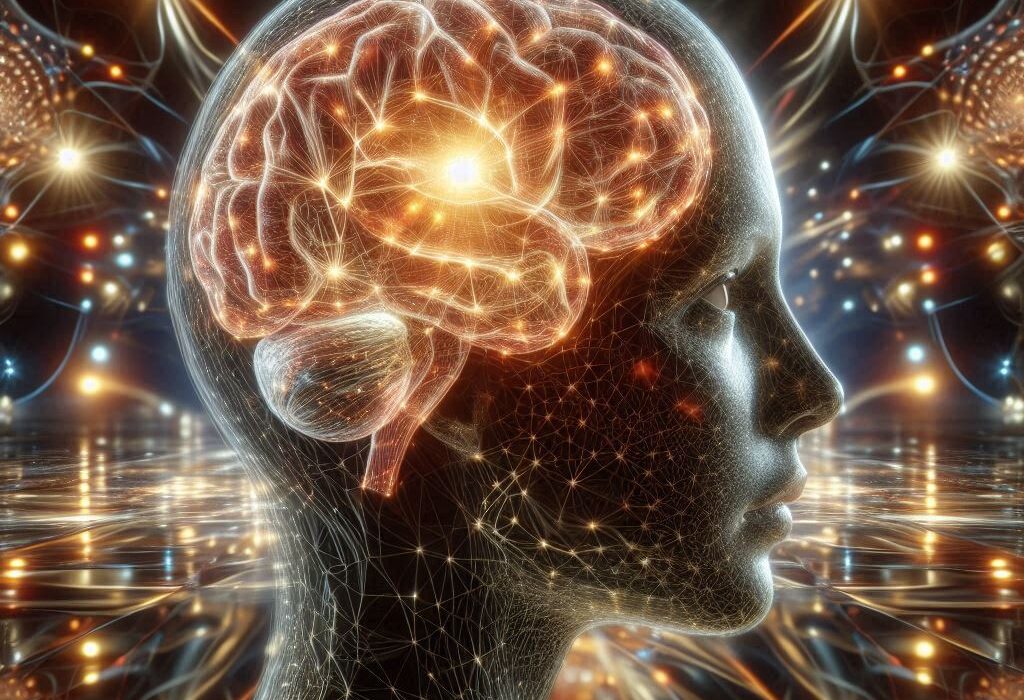
Human attraction is one of the most powerful and mysterious forces shaping our lives. Across cultures, centuries, and generations, people have written poems, composed songs, and told stories about falling in love. Yet behind the emotional intensity of attraction lies a complex web of psychological, biological, and social processes. Attraction is not random, even though it often feels that way. When someone suddenly becomes important to us, when our heart races at the sight of a particular person, there are deeper mechanisms at work within the human mind and body.
The psychology of attraction explores why certain individuals draw us in while others do not. It investigates how personality, physical features, past experiences, culture, and even invisible chemical signals influence romantic feelings. While love may feel magical, science shows that it emerges from patterns rooted in evolution, cognition, emotion, and human development.
Understanding the psychology of attraction does not remove the beauty or mystery of love. Instead, it reveals that the human capacity for connection is shaped by both our biology and our life experiences. Attraction is where instinct meets identity, where ancient evolutionary drives interact with personal history and social meaning.
The Evolutionary Roots of Attraction
Long before modern societies existed, human beings faced the challenge of survival in harsh environments. Finding a suitable partner was not only about emotional satisfaction but also about reproduction and survival of offspring. Over thousands of generations, natural selection influenced which traits humans tend to find attractive.
Evolutionary psychology suggests that attraction often reflects subconscious assessments of health, fertility, and the ability to provide resources or protection. Certain physical traits may signal genetic fitness or reproductive potential. These signals do not guarantee compatibility or happiness, but they influence initial attraction because they helped our ancestors make quick decisions about potential mates.
For example, symmetry in facial features tends to be perceived as attractive across many cultures. Researchers believe this preference may exist because symmetry can indicate healthy development and genetic stability. Clear skin, bright eyes, and healthy hair may also serve as visual signals of physical health.
Attraction is not only about physical indicators. Psychological traits such as confidence, kindness, intelligence, and emotional stability also play significant roles. These qualities may signal the potential for cooperation, parenting ability, and long-term partnership.
However, evolutionary influences are not rigid rules. Human attraction is flexible and shaped by culture, learning, and individual preference. Evolution provides a foundation, but the details of whom we fall in love with are far more complex.
The Power of Physical Attraction
Physical attraction often forms the first spark in romantic relationships. When people meet someone new, their brains rapidly evaluate visual information. Within seconds, impressions about attractiveness and personality begin to form.
The brain processes faces with remarkable efficiency. Certain facial proportions, expressions, and movements trigger neural responses linked to pleasure and interest. When someone smiles warmly or maintains comfortable eye contact, the brain may release neurotransmitters associated with positive emotion.
Physical attraction is also influenced by familiarity and similarity. Studies have shown that people tend to be drawn to faces that resemble their own features slightly. This subtle resemblance may signal genetic compatibility or psychological familiarity.
Body language plays a powerful role as well. Posture, gestures, tone of voice, and facial expressions communicate confidence, openness, and emotional warmth. These signals are often interpreted unconsciously but strongly influence attraction.
Importantly, physical attraction is not purely objective. Cultural standards shape what societies consider attractive. Fashion, media representation, and social norms influence perceptions of beauty. Over time, these cultural ideals shift, demonstrating that attraction is partly a product of the environment in which we grow up.
The Brain Chemistry of Falling in Love
When people experience romantic attraction, the brain undergoes remarkable chemical changes. Love is often described metaphorically as a kind of intoxication, and neuroscience suggests that this comparison is not far from reality.
Early romantic attraction activates the brain’s reward system, the same system involved in motivation and pleasure. Neurotransmitters such as dopamine increase significantly during the early stages of love. Dopamine is associated with excitement, focus, and anticipation, which explains why new lovers often feel energized and obsessed with each other.
Another important chemical involved in attraction is norepinephrine, which increases alertness and emotional intensity. This chemical can produce the racing heart, sweaty palms, and nervous excitement that people feel around someone they are attracted to.
Serotonin levels often decrease during the early stages of romantic love. This change may contribute to the intrusive thinking that people experience when they cannot stop thinking about someone. In this sense, early love shares some similarities with obsessive thought patterns.
As relationships deepen, other hormones such as oxytocin and vasopressin become more important. Oxytocin is often called the bonding hormone because it strengthens feelings of trust, attachment, and emotional closeness. These chemicals help transform passionate attraction into long-term emotional connection.
The Role of Similarity in Attraction
One of the most consistent findings in psychology is that people are often attracted to individuals who are similar to themselves. Similarity creates a sense of familiarity and validation, which can strengthen emotional bonds.
When two people share similar beliefs, values, interests, or lifestyles, communication becomes easier. Conversations flow more naturally, misunderstandings are less frequent, and both individuals feel understood. This sense of shared identity can create a strong foundation for attraction.
Similarity also reinforces our own self-image. When someone who shares our worldview expresses interest in us, it confirms our beliefs and values. This psychological validation can deepen feelings of connection.
However, similarity does not mean complete sameness. Relationships often benefit from complementary differences as well. One partner may be more organized while the other is more spontaneous, creating balance. The key factor is whether these differences are compatible rather than conflicting.
Over time, partners may become even more similar through shared experiences and mutual influence. Living together, making decisions together, and adapting to each other’s habits can gradually align personalities and behaviors.
The Mystery of Opposites Attract
While similarity plays a major role in attraction, the idea that opposites attract also contains some truth. In certain circumstances, differences between partners can create intrigue and excitement.
Someone who is quiet and introspective may feel drawn to a partner who is outgoing and socially confident. A highly structured person might admire the creativity and spontaneity of someone who approaches life more freely. These differences can provide opportunities for personal growth and new experiences.
Psychologists often describe this dynamic as complementarity. In complementary relationships, each partner fulfills psychological needs that the other may lack. For example, one partner may offer emotional support while the other provides stability and organization.
However, complementary differences work best when they do not conflict with core values. Differences in personality can be stimulating, but fundamental disagreements about ethics, lifestyle, or long-term goals often create tension.
Attraction to opposites may therefore be less about complete contrast and more about balanced differences within a shared framework of values and mutual respect.
Familiarity and the Mere Exposure Effect
One of the most powerful psychological influences on attraction is simple familiarity. The more frequently we encounter someone, the more likely we are to feel comfortable and positive toward them. This phenomenon is known as the mere exposure effect.
Repeated exposure reduces uncertainty and increases predictability. When someone becomes a familiar presence in our environment, our brains begin to interpret them as safe and trustworthy. This familiarity can gradually transform neutral feelings into attraction.
This effect explains why many romantic relationships develop in environments where people interact regularly, such as schools, workplaces, neighborhoods, or social circles. Over time, repeated encounters allow individuals to observe each other’s personalities and behaviors, building a sense of connection.
Familiarity also interacts with emotional experiences. If two people frequently encounter each other in positive contexts, such as enjoyable conversations or shared activities, the brain associates the person with positive emotions.
However, familiarity alone is not enough to create romantic attraction. It simply increases the likelihood that attraction may develop if other factors such as compatibility and emotional resonance are present.
The Influence of Childhood and Attachment
Our earliest relationships shape how we experience attraction later in life. Psychological research on attachment theory suggests that the bonds formed with caregivers during childhood influence adult romantic behavior.
Children who grow up with responsive, supportive caregivers often develop secure attachment patterns. As adults, they tend to feel comfortable with intimacy, trust their partners, and communicate openly about emotions.
In contrast, individuals who experience inconsistent or distant caregiving may develop anxious or avoidant attachment styles. Anxiously attached individuals may crave closeness but fear abandonment, while avoidant individuals may struggle with vulnerability and emotional intimacy.
These attachment patterns can influence whom we are attracted to and how relationships unfold. For example, someone with an anxious attachment style may feel drawn to emotionally distant partners, repeating familiar emotional patterns from childhood.
Understanding attachment dynamics helps explain why attraction sometimes feels irrational or emotionally intense. Our brains may seek partners who unconsciously resemble familiar relationship dynamics, even if those dynamics are not always healthy.
Cultural Influences on Attraction
Human attraction does not occur in isolation from society. Cultural beliefs, social norms, and media representations shape how people perceive beauty, romance, and desirable partners.
In some cultures, romantic attraction emphasizes emotional connection and personal compatibility. In others, family expectations, social status, or economic considerations play larger roles in partner selection.
Media also influences perceptions of attractiveness by promoting specific ideals of beauty and personality. Films, advertisements, and social media platforms often portray certain physical features or lifestyles as desirable. These repeated images can shape subconscious preferences over time.
Cultural values also influence the traits people prioritize in partners. Some societies emphasize independence and personal ambition, while others prioritize family loyalty and community responsibility. These values influence which characteristics individuals perceive as attractive.
Despite these cultural differences, certain aspects of attraction appear to be remarkably universal. Kindness, intelligence, humor, and emotional warmth are valued across many societies, suggesting that some psychological preferences transcend cultural boundaries.
The Role of Emotional Connection
While physical attraction may ignite interest, emotional connection sustains and deepens romantic relationships. Emotional intimacy involves sharing thoughts, feelings, vulnerabilities, and personal experiences.
When people feel emotionally understood and accepted, their brains release chemicals associated with trust and bonding. These experiences strengthen attachment and create a sense of safety within the relationship.
Empathy plays a crucial role in emotional connection. The ability to recognize and respond to a partner’s emotional state fosters closeness and mutual understanding. Partners who communicate openly and support each other’s emotional needs often experience stronger attraction over time.
Shared experiences also contribute to emotional bonding. Overcoming challenges together, celebrating achievements, and creating meaningful memories reinforce the connection between partners.
As emotional intimacy grows, attraction often evolves from intense passion to deeper affection and commitment. This transition reflects the brain’s shift from excitement-driven chemistry to long-term bonding processes.
The Psychology of Timing
Attraction is influenced not only by who we meet but also by when we meet them. Psychological readiness plays an important role in romantic relationships.
Individuals are more likely to develop attraction when they are emotionally open to connection. Life circumstances such as personal growth, stability, or recovery from previous relationships can affect this openness.
Timing also shapes how people interpret their emotions. If someone meets a potential partner during a period of stress, excitement, or major life change, those emotions may become associated with the person they are interacting with.
Psychologists sometimes refer to this process as misattribution of arousal. When the body experiences heightened physiological arousal, such as increased heart rate, the brain may interpret that sensation as romantic attraction depending on the context.
This phenomenon helps explain why relationships sometimes begin in intense environments, such as travel, shared challenges, or emotionally charged situations.
Long-Term Attraction and Relationship Stability
Initial attraction often feels spontaneous and overwhelming, but lasting love requires more than chemistry. Long-term attraction depends on trust, mutual respect, shared goals, and emotional support.
Partners who communicate effectively and resolve conflicts constructively tend to maintain stronger relationships. Emotional security allows individuals to express vulnerability without fear of rejection.
Over time, attraction may become less about excitement and more about companionship, admiration, and partnership. The brain shifts from dopamine-driven passion toward oxytocin-based attachment, strengthening the bond between partners.
Healthy long-term relationships also involve personal growth. Partners influence each other’s habits, attitudes, and ambitions. When both individuals support each other’s development, the relationship becomes a source of motivation and fulfillment.
Although passion may fluctuate, deep emotional attachment often grows stronger with time. Many couples describe their long-term relationships as evolving from intense romance into a profound sense of partnership and shared identity.
Why We Fall in Love with Specific People
Ultimately, the question of why we fall in love with specific individuals does not have a single answer. Attraction arises from the intersection of biology, psychology, personal history, and social context.
Our brains respond to physical cues, emotional signals, and chemical changes. Our childhood experiences shape expectations about relationships. Cultural influences guide perceptions of desirability. Personal values and personality traits influence compatibility.
When all these elements align, attraction can feel almost inevitable. Two people meet at the right moment, share compatible personalities, experience emotional resonance, and gradually build trust. What begins as curiosity may evolve into affection, passion, and deep attachment.
Love is therefore both predictable and mysterious. Science can explain many mechanisms behind attraction, but the subjective experience of falling in love remains uniquely personal. Each relationship unfolds through countless subtle interactions that shape how two individuals perceive and understand each other.
The Enduring Mystery of Human Connection
Despite centuries of research, attraction continues to fascinate psychologists, neuroscientists, and philosophers alike. Human love is not merely a biological instinct nor purely a social construction. It is a deeply layered phenomenon shaped by evolution, culture, emotion, and consciousness.
The psychology of attraction reveals that falling in love is not random chaos but a complex interplay of influences. Our brains and hearts respond to signals we may not even consciously notice. Our past experiences guide our expectations and reactions. Our societies provide frameworks for understanding romance and partnership.
Yet even with all this knowledge, the moment of connection between two people remains extraordinary. A glance, a conversation, a shared laugh can begin a story that transforms lives.
In the end, attraction is one of humanity’s most profound experiences because it connects individuals in ways that reshape identity, purpose, and meaning. Through love, people build families, create communities, and share their lives with others.
Understanding the psychology of attraction does not diminish the magic of love. Instead, it reveals that the capacity to connect so deeply with another human being is one of the most remarkable features of the human mind.