Electricity has always carried a quiet magic. It slips through wires unseen, lights cities, powers hospitals, and hums through the devices in our pockets. For more than a century, societies treated electricity as something that flowed in one direction, from distant power plants to passive homes and factories. The system worked, but it was blunt and inflexible, like a river with only one channel. Today, that river is changing shape. The old grid is evolving into something alive with information and intelligence: the smart grid. And at the heart of this transformation stands artificial intelligence, guiding electricity like a conductor guiding an orchestra, balancing supply and demand with a precision that once seemed impossible.
Smart grids are not just a technical upgrade. They represent a philosophical shift in how humanity relates to energy. Instead of forcing nature to obey rigid schedules of generation and consumption, we are learning to listen, adapt, and respond in real time. Solar panels rise with the sun, wind turbines spin with the weather, batteries store excess power for later use, and AI weaves all these elements into a coherent system. Electricity, once dumb and silent, is becoming aware of itself.
From Mechanical Grids to Intelligent Networks
The traditional power grid was designed in an era when coal and hydroelectric plants dominated. These facilities produced steady, predictable outputs. Engineers built networks around this stability, using mechanical switches, human operators, and slow feedback loops. If demand rose in the evening, more generators were brought online. If a fault occurred, workers often had to locate and fix it manually. The grid worked because the world was simpler and consumption patterns were more predictable.
Modern life shattered that simplicity. Cities grew larger, industries more complex, and digital devices multiplied. At the same time, renewable energy sources entered the picture. Solar panels and wind turbines are clean and abundant, but they are also variable. Clouds drift across the sun. Winds rise and fall. The grid, once fed by steady rivers of coal-fired electricity, now drinks from changing streams of weather. This variability creates instability if managed by old methods.
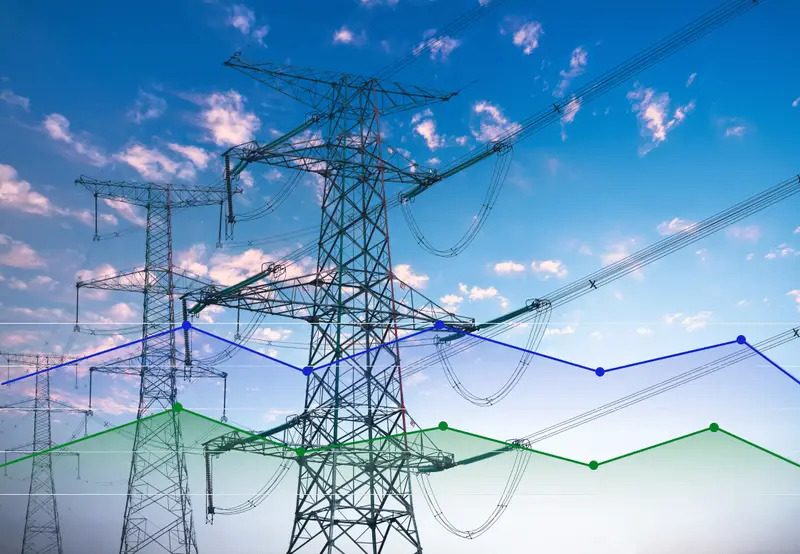
Smart grids emerged from the need to see and respond to these changes instantly. Sensors, communication networks, and advanced control systems turned the grid into a giant nervous system. Every transformer, substation, and meter can report what it is doing. Electricity flows not blindly, but under constant observation. Yet observation alone is not enough. The grid produces oceans of data every second. To make sense of it, and to act quickly, something more than human attention is required. This is where artificial intelligence enters.
Artificial Intelligence as the Brain of the Grid
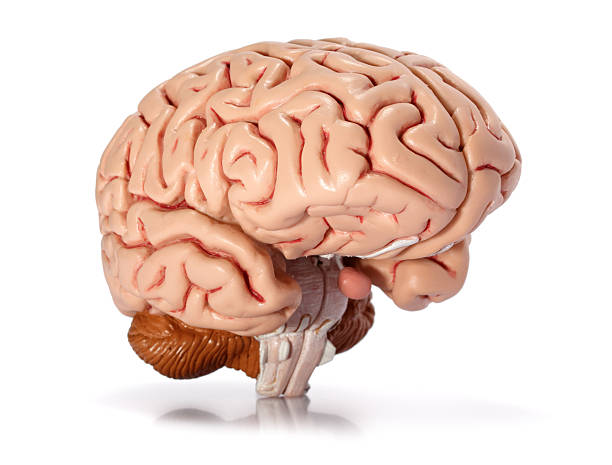
Artificial intelligence does not generate electricity, but it decides how electricity should move. It studies patterns of consumption, weather forecasts, market prices, and equipment health. From these inputs, it predicts what will happen next and adjusts the system accordingly. In this role, AI becomes the brain of the grid, processing information faster and more accurately than any human team could.
Machine learning models learn from historical data. They discover that a particular neighborhood uses more power on hot afternoons, or that wind production drops when certain atmospheric conditions appear. Over time, these models become better at anticipating behavior. When demand spikes unexpectedly, AI can reroute power, activate storage systems, or signal flexible consumers to reduce usage. When renewable generation surges, it can store energy or send it where it is needed most.
This balancing act is not trivial. Electricity must be produced and consumed almost simultaneously. Unlike water or gas, large-scale storage has traditionally been difficult and expensive. Even with modern batteries, storage capacity remains limited compared to daily consumption. AI therefore operates in a delicate dance between prediction and control, trying to match millions of individual actions into a stable whole.
The Emotional Weight of Balance
Balance is not just a technical concept; it carries emotional weight. Blackouts remind us how deeply we depend on electricity. Hospitals, traffic systems, and communication networks all rely on continuous power. When grids fail, societies feel vulnerable. Smart grids, guided by AI, promise resilience. They can isolate damaged sections during storms, reroute power around failures, and restore service faster than human crews alone could manage.
In regions prone to extreme weather, this intelligence can mean the difference between chaos and calm. Hurricanes, heatwaves, and cold snaps strain power systems in different ways. AI models trained on past events can anticipate stress points and prepare the grid in advance. They can shift generation schedules, precharge batteries, and warn operators before trouble strikes.
This ability to foresee and adapt gives the grid a kind of emotional intelligence. It does not feel fear or hope, but it behaves as if it cares about continuity. For people whose lives depend on steady power, that behavior builds trust.
Renewable Energy and the Challenge of Variability
Renewable energy lies at the moral center of the smart grid revolution. Solar and wind power promise a cleaner future, but their integration into power systems is one of the hardest engineering challenges of our time. The sun does not shine at night, and the wind does not always blow when people need electricity most. Without careful coordination, renewables can destabilize grids rather than strengthen them.
AI addresses this challenge by turning unpredictability into manageable risk. Weather prediction models, enhanced by machine learning, estimate solar and wind output hours or even days in advance. These forecasts feed into grid control systems that schedule backup generation and storage accordingly. If clouds are expected, the grid can rely more on batteries or hydropower. If strong winds are coming, fossil fuel plants can reduce output, saving fuel and reducing emissions.
This coordination allows renewables to supply a larger share of total electricity without compromising reliability. In some regions, AI-driven control systems already manage grids where renewable energy provides most of the power. These systems prove that variability does not have to mean instability if intelligence stands between nature and consumption.
Demand as an Active Partner
In traditional grids, consumers were passive. They turned devices on and off, unaware of the strain they placed on the system. Smart grids change this relationship. Homes, buildings, and factories can now communicate with the grid. They can receive signals about prices or availability and adjust usage automatically.
AI plays a central role in this conversation. It decides when to encourage or discourage consumption. During periods of high demand, it might signal smart thermostats to slightly adjust temperatures or ask electric vehicle chargers to pause for a short time. These changes are small individually but powerful collectively. They smooth peaks in demand and reduce the need for expensive and polluting backup generators.
This process, known as demand response, transforms consumers into participants. Electricity becomes a shared responsibility rather than a one-way service. AI acts as mediator, balancing comfort and efficiency. It ensures that lights stay on while emissions and costs stay low.
Electric Vehicles and the Mobile Grid
Electric vehicles are both a challenge and an opportunity for smart grids. When millions of cars plug in after work, they create new peaks in demand. But each vehicle also carries a battery that could help stabilize the system. In effect, electric cars turn into mobile energy storage units.
AI coordinates this complex relationship. It schedules charging times to avoid overloads and takes advantage of periods when renewable energy is abundant. In advanced systems, vehicles can even send power back to the grid when needed. This two-way flow, sometimes called vehicle-to-grid interaction, blurs the line between producer and consumer.
Managing such a network manually would be impossible. AI must consider travel patterns, battery health, grid conditions, and user preferences. It must ensure that drivers have enough charge for their needs while also supporting overall stability. In this way, transportation and electricity merge into a single intelligent ecosystem.
Data as the Lifeblood of Smart Grids
A smart grid lives on data. Sensors measure voltage, current, frequency, temperature, and countless other variables. Smart meters report household consumption in near real time. Weather stations provide detailed forecasts. Market systems track prices and availability. Together, these streams form a digital portrait of the grid’s state.
AI transforms this portrait into action. It filters noise from signal, detects anomalies, and identifies patterns invisible to human operators. For example, a slight change in vibration at a transformer might indicate an impending failure. A machine learning model trained on past breakdowns can recognize this signature and trigger maintenance before a blackout occurs.
This predictive maintenance reduces costs and increases reliability. It shifts the grid from a reactive to a proactive mode of operation. Instead of waiting for things to break, the system learns how to stay healthy.
Cybersecurity and Trust
As grids become smarter, they also become more exposed. Digital communication opens doors not only to efficiency but also to cyber threats. A malicious actor who gains control of grid components could disrupt power supplies on a massive scale. The emotional stakes here are high, because electricity underpins national security and public safety.
AI contributes to defense as well as offense. It monitors network traffic for unusual behavior, identifies potential intrusions, and isolates compromised systems. By learning what normal operation looks like, it can recognize when something is wrong. This constant vigilance adds a new layer of protection to physical infrastructure.
Trust in smart grids depends on this security. People must believe that intelligent systems will not betray them. Engineers and policymakers therefore face a dual challenge: making grids more adaptive while ensuring they remain safe from manipulation.
Markets, Economics, and Algorithmic Decisions
Electricity is not only a physical flow; it is also an economic one. Prices rise and fall depending on supply and demand. Smart grids integrate markets into their control systems. AI algorithms decide when to buy or sell electricity, when to store it, and when to release it.
These decisions affect costs for consumers and profits for producers. They also influence which energy sources are favored. By recognizing patterns in price and production, AI can optimize operations to minimize expenses and emissions simultaneously. For example, it may choose to use renewable power when available and resort to fossil fuels only when necessary.
This economic intelligence adds another dimension to grid management. The system must satisfy not only physical laws but also financial constraints. In doing so, it reshapes the energy economy, encouraging efficiency and innovation.
Social Implications of Intelligent Energy
Smart grids change how societies think about energy. They make consumption visible. They reveal the hidden rhythms of daily life. When people see how their actions affect the grid, they often become more conscious of their energy use.
AI-driven systems can also address inequality. By identifying vulnerable populations and high-risk areas, they can prioritize service during emergencies. They can support decentralized generation in remote regions, reducing dependence on distant power plants. In this sense, smart grids have the potential to democratize energy, spreading benefits more evenly.
However, there are ethical questions. Who controls the algorithms? How transparent are their decisions? If an AI system chooses to limit power in one area to protect another, how is that choice justified? These issues require careful governance. Technology alone cannot resolve them; they demand human values and oversight.
The Physics Beneath the Intelligence
Despite their digital sophistication, smart grids remain grounded in physical laws. Electricity flows according to principles of electromagnetism. Power balance requires that generation and consumption match almost exactly at every moment. Voltage and frequency must stay within narrow limits to protect equipment and ensure safety.
AI does not change these laws. It works within them, respecting constraints while seeking optimal solutions. Its models incorporate physical equations as well as data-driven insights. This combination of theory and experience gives smart grids their strength. They do not rely on guesswork but on structured understanding of how electricity behaves.
The marriage of physics and computation is what makes modern grid management possible. It turns abstract equations into practical tools and raw data into meaningful action.
Global Perspectives on Smart Grids
Different regions face different challenges. In industrialized countries, aging infrastructure must adapt to renewable energy and digital control. In developing regions, smart grids offer a chance to leapfrog old systems and build modern networks from the start.
Rural electrification can benefit from decentralized grids powered by solar and wind. AI can manage these microgrids, ensuring that limited resources are used efficiently. In cities, smart grids can integrate millions of devices, coordinating them into a stable whole.
Climate change adds urgency to this global effort. As extreme weather becomes more common, resilient and adaptive grids are no longer optional. They are essential for economic stability and human well-being.
The Human Face of Artificial Intelligence
Behind every algorithm stand human designers and operators. AI reflects the priorities and assumptions built into it. If the goal is to maximize profit, the system will act accordingly. If the goal is to reduce emissions or protect vulnerable communities, it will behave differently.
Smart grids therefore embody human choices. They encode values into technical systems. This reality makes public engagement important. People must understand not only what these systems do, but why they do it.
Education and transparency can bridge the gap between complex technology and everyday experience. When citizens trust that intelligent grids serve collective interests, adoption becomes smoother and resistance weaker.
Future Horizons
The future of smart grids lies in deeper integration and greater autonomy. As computing power grows and data becomes richer, AI systems will make more decisions without human intervention. They will negotiate energy exchanges between buildings, vehicles, and storage units in real time. They will adapt to unforeseen events with minimal disruption.
Quantum computing, if realized at scale, could further enhance optimization and prediction. Advanced sensors may reveal grid behavior with unprecedented detail. Together, these developments point toward a system that feels almost organic, responding to its environment with fluid intelligence.
Yet uncertainty remains. No model can capture every possibility. Rare events and unknown interactions will continue to challenge designers. The goal is not perfection but robustness, a system that can bend without breaking.
A New Relationship with Power
At a deeper level, smart grids change our emotional relationship with electricity. Power is no longer a distant product delivered by faceless utilities. It becomes a conversation between machines, nature, and people. Solar panels on rooftops, batteries in garages, and algorithms in data centers all participate in this dialogue.
This shift carries symbolic weight. It suggests a future where technology does not dominate nature but collaborates with it. Where intelligence does not replace human judgment but amplifies it. Where energy systems reflect awareness rather than brute force.
Conclusion: Intelligence in the Flow
Smart grids show that intelligence can live in infrastructure. They reveal that even something as invisible and taken-for-granted as electricity can become expressive and adaptive. Through artificial intelligence, the grid learns to balance the world’s electricity not by rigid command but by continuous negotiation.
This balance is scientific, grounded in physics and mathematics. It is also emotional, because it touches human lives at every moment. Lights in hospitals, signals in traffic systems, warmth in homes during winter nights all depend on this quiet orchestration.
As societies face the twin challenges of climate change and technological growth, smart grids offer a path forward. They promise a future where energy is cleaner, more reliable, and more responsive to human needs. In that future, AI does not merely control machines. It becomes a steward of flow, guiding electrons with care and foresight, turning raw power into a balanced and meaningful force in the story of civilization.